


This article was automatically translated from the original Turkish version.
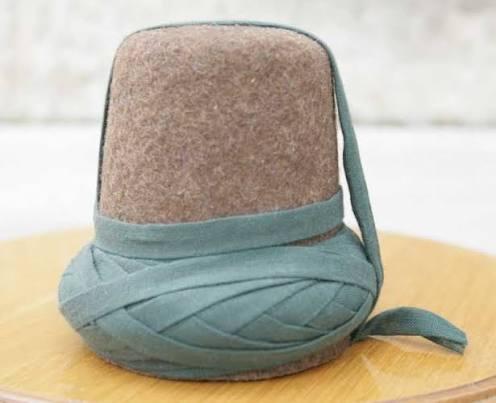
Destar
Types of Destar
Örfî Destar | With its broad and imposing wrap, it represents a person's spiritual maturity, grandeur, and authority; typically worn by sheikhs or senior dervishes. | ||||||||
|---|---|---|---|---|---|---|---|---|---|
Cüneydî Destar | With its tighter and more humble wrap, it reflects the dervish's humility and dedication to service. | ||||||||
Şeker-âvîz Kafesî Destar | With its complex and interwoven wrapping style, it symbolizes spiritual depth, the artistic refinement in Sufi knowledge, and inner complexity. | ||||||||
Destar; a term referring to thin fabrics such as muslin or fine cloth wrapped over headgear like fezzes, sikke, or kavuk. Literally meaning "wrapping" or "head covering," the destar in Ottoman social structure and especially within Sufi tradition was not merely an ordinary garment element; it became a powerful symbol representing an individual’s social status, scholarly rank, position within the order, and spiritual station.
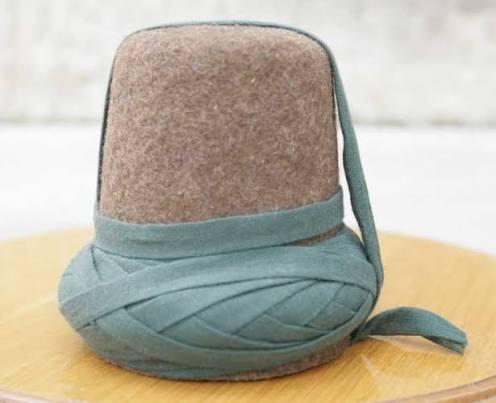
Destar (Türkiye Kültür Portalı)
The primary material used in making a destar varies according to the shape of the headgear and the wrapping style, but generally consists of thin, lightweight, and easily moldable muslin fabrics. Depending on the purpose of use and seasonal conditions, cotton, fine silk (lined or unlined), or şali—a type of thin woolen fabric—were also preferred. To prevent sagging, maintain form over time, and ensure even layering during wrapping, the inner layers of the muslin were sometimes reinforced with cotton or lightly coated with starch.
Throughout history, destars have been classified into various types based on material, form, and wrapping techniques:
The aesthetic and symbolic value of the destar gradually transformed its wrapping into a distinct art form. Those who mastered the technique and made it a specialized craft were called "destârî". Dervishes and members of the orders specifically sought out these skilled artisans when having their sikke wrapped, thereby turning destar wrapping into a unique domain where craftsmanship and aesthetics converged.
In Sufi tradition, the destar symbolizes the spiritual maturity and merit of a dervish who has completed the path of spiritual journey (seyrüsüluk). Within Mevlevi practice, due to its sanctity and symbolic significance, it is referred to as "Destâr-ı Şerif". Dervishes who had not yet attained any official role or spiritual station wore a plain sikke without a destar; such bare headgear was known as "dalsikke."
The right to wear a destar was granted only after fulfilling specific duties within the dergâh, adhering to the rules of conduct and etiquette, and completing the required spiritual training.
Upon earning the right to wear a destar, the initiate receives an official certificate, known as an "Destarlı Sikke-i Şerif İcazeti", from their sheikh (murshid) through a special ceremony. Those granted this certificate wore their sikke wrapped with a destar for the rest of their lives. In Mevlevi tradition, the color, wrapping style, and placement of the destar on the head were strictly regulated and clearly indicated the wearer’s hierarchical position:
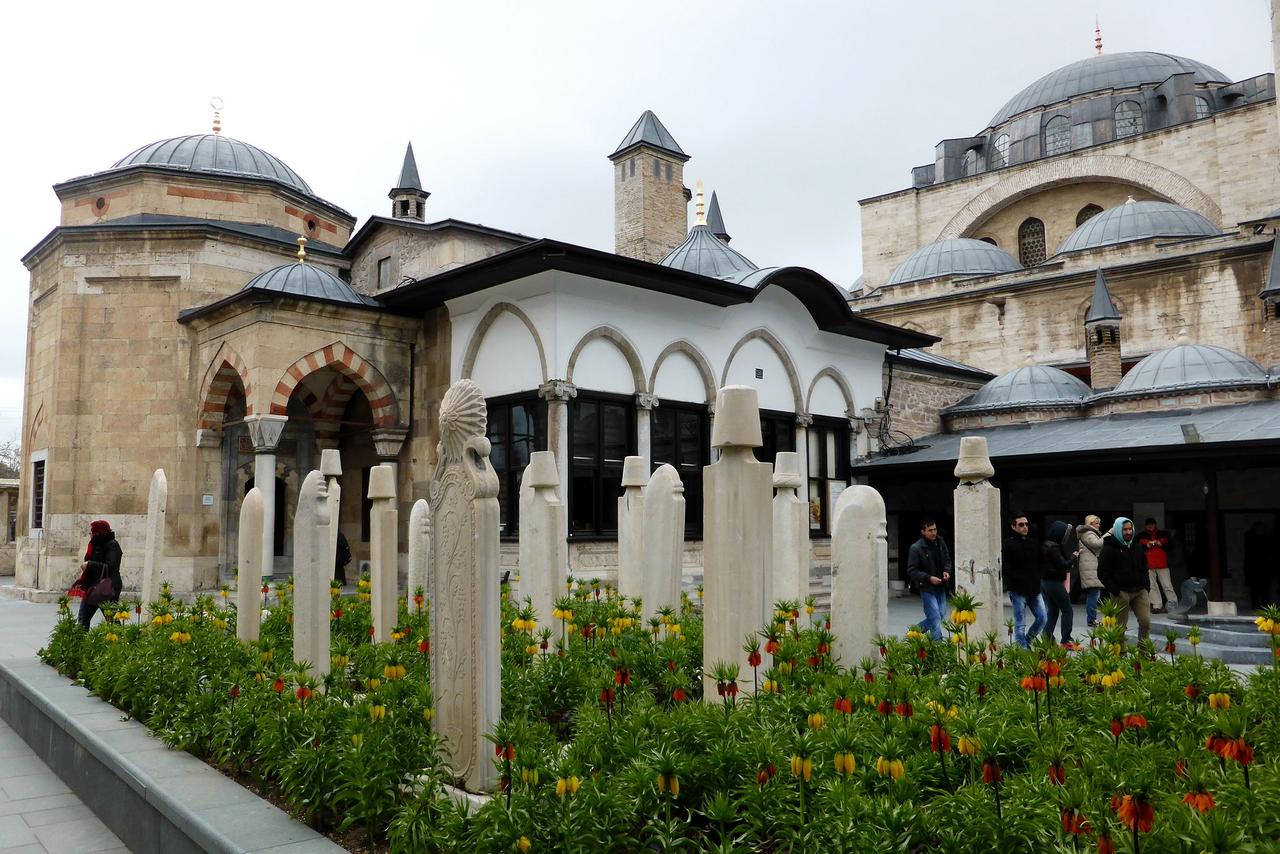
Hamuşan Mezarlığı’ndaki Mezar Taşları ve Destarlar. (Semazen)
The free end of the destar, typically draped down over the shoulder, is called "taylasan" (or şemle). In örfî and cüneydî destars, this section was kept longer to symbolize the sheikh’s spiritual authority and adherence to tradition. Over time, certain muhibs who performed important services within the order but had not yet formally earned the right to wear a destar were occasionally granted permission to wear one as an honorary distinction.
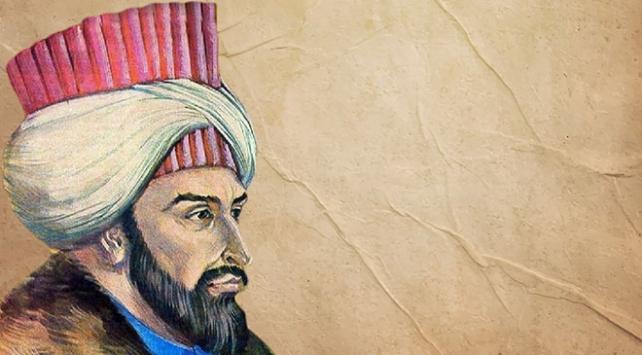
Şair Nedim. (Türk Dünya Ansiklopedisi)
Due to its widespread use and aesthetic forms in Ottoman society, the destar became a rich and frequently employed image in classical Turkish literature. Poets associated the folds, colors, and drape of the taylasan with the beauty of their beloved or with their own social standing.
The renowned Divan poet Nedîm, in his famous hamamiye-type kasida, describes the atmosphere of relaxation and dissolution in the bathhouse with the following verse:
“Kemer küsiste prâkende kûşe-i destâr” (The belt is undone, the corner of the destar is scattered)
In another couplet, Nedîm compares the white destar on the head of a dark-skinned beauty to the newly risen crescent moon in the night sky, offering this elegant depiction:
“Meh-i nev resmidir destârın ey şûh-ı siyehçerde” (O dark-skinned beauty, the shape of your destar resembles the newly born moon)
These and similar literary examples reveal that in Ottoman culture, the destar was not merely a religious or Sufi identifier; it was also a multifaceted cultural carrier reflecting the elegance, aesthetic sensibility, and poetic spirit of everyday life.
Konyapedia. "Destar." Accessed June 25, 2026.https://www.konyapedia.com/makale/983/destar
Koçu, Reşad Ekrem. "Destar." *İstanbul Ansiklopedisi*, Volume 8, pp. 4526–4527. Istanbul: Koçu Yayınları, 1966. Accessed June 25, 2026.https://istanbulansiklopedisi.org/handle/rek/12784
Semazen.net. "Hamuşan." Accessed June 25, 2026.https://mevlanaturbesi.semazen.net/hamusan/
T.C. Ministry of Culture and Tourism Culture Portal. "Destar." Accessed July 17, 2026.https://www.kulturportali.gov.tr/turkiye/konya/kulturatlasi/destr
Türk Dünyası Ansiklopedisi. "Nedîm." Accessed June 25, 2026.https://turkdunyasiansiklopedisi.gov.tr/detay/1591/Ned%C3%AEm

Destar
Types of Destar
Örfî Destar | With its broad and imposing wrap, it represents a person's spiritual maturity, grandeur, and authority; typically worn by sheikhs or senior dervishes. | ||||||||
|---|---|---|---|---|---|---|---|---|---|
Cüneydî Destar | With its tighter and more humble wrap, it reflects the dervish's humility and dedication to service. | ||||||||
Şeker-âvîz Kafesî Destar | With its complex and interwoven wrapping style, it symbolizes spiritual depth, the artistic refinement in Sufi knowledge, and inner complexity. | ||||||||
Physical Characteristics, Structure, and Material
Use in Mevlevi and Sufi Tradition
The Destar Motif in Classical Turkish Literature