

`traditional-arts` Related Article Results
 Be
BeBeypazarı Living Museum
The Living Museum of Beypazarı, established on 23 April 2007 by educator and cultural scientist Dr. Zehra Sema Demir, is recognized as the pioneer of applied museology in Türkiye. Dr. Demir founded this museum with the aim of reviving preserving and transmitting the tangible and intangible elements of Anatolian culture to future generations. Since its opening, the museum has not only displayed artifacts but has also functioned as a platform enabling visitors to actively participate in cultural e
EN
Meltem Saraç
Art of Calligraphy
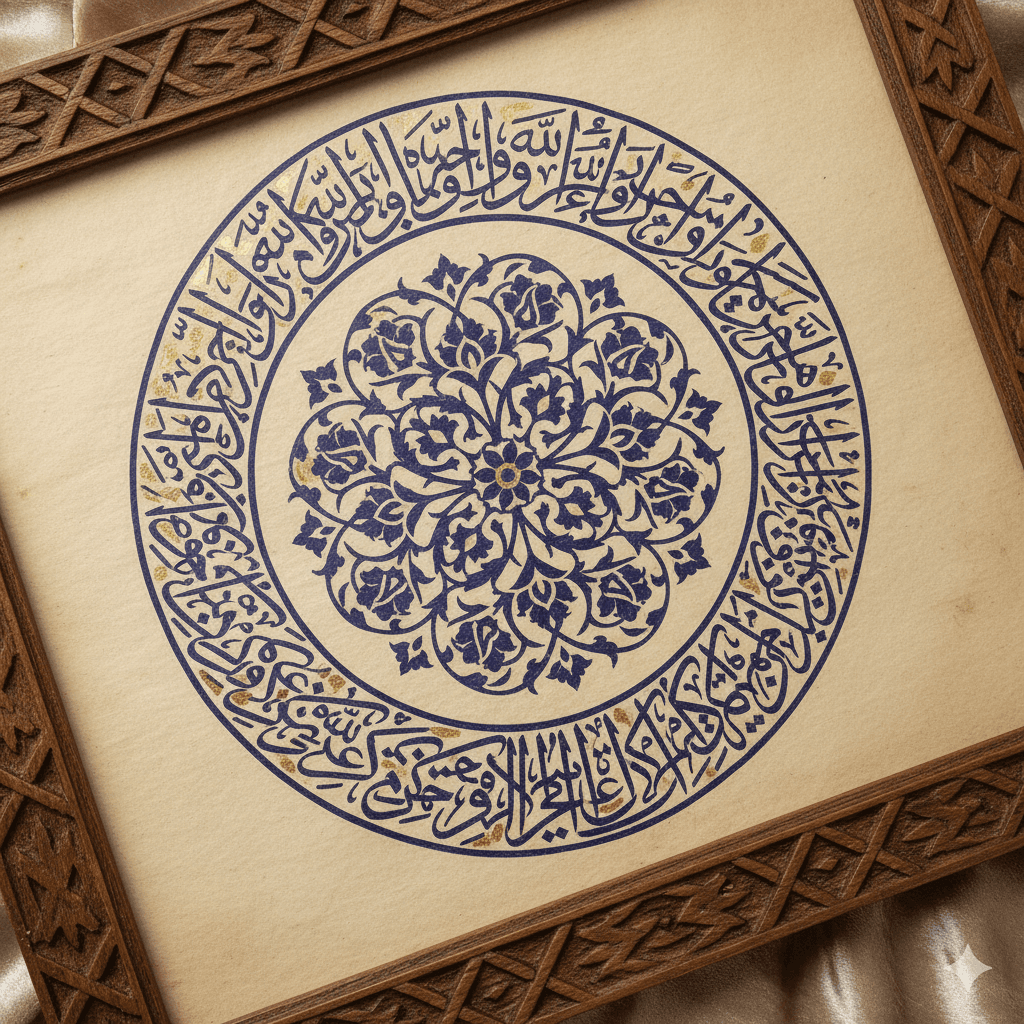
Katı’ art is a traditional decorative art form in which written text and motifs drawn on paper or leather are carved or cut with sharp tools and then adhered onto another surface. Known in Turkish as “kâğıt oyma” (paper carving), this art is referred to in Arabic as “kat’ı,” a term also used during the Ottoman period. Katı’ art holds an important place among traditional Turkish arts and was particularly employed to enhance the aesthetic value of manuscript bindings. History The origins of katı’
EN
Nida Öztürkmen
101071 Malazgirt-Ahlat Festivals
The Malazgirt Victory Ahlat Festivals take place annually during the last days of August in the Çarho locality of the Ahlat district. Held at the Ahlat National Garden, Türkiye’s second largest national garden, the festival features various activities reflecting the era of the battle. Festival Area (AA) " image-alternate="" image-element-format="right"> Meaning and Significance of the Festival The Battle of Malazgirt was a pivotal conflict fought in 1071 on the Malazgirt Plain between the Gre
EN
Selin Nisa Baykar
Destar
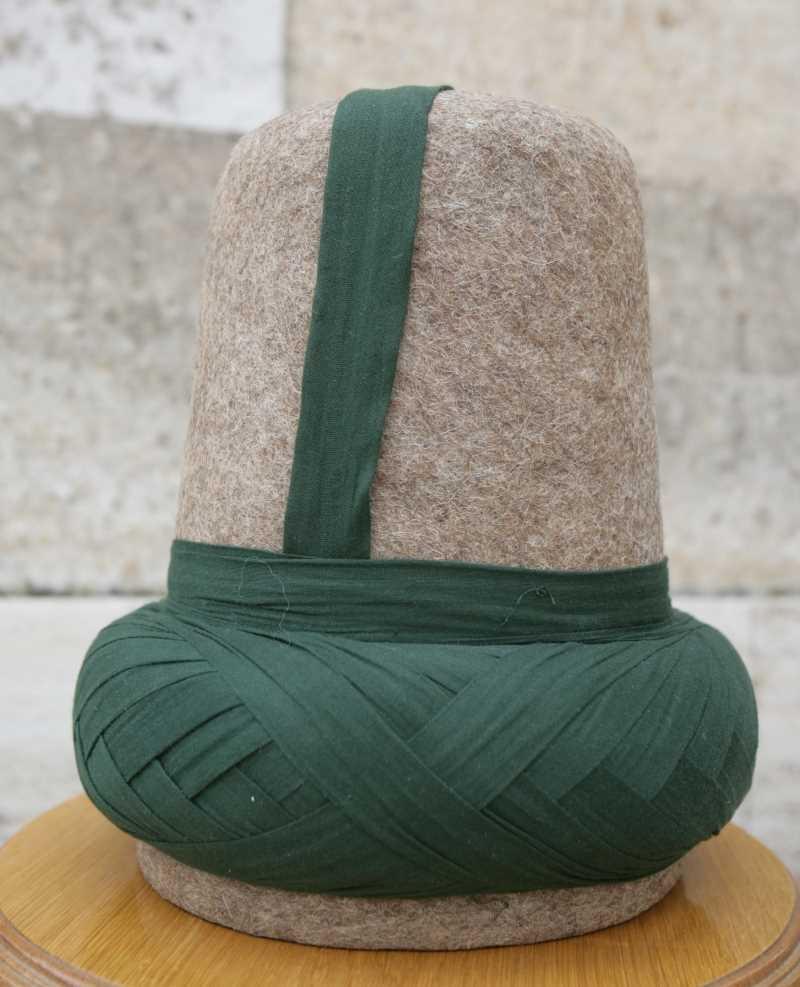
Destar; a term referring to thin fabrics such as muslin or fine cloth wrapped over headgear like fezzes, sikke, or kavuk. Literally meaning "wrapping" or "head covering," the destar in Ottoman social structure and especially within Sufi tradition was not merely an ordinary garment element; it became a powerful symbol representing an individual’s social status, scholarly rank, position within the order, and spiritual station. Physical Characteristics, Structure, and Material The primary material
EN
Kadriye Beyza Kirenci
Chinese Calligraphy
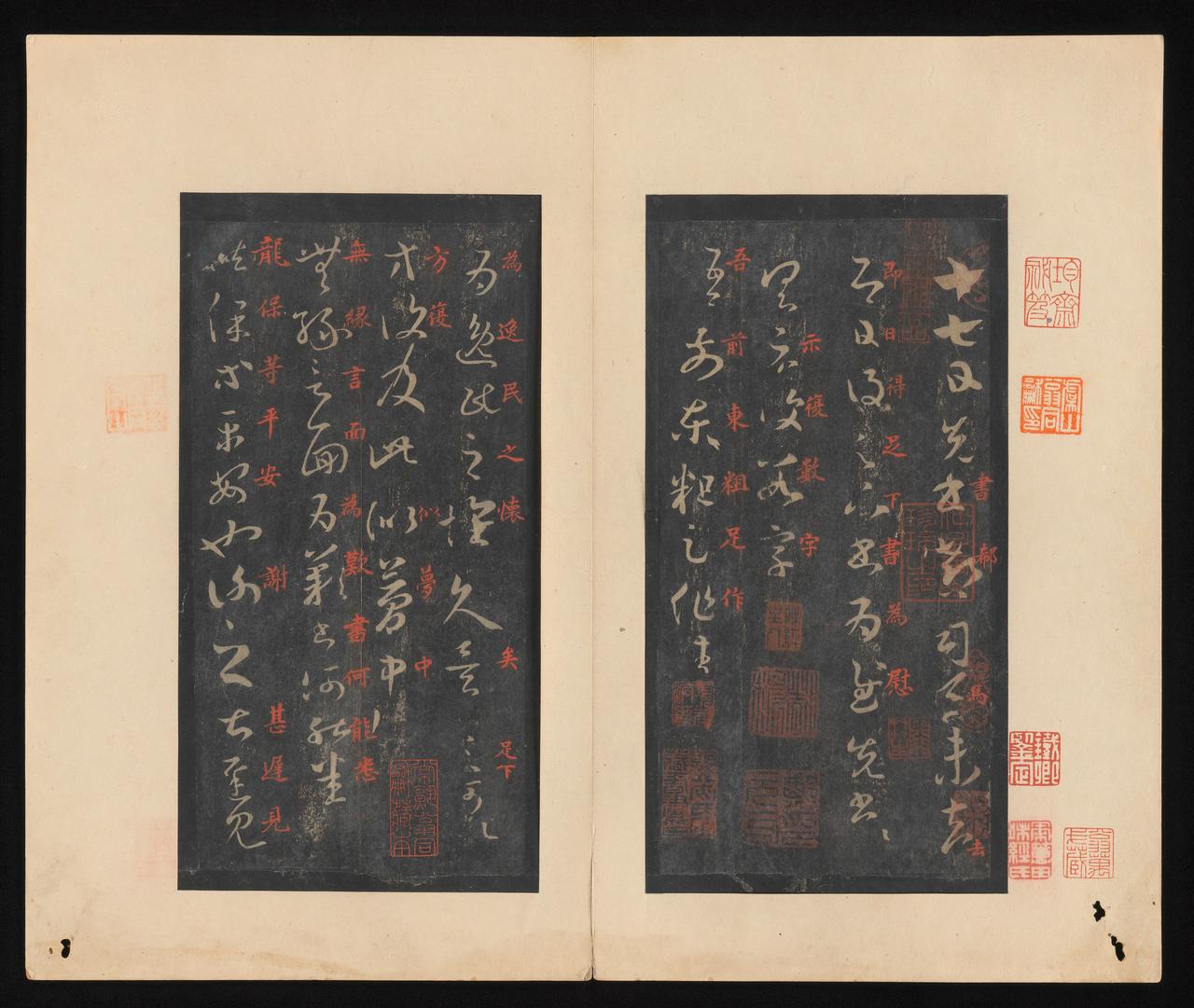
Chinese calligraphy is the art of writing Chinese characters in a disciplined manner using brush and ink. It transcends mere writing, carrying philosophical and social meanings. Through elements of line arrangement, brush movement, rhythm, and composition, calligraphy seeks to reveal the visual and intellectual value of writing. In Chinese culture, it is regarded as one of the four fundamental arts alongside literature, painting, and music, and has been recognized for centuries as an indicator o
EN
Nazlı Kemerkaya
Karaman Hürrem Dayı House
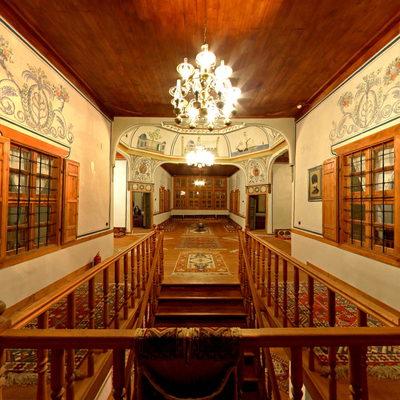
Hürrem Dayı Evi is a historic residence located in the center of Karaman province, possessing a history of approximately 300 years and exhibiting characteristic features of Ottoman civil architecture. Historical Background The building is a historic residence that embodies the characteristic features of Ottoman civil architecture and is recognized in literature as one of the surviving examples of traditional Turkish house architecture in Anatolia. Dating to the late Ottoman period, the structure
EN
Gözde Cabadak
Diyadin (District)
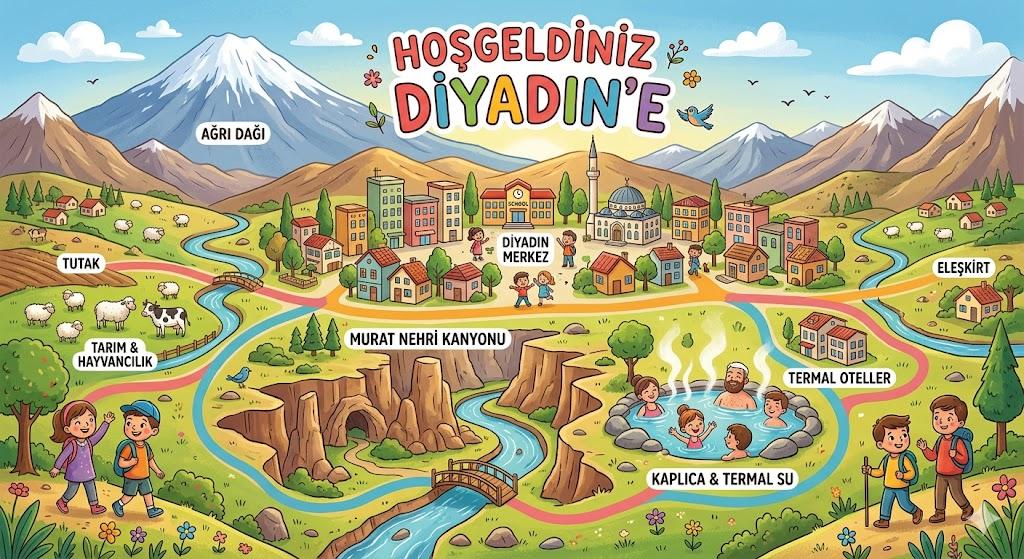
Diyadin is a very ancient district belonging to Ağrı province, through which the Murat River flows swiftly. This place is not merely a settlement but also an adventure island awaiting discovery, renowned for its healing hot springs and mysterious caves carved into massive rocks. Let us explore this land rich in historical and natural beauty together! Where Does the Name Diyadin Come From? The name Diyadin has an intriguing story. According to legend, in ancient times, the Akkoyunlu ruler Uzun Ha
ENEdanur Çimen
Sadrettin Özçimi
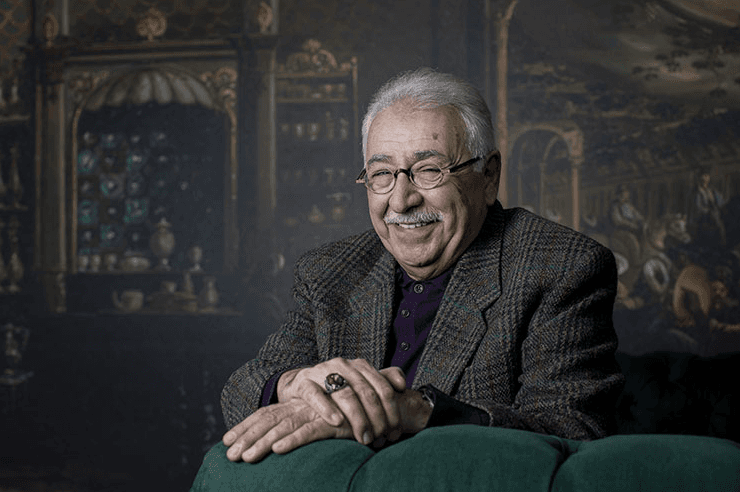
Sadrettin Özçimi (1955, Konya) is an artist active in the fields of Turkish music and traditional arts. He has engaged in ney performance, ebru art, and rosary making. He served for many years with the Istanbul State Classical Turkish Music Choir and has participated in concerts and educational activities both within Türkiye and abroad. Youth and Education Childhood and Youth Sadrettin Özçimi was born in Konya in 1955. His father, Fevzi Özçimi, was a student of Sadettin Kaynak and Münir Dede. Du
EN
Amine Sevde Özcan
Durağan Mahraması
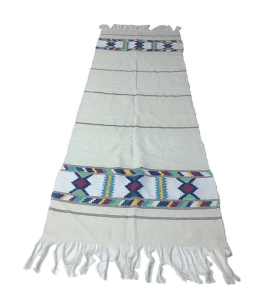
Durağan mahraması is a traditional textile art originating from the Durağan district of Sinop, rooted in a long-standing local hand-weaving tradition. In the past, these fabrics, woven by women in nearly every household, were used as towels or waistbands; however, production has declined over time due to technological advancements and changing living conditions. Today, the craft is being preserved through limited home-based production and courses offered by the Sinop Public Education Center and
EN
Elif Laçin
Institutes of Maturation
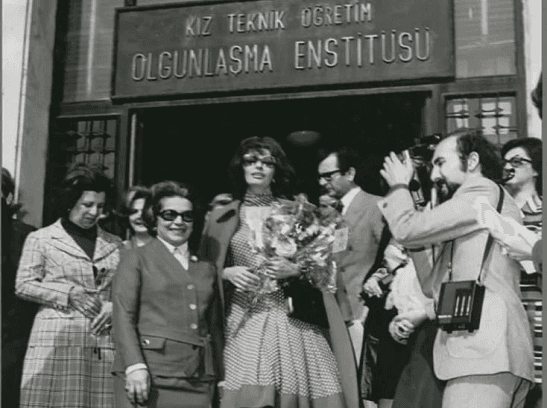
Maturity Institutes are educational and production institutions in Türkiye that operate to preserve, develop, and transmit traditional Turkish crafts and clothing culture to future generations. These institutions operate on a workshop-based structure, integrating research, design, production, and promotion processes. By combining traditional arts with contemporary design approaches, the institutes conduct work toward the sustainability of cultural heritage and continue production activities in a
ENElif Laçin