

`traditional-culture` Related Article Results
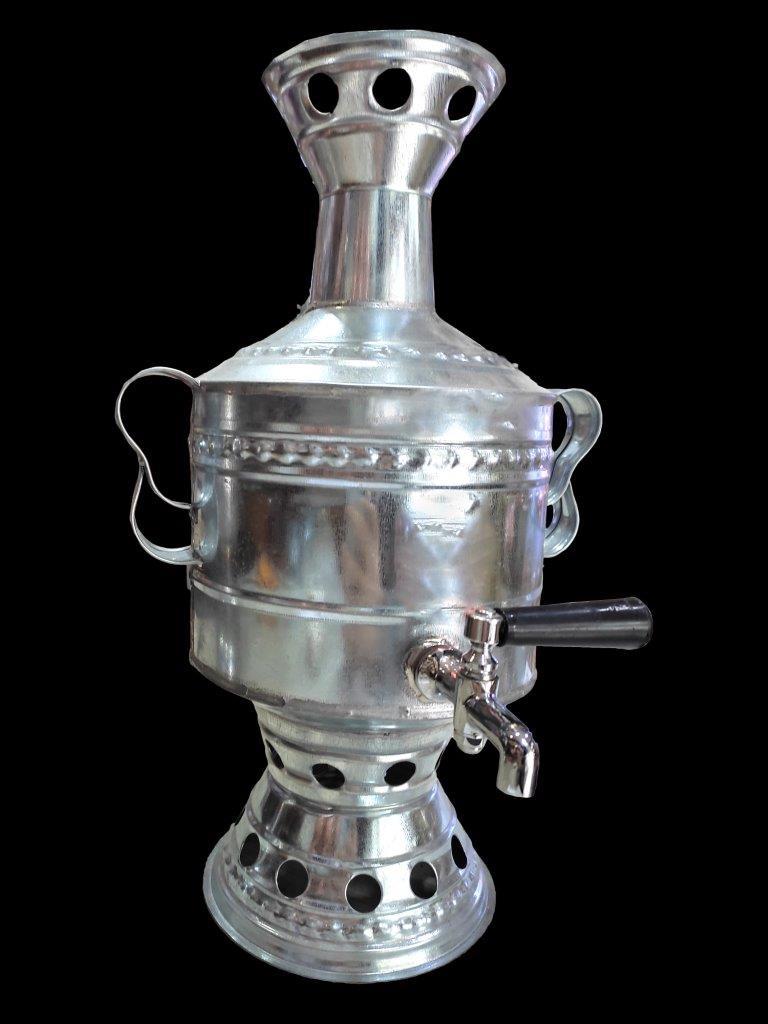
Amasya Semaveri
Semaver is a traditional device used primarily for brewing tea, designed for heating water and preparing tea. Typically made of metal—such as stainless steel, copper, or brass—the semaver consists of a lower heating chamber and an upper reservoir where water is boiled. In the heating chamber, coal, wood, or in modern versions, electricity or gas, is used as fuel. Above this, a small vessel called a demlik is placed, where tea leaves are steeped and kept warm by the steam rising from the boiling
EN
Elif Laçin
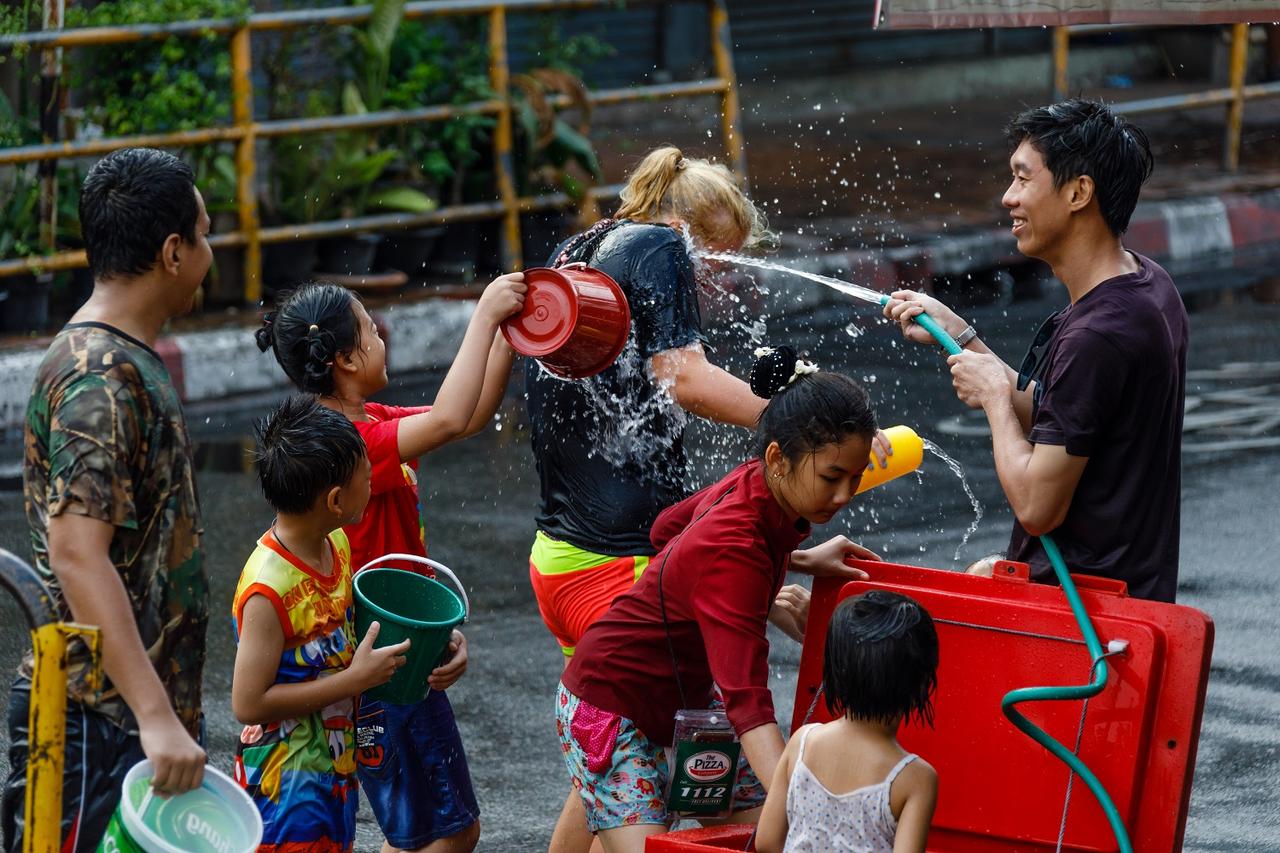
Songkran Festival (Traditional Thai New Year)
Songkran is a festival that symbolizes the traditional beginning of the New Year in the Thai calendar and is regarded as one of the country’s most important cultural events. The name of the festival derives from the Sanskrit word “Sankranti,” which fundamentally means “to move,” “to proceed,” or “a transition.”Thailand NOW, ‘’Maha Songkran Festival 2025’’, Thailand NOW, son erişim tarihi: 29 Ekim 2025, https://www.thailandnow.in.th/event/songkran-festival/ ">【1】 Astrologically, this transitio
EN
Nursena Şahin
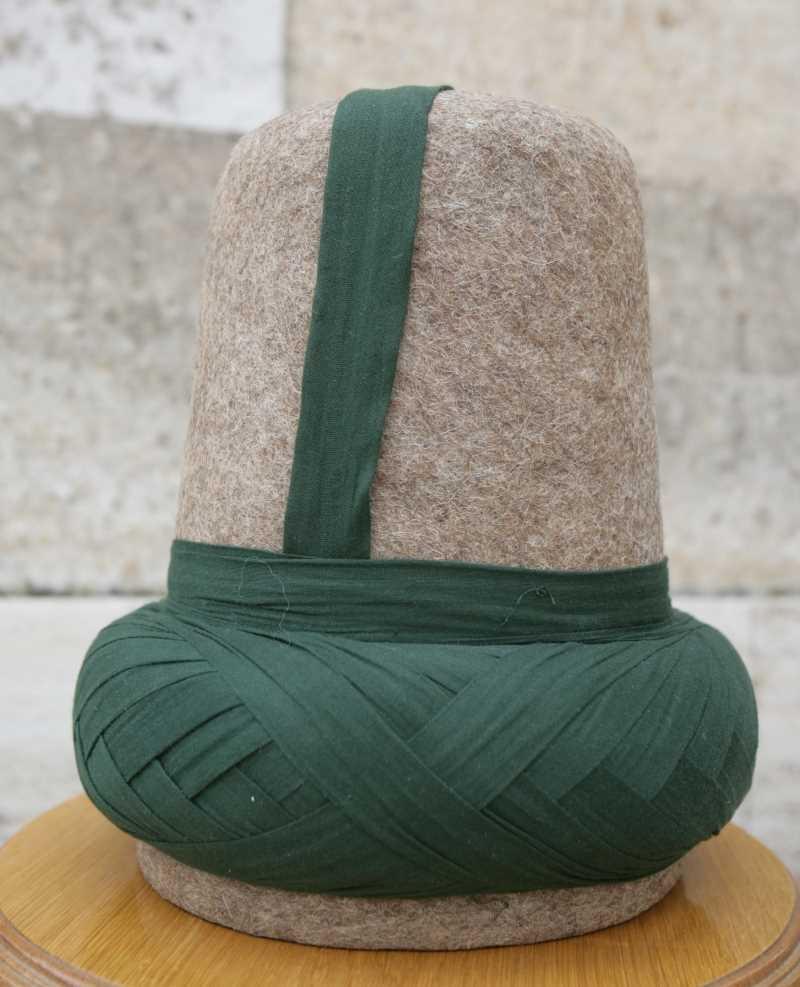
Destar
Destar; a term referring to thin fabrics such as muslin or fine cloth wrapped over headgear like fezzes, sikke, or kavuk. Literally meaning "wrapping" or "head covering," the destar in Ottoman social structure and especially within Sufi tradition was not merely an ordinary garment element; it became a powerful symbol representing an individual’s social status, scholarly rank, position within the order, and spiritual station. Physical Characteristics, Structure, and Material The primary material
EN
Kadriye Beyza Kirenci
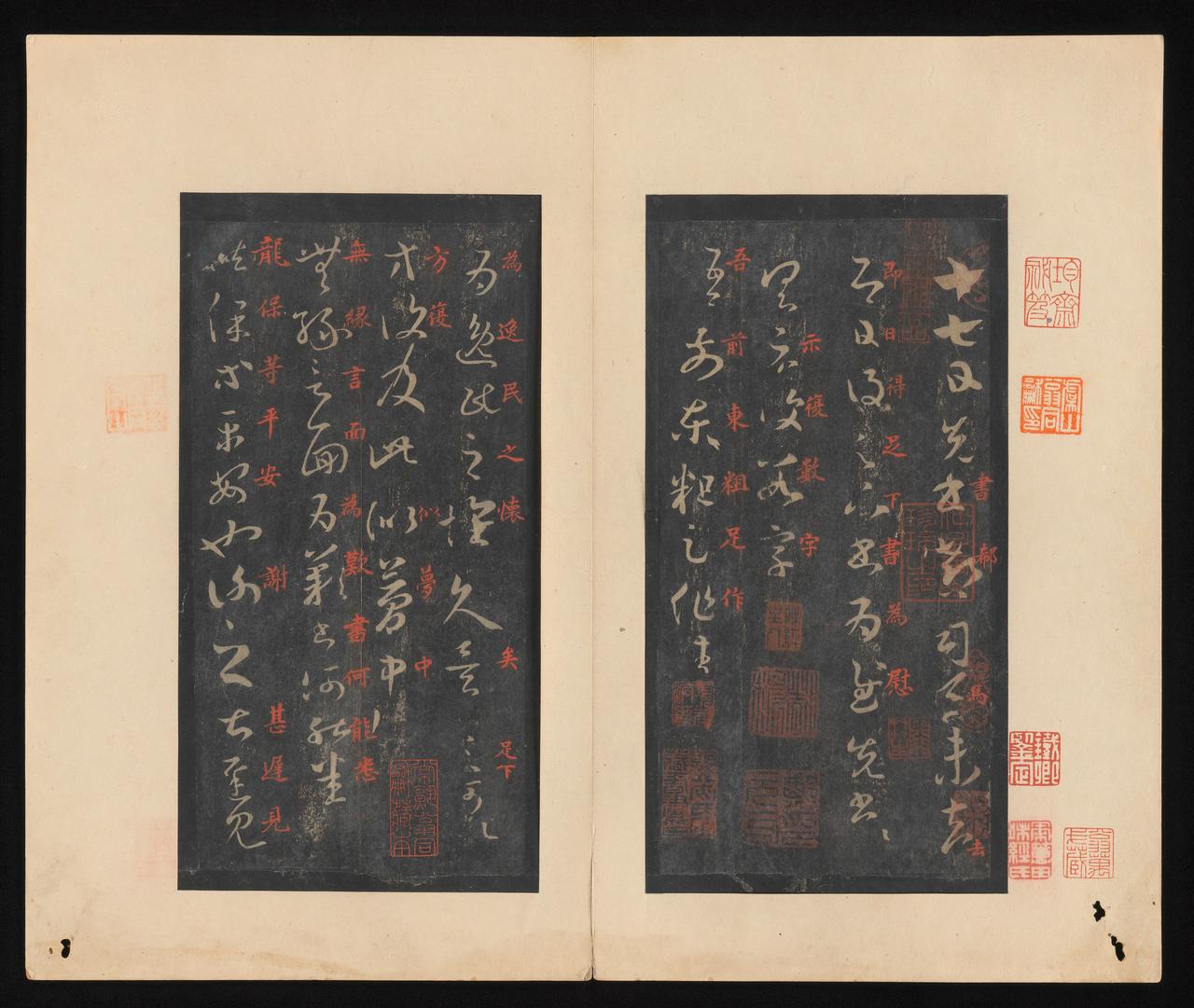
Chinese Calligraphy
Chinese calligraphy is the art of writing Chinese characters in a disciplined manner using brush and ink. It transcends mere writing, carrying philosophical and social meanings. Through elements of line arrangement, brush movement, rhythm, and composition, calligraphy seeks to reveal the visual and intellectual value of writing. In Chinese culture, it is regarded as one of the four fundamental arts alongside literature, painting, and music, and has been recognized for centuries as an indicator o
EN
Nazlı Kemerkaya
 Ot
OtOttoman Coffeehouses
Ottoman coffeehouses, from the mid-16th century onward, became important public spaces in Ottoman social life. With the introduction of coffee from Yemen to Istanbul, these institutions quickly evolved beyond mere venues for beverage consumption to become centers of socialization, communication, entertainment, and even political debate. Emergence and Spread Coffee is believed to have first arrived in Istanbul in the early 16th century following Yavuz Sultan Selim’s campaign in Egypt. According t
EN
Yunus Emre Yüce
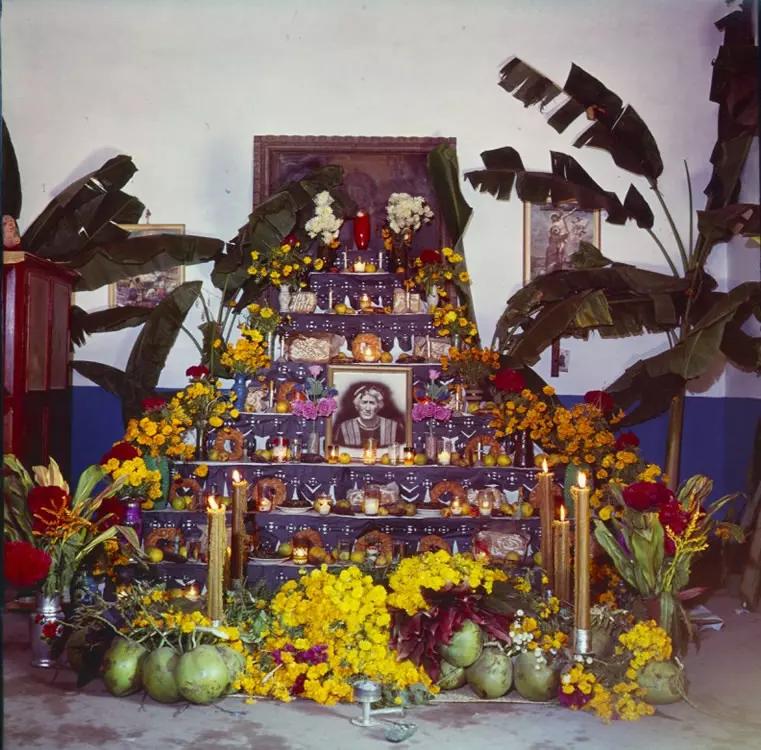
Day of the Dead (Día de los Muertos)
Day of the Dead (Spanish: Día de los Muertos) is a traditional cultural and religious holiday observed in various regions of Latin America, especially Mexico, dedicated to honoring deceased family members and ancestors. Celebrated annually on November 1 and 2, the festivities are based on the belief that the souls of the deceased return briefly to the world of the living. The holiday is known for its colorful rituals that emphasize the continuity of life, family bonds, and intergenerational memo
ENNursena Şahin
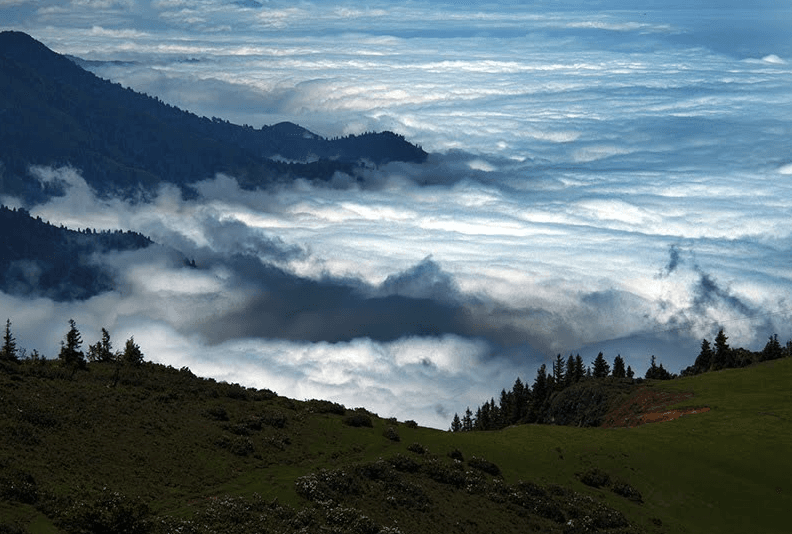
Handüzü Plateau
Handüzü Yaylası is located within the boundaries of Güneysu district in Rize province, in Türkiye’s Black Sea Region. This plateau lies approximately 25 kilometers from the district center, at an elevation of about 1800 meters above sea level in the highlands of the Eastern Black Sea Mountains. The settlement is situated southeast of Güneysu, adjacent to mountainous areas bordering Çayeli. Handüzü Yaylası forms part of the high plateau system of the Güneysu valley. Surrounded by rich water sourc
ENElyesa Köseoğlu
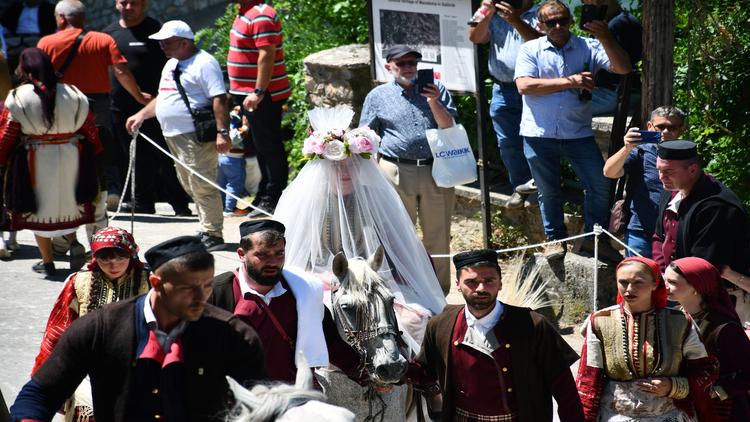
Galicnik Wedding
Galičnik Wedding is a traditional wedding ceremony unique to the Mijak (Mijaç) ethnographic region, practiced for centuries in the mountain village of Galičnik, within the boundaries of the Mavrovo and Rostuša Municipality in western North Macedonia. Held around the Orthodox Christian feast day of Saints Peter and Paul (July 12), the ceremony is historically linked to the village’s socio-economic structure, patterns of migration, belief systems, and social memory. Today, the Galičnik Wedding is
ENNursena Şahin
1717th Century Ottoman House Museum
17th Century Ottoman House Museum is a historical residential structure located within the boundaries of the Osmangazi district in Bursa, Türkiye, reflecting 17th century Ottoman civil architecture. The museum functions as an example that conveys the domestic layout, architectural concepts and daily life practices of the period through its original floor plan and preserved interior arrangements. Location and Environmental Context The museum is situated in the Muradiye neighborhood of Bursa, with
EN
Melikcan BUDAK