

`turkish-culture` Related Article Results
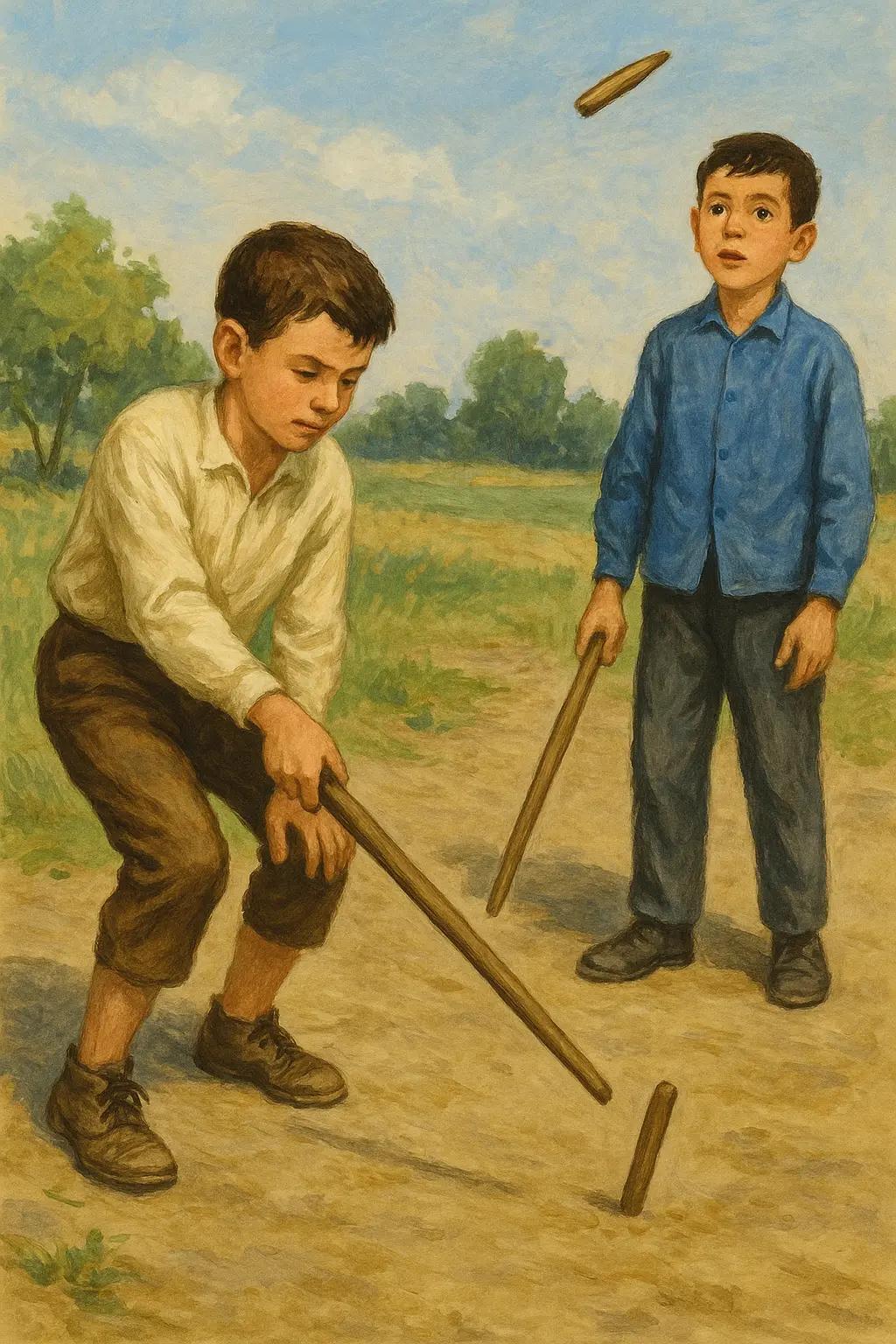
Çelik Çomak
Çelik çomak is a traditional children’s game played in various regions of Türkiye. In the game, a short stick is called the çelik, and a longer stick is referred to as the çomak. The main objective is to use the çomak to strike the çelik, launching it into the air and sending it as far as possible, followed by different scoring methods to determine the winner. Players can compete individually or in teams. This game helps children develop social skills such as strategic thinking, cooperation, and
EN
Sümeyye Akkanat Terzioğlu
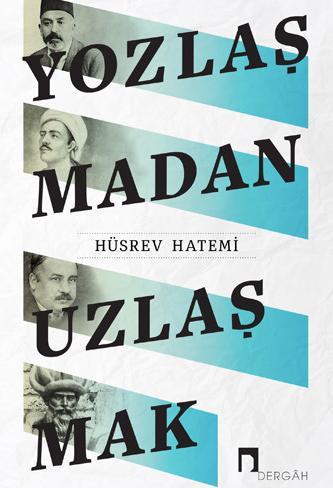
Reconciling with Corruption (Book)
Reconciling from Degeneration is an essay and analytical work by Professor Dr. Hüsrev Hatemi (b. 1938), one of today’s leading Turkish thinkers, published by Dergâh Yayınları as part of its “Contemporary Turkish Thought” series. The book examines the fundamental debates of Turkish culture through the lenses of modernization and identity. It approaches the persistent question among intellectuals—“What should Turkish culture be?”—in light of Westernization with a reconciliatory and holistic perspe
EN
Muhammed Samed Acar
The Horse in Turkish Culture
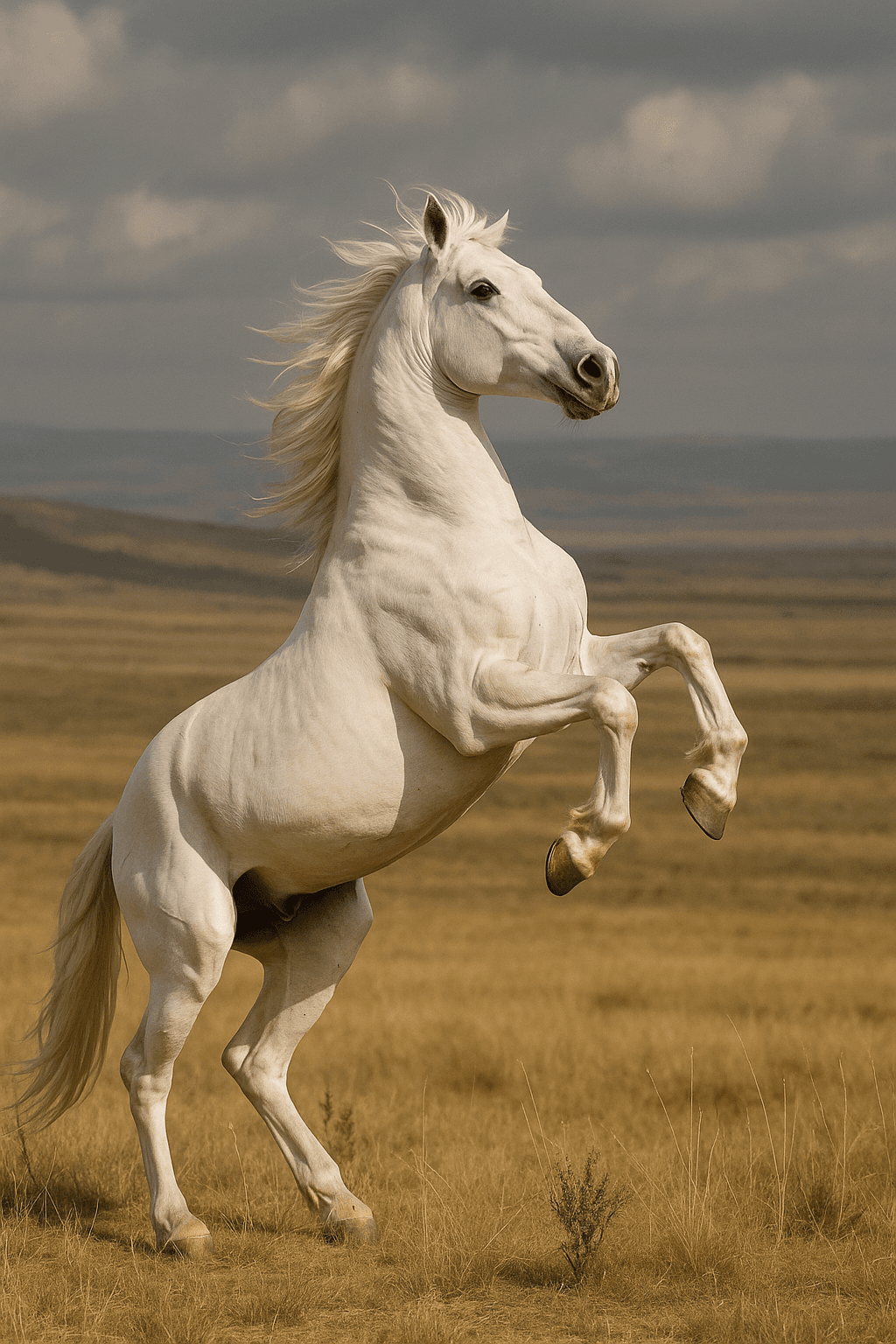
The horse, for the Turks, is not merely a riding animal; it is a cultural symbol deeply interwoven with social structure, belief systems, art, literature, military tradition, and daily life. The Turks, believed to be the first to domesticate the horse, also viewed it as a way of life, a loyal friend, and a trusted companion. Throughout their history, the Turks, who lived a nomadic lifestyle, relied on the horse in every aspect of existence. Turkic peoples living on the steppes constantly moved i
EN
Asiye Güneş
Lokman Hekim
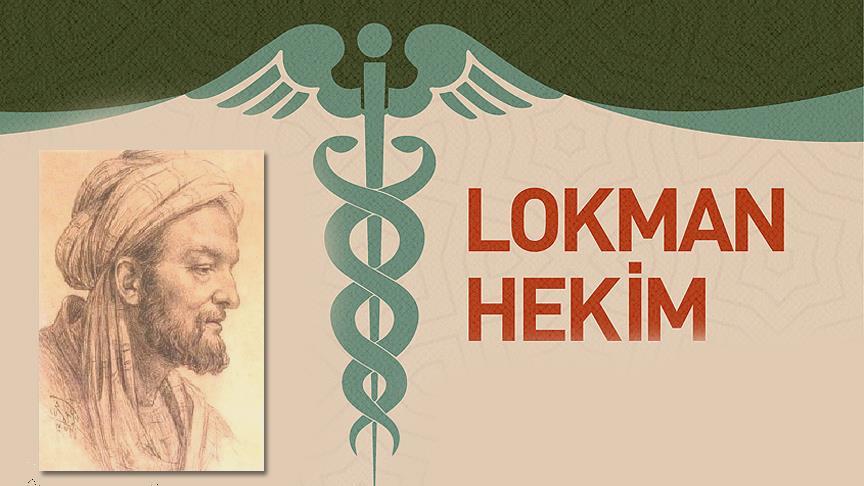
Lokman Hekim is described in Islamic tradition as a wise individual, deriving his name from the 31st chapter of the Qur’an, known as “Surah Luqman.” This chapter states that wisdom was granted to Lokman and records the advice he gave to his son. The Qur’an does not explicitly state whether Lokman was a prophet; however, many commentators and Islamic scholars hold the view that he was not a prophet but a righteous and wise servant of God. The admonitions in this chapter emphasize monotheism, resp
EN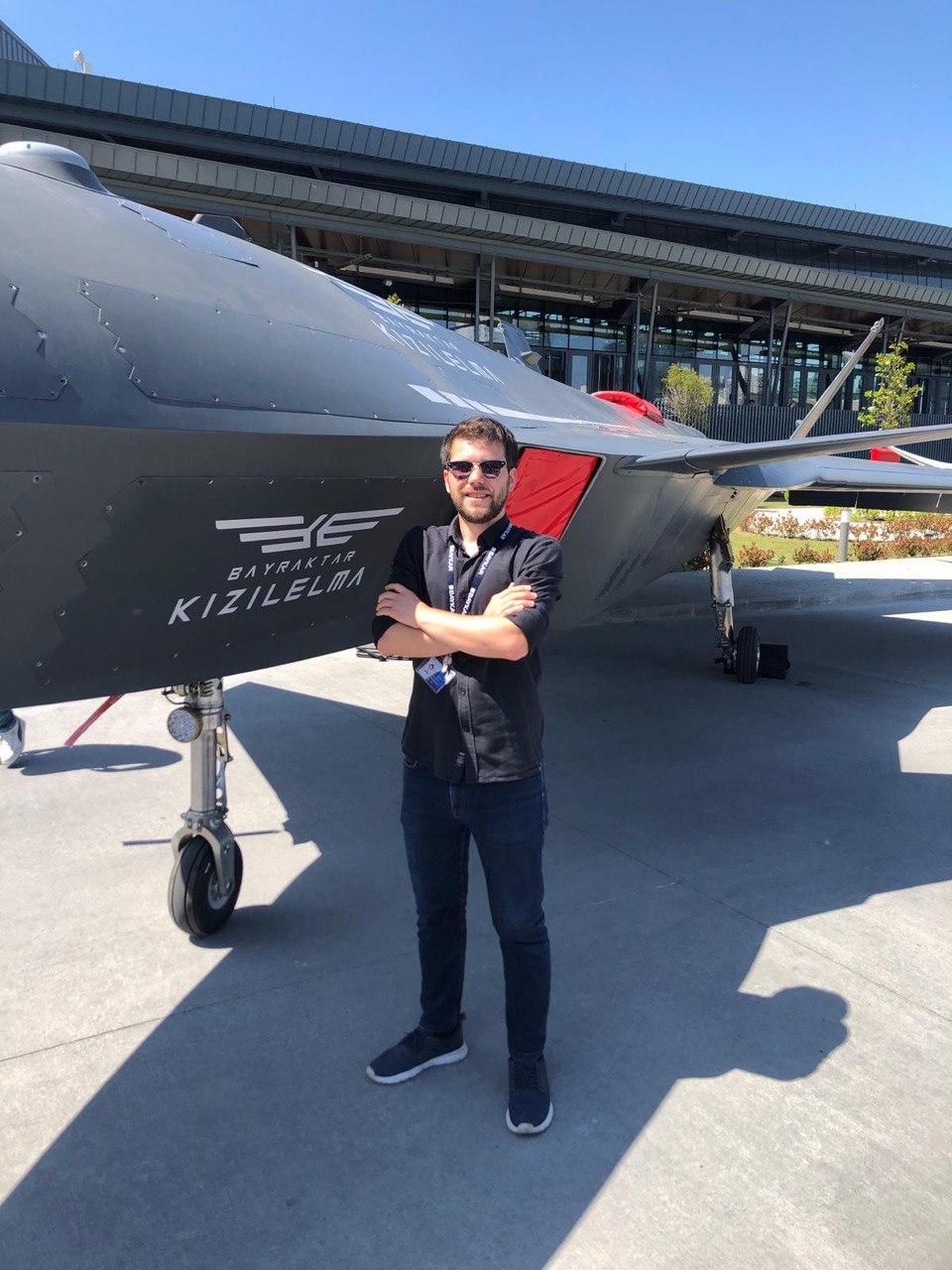
Samet Şahin
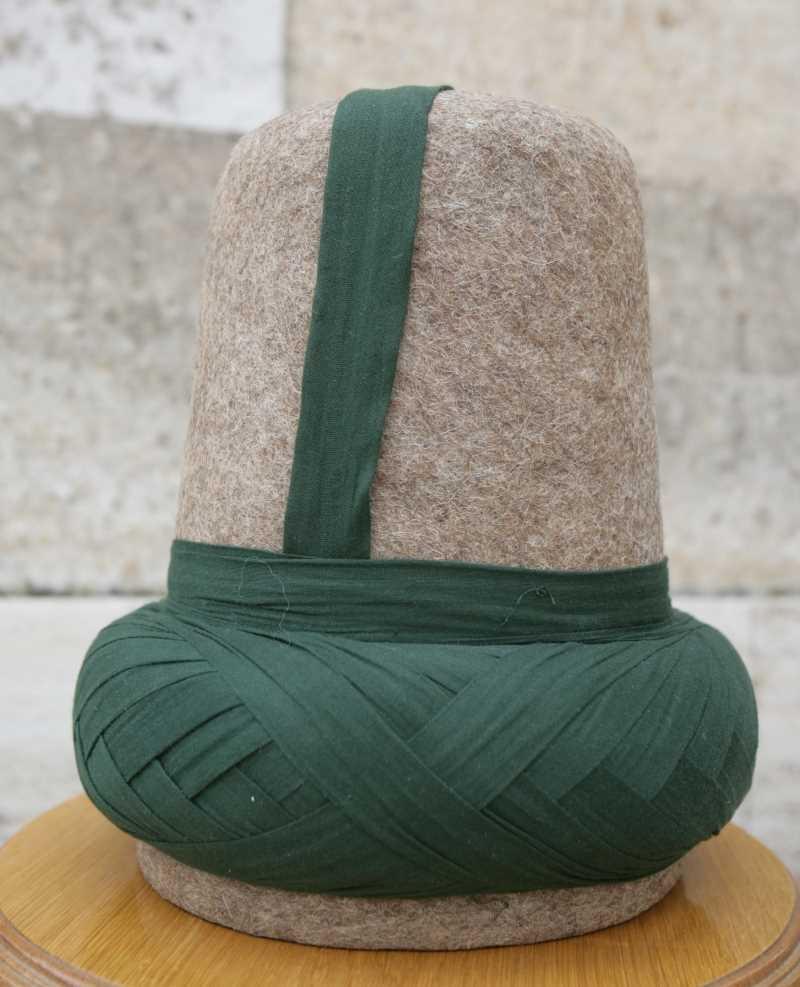
Destar
Destar; a term referring to thin fabrics such as muslin or fine cloth wrapped over headgear like fezzes, sikke, or kavuk. Literally meaning "wrapping" or "head covering," the destar in Ottoman social structure and especially within Sufi tradition was not merely an ordinary garment element; it became a powerful symbol representing an individual’s social status, scholarly rank, position within the order, and spiritual station. Physical Characteristics, Structure, and Material The primary material
EN
Kadriye Beyza Kirenci
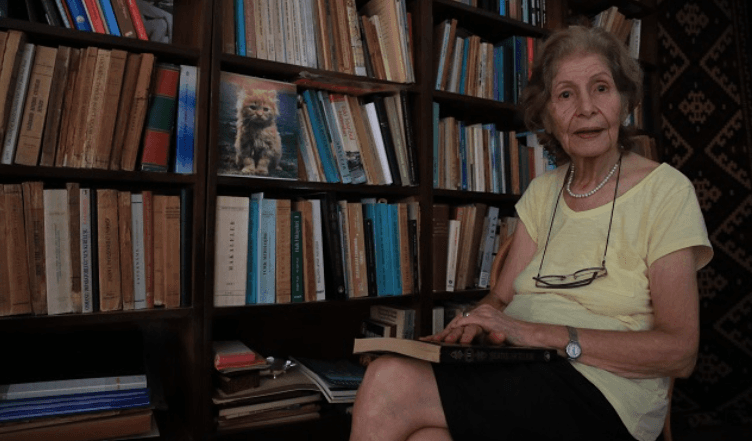
Günay KUT
Günay Kut is a scholar renowned for her academic contributions, educational identity, and intellectual perspective in the field of Turkology, having made significant contributions to the history of Türkiye’s culture and literature. Throughout her life, her passion for literature and cultural heritage, integrated into her scholarly work, has served as a source of inspiration for a broad audience of students. Childhood and Family Origins Günay Kut was born in Bayburt. Her father, a veterinarian fr
EN
Burak Enes
How Did Everything Begin on July 15?
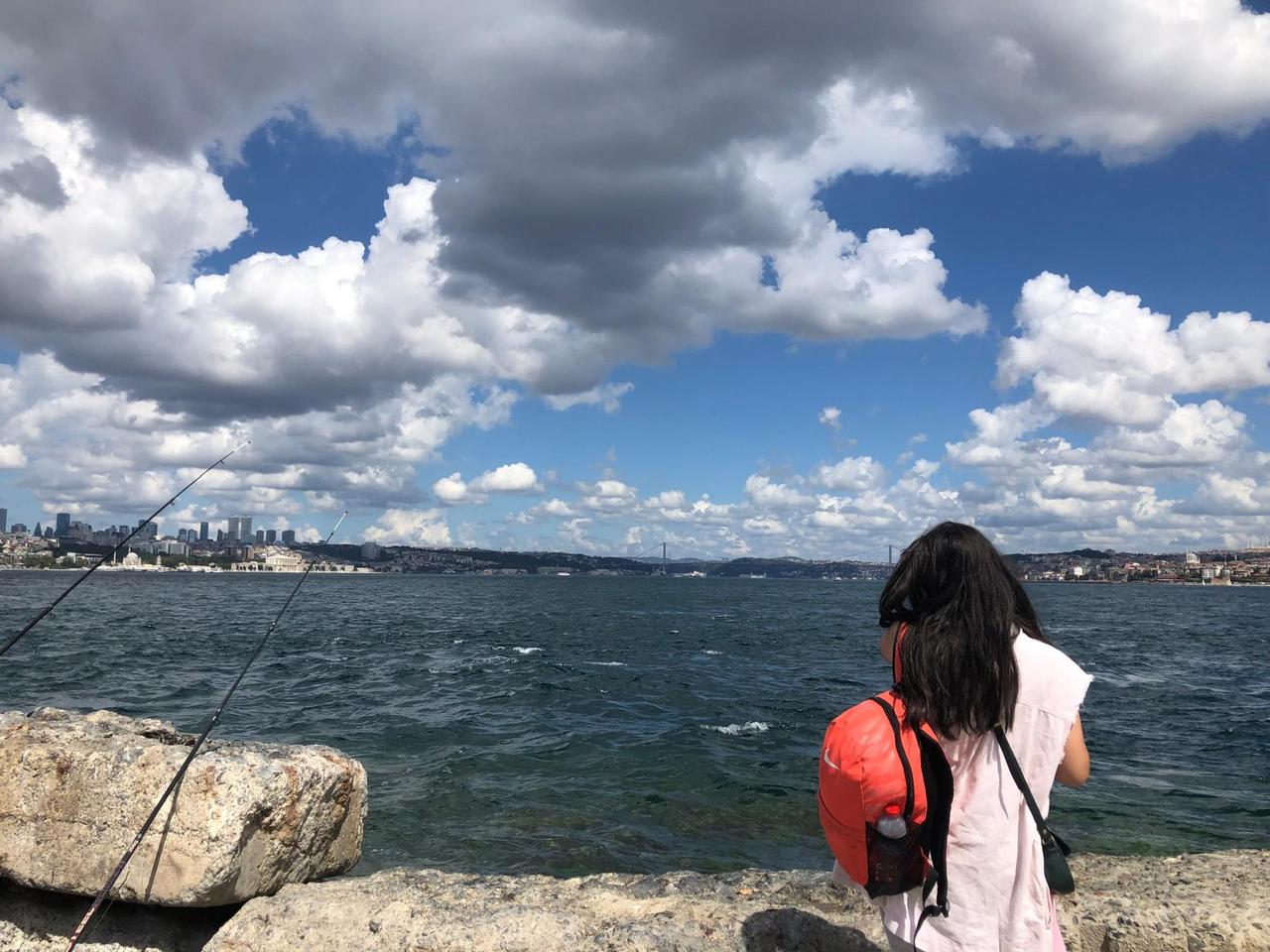
It was July 15, 2018. I was thirteen years old, not yet fourteen. Prishtina was hosting a march to commemorate the second anniversary of the July 15 coup attempt in Türkiye. Civilians had stood up to tanks that night, and many lives had been lost. The march was held to honor those martyrs and to keep democratic values alive. I was there with an NGO where I had been volunteering at the time. A Voice I had no expectations that day. I was simply there, present like the other volunteers, helping out
EN
Erblina Bunjaku
Light, Shadow, and Dream in Turkish Culture
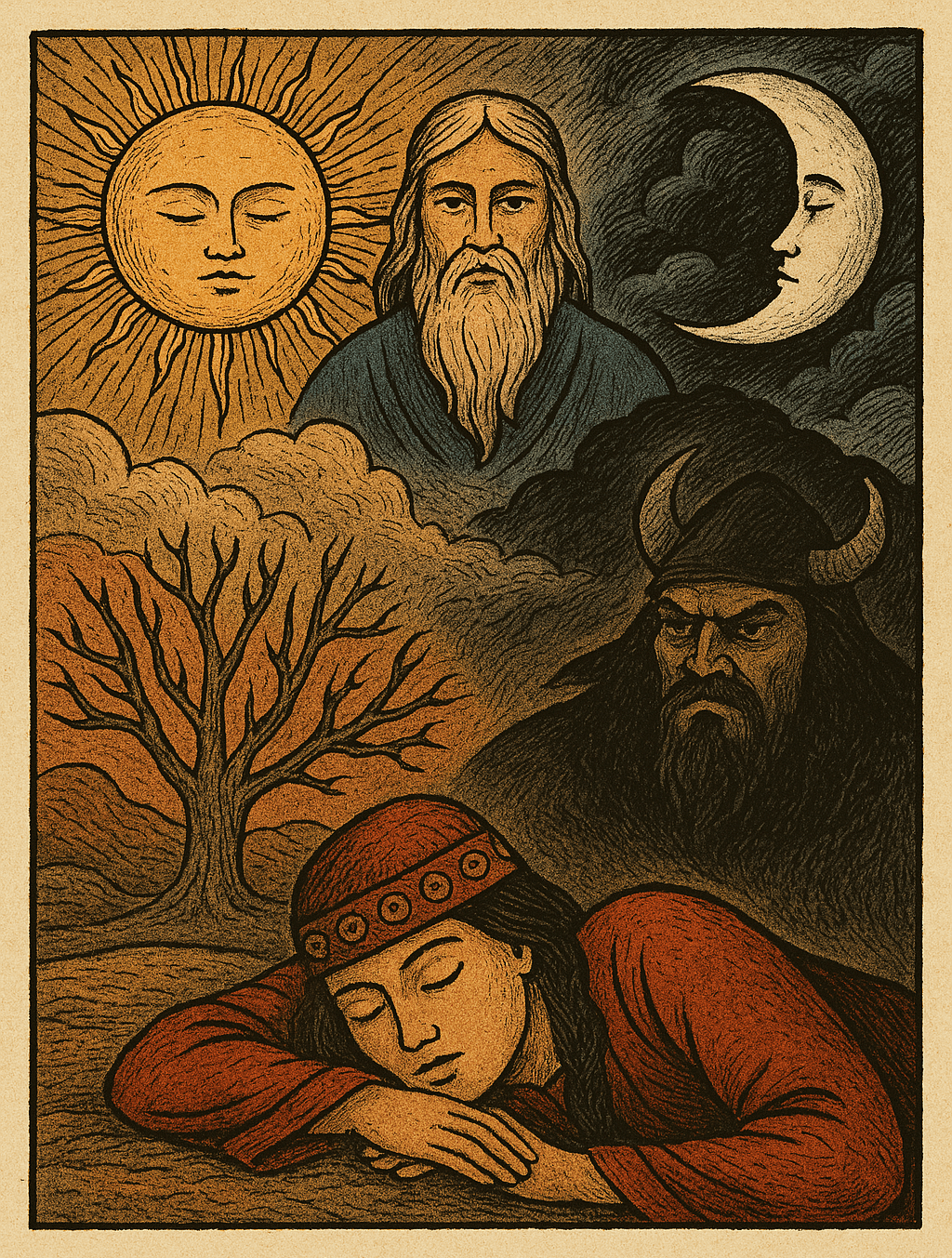
In Turkish culture, light, shadow and dream carry symbolic meanings in both art and daily life. These themes play a significant role in shaping social structures and individual consciousness by reflecting the depths of the human soul, societal beliefs and cultural values. Light, the relationship between shadow and dream, has been shaped by both historical and psychological dimensions. Light and Shadow: Contrasts and Balance In Turkish culture, light is generally regarded as a positive, illuminat
EN
Kübra Elçi
 Me
MeMetin Yurdanur Open-Air Sculpture Museum
The Metin Yurdanur Open-Air Sculpture Museum is an art space located in the Sivrihisar district of Eskişehir, Turkey. It holds the distinction of being the first open-air sculpture museum in Turkey. The museum consists of approximately 100 works created by sculptor Metin Yurdanur and was opened to visitors in 2011. These works feature figures reflecting Turkish culture and history, including prominent figures such as Atatürk, Kazım Karabekir, Nasrettin Hoca, and Yunus Emre, as well as social sym
EN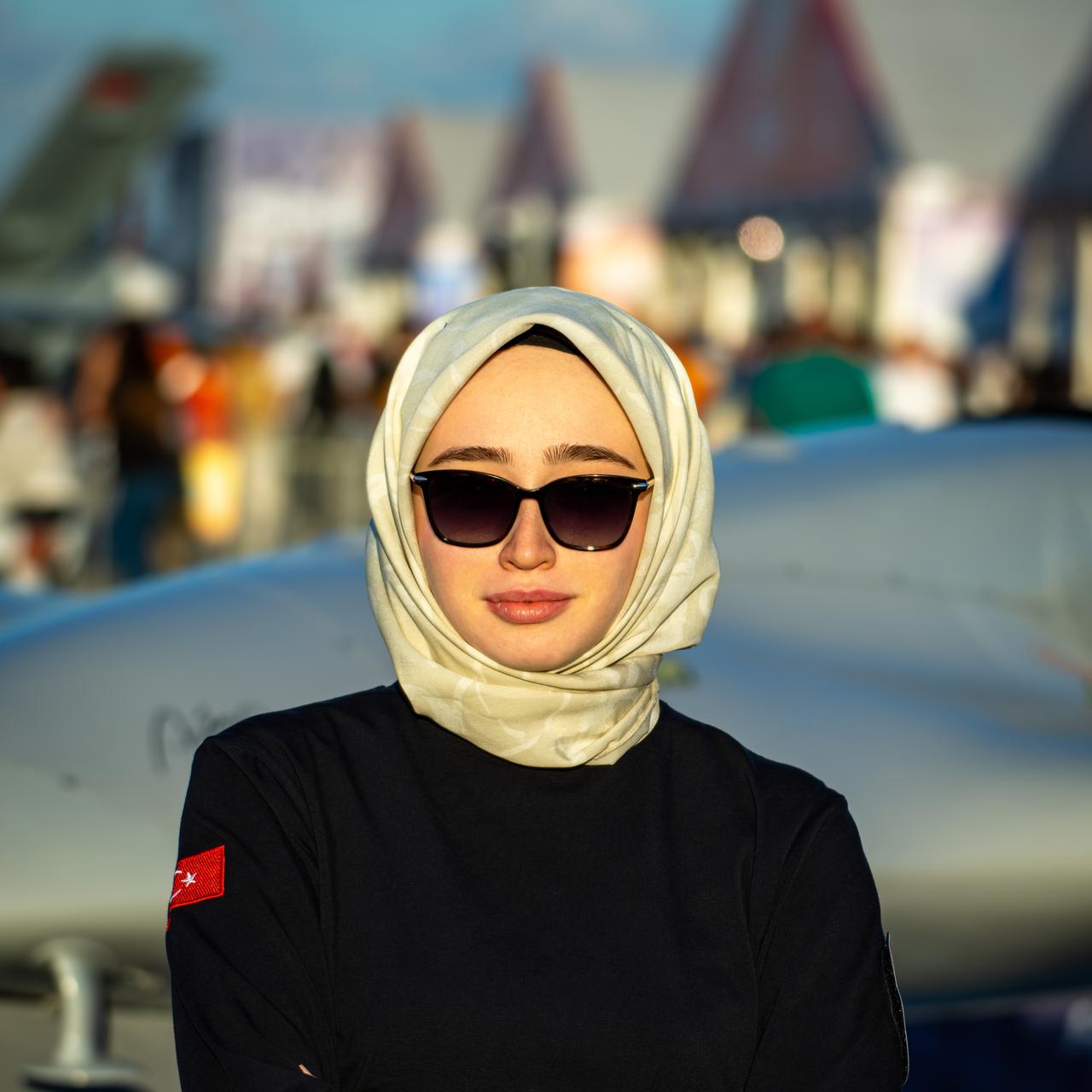
Sümeyra Uzun
Turkish Coffee
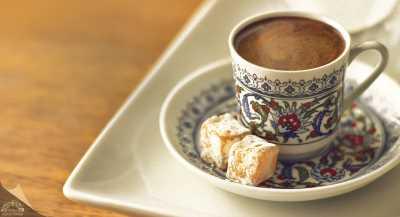
Turkish coffee is a beverage distinguished from other types of coffee by its unique aroma, foam, and sediment, made from roasted and finely ground beans of the coffee plant (Coffea arabica). It is typically served in small, single-handled cups, accompanied by water and Turkish delight. Although the coffee plant does not grow in Türkiye, Turkish coffee is differentiated by its distinctive grinding and brewing methods. Turkish Coffee (AA) " image-alternate="" image-element-format="right"> Histo
EN
Zelal Çakar