

`symbolism` Related Article Results
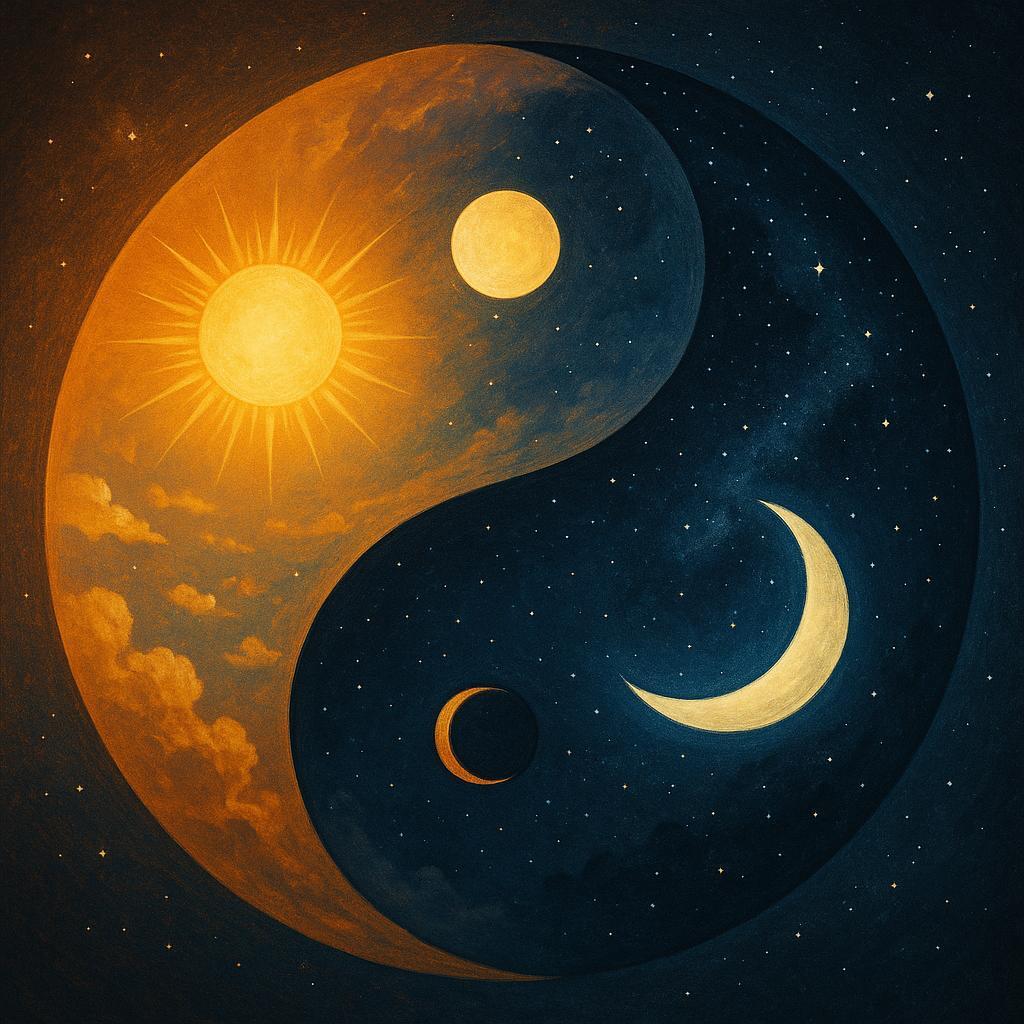
Yin-Yang Philosophy
Yin-Yang is an ancient Chinese philosophical concept that expresses the balance of opposing yet complementary forces underlying all existence and phenomena. This understanding is one of the foundational elements of a thought system that took shape particularly during the Warring States period (475–221 BCE) and became closely associated with Daoism. The Yin-Yang concept symbolizes the dualistic nature of the universe: opposites such as darkness and light, cold and heat, passive and active, femi
EN
Emine Erva Aydın
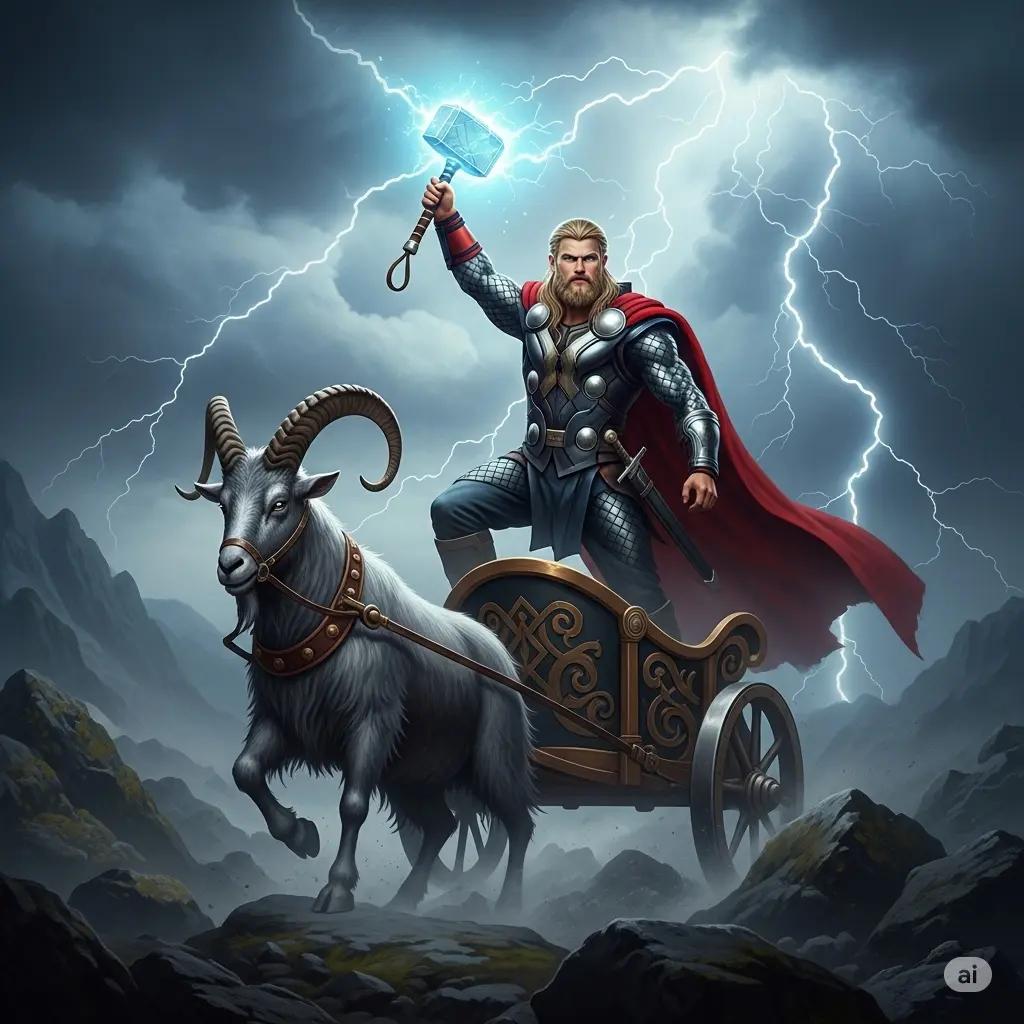
Thor's Hammer (Mjölnir)
Thor's hammer, known as Mjölnir in Old Norse, is the iconic weapon of the thunder god Thor in Norse mythology. Representing divine power, protection, and consecration, the hammer is a central element of Norse mythological narratives and a prominent symbol in the archaeological records of the Viking Age. Thor's Hammer (Artificial Intelligence Generated) " image-element-format="right" image-source="https://cdn.t3pedia.org/media/uploads/2025/06/15/funny994p7g67KZBlTxQaWGJIJzwgbt5.png"> Its Place
ENYunus Emre Yüce
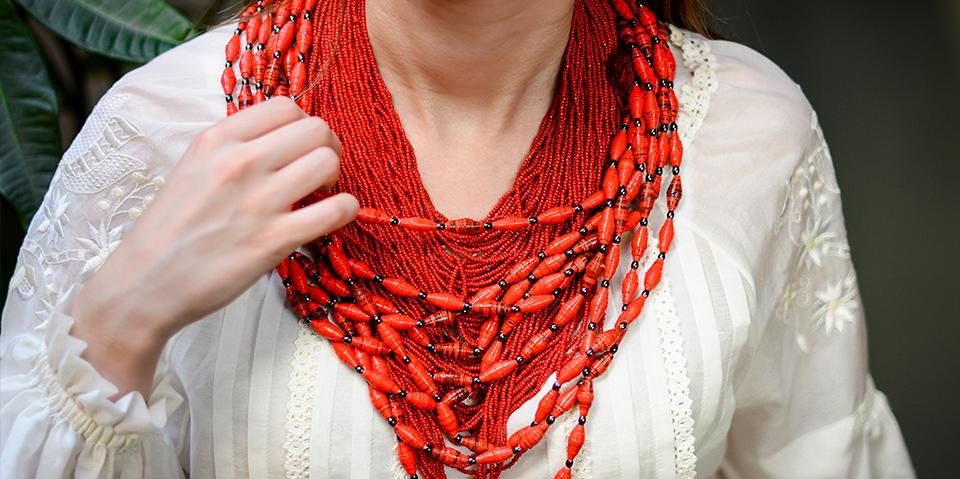
Ukrainian Necklace
The Ukrainian necklace, traditionally known as namysto, holds a prominent place within Ukrainian cultural heritage, functioning not merely as an ornamental accessory but as a significant symbol embedded with historical, social, and spiritual meanings. Its development and use reflect both regional diversity and the interplay of cultural influences throughout Ukraine’s history. Cultural Significance Historically, the Ukrainian necklace has served multiple social and symbolic roles. It often indica
ENYuliya Özgür
 Ri
RiRites of Passage
rites of passage (French: rites de passage) are a set of symbolic ceremonies that regulate, sanctify, and socially validate an individual’s or group’s transition from one social condition to another, from one status to another, or from one space to another. These rituals mark the biological and social turning points in human life. The individual life cycle typically consists of fundamental stages such as birth, maturation (entry into or transition to adulthood), marriage, and death, each accompa
ENYunus Emre Yüce
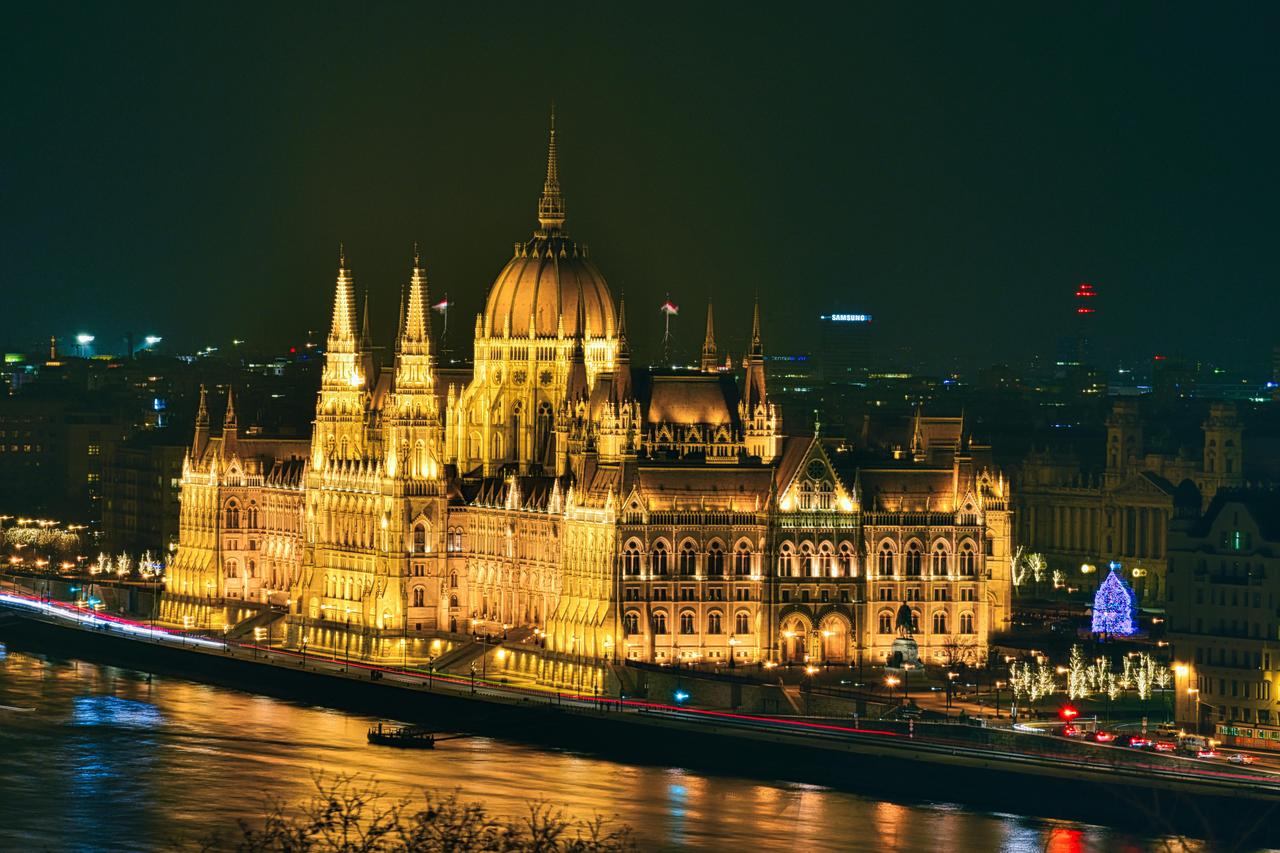
Hungarian Parliament Building (Országház)
The Parliament Building of Hungary (Országház), located on the Pest side of the Danube River in the capital city of Budapest, is the center of the country’s political life and one of Europe’s most significant architectural landmarks. History and Construction Process Construction of the Hungarian Parliament Building (Országház) began in 1885 and lasted exactly 17 years, with the structure completed and opened for use in 1902. The late 19th century was a period during which Hungary strengthened it
EN
Nursena Şahin
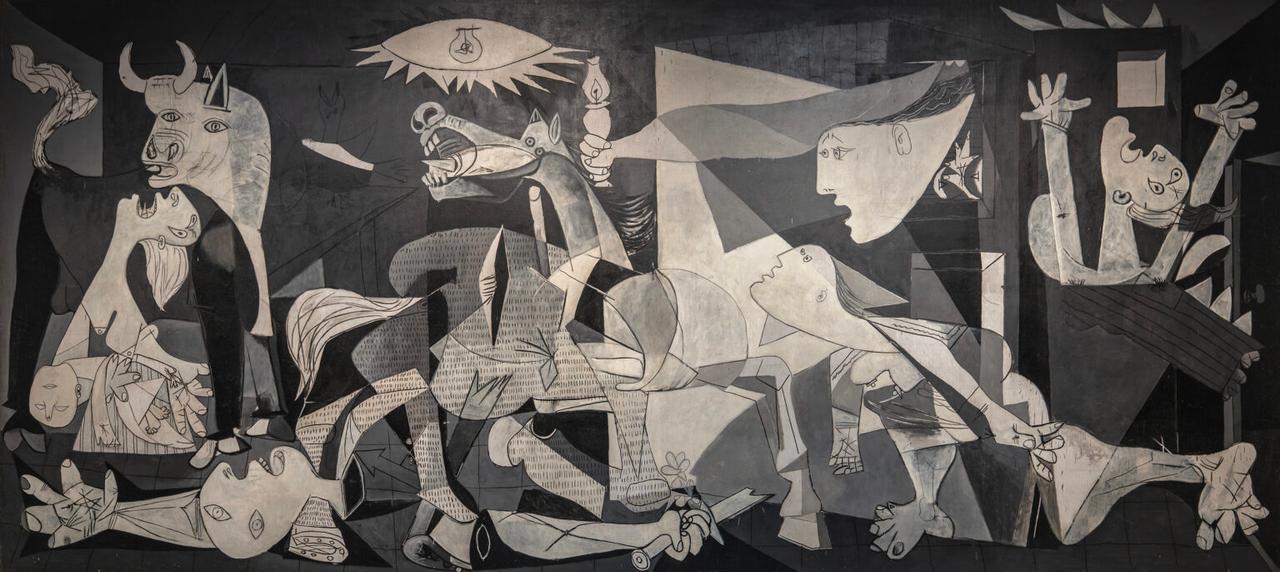
Guernica (Painting)
Guernica, Spanish painter Pablo Picasso created in 1937. The painting depicts the destruction of the Basque town of Guernica, which was bombed on 26 April of the same year by the air forces of Nazi Germany during the Spanish Civil War. The work is regarded as one of the artist’s most important statements of political commitment. Creation Process The Spanish Republican Government commissioned Picasso to create a special work for the Spanish Pavilion at the 1937 Paris World’s Fair. After learning
EN
Miray GÜR
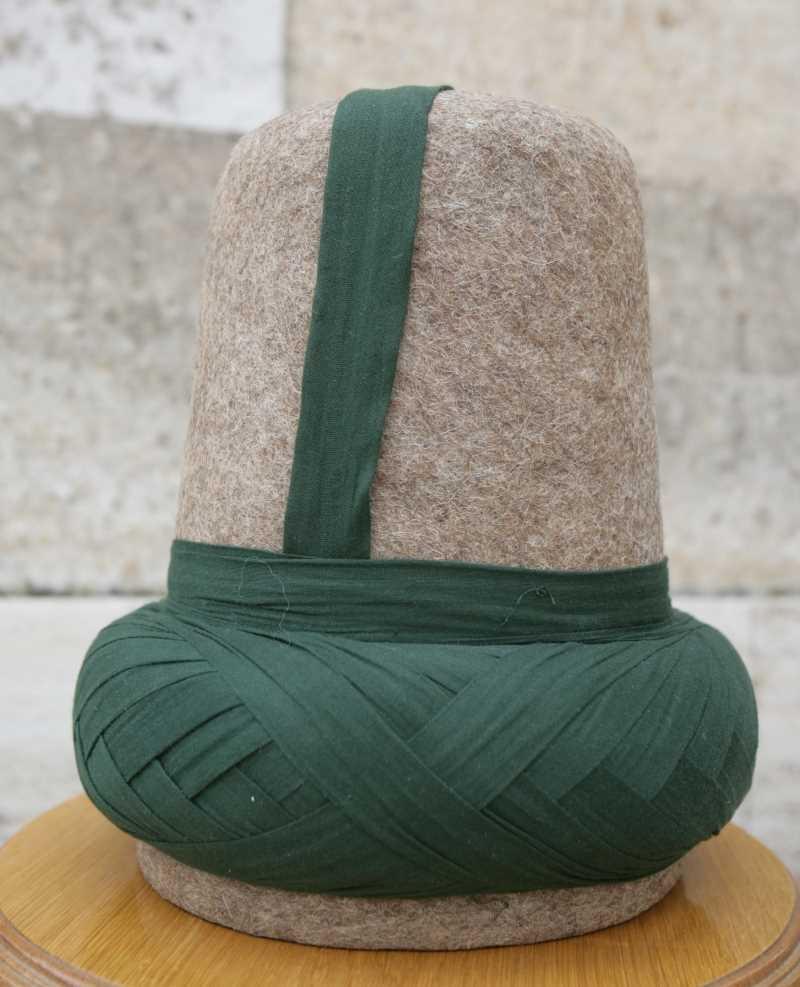
Destar
Destar; a term referring to thin fabrics such as muslin or fine cloth wrapped over headgear like fezzes, sikke, or kavuk. Literally meaning "wrapping" or "head covering," the destar in Ottoman social structure and especially within Sufi tradition was not merely an ordinary garment element; it became a powerful symbol representing an individual’s social status, scholarly rank, position within the order, and spiritual station. Physical Characteristics, Structure, and Material The primary material
EN
Kadriye Beyza Kirenci
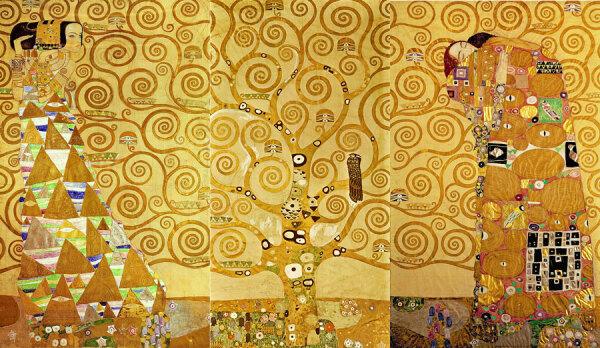
Tree of Life (Painting)
The Tree of Life (The Tree of Life), is the central panel of the Stoclet Frieze, designed by Gustav Klimt for the dining room of the Palais Stoclet in Brussels, Belgium. The work is regarded as one of the most comprehensive examples of modern mosaic art from the period, associated with movements such as surrealism and magical realism. The frieze was produced using the inlaid marble technique and is considered a masterpiece of applied art. The dining room, where Josef Hoffmann’s architecture, Kli
EN
Cemile YAKAÇ
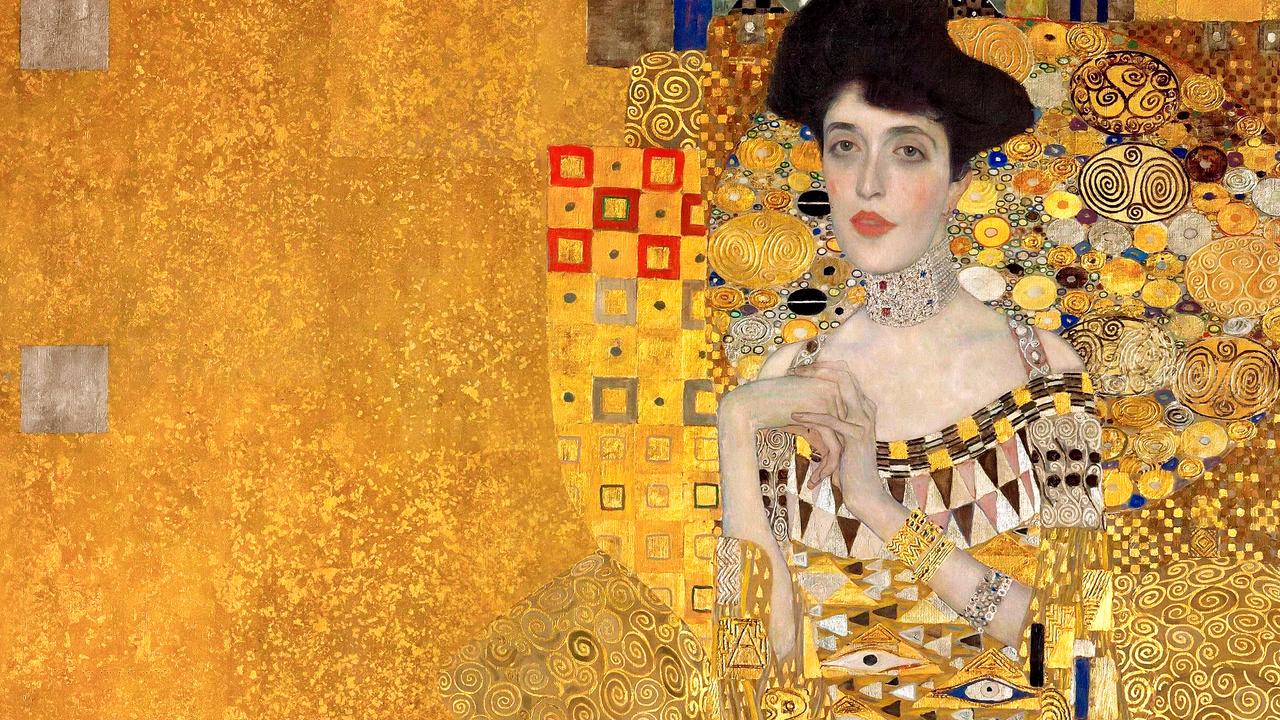
Gustav Klimt
Gustav Klimt is an Austrian painter born in 1862 in Baumgarten near Vienna. Klimt, one of the founding members of the Vienna Secession movement, emerged as one of the most notable representatives of figurative painting during the late 19th and early 20th centuries. His works, which attracted the attention of both art circles and the public, continued to draw interest in the international art market after his death; masterpieces such as The Kiss, Beethoven Frieze and Bauerngarten have become cult
EN
Nazlı Kemerkaya
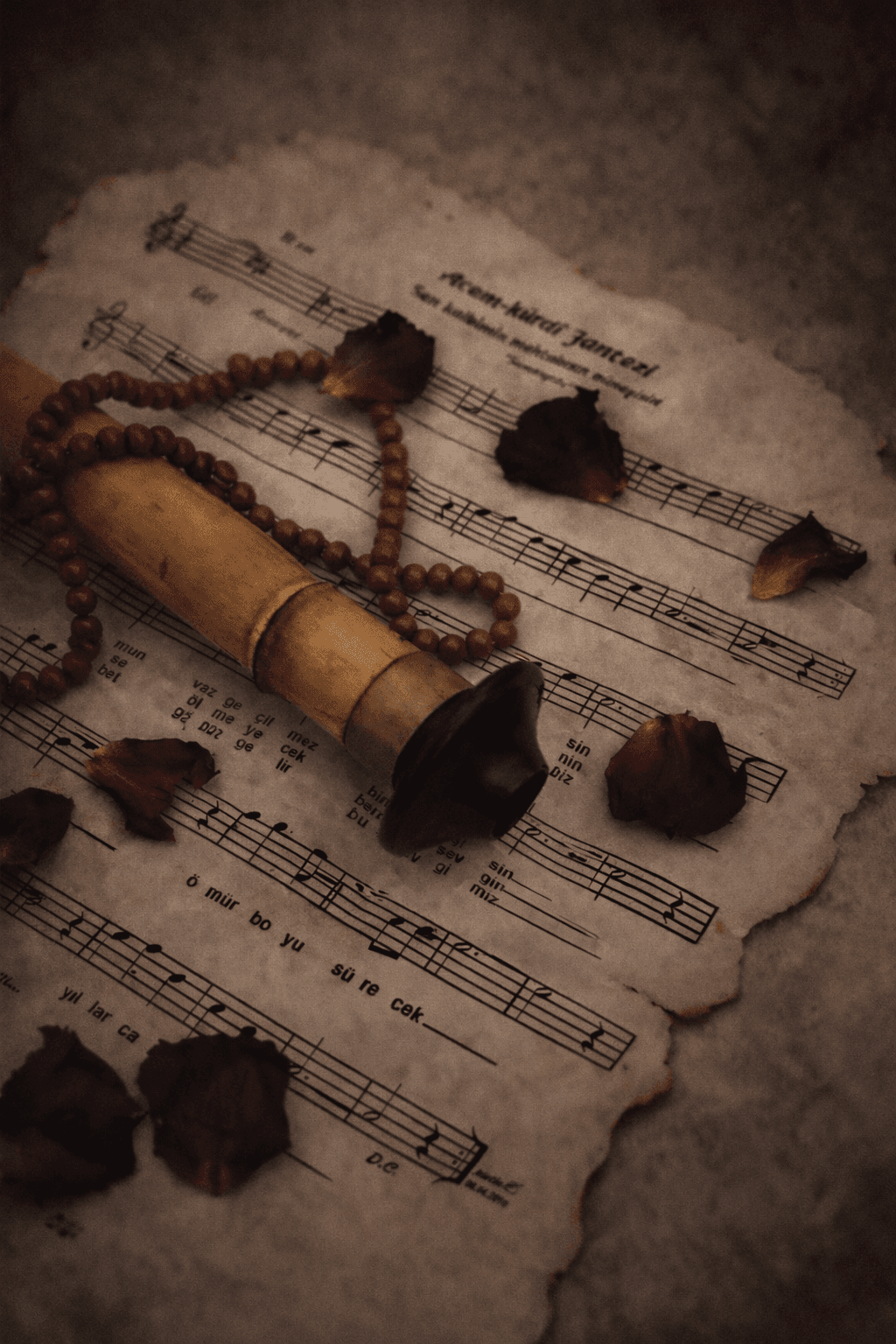
Understanding Mevlana: A Journey Through Symbols
Mevlânâ’s world views symbols as doorways to truth. In this article, we will explore his symbolic language in simple terms, particularly through the ney and his understanding of human nature. What Is a Symbol and Why Is It So Important? A symbol is when one thing represents another. We do this even in daily life. For example, a heart shape conveys “love,” and the color white evokes a feeling of “purity.” Symbols have long existed in Islamic thought. For instance, the ritual of stoning the devil
EN
Amine Sevde Özcan