

`religious-traditions` Related Article Results
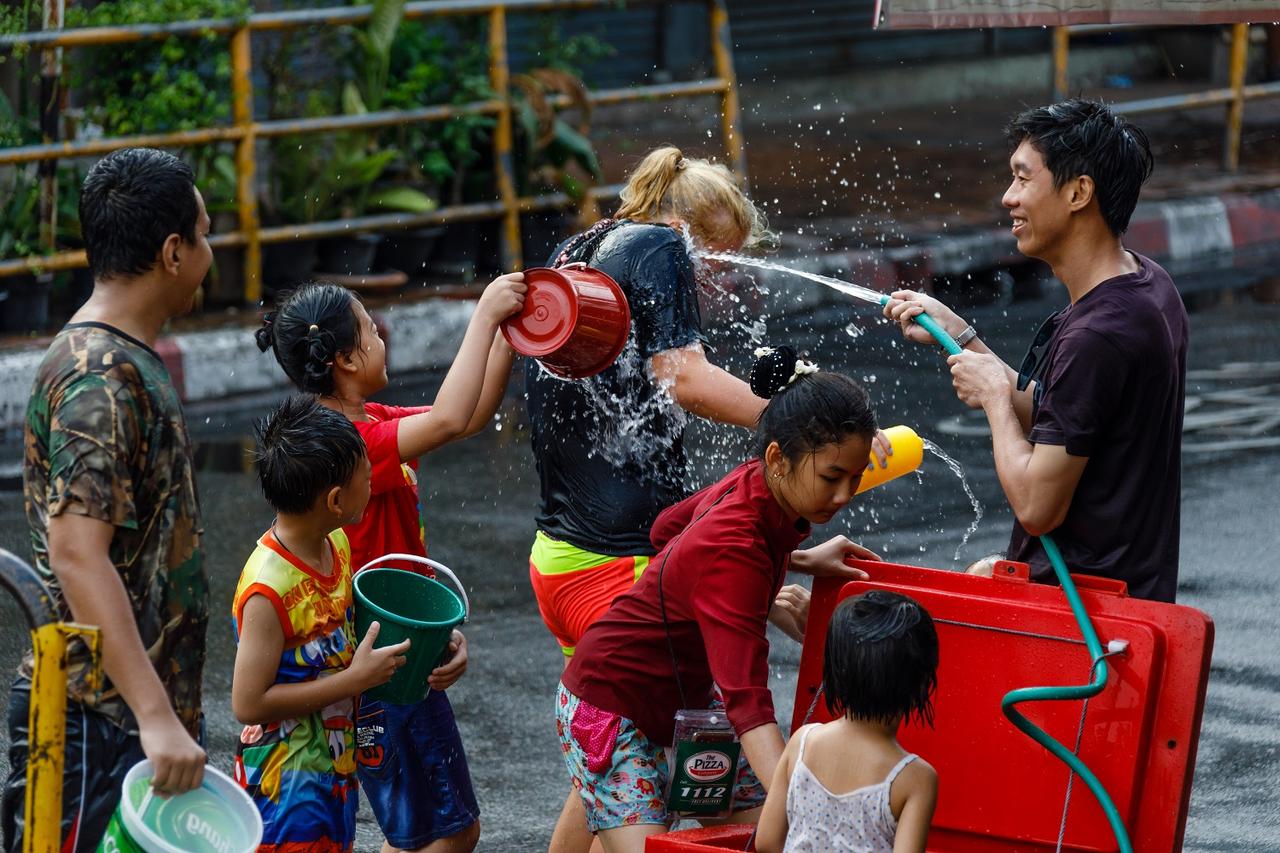
Songkran Festival (Traditional Thai New Year)
Songkran is a festival that symbolizes the traditional beginning of the New Year in the Thai calendar and is regarded as one of the country’s most important cultural events. The name of the festival derives from the Sanskrit word “Sankranti,” which fundamentally means “to move,” “to proceed,” or “a transition.”Thailand NOW, ‘’Maha Songkran Festival 2025’’, Thailand NOW, son erişim tarihi: 29 Ekim 2025, https://www.thailandnow.in.th/event/songkran-festival/ ">【1】 Astrologically, this transitio
EN
Nursena Şahin
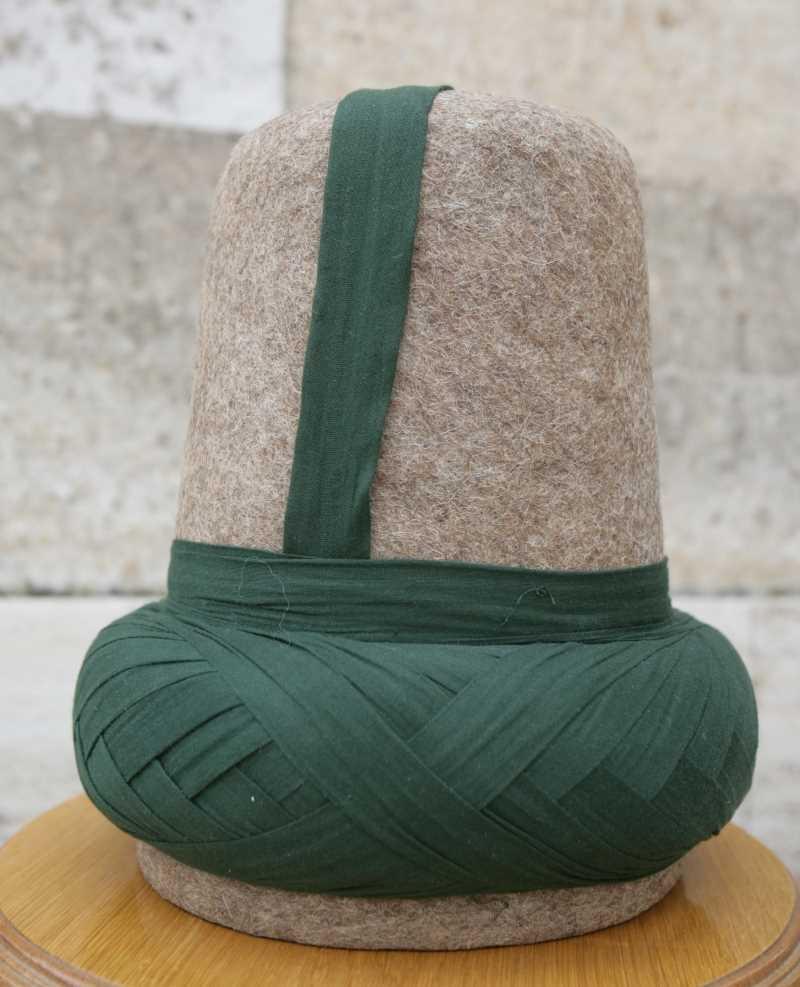
Destar
Destar; a term referring to thin fabrics such as muslin or fine cloth wrapped over headgear like fezzes, sikke, or kavuk. Literally meaning "wrapping" or "head covering," the destar in Ottoman social structure and especially within Sufi tradition was not merely an ordinary garment element; it became a powerful symbol representing an individual’s social status, scholarly rank, position within the order, and spiritual station. Physical Characteristics, Structure, and Material The primary material
EN
Kadriye Beyza Kirenci
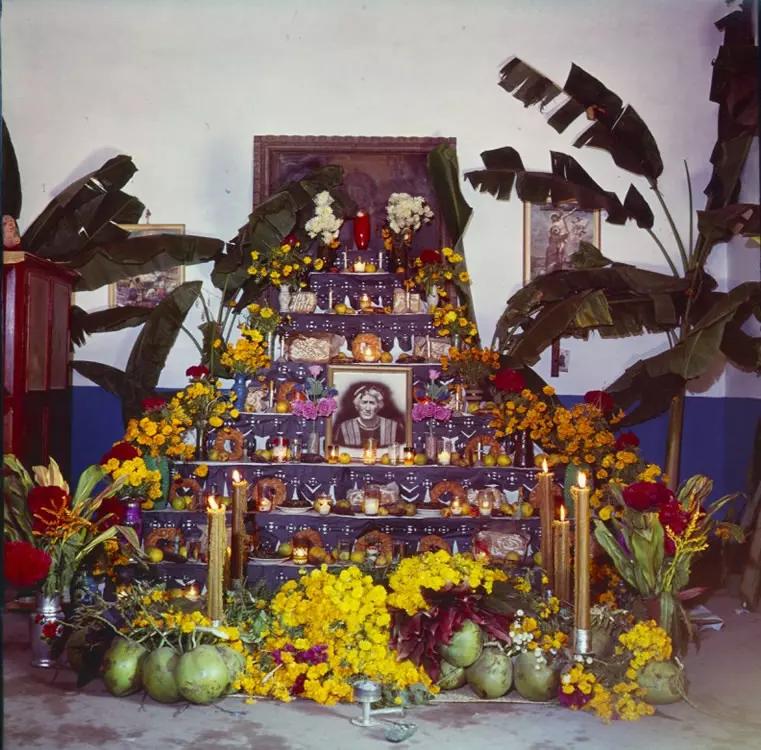
Day of the Dead (Día de los Muertos)
Day of the Dead (Spanish: Día de los Muertos) is a traditional cultural and religious holiday observed in various regions of Latin America, especially Mexico, dedicated to honoring deceased family members and ancestors. Celebrated annually on November 1 and 2, the festivities are based on the belief that the souls of the deceased return briefly to the world of the living. The holiday is known for its colorful rituals that emphasize the continuity of life, family bonds, and intergenerational memo
ENNursena Şahin
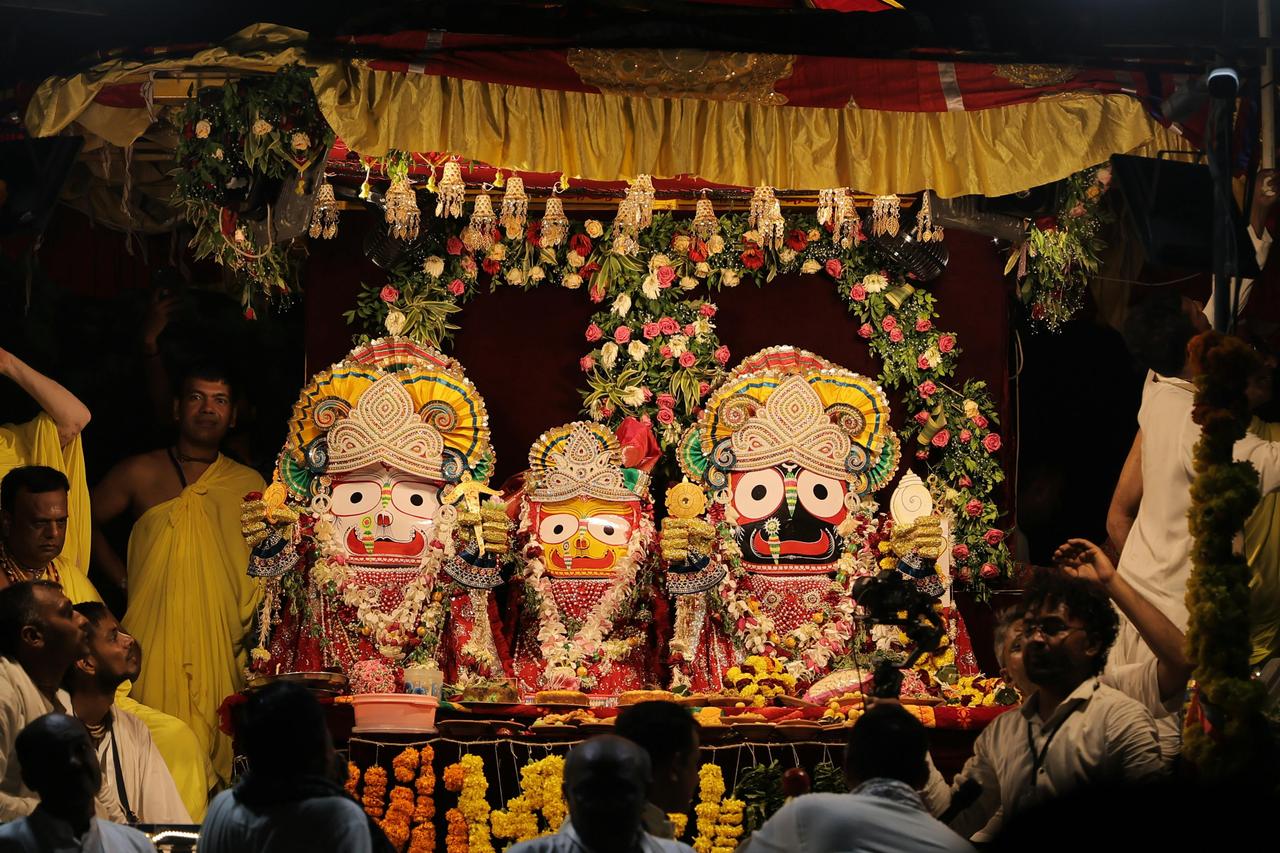
Rath Yatra Festival
Rath Yatra is a religious festival of great significance in Hindu culture, commonly known as the "chariot procession." Its origins trace back to the Jagannath Mandir in the city of Jagannath Puri, located in the Odisha state of eastern India. The festival involves the ceremonial transportation of the sacred wooden idols of the Hindu deities Lord Jagannath (an incarnation of Shri Krishna), his brother Balaram, and his sister Subhadra, placed on elaborately decorated chariots (rath), through the s
ENNursena Şahin
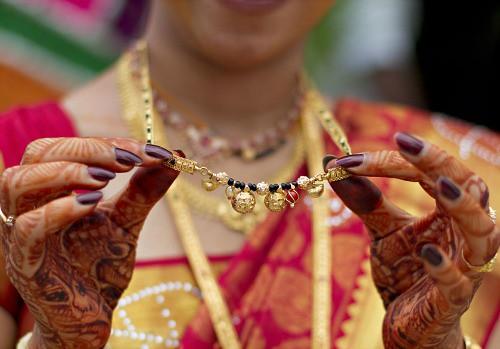
Mangalsutra
Mangalsutra is a traditional ornament symbolizing the marital status of a woman in Hinduism. In Hindu Dharma, it is regarded as the soubhagyalankar (ornament of marital status) and its placement around the bride’s neck by the groom during the wedding ceremony is obligatory. Times of India, “A guide to mangalsutras worn across the country,” Times of India, 18 Mart 2016, erişim 26 Kasım 2025, https://timesofindia.indiatimes.com/life-style/fashion/buzz/a-guide-to-mangalsutras-worn-across-the-count
ENNursena Şahin