

`ottoman-culture` Related Article Results
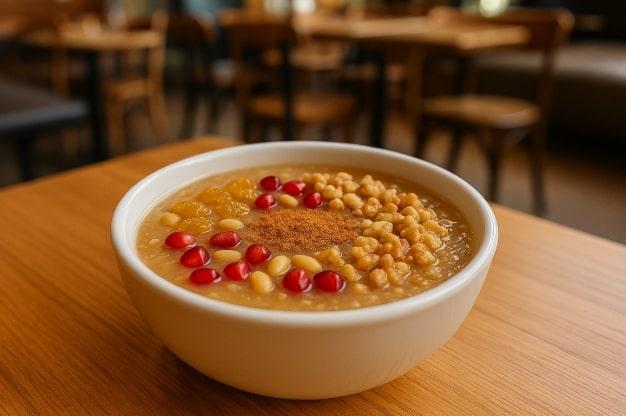
Aşure
Aşure is recognized as a traditional dessert across the Türkiye region, including Middle East and Balkans, with important cultural roots. This sweet, carrying both religious and social significance, is prepared during a specific period of the year, particularly on the tenth day of the Islamic lunar month of Muharram, and distributed for communal sharing. Aşure has been preserved for centuries as a multi-layered cultural symbol shaped by literature and belief systems. History and Origins The sacr
EN
Meryem Betül Kaya
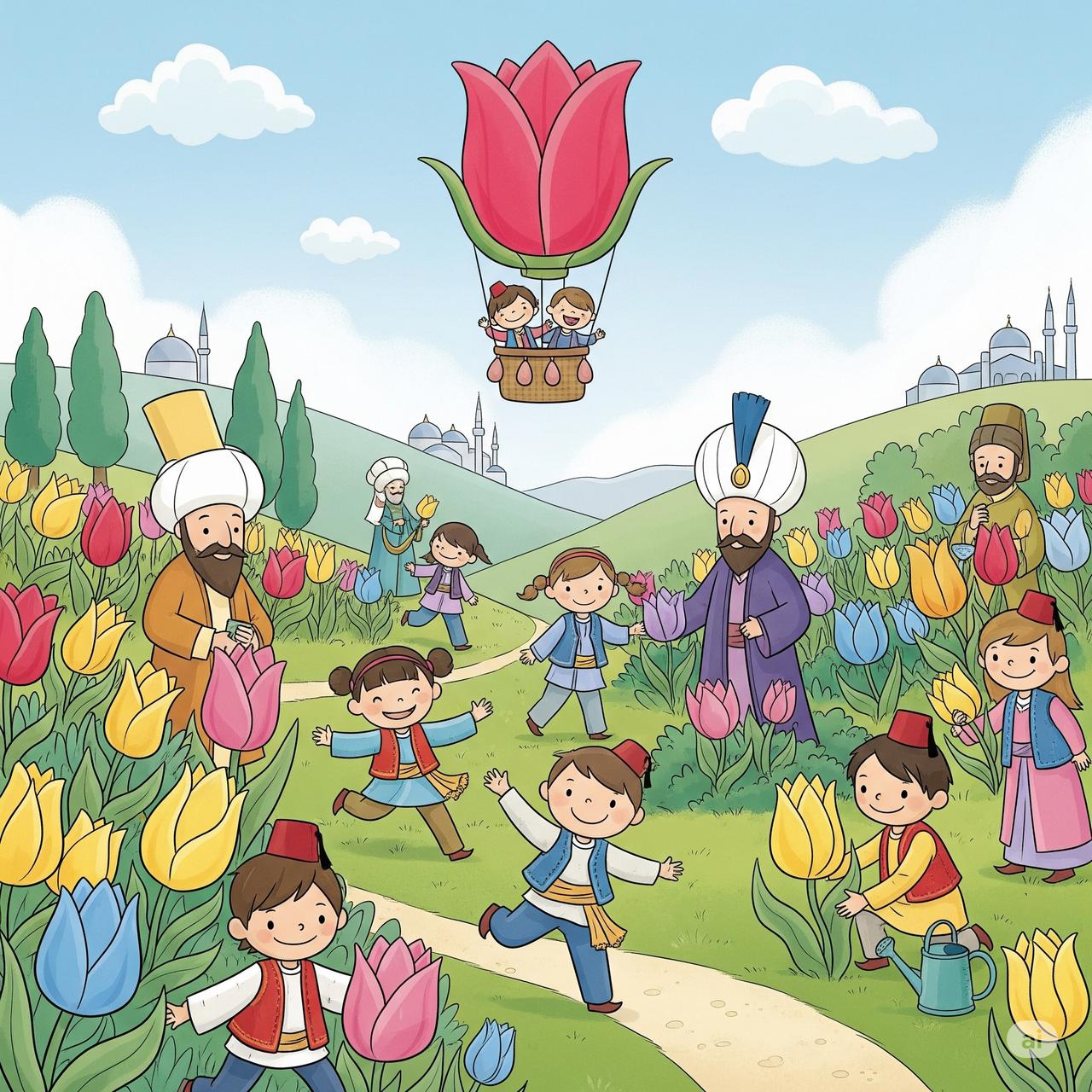
Tulip Era
Once, a unique era unfolded in the Ottoman Empire, a time that warmed the hearts of all, centered around the colorful tulips. This period is known as the Tulip Era! During this time, people lived in peace and enjoyed days filled with art, entertainment, and innovation. What Is the Tulip Era? Why Was It Named After the Tulip in the Ottoman Context? The Tulip Era refers to the period in the Ottoman Empire between 1718 and 1730. The name derives from the tulip, a flower deeply cherished in Istanbul
EN
Sıla Kayacik
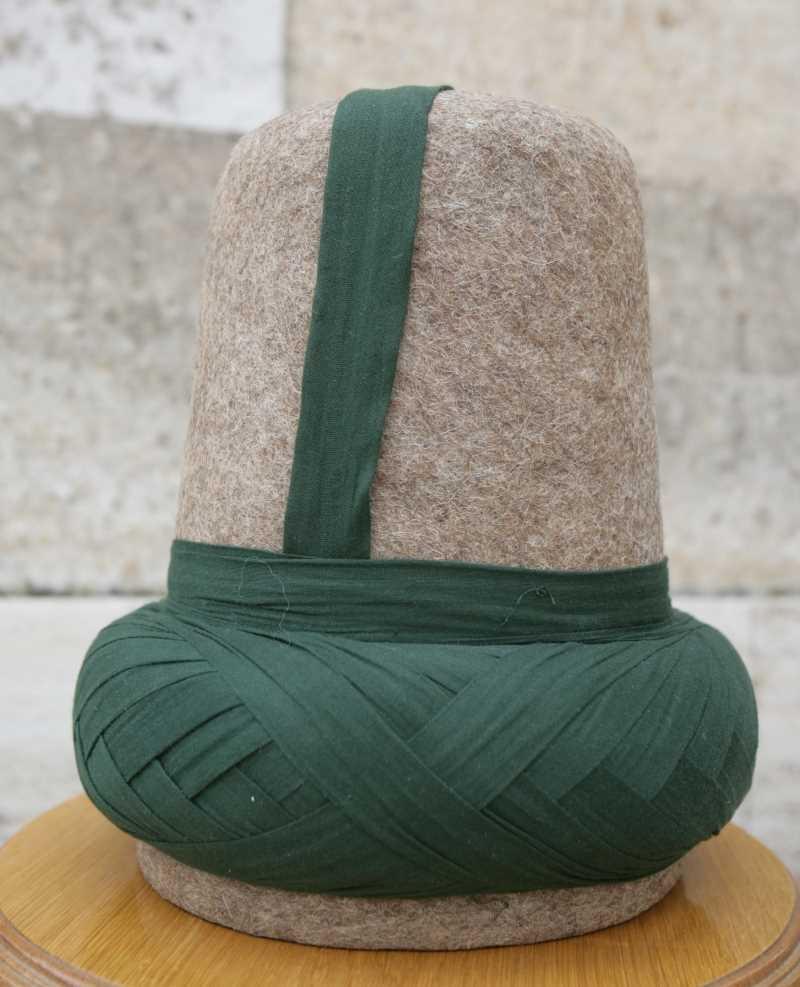
Destar
Destar; a term referring to thin fabrics such as muslin or fine cloth wrapped over headgear like fezzes, sikke, or kavuk. Literally meaning "wrapping" or "head covering," the destar in Ottoman social structure and especially within Sufi tradition was not merely an ordinary garment element; it became a powerful symbol representing an individual’s social status, scholarly rank, position within the order, and spiritual station. Physical Characteristics, Structure, and Material The primary material
EN
Kadriye Beyza Kirenci
 Du
DuDurub al-Masal al-Osmaniyye (Book)
Durûb-ı Emsâl-i Osmâniyye is a comprehensive work compiled by the 19th-century Ottoman intellectual Şinâsi, written in Ottoman Turkish and containing proverbs and idioms. Notable for its literary, linguistic, and folkloric characteristics, this compilation uniquely documents both the variety of usage of proverbs and idioms and their presence in written sources. The edition presented to contemporary readers and researchers was prepared by Professor Dr. Süreyya Beyzadeoğlu and published under the
EN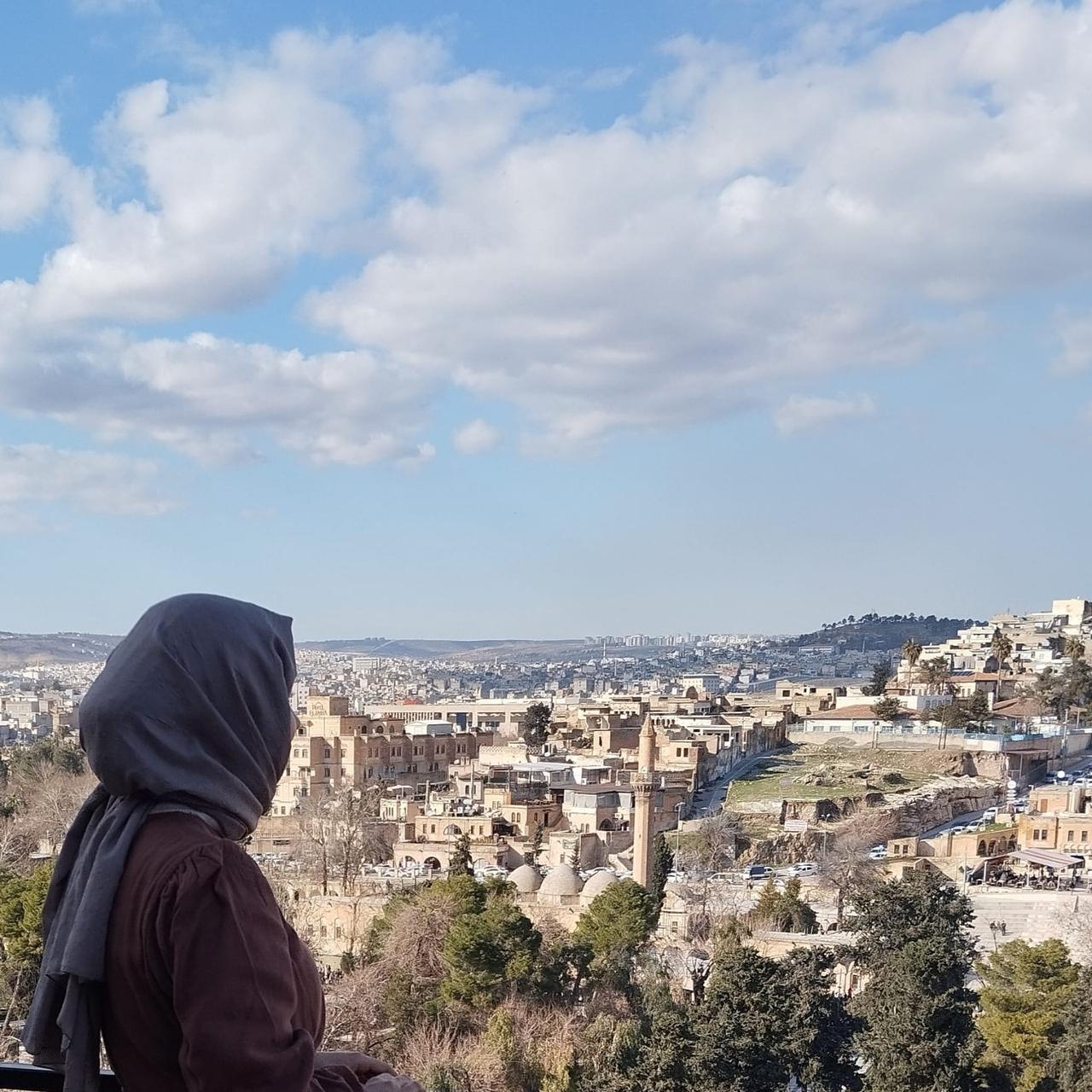
Sevgi Kıraç
Devshirme System
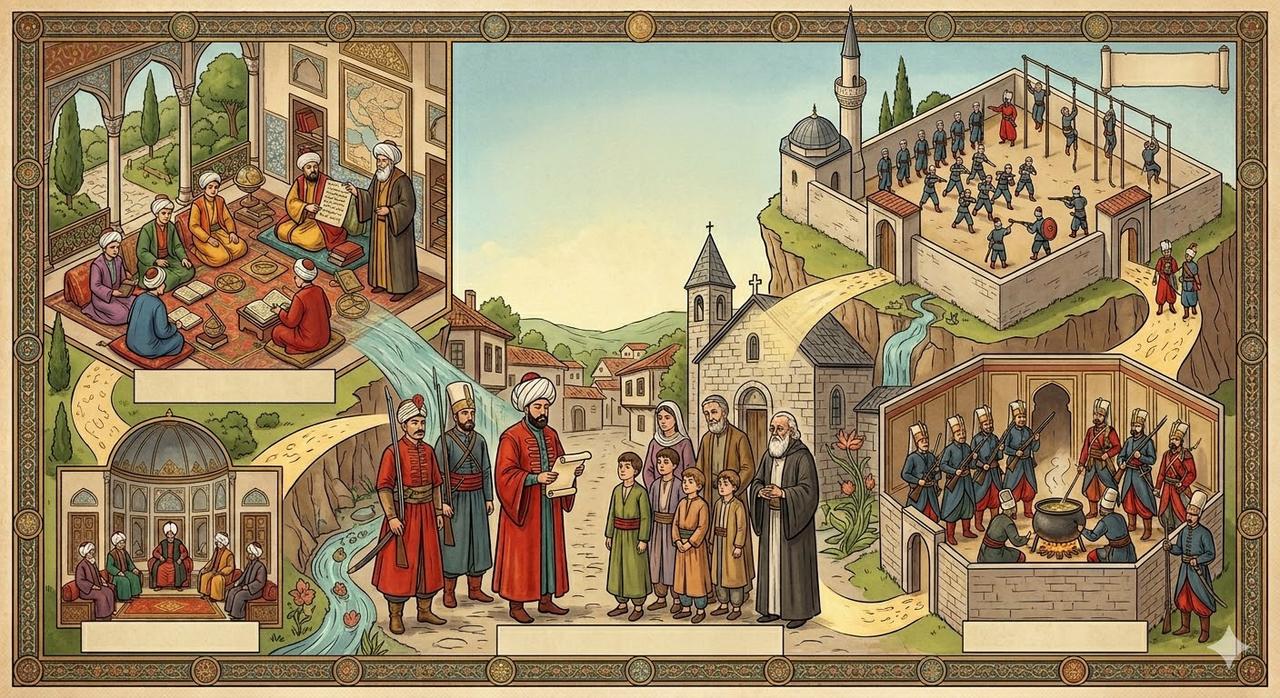
Have you ever wondered how the Ottoman Empire remained so powerful for such a long time? One of its most important secrets was the Devşirme System, which trained talented children from all corners of the world to become heroes. Let’s explore how this fascinating process worked! Devşirme sistemini temsil eden görsel (Yapay zeka ile oluşturulmuştur) " image-element-format="right" image-height="559" image-source="https://cdn.t3pedia.org/media/uploads/2026/06/13/QlynQhJbjShad0u3bye02nV4yZNKa9jf.jpg"
EN
Tülin Kara
The Temcid Tradition in the Ottoman Empire
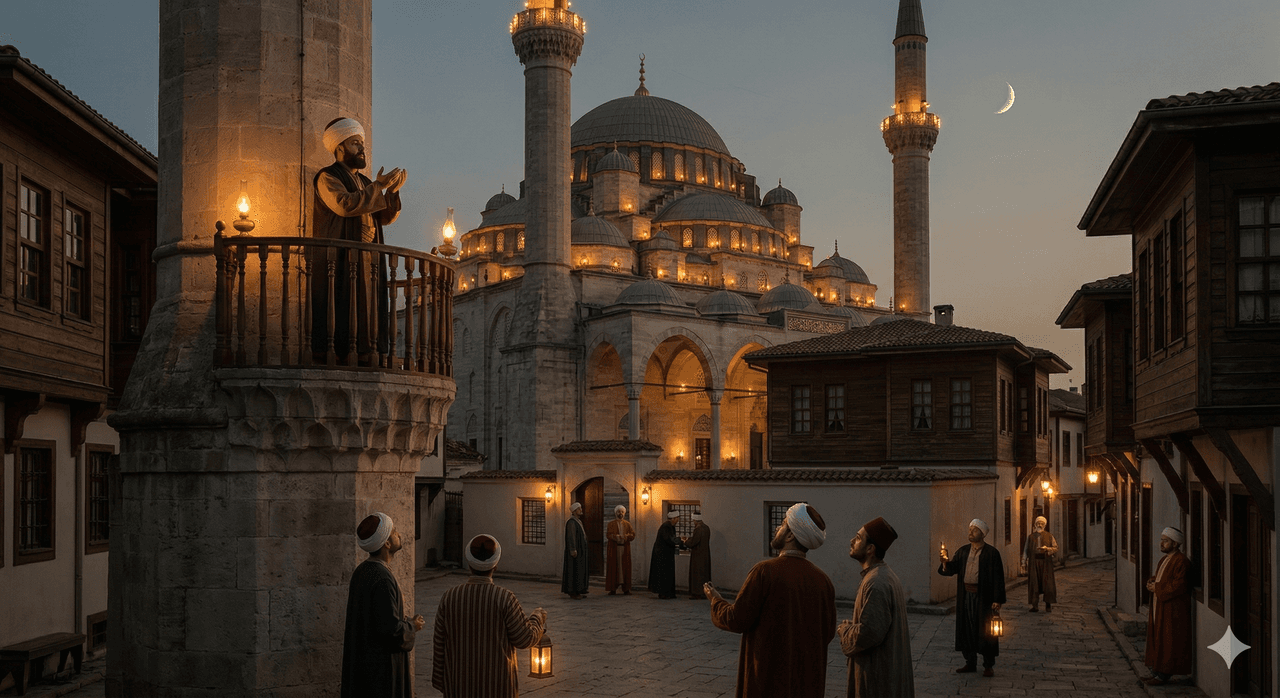
Temcid is a form in Turkish religious music that, in its lexical meaning, conveys the notions of “to honor and exalt, to acclaim”; it encompasses prayers, supplications, and Allah’s invocations performed independently of the call to prayer from the minarets, including münâcâtları.【1】 This practice, found among Cami mûsikîsi traditions, is performed solo or collectively by müezzins or zâkirler, particularly during the three holy months and especially during Ramazan at the pre-dawn hours of sahur.
EN
Emirhan Polat