

`dervish` Related Article Results
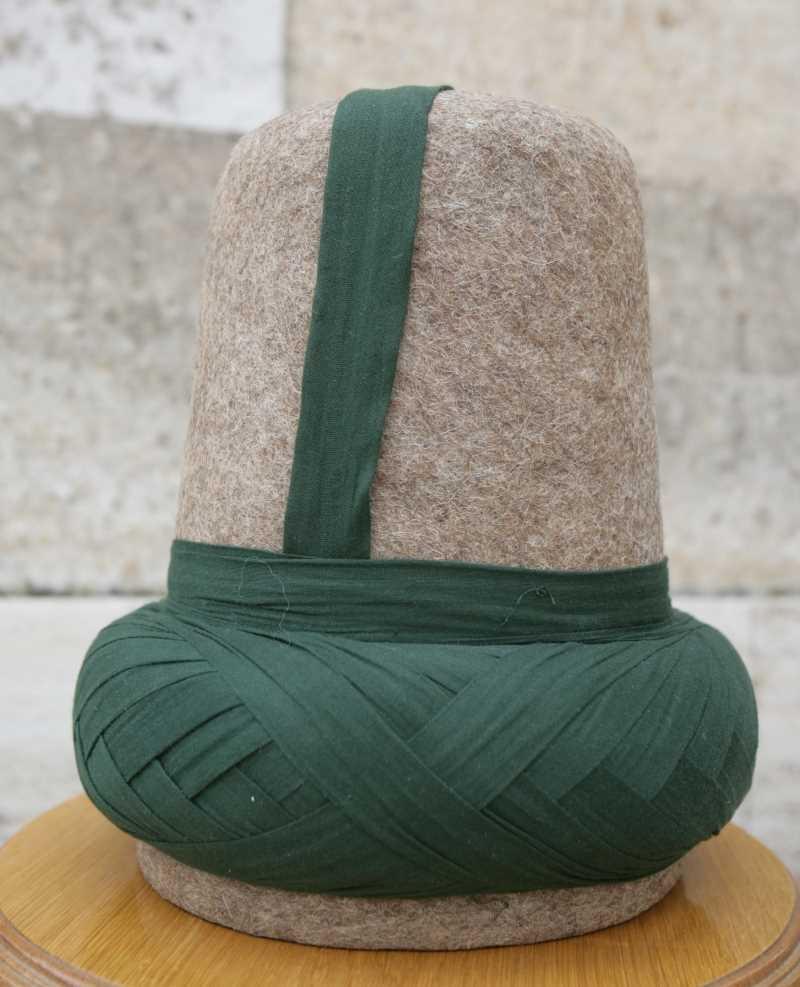
Destar
Destar; a term referring to thin fabrics such as muslin or fine cloth wrapped over headgear like fezzes, sikke, or kavuk. Literally meaning "wrapping" or "head covering," the destar in Ottoman social structure and especially within Sufi tradition was not merely an ordinary garment element; it became a powerful symbol representing an individual’s social status, scholarly rank, position within the order, and spiritual station. Physical Characteristics, Structure, and Material The primary material
EN
Kadriye Beyza Kirenci
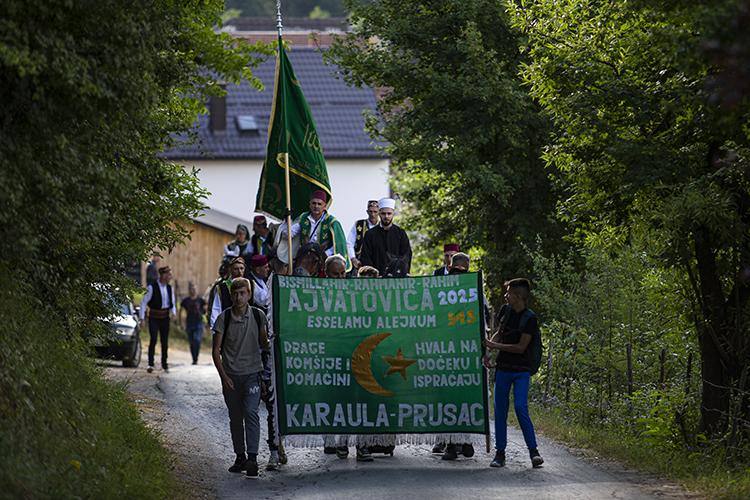
Ayvaz Dede Festivals
Ayvaz Dede Festivals (Ajvatovica), Bosnia and Herzegovina, are a religious and cultural event held to commemorate Ayvaz Dede. The festivals take place annually on the last Sunday of June, near the town of Prusac (Akhisar), within the Donji Vakuf Municipality of Bosnia and Herzegovina. Activities include collective processions, visits, prayers, worship, and traditional rituals. 512th Ayvaz Dede Festivals in Bosnia and Herzegovina (TRT News) " youtube-video-element-format="right" youtube-video-id=
EN
Nursena Güller
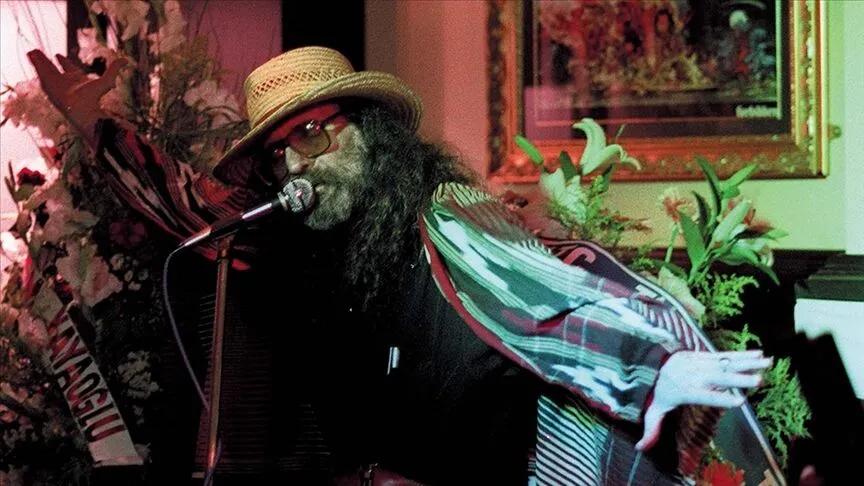
The Dervish of Rock Music: Cem Karaca
When we cry, laugh, or feel sorrow, the voice that has always been beside us is that of the 20th–21st century dervish Cem Karaca. Would you like to take a closer look at him alongside Barış Manço? After reading about Barış Manço, I wanted to embark with you on a deep journey into the life of Cem Karaca, one of the most unique figures in Turkish music. He was a true "Anadolu rock poet," blending the thousand-year breath of Anatolia with the tones of rock. Entering the Heart of Art: Toto and Mehme
EN
Gözde Cabadak