

`traditional-clothing` Related Article Results
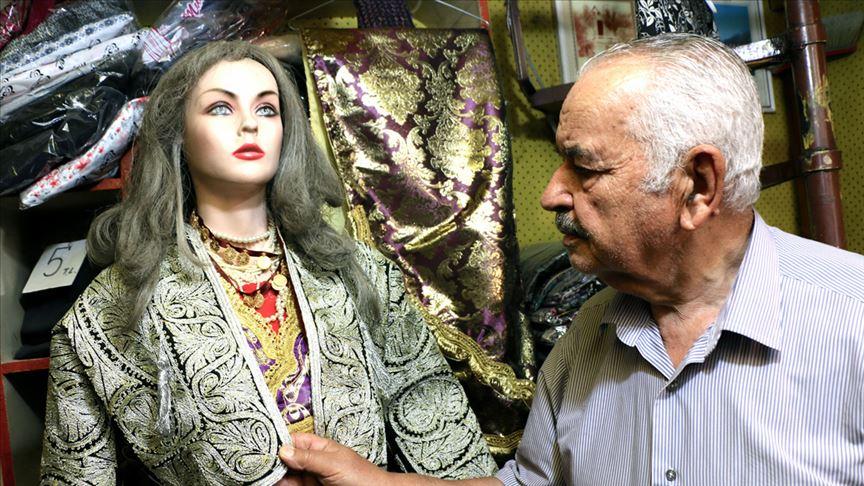
Sivrihisar Sarkası
Sivrihisar sarkası is a traditional garment produced in the Sivrihisar district of Eskişehir province, crafted on wool, cotton, velvet, or sof fabric using embroidery techniques with sequins, metallic thread, beads, and paillettes in a cepken style. Product Profile and Geographical Indication Type Sivrihisar sarkası belongs to the category of handcrafted products. It has been registered by the Turkish Patent and Trademark Office as a "mahreç işareti". A mahreç işareti identifies a product that i
EN
Caner Sefa Koçyiğit
 Ha
HaHanbok
Hanbok (한복) is a traditional garment of Korea, historically worn both in daily life and on special occasions. Worn by women, men, and children, hanbok is not merely clothing but a cultural heritage that embodies the symbolic, aesthetic, and functional dimensions of Korean culture. It is especially preferred by Korean families during ceremonies such as holidays and memorial days. The historical origins of hanbok extend back to Korea’s Three Kingdoms period (57 BCE – 668 CE). From this era onward,
EN
Yahya B. Keskin
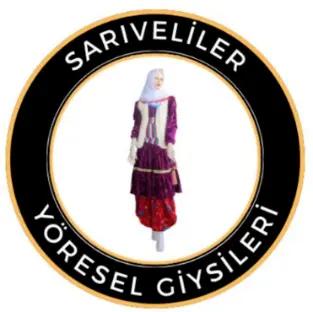
Sarıveliler Traditional Clothing
Sarıveliler traditional clothing is a conventional attire for women unique to the Sarıveliler district of Karaman province, shaped within a historical and cultural context. These garments were registered as a trademark of origin under Industrial Property Law No. 6769 and are produced exclusively within Sarıveliler, reflecting the cultural memory of the local community. Historical Background Sarıveliler, formerly known as Başdere, is documented as a settlement as early as the 14th century. Record
EN
Elif Laçin
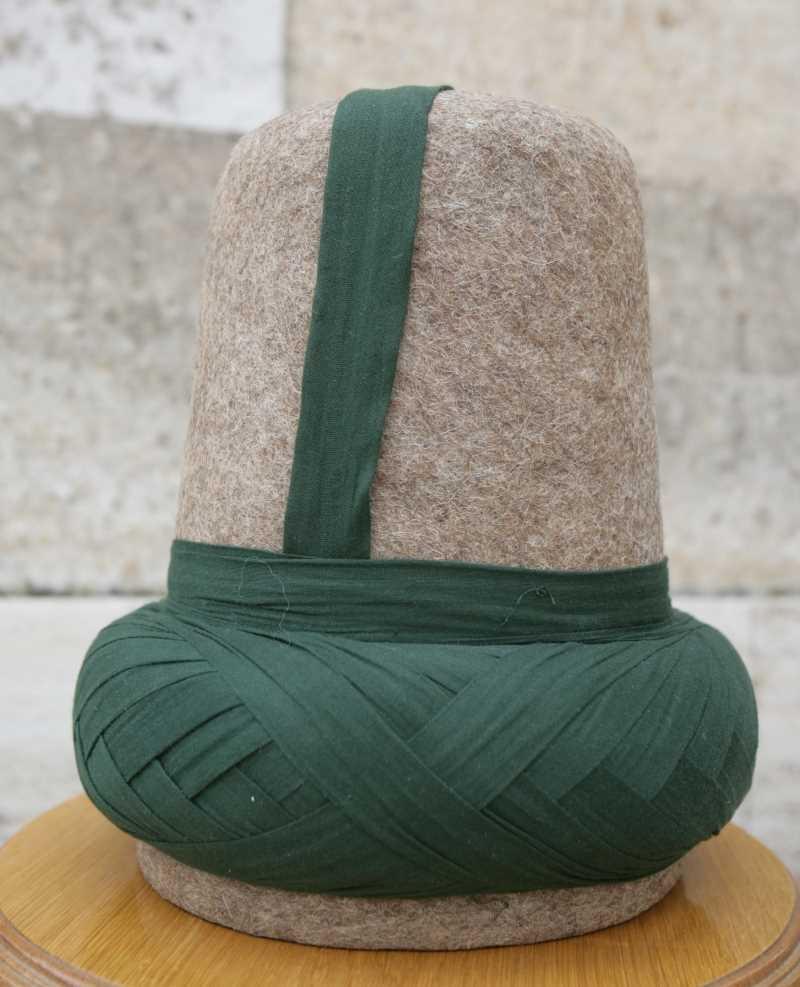
Destar
Destar; a term referring to thin fabrics such as muslin or fine cloth wrapped over headgear like fezzes, sikke, or kavuk. Literally meaning "wrapping" or "head covering," the destar in Ottoman social structure and especially within Sufi tradition was not merely an ordinary garment element; it became a powerful symbol representing an individual’s social status, scholarly rank, position within the order, and spiritual station. Physical Characteristics, Structure, and Material The primary material
EN
Kadriye Beyza Kirenci
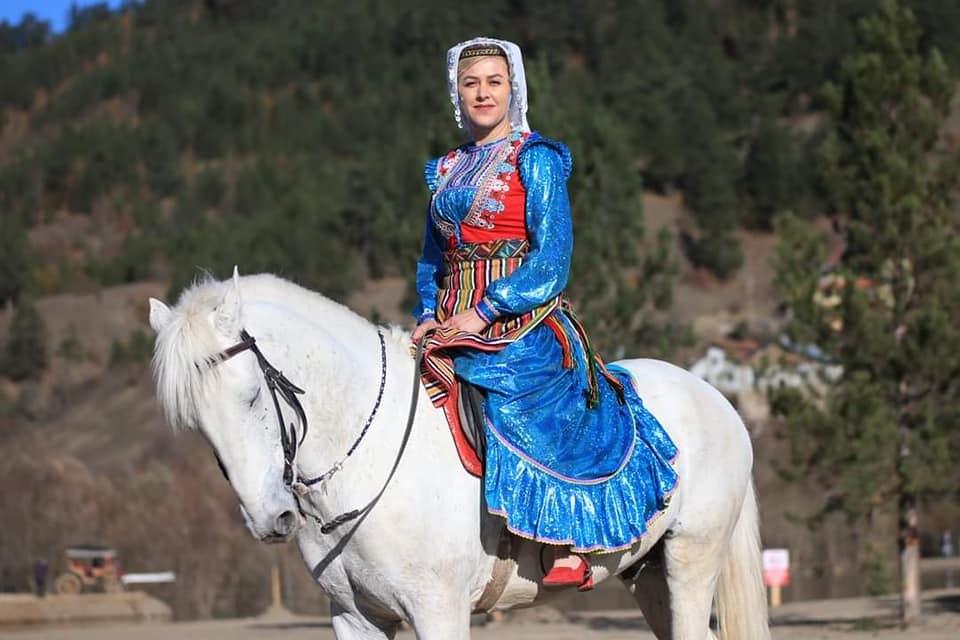
Azdavay Regional Clothing
Azdavay Regional Clothing consists of traditional garments worn for centuries by women in the Azdavay district of Kastamonu Province, both in daily life and on special occasions. These garments are not merely aesthetic expressions; they constitute a cultural whole that reflects social identity, belief systems, and local craft traditions. Registered as a geographical indication under Law No. 6769 on Industrial Property by the Turkish Patent and Trademark Office. Azdavay Regional Clothing (Azdavay
EN
Elif Laçin
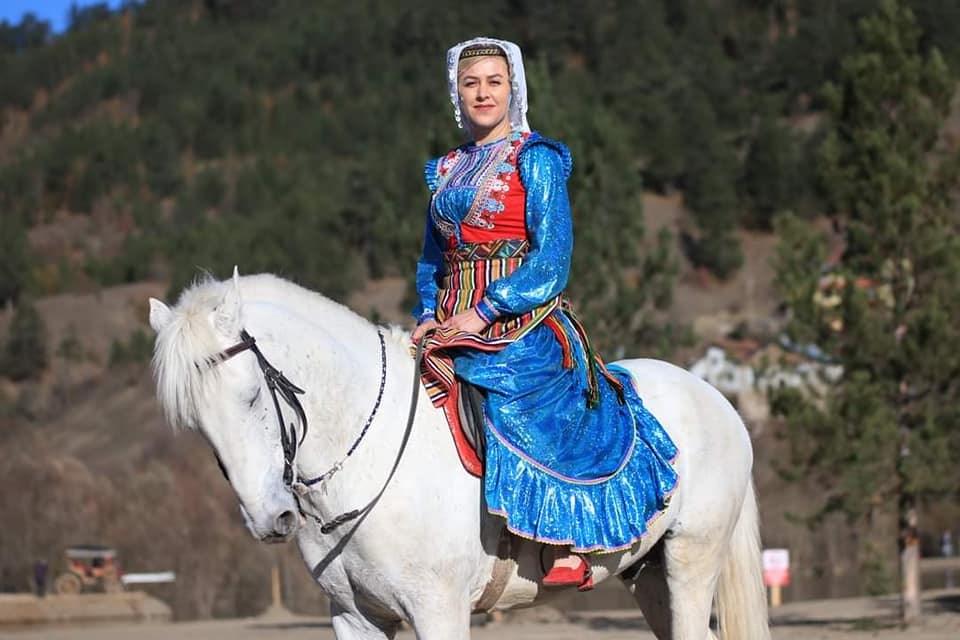
Azdavay Regional Clothing
Azdavay Regional Costumes consist of traditional garments worn for centuries by women in the Azdavay district of Kastamonu Province, both in daily life and on special occasions. These garments are not merely aesthetic expressions; they constitute a cultural whole that reflects social identity, belief systems, and local craft traditions. Registered as a geographical indication under Law No. 6769 on Industrial Property by the Turkish Patent and Trademark Office. Garment Components and Cultural Fun
ENElif Laçin
Kiras Fistan
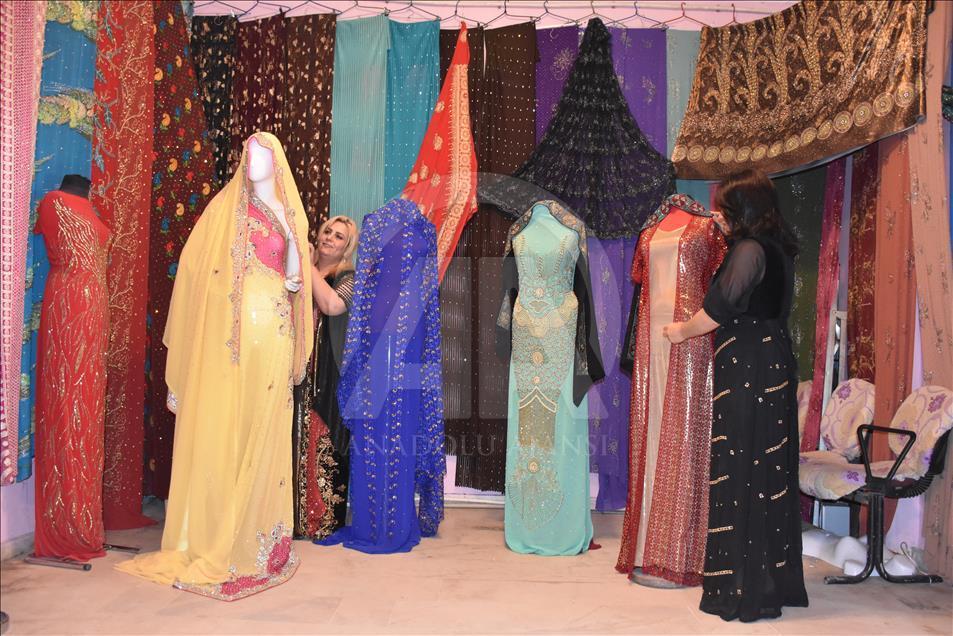
Kıras Fistan is the most widely preferred regional garment worn by women in many settlements across Eastern and Southeastern Anatolia. Although its history extends far back in time, no definitive origin date or written source has been identified; it is a clothing tradition passed down orally from generation to generation until the present day. Structure Design and Features Although commonly referred to in some areas as a "one-piece women’s garment," anatomically it consists of two or more layers
EN
Abdulsamet Suçeken
HaHanfu
Hanfu is the traditional clothing of the Han Chinese and a cultural symbol with origins dating back thousands of years. The term “Hanfu” first appeared in the Book of Han, the official historical record of the Han Dynasty, where it originally referred to the clothing style of the Han Dynasty. Over time, this term evolved into a concept representing the shared cultural identity of the Han people. Hanfu is not merely a type of garment but is also regarded as a cultural element that reflects China’
ENYahya B. Keskin
Damal Bebeği
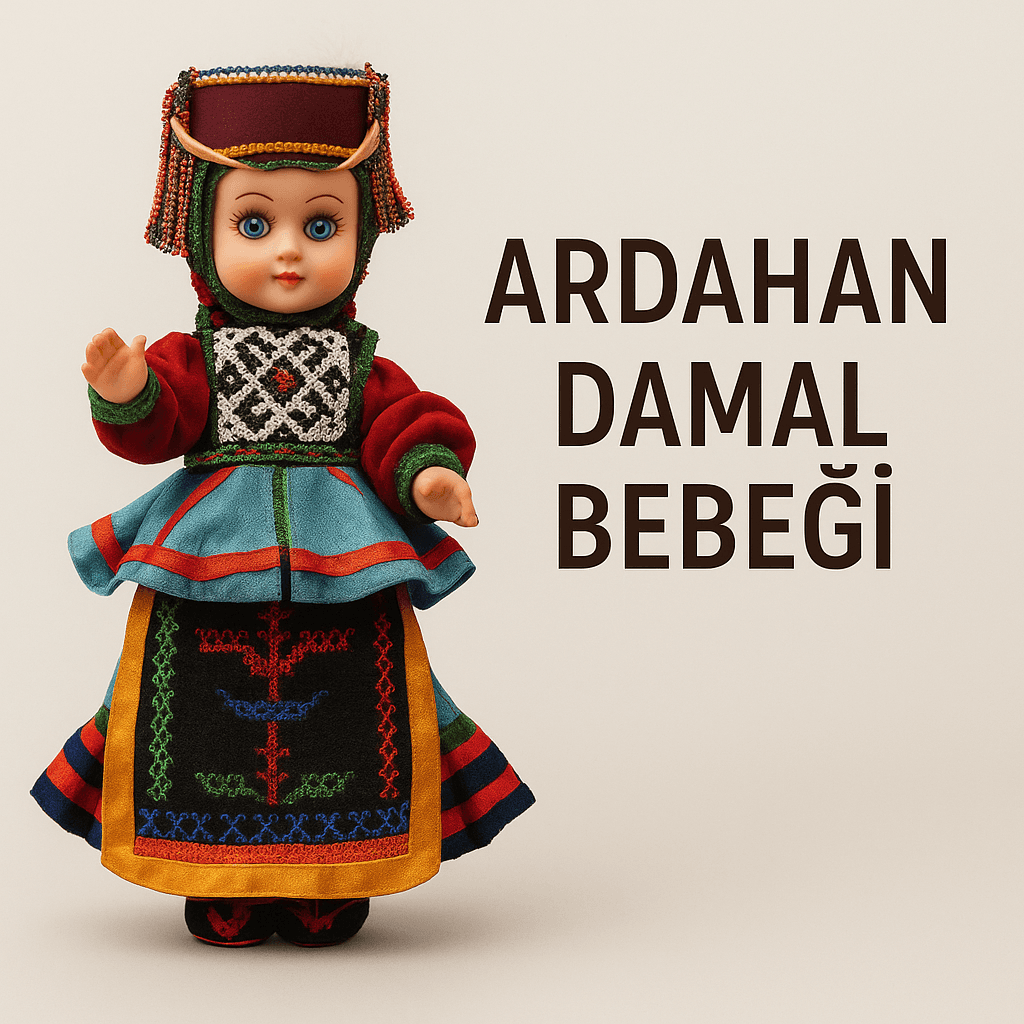
Damal Bebeği is a cultural figure unique to the Damal district of Ardahan Province in Türkiye, handcrafted to reflect traditional women’s clothing. Beyond being a toy or decorative item, it is an important intangible cultural heritage element that preserves the region’s folkloric values, traditional crafts, and textile culture, and serves as a source of livelihood for the local population. In 1996, the Damal Bebeği won first place in the “Regional Folkloric Dolls” competition held in Japan in th
ENIşılay Deniz
Vyshyvanka (Ukrainian Embroidered Shirt)
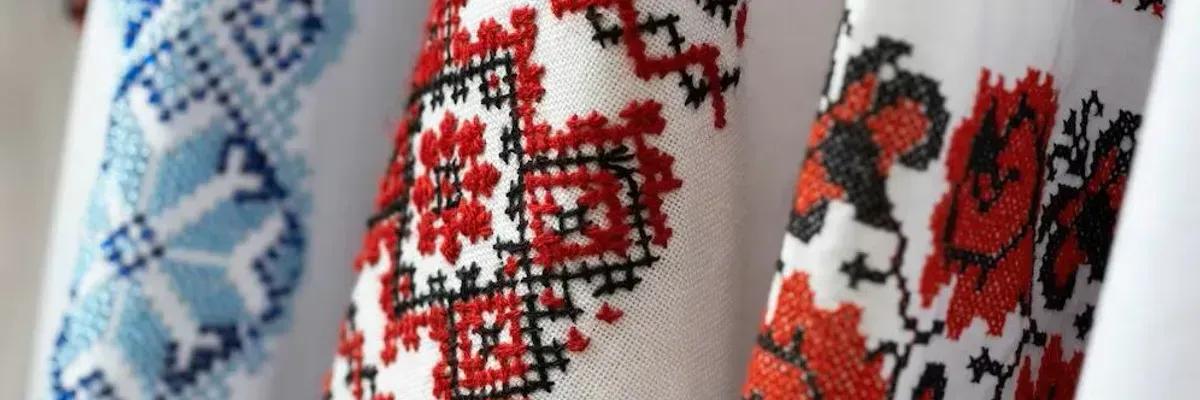
The term vyshyvanka refers to a traditional Ukrainian embroidered shirt, notable for its distinctive ornamentation and its symbolic role in Ukrainian culture. It is derived from the Ukrainian verb vyshyvaty (to embroider) and functions both as a garment and a cultural artifact. While the term commonly denotes the embroidered shirt itself, it may also refer more broadly to Ukrainian traditional embroidery as a practice and medium of cultural expression. Vyshyvankas are characterized by geometric,
ENYuliya Özgür