

`architecturalhistory` Related Article Results
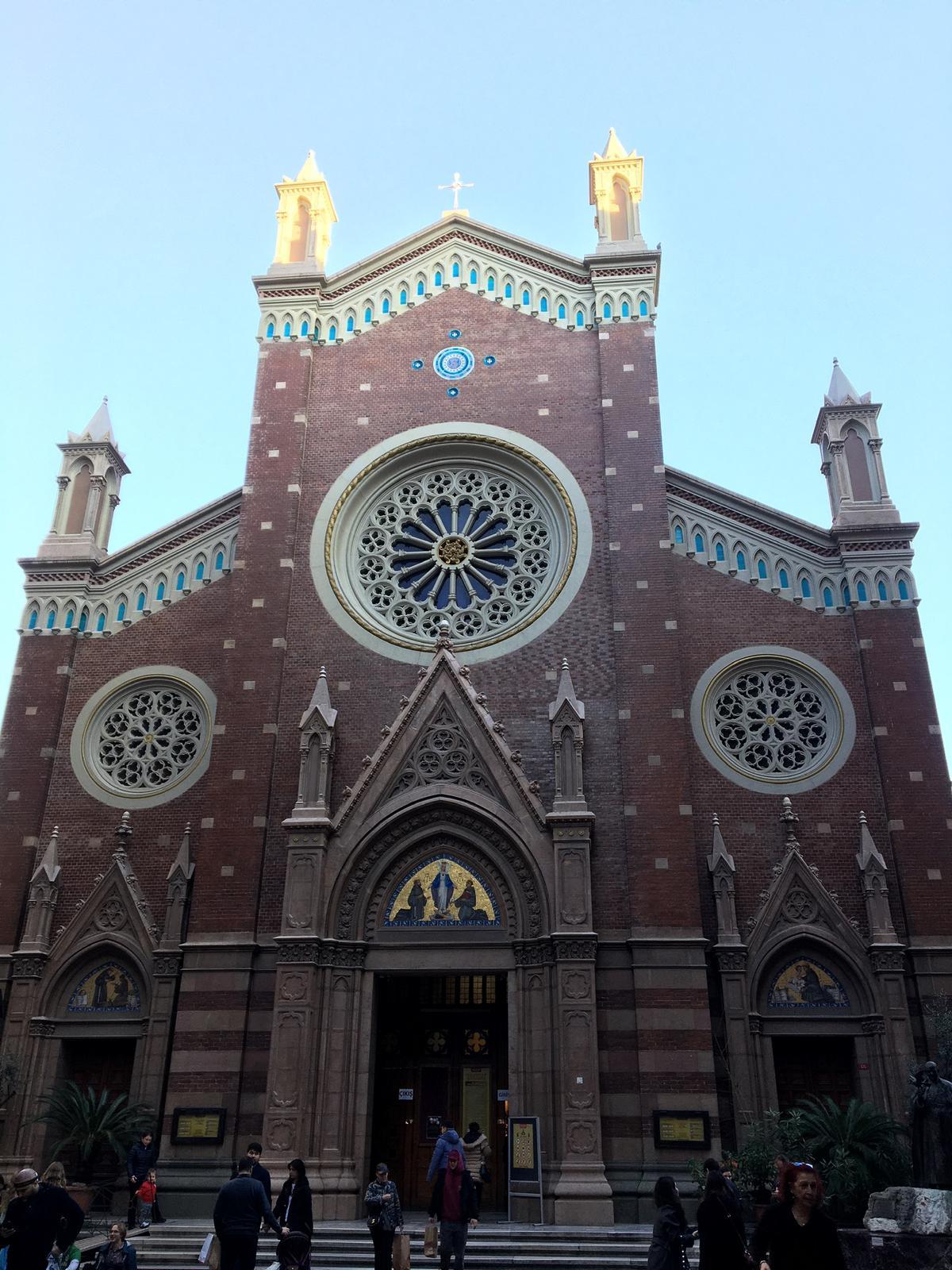
St. Anthony Catholic Church
St. Antoine Catholic Church (Saint Antoine Church / Saint Anthony of Padua Church) is a Neo-Gothic place of worship located on İstiklal Caddesi in the Beyoğlu district of Istanbul, recognized as the city’s largest Catholic church. The building was constructed between 1906 and 1912 according to the design of architect Giulio Mongeri. An earlier church bearing the same name was built in 1725 in Pera by the local Italian Catholic community; this structure was later demolished to make way for the la
EN
Beyza Nur YILDIZ
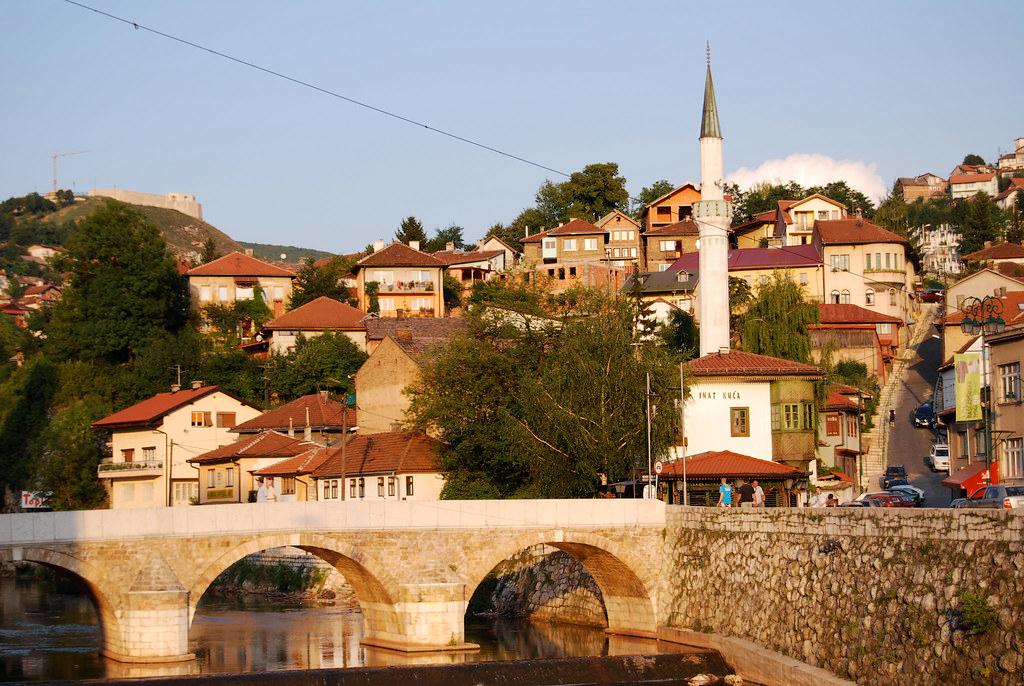
Inat House (Inat Kuça)
Inat Evi, Bosnia and Herzegovina’s capital Sarajevo, located on the southern bank of the Miljacka River, is a historic building exhibiting characteristics of 19th-century Ottoman civil architecture. Known in Bosnian as Inat Kuça, this structure is regarded as a symbol of individual resistance against urban transformation initiatives during the Austro-Hungarian Empire period. Historical Background and Construction Process The 1878 Treaty of Berlin altered the political map of the Balkans by trans
EN
Nursena Şahin
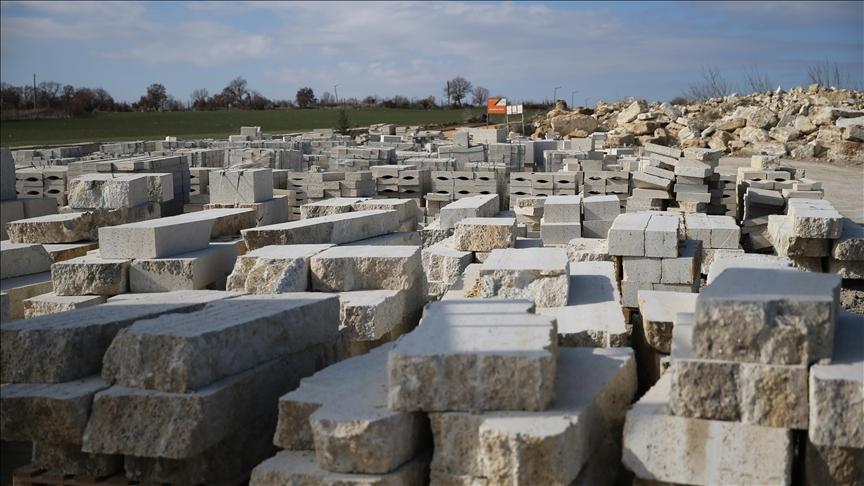
Küfeki Stone
Küfeki stone is a natural building stone belonging to the limestone group, characterized by a fossiliferous and porous structure. In the literature, it is also referred to as lumasheli limestone, maktrali limestone, and Bakırköy stone. This type of stone formed in marine environments and contains abundant quantities of oysters and other marine shells, giving it a high carbonate content. When first extracted from the quarry, Küfeki stone is soft and easily workable; however, upon exposure to the
EN
Fatmanur Mavibaş
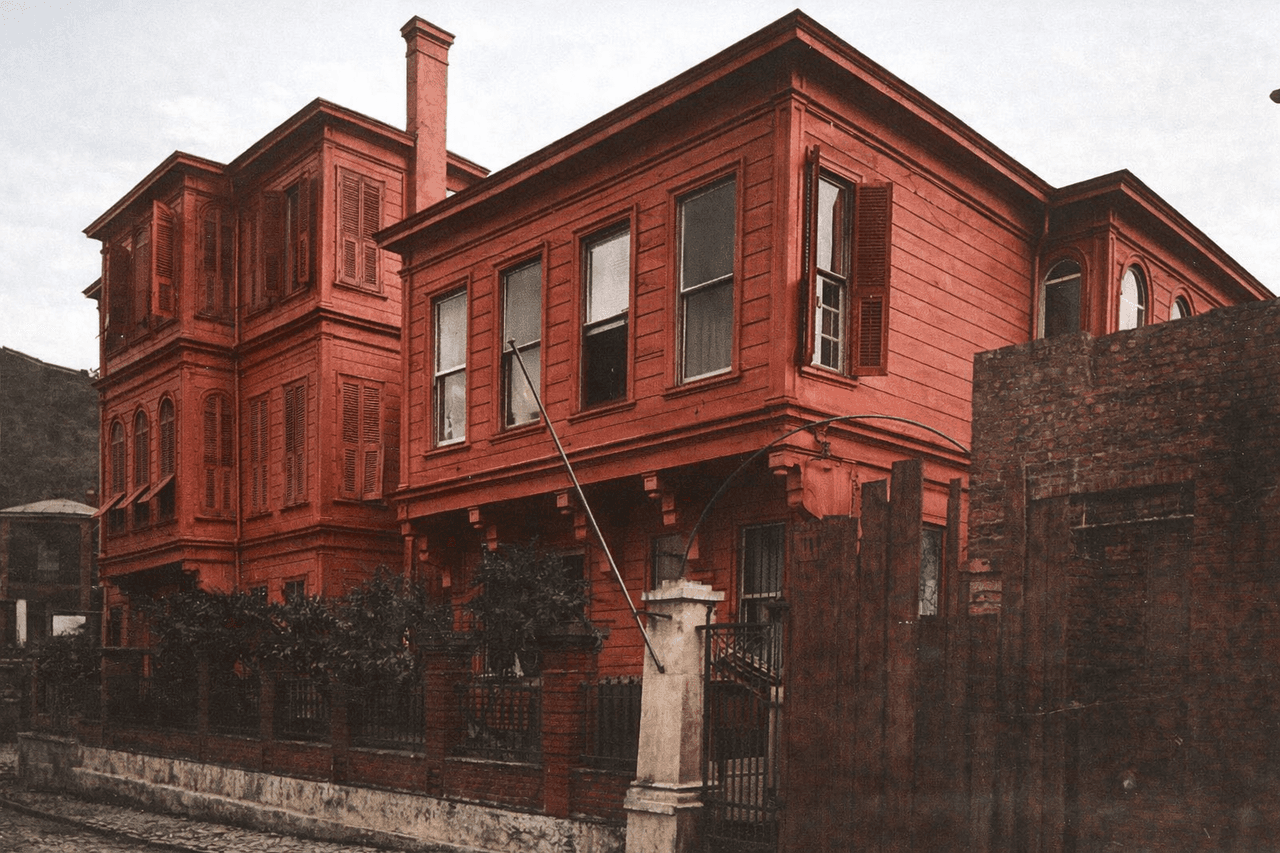
Red Mansion: Change and Continuity of the Space
Understanding a historical period, process, or historical transformation has long been constructed primarily through events, political ruptures, and prominent individuals. Classical and positivist historiography shaped history largely as a chronological sequence of events centered around “great men”; space, by contrast, occupied a passive background role in these narratives. However, from the second half of the 20th century onward, new historiographical approaches revealed that space is not mere
EN
Mehmet Salih Çoban
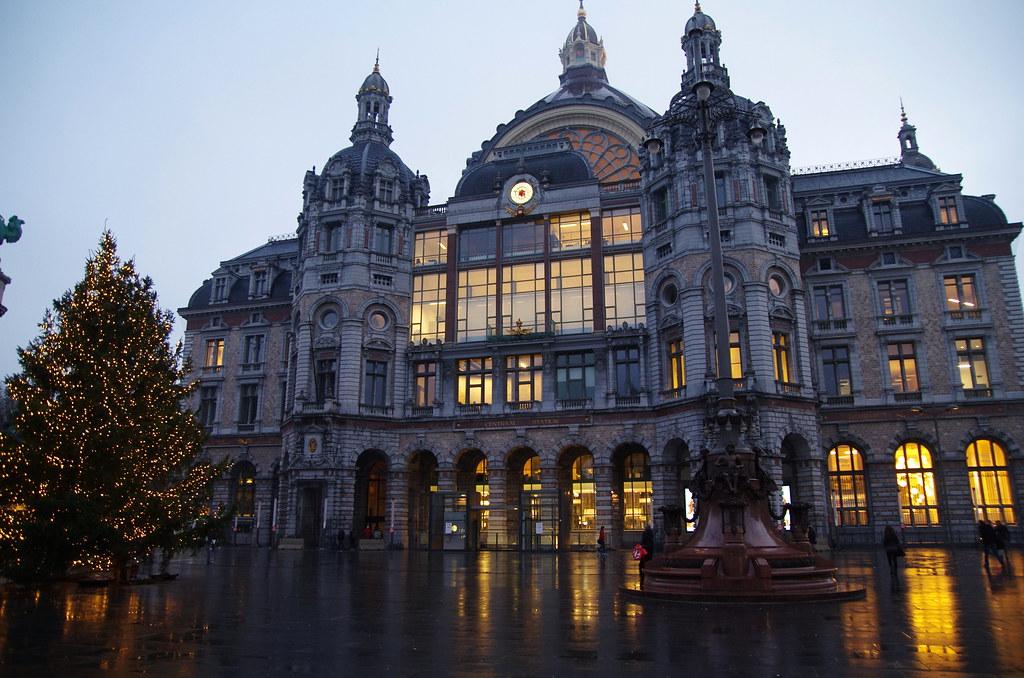
Antwerp Central Station
Antwerp Central Station (Antwerpen-Centraal) is the main railway station of the city of Antwerp and is regarded as one of Belgium’s largest railway stations. History The railway history of the site where Antwerp Central Station now stands began on 3 June 1836 with the opening of the Mechelen–Antwerp railway line.【1】 The first station built here, known as Borgerhout, was a terminal-style facility. Shortly thereafter, in 1843, the tracks were extended to connect with the port station Antwerpen-Dok
ENNursena Şahin
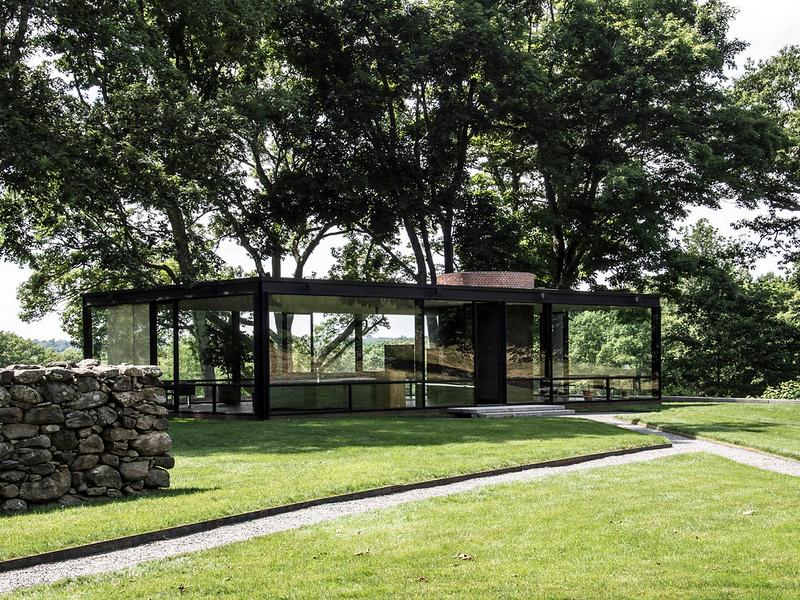
Glass House (Johnson House)
Glass House (also known as the Johnson House), designed by architect Philip Johnson between 1945 and 1948 and completed in 1949, is a modern residence recognized as one of the most significant examples of the International Style at residential scale.【1】 Located within a natural landscape in New Canaan, the building is shaped by its steel structural system, an entirely glass envelope, an open plan concept, and its visual continuity with the surrounding environment. From its completion until Johns
EN
mesude zor
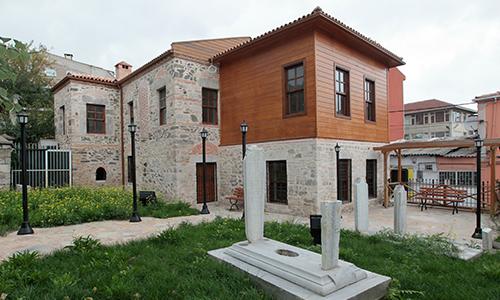
Afife Hatun Tekkesi
Afife Hatun Tekkesi is a structure built in the 19th century, located at the intersection of Zal Paşa Caddesi and Balcı Yokuşu in the Eyüpsultan district of İstanbul. It is also referred to in sources as Balcı Dergâhı, Abdünnâfî Tekkesi, Nâfî Efendi Tekkesi, and Balcı Yokuşu Tekkesi.【1】 【2】 History and Foundation The structure was commissioned in 1844 (Hijri 1260) by Mehmed Abdünnâfî (Nâfî) Efendi in memory of his mother, Afife Hatun, who died in 1834 and was buried in the nearby Baba Geylâni Ce
EN
Gözde Cabadak
 Su
SuSultan Bayezid II Külliyesi Health Museum
The Sultan II. Bayezid Külliyesi Health Museum is a museum established by converting the darüşşifa and medical madrasa sections of the Sultan II. Bayezid Külliyesi, a complex built during the Ottoman period on the banks of the Tunca River in Edirne. During the Ottoman era, the külliye functioned as a multifunctional structure integrating healthcare, education, worship and social assistance. These sections were restored by Trakya University and opened to the public in 1997 under the concept of a
EN
Melike Saraç
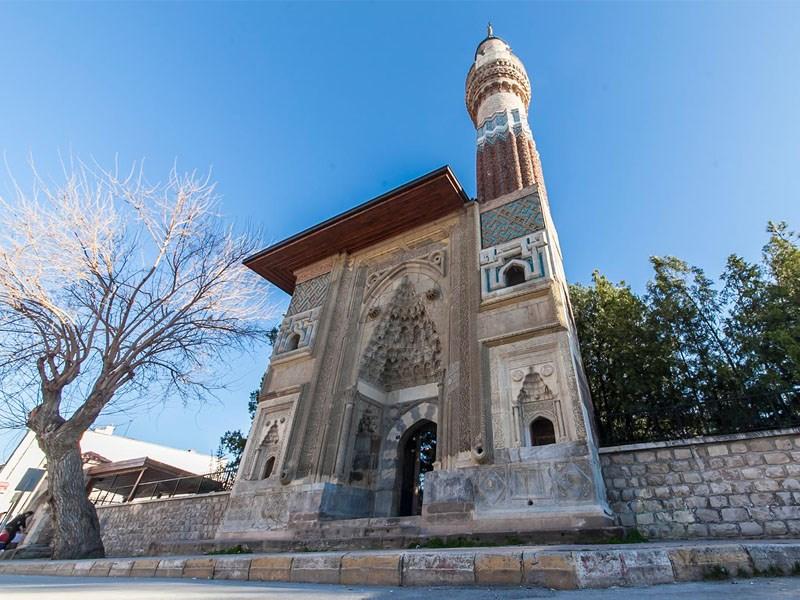
Sahip Ata Külliyesi
Sahip Ata Külliyesi is a historical complex constructed in the 13th century in Konya by Sahip Ata Fahreddin Ali, a vizier of the Seljuk State of Anatolia. The complex includes a mosque, hânikâh, tomb, double bathhouse, sebil, and shops. The current form of the külliye emerged through the gradual integration of structures built at different times rather than from a single unified plan. Located in the Larende district (ancient city gate) of Konya, at the intersection of the Karaman and Meram roads
EN
Almina Ecenur Ergünay