This article was automatically translated from the original Turkish version.
+1 More
Location | Türkiye Edirne | ||||||||
|---|---|---|---|---|---|---|---|---|---|
Founder | Sultan Bayezid II | ||||||||
Construction Date(s) | 1484–1488 | ||||||||
Function | Darüşşifa, Tıp Medresesi, Cami, İmaret, Tabhane | ||||||||
Museumification | 1997 (Darüşşifa), 2008 (Tıp Medresesi), 2020 (İmaret) | ||||||||
Award | 2007 Best Presentation Award 2004 European Museum Award | ||||||||
Visit | Open for daytime and nighttime visits | ||||||||
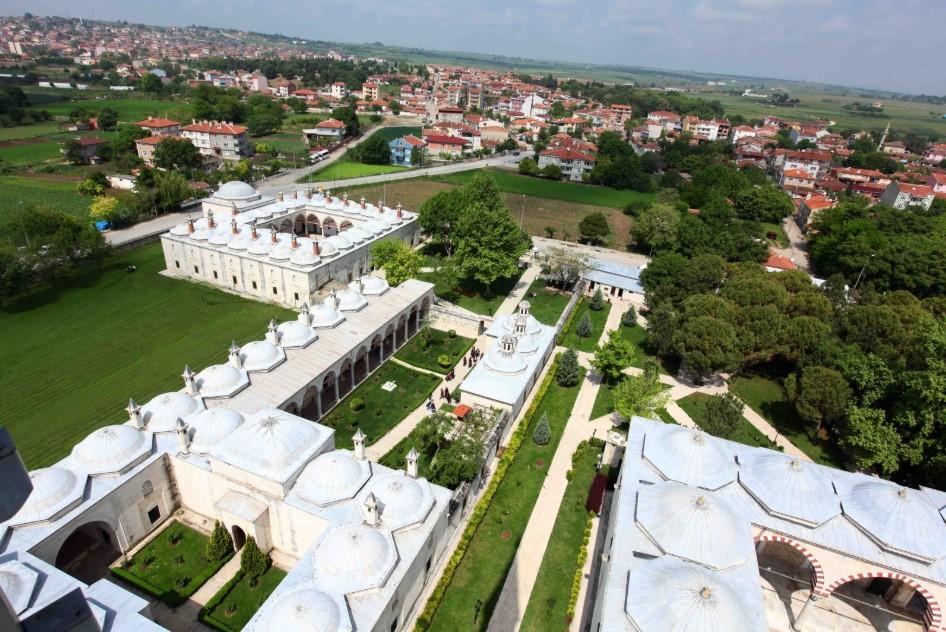
The Sultan II. Bayezid Külliyesi Health Museum is a museum established by converting the darüşşifa and medical madrasa sections of the Sultan II. Bayezid Külliyesi, a complex built during the Ottoman period on the banks of the Tunca River in Edirne. During the Ottoman era, the külliye functioned as a multifunctional structure integrating healthcare, education, worship and social assistance. These sections were restored by Trakya University and opened to the public in 1997 under the concept of a “living museum.” In 2004, the museum was awarded the European Museum Prize by the Council of Europe and presents Ottoman medicine, education system and social service concepts through immersive exhibits.
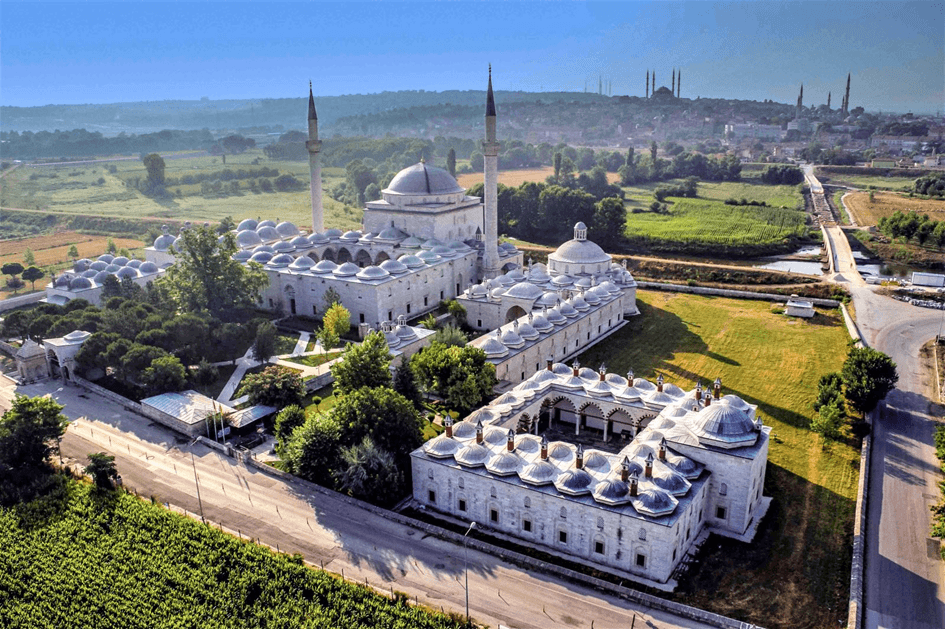
Sultan II. Bayezid Külliyesi Health Museum (Kültür Portalı)
The foundation of the Sultan II. Bayezid Külliyesi was laid in 1484 by Sultan II. Bayezid during his campaign to Akkirman; the complex was completed in 1488. Its architect was Hayrettin. At the time of its construction, the külliye functioned as a comprehensive public institution integrating healthcare, religious, educational and social services. Over time, particularly from the 1800s onward, the darüşşifa gradually focused exclusively on the treatment of mental and neurological illnesses. It ceased operations after the Balkan Wars in the late Ottoman period and suffered damage.
Following conservation initiatives launched by Dr. Ratip Kazancıgil in the 1970s, all sections of the külliye except the mosque were assigned by the General Directorate of Foundations to Trakya University in 1984. After completing necessary restoration work, the university opened the darüşşifa section as the Health Museum in 1997. The Medical Madrasa section was incorporated into the museum in 2008 and the imaret section in 2020. The külliye was added to UNESCO’s Tentative List of World Heritage Sites in 2016.
The darüşşifa consists of two parts: a rectangular main building and an adjacent hexagonal section dedicated to mental and neurological disorders. In the southwest corner of the first courtyard, there are seven units, six covered by domes and one by a barrel vault. The hospital kitchen comprises four units: three domed and one barrel-vaulted. Around the eyvan providing access to the second courtyard, units consisting of two rooms each are arranged. In the central hexagonal section, twelve units are arranged around a main hall containing a central pool. This section served as a treatment center where mental illnesses were addressed using music, the sound of water and pleasant fragrances.
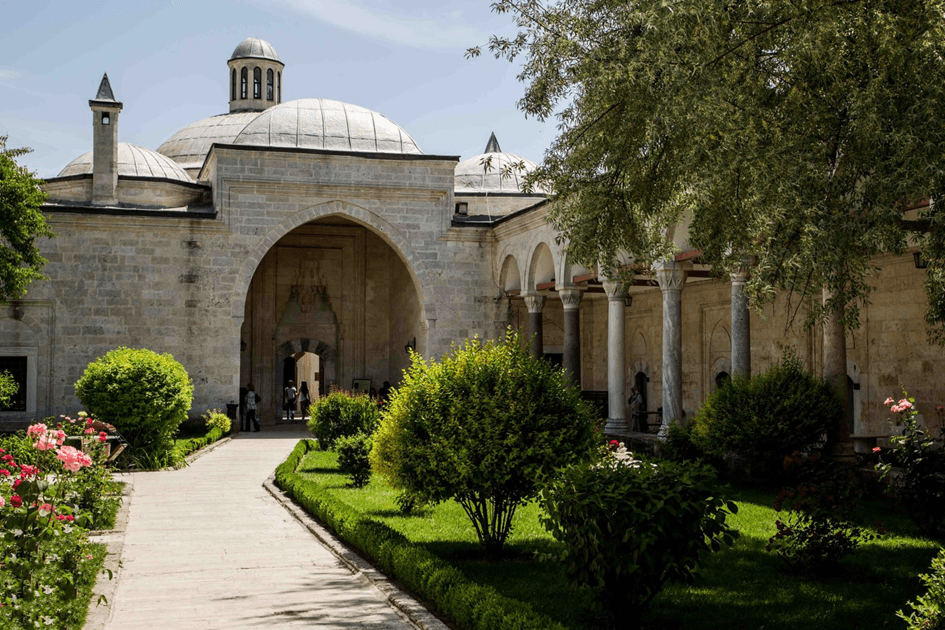
Sultan II. Bayezid Külliyesi Health Museum (Kültür Portalı)
The medical madrasa, with a plan close to a square, consists of eighteen rooms and one lecture hall arranged along three sides of a colonnaded courtyard. All units are covered by domes. The mahfil, accessible via a staircase to the right of the entrance, was designed to allow students to observe clinical procedures. This madrasa held the status of a “sixty-student madrasa,” one of the highest-ranking medical education institutions of the Ottoman period. It operated with a staff comprising the müderris, assistants, a librarian and eighteen students.
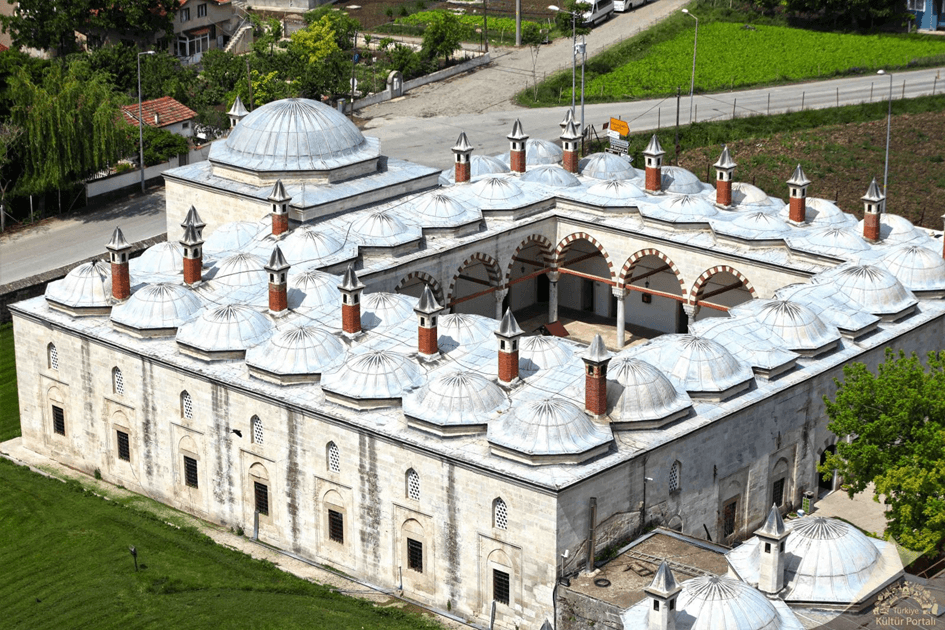
Sultan II. Bayezid Külliyesi Health Museum (Kültür Portalı)
The mosque, with entrances from three sides, features a courtyard surrounded by domed colonnades. The colonnade arches rest on columns of granite, white marble and green breccia. In the center of the courtyard is a şadırvan fountain, and a well is located in the floor. The final prayer hall is covered by three domes, with the central dome being higher. The marble minbar and the hünkâr mahfili in the mosque’s harem, among the earliest examples in Ottoman architecture, are particularly notable.
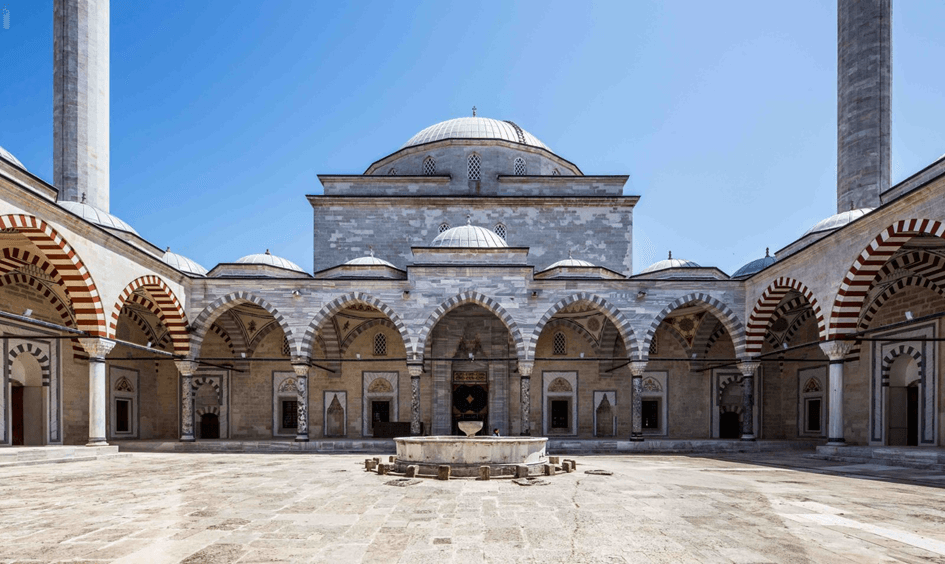
Sultan II. Bayezid Külliyesi Health Museum (Kültür Portalı)
The tabhanes located on either side of the mosque follow a traditional plan consisting of four eyvans and four rooms. These structures, common in 14th–15th century Ottoman architecture, provided free accommodation and rest for travelers, patients in convalescence and the unemployed.
To meet the food needs of guests, students and patients, an imaret and aşhane were constructed on the left side of the külliye’s outer courtyard. These units are arranged as two groups of buildings composed of domed rooms. The kitchen section is housed in a square structure with four domes. The imaret was designed to provide meals for an average of 250 to 300 people daily.
After assuming control of the külliye in 1984, Trakya University restored the darüşşifa section and opened it as the Health Museum in 1997. The museum presents Ottoman medicine through immersive scenes depicting medical practices of the era, including treatments using water and music. The Istanbul Association for the Reintegration of Mental Patients contributed to the development of the museum’s interactive content.
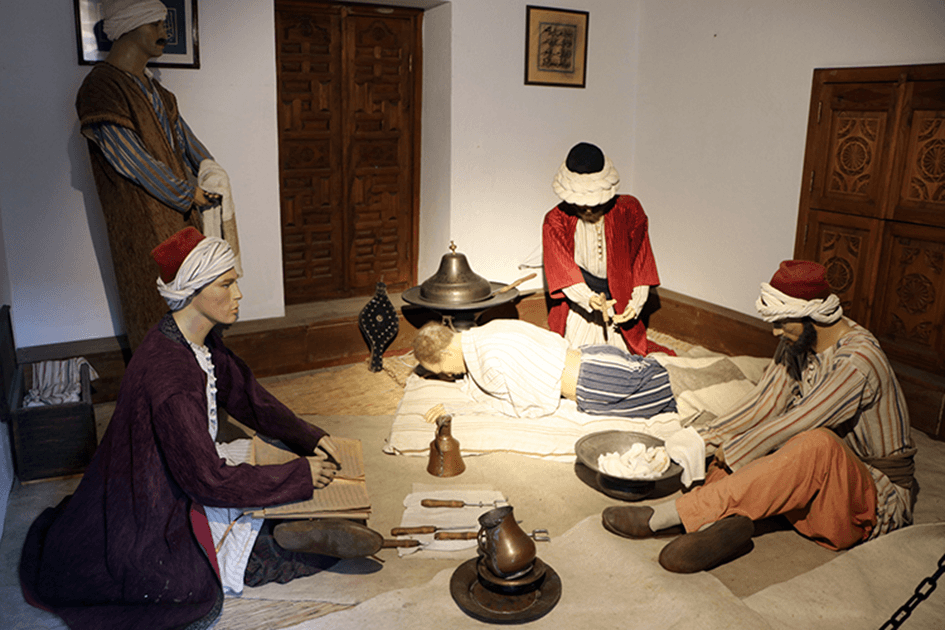
Sultan II. Bayezid Külliyesi Health Museum (Anadolu Ajansı)
In 2008, the madrasa section was incorporated into the museum as the “Medical Madrasa,” with its educational environment and teaching practices recreated using mannequins. In 2020, the imaret section was renovated and opened to visitors, thereby offering a representative presentation of social solidarity and Ottoman culinary culture. Additionally, within the külliye, the Şerbet Evi serves traditional Ottoman sherbets and distributes meals to those in need.
The Sultan II. Bayezid Külliyesi Health Museum was awarded the European Museum Prize by the Council of Europe in 2004 and the Best Presentation Award by the Club of the Best and the Excellence in Cultural Heritage in 2007. Since its inclusion in UNESCO’s Tentative List of World Heritage Sites in 2016, the külliye has been undergoing improvements including restoration, drainage and landscape planning to support its nomination for the permanent list. Today, the Health Museum operates daily and nightly as a “living museum,” presenting the Ottoman healthcare system to visitors.
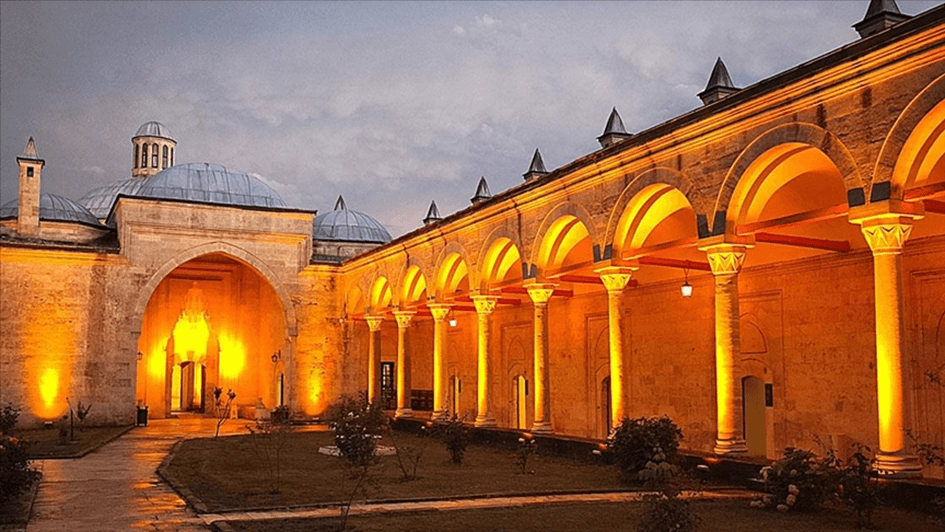
Sultan II. Bayezid Külliyesi Health Museum (Anadolu Ajansı)
Anadolu Ajansı. "II. Bayezid Külliyesi, ‘Yaşayan Müze’ Konseptiyle Bu Yıl 120 Bin Ziyaretçi Ağırladı." Accessed August 16, 2025.https://www.aa.com.tr/tr/kultur/ii-bayezid-kulliyesi-yasayan-muze-konseptiyle-bu-yil-120-bin-ziyaretci-agirladi/2776769
Anadolu Ajansı. "Sultan II. Bayezid Külliyesi Sağlık Müzesi Geceleri de Ziyaretçilerini Ağırlayacak." Accessed August 16, 2025.https://www.aa.com.tr/tr/kultur/sultan-ii-bayezid-kulliyesi-saglik-muzesi-geceleri-de-ziyaretcilerini-agirlayacak/3612072
Anadolu Ajansı. "Sultan II. Bayezid Külliyesi için Hedef: UNESCO’nun Kalıcı Listesi." Accessed August 16, 2025.https://www.aa.com.tr/tr/kultur-sanat/sultan-ii-bayezid-kulliyesi-icin-hedef-unesconun-kalici-listesi/2244040
Anadolu Ajansı. “Sultan II. Bayezid Külliyesi Sağlık Müzesi.” Accessed August 16, 2025.https://www.aa.com.tr/tr/kultur/ii-bayezid-kulliyesi-yasayan-muze-konseptiyle-bu-yil-120-bin-ziyaretci-agirladi/2776769
T.C. Edirne Valiliği. "Sultan II. Bayezid Külliyesi Sağlık Müzesi." Edirne Valiliği. Accessed August 16, 2025.http://www.edirne.gov.tr/sultan-ii-bayezid-kulliyesi-saglik-muzesi
T.C. Kültür ve Turizm Bakanlığı. “II. Bayezid Külliyesi Sağlık Müzesi.” Kültür Portalı. Accessed July 26, 2025.https://www.kulturportali.gov.tr/turkiye/edirne/gezilecekyer/iibeyazid-kulliyesi-saglik-muzesi
Location | Türkiye Edirne | ||||||||
|---|---|---|---|---|---|---|---|---|---|
Founder | Sultan Bayezid II | ||||||||
Construction Date(s) | 1484–1488 | ||||||||
Function | Darüşşifa, Tıp Medresesi, Cami, İmaret, Tabhane | ||||||||
Museumification | 1997 (Darüşşifa), 2008 (Tıp Medresesi), 2020 (İmaret) | ||||||||
Award | 2007 Best Presentation Award 2004 European Museum Award | ||||||||
Visit | Open for daytime and nighttime visits | ||||||||
No Discussion Added Yet
Start discussion for "Sultan Bayezid II Külliyesi Health Museum" article
History
Architectural Structure and Sections
Darüşşifa (Hospital)
Medical Madrasa
Mosque
Tabhane (Guesthouse)
Imaret and Aşhane (Kitchen)
Museum Conversion Process and Current Status
Awards and International Recognition