This article was automatically translated from the original Turkish version.
+1 More
Building Name | Afife Hatun Tekkesi | ||||||||
|---|---|---|---|---|---|---|---|---|---|
Other Names | Balcı Dergâhı, Abdünnâfî Tekkesi, Nâfî Efendi Tekkesi, Balcı Yokuşu Tekkesi | ||||||||
Location | İstanbul, Eyüpsultan District, Corner of Zal Paşa Caddesi and Balcı Yokuşu | ||||||||
Construction Year | 1844 (Hijri 1260) | ||||||||
Patron | Mehmed Abdünnâfî (Nâfî) Efendi | ||||||||
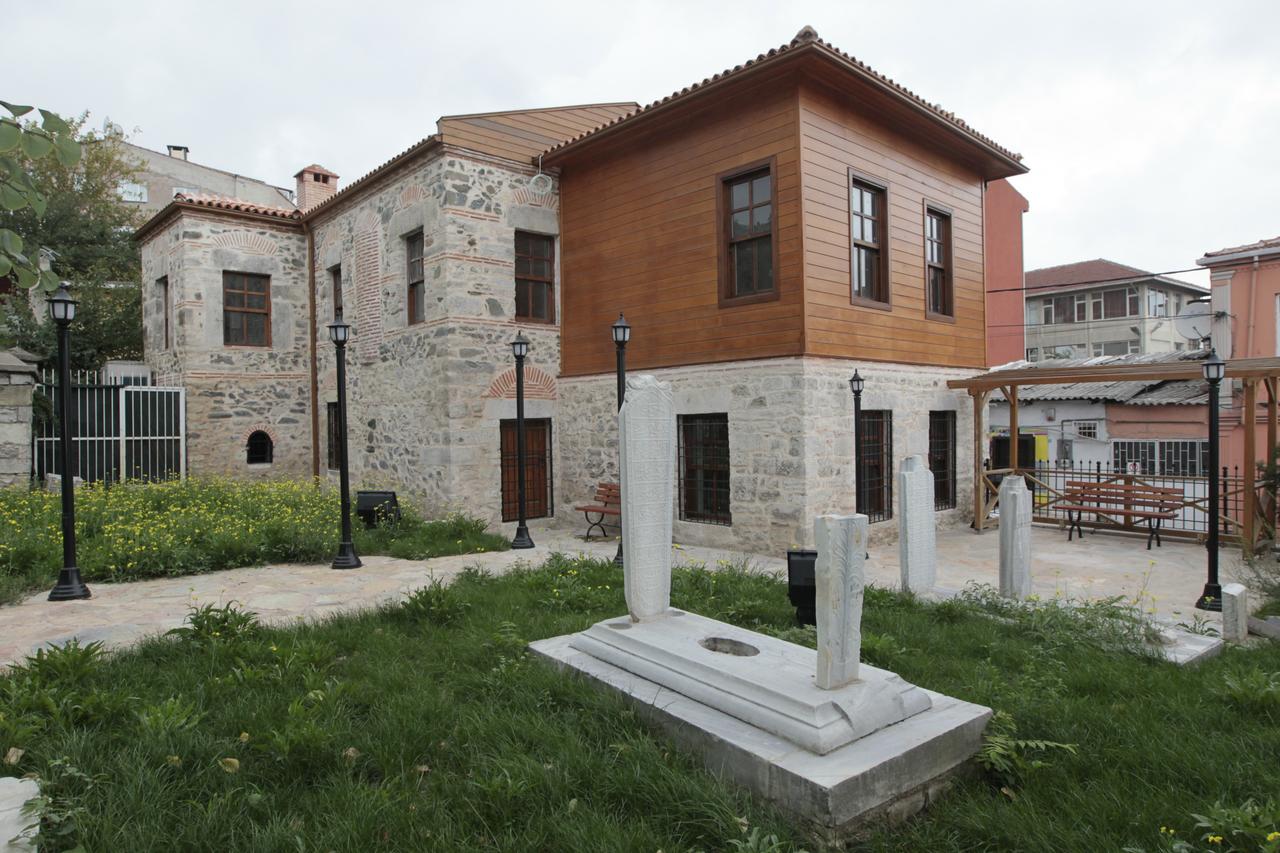
Afife Hatun Tekkesi is a structure built in the 19th century, located at the intersection of Zal Paşa Caddesi and Balcı Yokuşu in the Eyüpsultan district of İstanbul. It is also referred to in sources as Balcı Dergâhı, Abdünnâfî Tekkesi, Nâfî Efendi Tekkesi, and Balcı Yokuşu Tekkesi.【1】 【2】
Afife Hatun Tekkesi (Kanal 7 Arşiv)
The structure was commissioned in 1844 (Hijri 1260) by Mehmed Abdünnâfî (Nâfî) Efendi in memory of his mother, Afife Hatun, who died in 1834 and was buried in the nearby Baba Geylâni Cemetery.
According to its foundation deed, the tekke was registered as a zaviye belonging to the Kalenderân-ı Özbekiyye and was designed as a small-scale building to accommodate visiting dervishes from Central Asia.【3】
At its founding, the tekke was entrusted to Sheikh Mehmed Efendi of the Kalenderhâne Tekke, with the condition that the sheikhdom be held by someone from Özbekiyye. Initially, the ceremonial days were Friday and Monday, but later they were reduced to Friday only;【4】 however, records in the Mecmua-i Tekâya indicate Thursday as the ceremonial day and describe the building as a Nakşibendi tekke.【5】
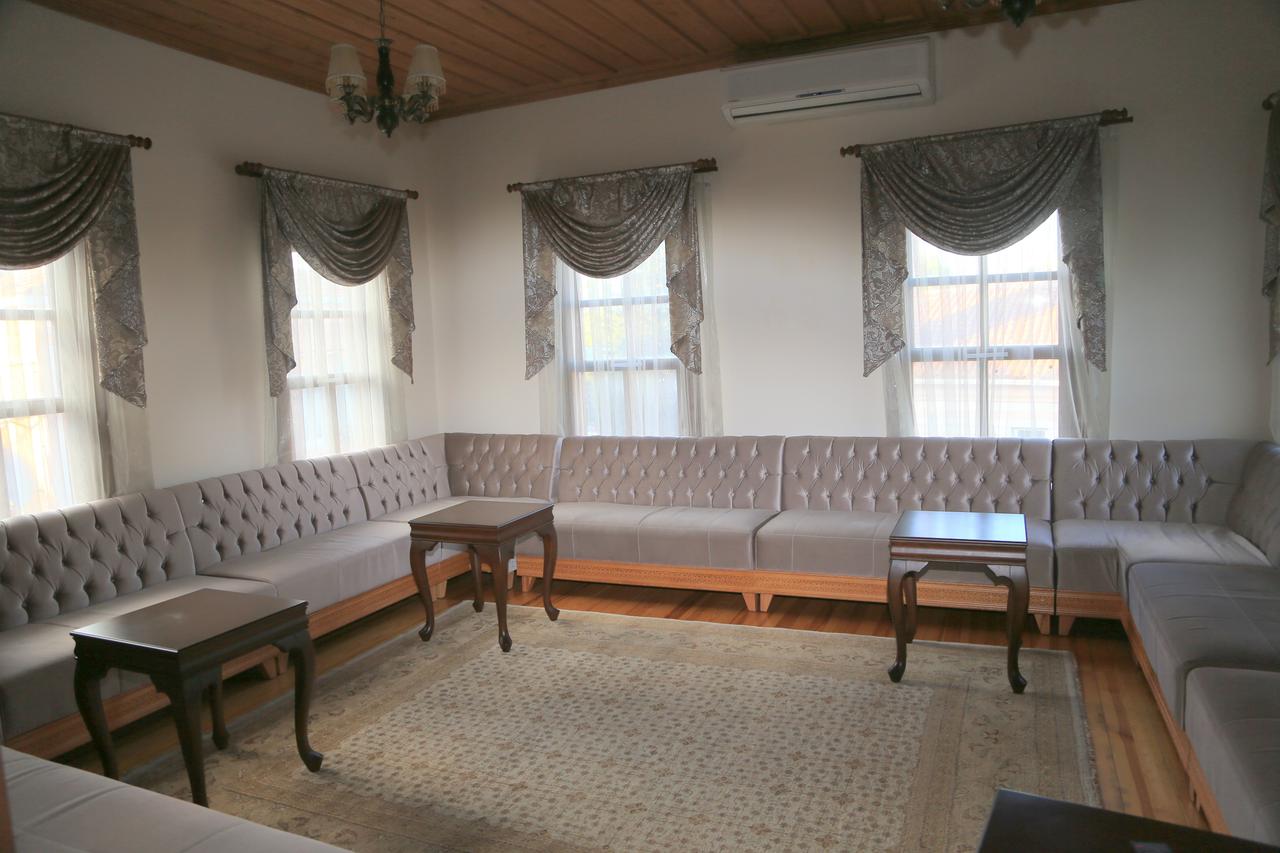
İç Kısım (Eyüpsultan Belediyesi)
The founder of the tekke, Nâfî Efendi, died in 1857 and was buried in the tekke’s cemetery. After him, the sheikhdom was successively held by his eldest son Mahmud Akif Efendi, his second son Ahmed Es’ad Bey, and then by Akif Bey’s son İsmail Halid Bey (d. 1928).【6】
The structure, which has survived largely in the form of its semahane, is a two-story building constructed with a wooden roof and rubble stone masonry. The ground floor consists of an entrance hall, staircase, kitchen, sheikh’s room, sanduka room, and water reservoir.
The upper floor contains the tevhidhane, along with a sherbet room, ablution area, and harem quarters. Within the tekke’s property boundaries stands the Sokullu Mehmed Paşa Çeşmesi, a fountain restored by Nâfî Efendi in 1851 in memory of his mother’s soul and later augmented with a treasury. The building’s minaret and its inscription plaque were removed during the letter reform period.【7】
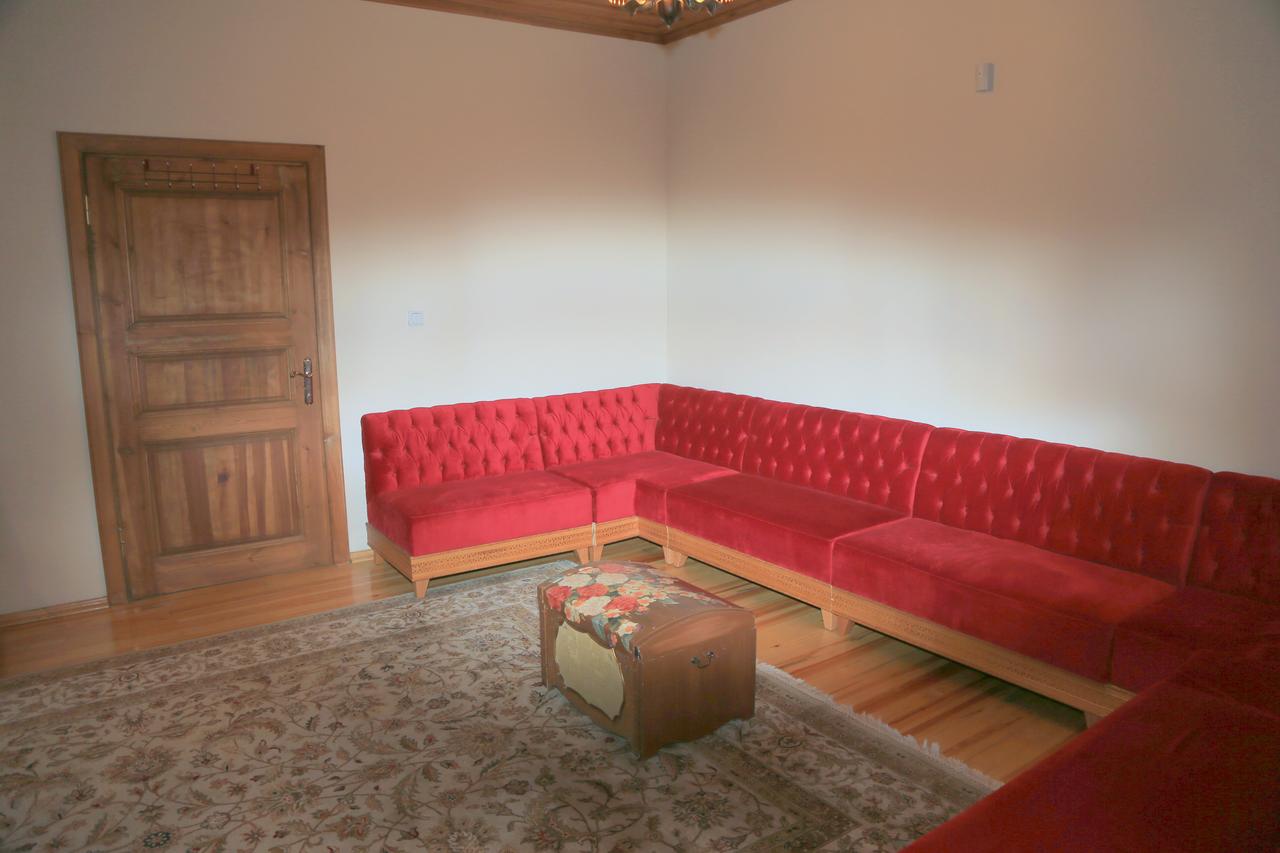
İç Kısım (Eyüpsultan Belediyesi)
The cemetery located at the rear of the tekke is one of the key components defining its identity. A significant portion of the tombstones in the cemetery has been lost or damaged over time.
Among the notable individuals buried here are Hacı İsmail Paşa’s treasurer Mustafa Efendi (d. 1800), Hayriye Hanım, daughter of Rumeli Governor Osman Paşa (d. 1870), Ümmü Gülsüm Hanım, mother-in-law of Osman Nuri Paşa (d. 1875), and Mirliva Süleyman Paşa (d. 1900). Additionally, during road construction works between 1956 and 1957, tombstones from other historical monuments demolished in the city were relocated to this slope.【8】
After the closure of tekkes and zaviyes, the building lost its original function but has since been repurposed as the Afife Hatun Culture House following restoration efforts by the Eyüp Municipality. Only the semahane building and the cemetery remain from the original külliye.【9】
Dijital İstanbul. "Afife Hatun Tekkesi." Accessed July 11, 2026.https://dijitalistanbul.org/afife-hatun-tekkesi
Eyüpsultan Belediyesi. "Afife Hatun Tekkesi." Accessed June 11, 2026.https://www.eyupsultan.bel.tr/tr/main/pages/afife-hatun-tekkesi/989
Kanal 7 Arşiv. "İstanbul Tekkeleri | 9. Bölüm (Afife Hatun Tekkesi)." YouTube. Accessed July 11, 2026.https://www.youtube.com/watch?v=9b0XLvAvfNI
[1]
Eyüpsultan Belediyesi. "Afife Hatun Tekkesi." Erişim Tarihi 11 Haziran 2026. https://www.eyupsultan.bel.tr/tr/main/pages/afife-hatun-tekkesi/989
[2]
Dijital İstanbul, "Afife Hatun Tekkesi," Erişim Tarihi 11 Temmuz 2026, https://dijitalistanbul.org/afife-hatun-tekkesi
[3]
Dijital İstanbul, "Afife Hatun Tekkesi," Erişim Tarihi 11 Temmuz 2026, https://dijitalistanbul.org/afife-hatun-tekkesi
[4]
Dijital İstanbul, "Afife Hatun Tekkesi," Erişim Tarihi 11 Temmuz 2026, https://dijitalistanbul.org/afife-hatun-tekkesi
[5]
Eyüpsultan Belediyesi, "Afife Hatun Tekkesi," Erişim Tarihi 11 Haziran 2026, https://www.eyupsultan.bel.tr/tr/main/pages/afife-hatun-tekkesi/989
[6]
Eyüpsultan Belediyesi, "Afife Hatun Tekkesi," Erişim Tarihi 11 Haziran 2026, https://www.eyupsultan.bel.tr/tr/main/pages/afife-hatun-tekkesi/989
[7]
Eyüpsultan Belediyesi, "Afife Hatun Tekkesi," Erişim Tarihi 11 Haziran 2026, https://www.eyupsultan.bel.tr/tr/main/pages/afife-hatun-tekkesi/989
[8]
Eyüpsultan Belediyesi, "Afife Hatun Tekkesi," Erişim Tarihi 11 Haziran 2026, https://www.eyupsultan.bel.tr/tr/main/pages/afife-hatun-tekkesi/989
[9]
Dijital İstanbul, "Afife Hatun Tekkesi," Erişim Tarihi 11 Temmuz 2026, https://dijitalistanbul.org/afife-hatun-tekkesi

Building Name | Afife Hatun Tekkesi | ||||||||
|---|---|---|---|---|---|---|---|---|---|
Other Names | Balcı Dergâhı, Abdünnâfî Tekkesi, Nâfî Efendi Tekkesi, Balcı Yokuşu Tekkesi | ||||||||
Location | İstanbul, Eyüpsultan District, Corner of Zal Paşa Caddesi and Balcı Yokuşu | ||||||||
Construction Year | 1844 (Hijri 1260) | ||||||||
Patron | Mehmed Abdünnâfî (Nâfî) Efendi | ||||||||
No Discussion Added Yet
Start discussion for "Afife Hatun Tekkesi" article
History and Foundation
Sufi Order Affiliation and Sheikh Lineage
Architectural Features
Cemetery
Current Status