This article was automatically translated from the original Turkish version.
Salt has played a significant role throughout human history not only as a foodstuff but also as a protective element in religious, cultural, and spiritual rituals. In local beliefs, the protective power of salt has been regarded as a shield against the evil eye, malevolent spirits, and negative energies, particularly in Anatolia, Central Asia, and many other cultures. This symbolism is linked to salt’s purifying effect and is perceived as a means of protection on both physical and metaphysical levels. In Türkiye, especially in rural areas, the use of salt as a protective charm is common in traditions aimed at safeguarding postpartum women and newborns, as well as cleansing homes of negative energies. This substance examines the origins, historical development, practices in Anatolia, and cultural significance of salt’s protective power in local beliefs.
The use of salt as a protective element extends back to the early periods of human history. In ancient Mesopotamia, the Sumerians and Babylonians used salt in rituals to ward off demons; these practices are documented in Sumerian tablets dating to the 3rd millennium BCE (Gurney 1957, 45). In ancient Egypt, salt was valued both as a preservative and an antiseptic in the mummification process.
In Anatolia, salt’s protective role was shaped by the shamanistic beliefs brought by the Turks from Central Asia and continued after the adoption of Islam. During the Ottoman period, the use of salt against the evil eye became widespread, with references to these practices appearing in 16th-century sources. Evliya Çelebi’s Seyahatname includes observations of salt being placed at doorways in Anatolia for protection against the evil eye (Evliya Çelebi 1896, 312).
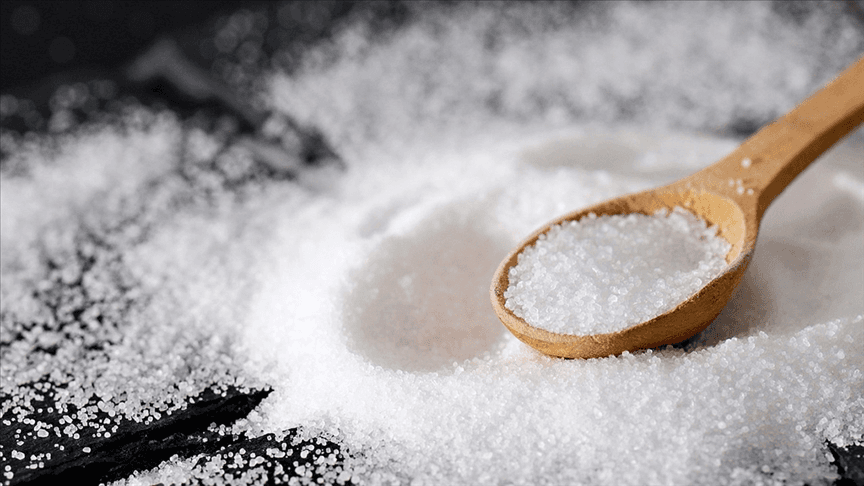
Table Salt (Anadolu Agency)
Salt’s protective power stems from its physical and metaphysical properties. Physically,因其具有抗菌特性而能防止腐败,盐被视为一种净化物质。在形而上学层面,它被广泛认为是纯洁与坚韧的象征,能够形成一道抵御负面能量的屏障。
In Anatolia, salt is particularly associated with the belief in the evil eye. The evil eye is the notion that envy or a malevolent gaze can harm others. It is believed that salt absorbs and disperses this negative energy. Practical examples include placing salt under the pillow of newborns or rubbing postpartum women with salt.
In Anatolia, salt’s protective power manifests through regional rituals. In Çankırı, residents near the Çankırı Salt Cave report using salt from the cave as a protective charm. This practice reflects both the material and spiritual value attributed to salt.
In Central Anatolia, in regions such as Sivas and Kayseri, postpartum women are washed with salt water for 40 days, or salt is sprinkled in the four corners of the home to protect against evil spirits. In the Aegean region, it is a tradition to sprinkle salt across the threshold when moving into a new house to purify the dwelling.
Salt’s protective role is also evident in social rituals. In the Black Sea region, during weddings, salt is placed in the palms of the bride and groom as a means of protection from the evil eye and as a wish for prosperity. These practices demonstrate how salt, as a symbol of purity and protection, reinforces social bonds.

Çankırı Salt Cave (Çankırı Governorship)
Today, belief in salt’s protective power persists in rural Anatolia but is declining due to urbanization. The Çankırı Salt Cave attracts interest as a tourist and alternative medicine site, with the cave’s salt being viewed as supportive in respiratory therapies. Additionally, the Çankırı Municipality’s 2023 Salt Festival highlighted salt’s place within the cultural heritage.

Salt Field Football Tournament Held as Part of the Çankırı Salt Festival (Anadolu Agency)
Salt’s protective power in local beliefs is an integral part of Anatolia’s cultural and spiritual heritage. The fusion of shamanistic traditions with Islam has shaped and strengthened the symbolism of purity and protection. The ritual use of salt supports social cohesion and the transmission of traditional knowledge.
Çankırı SaltFest (İlkSayfaTV)
ABC Gazetesi. “Tuzun Koruyucu Gücü: Geleneksel Tuzlama Ritüeli ve Modern Anlamı.” *ABC Gazetesi*, October 10, 2021.https://abcgazetesi.com.tr/tuzun-koruyucu-gucu-geleneksel-tuzlama-ritueli-ve-modern-anlami-734973.
Anadolu Ajansı. "Günde 5 Gramdan Az Tuz Alımı İnme Riskini Yüzde 23 Azaltıyor." Anadolu Ajansı, April 27, 2024.https://www.aa.com.tr/tr/saglik/gunde-5-gramdan-az-tuz-alimi-inme-riskini-yuzde-23-azaltiyor/3225621.
Evliya Çelebi. 1896. Seyahatname. Volume 2. İstanbul: İkdam Matbaası
TRT Haber. “Çankırı’da Tuzdan Sahada Futbol Maçı Yaptılar.” Anadolu Ajansı. August 20, 2023.https://www.trthaber.com/haber/spor/cankirida-tuzdan-sahada-futbol-maci-yaptilar-785613.html
Talianova Eren, Marina. “Türk ve Slav Halk İnanışlarında Tuz Simgeciliği.” *Korkut Ata Türkiyat Araştırmaları Dergisi* 7 (2022): 1–19.https://dergipark.org.tr/en/download/article-file/2208668.
YouTube. "Çankırı, TUZFEST’23’ün ilk gününde festivale, yerli ve yabancı konukların ilgisi yoğun oldu." İlksayfaTV. Accessed May 5, 2025.https://www.youtube.com/watch?v=kE2ortMMRUc
Çankırı Municipality. "Uluslararası Çankırı Tuz Festivali." Çankırı Belediyesi. Accessed May 5, 2025.https://cankiri.bel.tr/videolar/uluslararasi-cankiri-tuz-festivali/7.
Çankırı Municipality. "Uluslararası Çankırı Tuz Festivali." Çankırı Belediyesi. Accessed May 5, 2025.https://cankiri.bel.tr/videolar/uluslararasi-cankiri-tuz-festivali/7.
History
Symbolic Meaning of Salt
Local Practices in Anatolia
Current Status
Cultural Significance