

`anatolia` Related Article Results
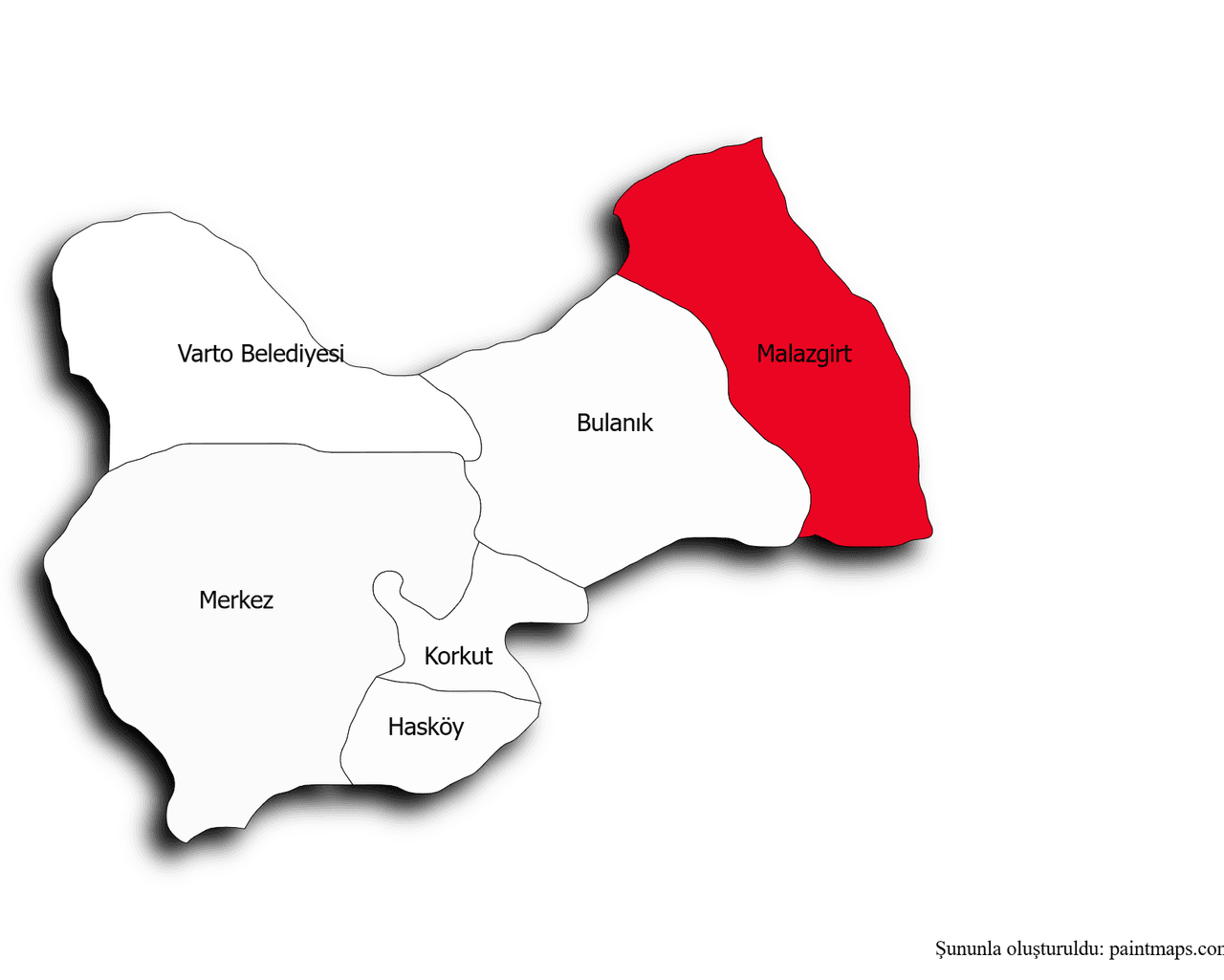
Malazgirt (District)
Malazgirt is a district of Muş Province in Türkiye’s Eastern Anatolia Region. The district derives its name from the Battle of Manzikert, which took place in 1071 and significantly influenced the political and cultural structure of Anatolia. Due to this historic event, Malazgirt holds considerable symbolic value in historical terms. It is also a settlement notable for its cultural diversity, natural resources, and socio-economic structure. Muş Malazgirt Victory Monument (Republic of Türkiye Muş
EN
Zehra Yayla

Stone Culture in Anatolia
In Anatolia, throughout history, stone cult—a shared belief system among various cultures—encompasses religious and ritual practices directed toward sacred rocks. Wish stones, votive rocks, cup-marked stones, standing stones, and natural rock formations are tangible manifestations of this belief system. This cult, surviving from antiquity to the present, continues as both a remnant of pagan practices and a component of post-Islamic folk beliefs. Archaeological findings, oral narratives, and fiel
EN
Metin Dağ
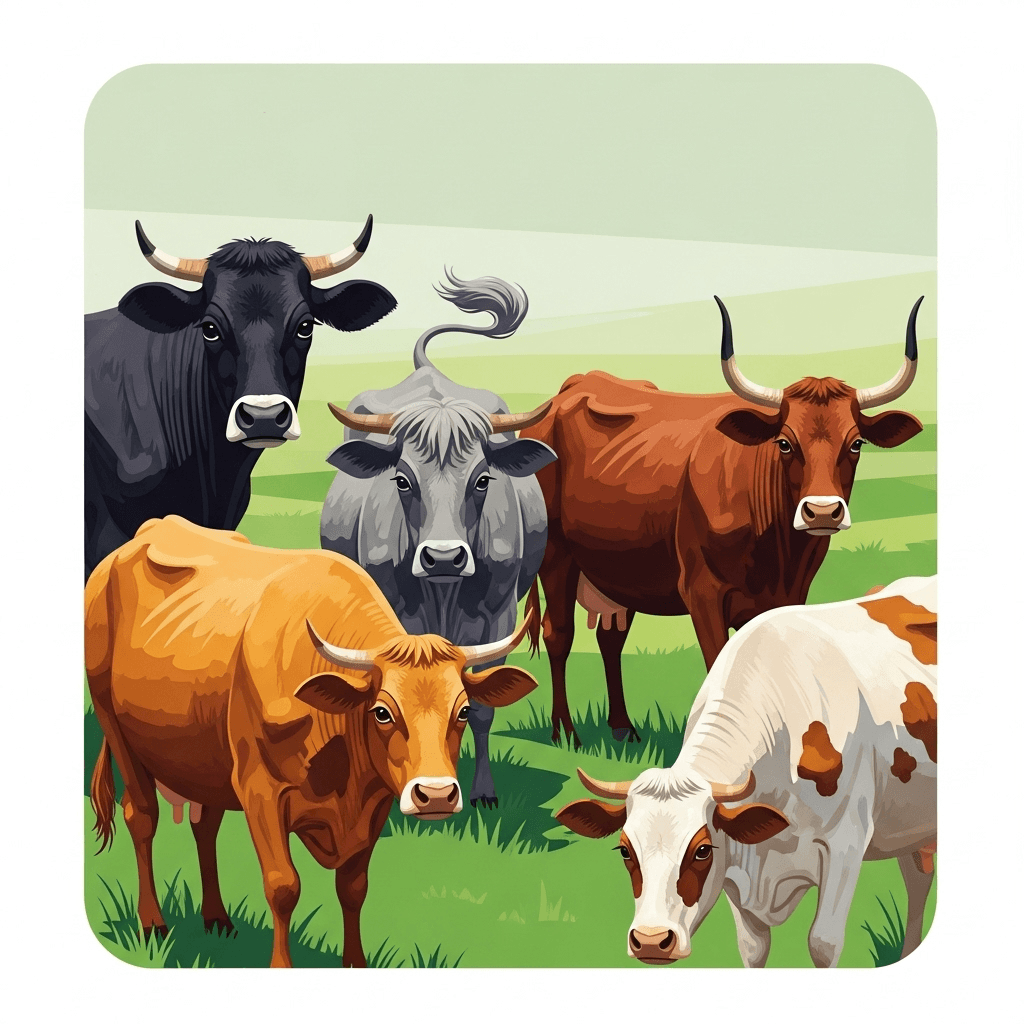
Native Cattle Breeds of Türkiye
Anatolia is recognized as one of the regions where many domesticated livestock animals, including cattle, were first domesticated. The cattle populations that spread from here formed the genetic foundation of Türkiye’s native breeds. These breeds are distinguished by their high adaptability to the harsh climatic and environmental conditions of their regions, natural resistance to diseases, and ability to utilize low-quality feed. However, over time, increasing interest in higher-yielding exotic
EN
Yunus Emre Yüce
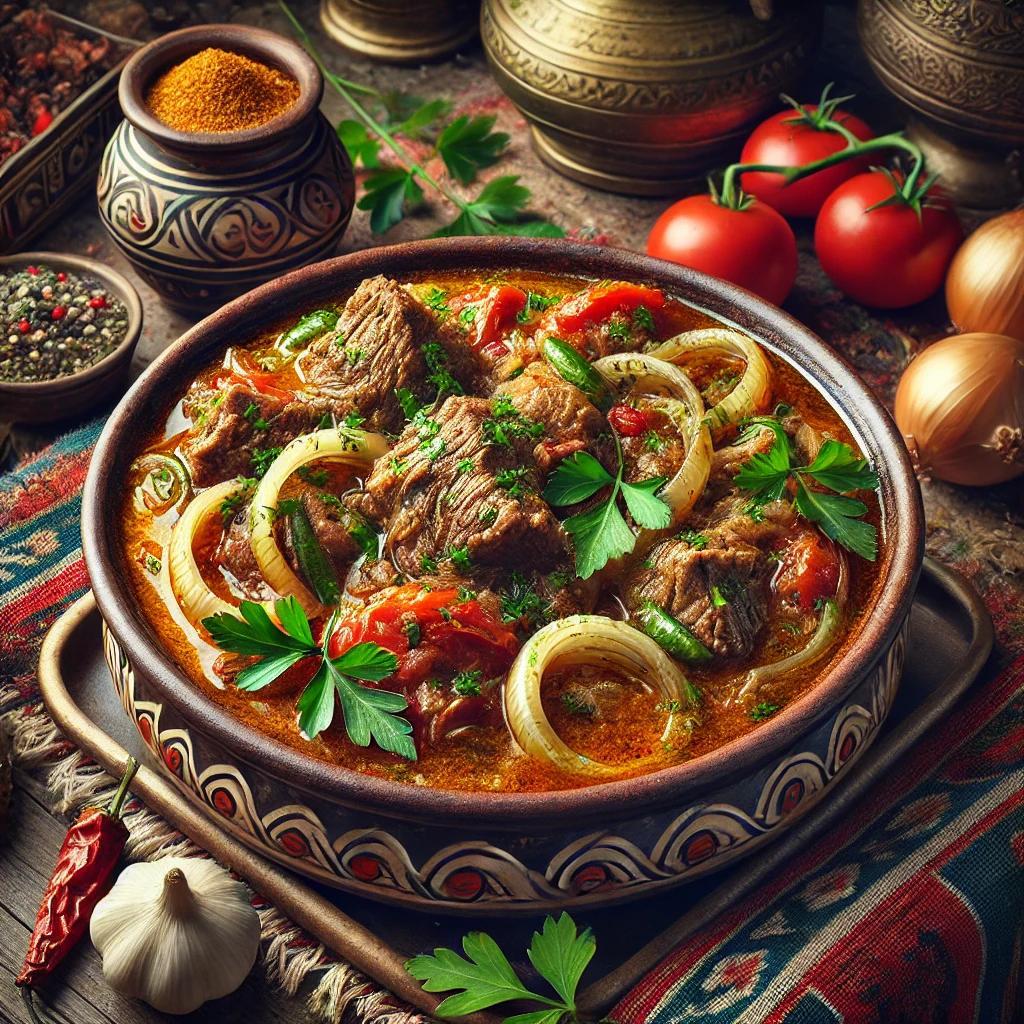
Oily Black
Yağlı Kara is a dish with deep roots in the culinary traditions of Black and Turkish, holding a special place in Anatolia’s rich food culture. Named for the abundant fatty meats used in its preparation and the dark colorful cooking technique, this dish is commonly consumed especially in East and Southeastern Anatolia. Found both on everyday tables and at special gatherings, Yağlı Kara is prepared by combining lamb or beef with various spices, typically cooked in a stone oven or tandır. Yağlı Kar
EN
Abdulmuttalip Erdoğan
Karakucak Wrestling
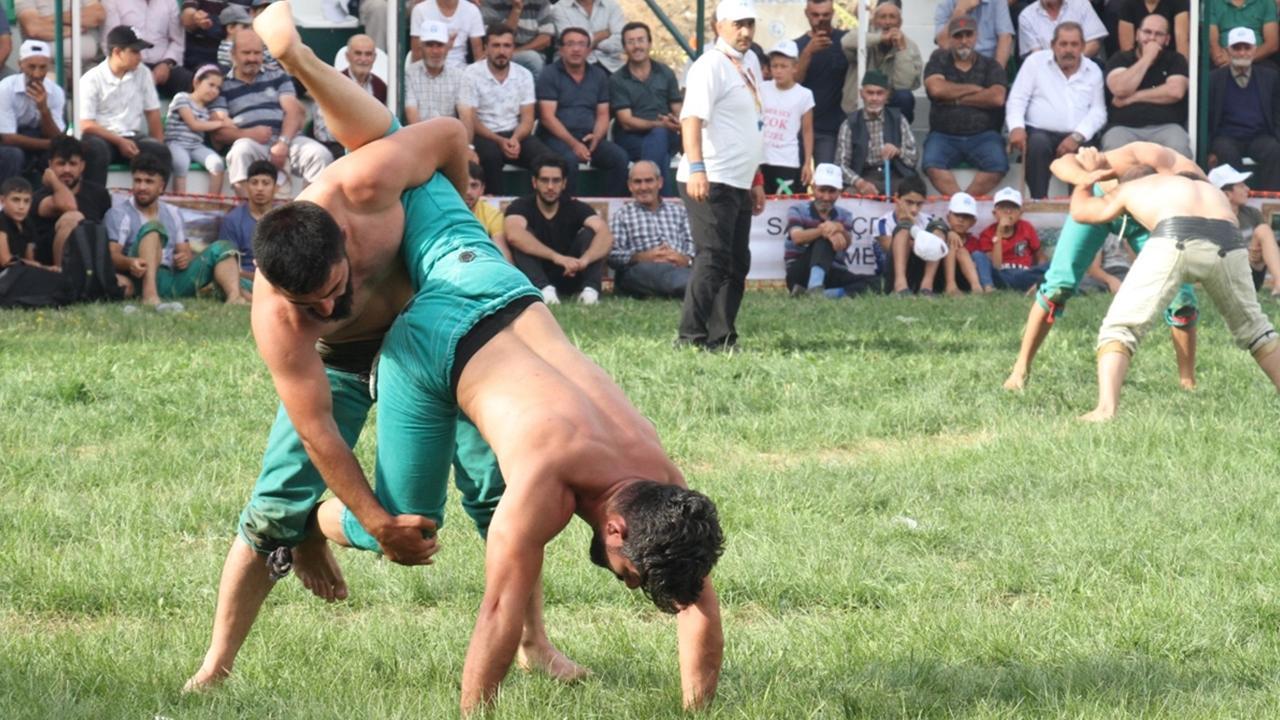
Karakucak Güreşi Karakucak güreşi is a form of wrestling practiced within the historical sporting tradition of the Turks, performed without oil and entirely while standing. This style of wrestling, practiced for many years across various regions of Türkiye, is regarded as one of the essential elements of traditional sports culture. Today, Karakucak güreşi is recognized as a sportive and cultural practice falling under the category of intangible cultural heritage. Historical Background The origin
EN
Bahtışen Kabak

Cremation
Cremation is a practice involving the burning of a deceased body and the burial of its remains, derived from the Latin verb "cremare," meaning "to burn." Throughout history, this burial method has been applied in various societies for religious, symbolic, or practical reasons. Archaeological evidence and written sources document its use in different periods across diverse regions, especially in Anatolia. Definition and Methods of Practice Cremation involves burning the deceased body at high temp
EN
Samet Şahin
 Th
ThThe Art of Filigree
Filigree is a traditional decorative art in which fine silver or gold wires are twisted or woven to form various intricate motifs. The term “telkârî” derives from the Arabic words tel (fine metal thread) and kâr (work), and over time, it came to denote this particular art form. Especially refined in the Anatolian region, filigree has thrived by drawing from the area's cultural richness and has endured to the present day. Originating in Mesopotamia, it developed notably in cities such as Mardin,
EN
Sinem Bostan
We Set Fire to a Log of Love (Book)
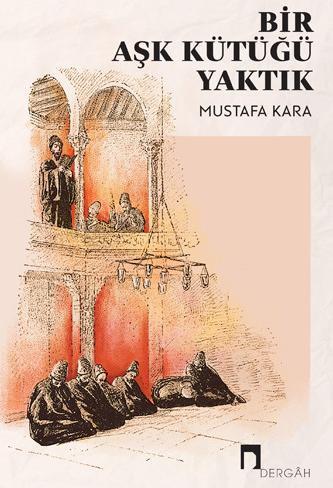
Bir Aşk Kütüğü Yaktık (We Set Fire to a Log of Love) is a work by Prof. Dr. Mustafa Kara that compiles articles, essays, and studies that shed light on the history of Turkish Sufism. It was published in October 2023 as part of Dergâh Publications' Contemporary Islamic Thought series. Subject The book examines the development of Sufi culture in Istanbul and Bursa through the symbolism of the expression "we set fire to a log of love, and threw it over Anatolia," which refers to the mission of Abdu
EN
Muhammed Samed Acar
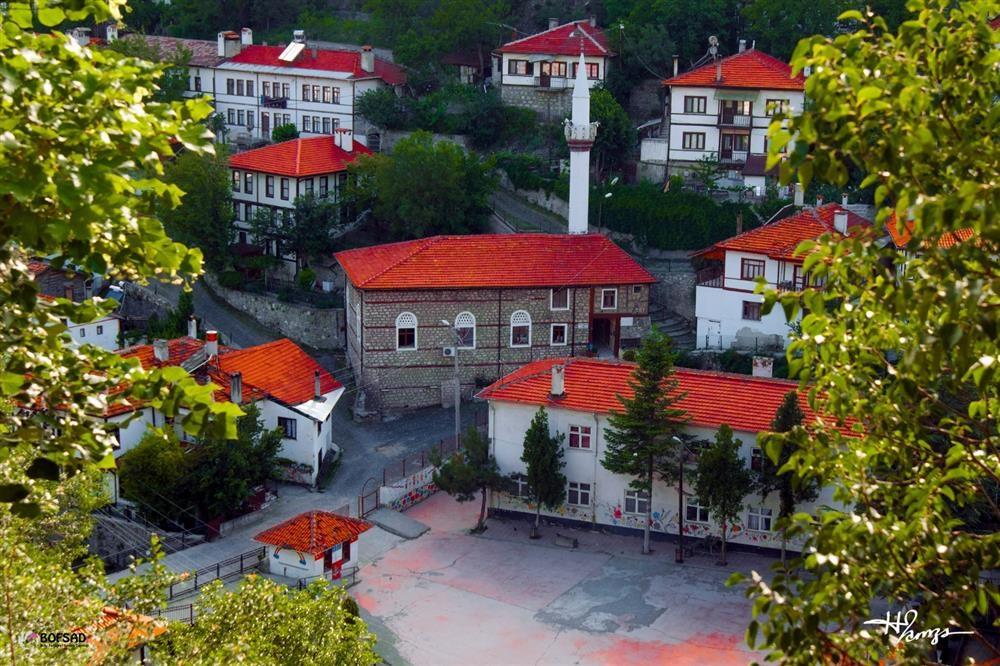
Göynük (District)
Göynük is a charming district of Bolu province, located 98 km from the city center, covering an area of 1,437 km², and situated at an altitude of 730 meters above sea level. The district has a population of 14,412. It is notable for largely preserving the traditional Turkish lifestyle culture of Anatolia, Ottoman architecture, and its natural texture. In 2017, the district was granted the "Cittàslow" (Slow City) title and was registered as an urban conservation area. Göynük (Bolu Directorate of
EN
Melahat Pamuk
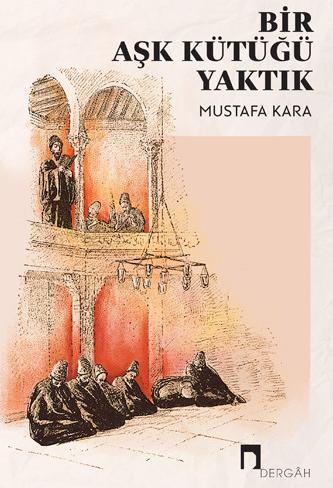
We Burned a Log of Love (Book)
We Lit a Log of Love is a collection of articles, essays, and studies by Prof. Dr. Mustafa Kara that shed light on the history of Turkish Sufism. Published in October 2023 by Dergâh Yayınları as part of its Contemporary Islamic Thought series. Subject The book examines the development of Sufi culture centered in Istanbul and Bursa, beginning with the symbolic phrase “We lit a log of love and cast it upon Rum,” which marks the dispatch of Abdürrahim Merzifonî in the 15th century to complete the S
ENMuhammed Samed Acar