

`culturalheritage` Related Article Results
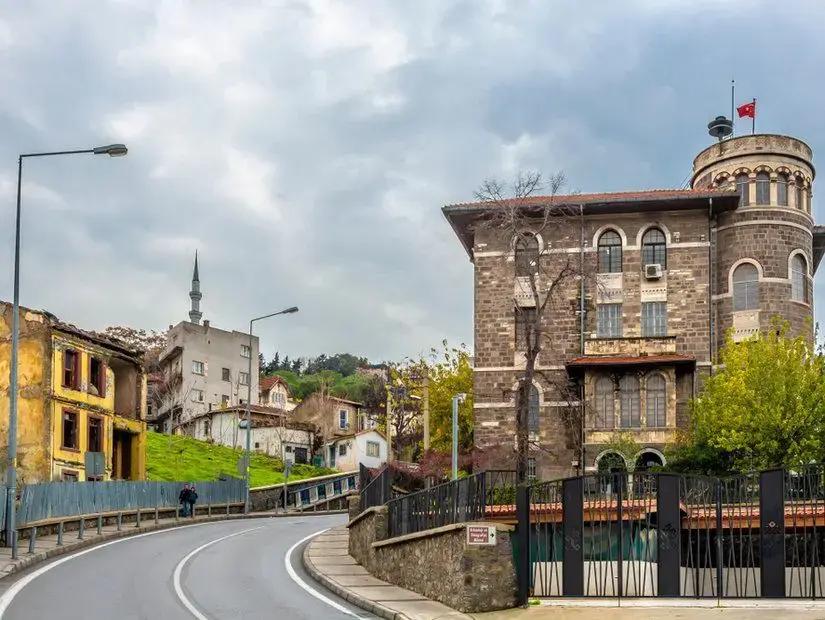
İzmir Archaeological Museum
İzmir, one of the most historically and culturally significant cities of the Aegean Region, boasts a rich heritage that stretches from ancient times to the present day. One of the most valuable reflections of this heritage is the İzmir Archaeological Museum. The museum exhibits artifacts uncovered through archaeological excavations conducted in and around İzmir, shedding light on the region's history from the Prehistoric Ages to the Byzantine Period. Initially opened in 1927 in the Aya Vukla Chu
AZ
Yunus Emre Sağlam
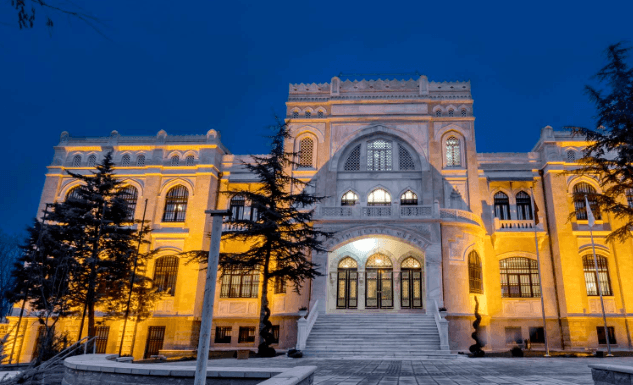
Ankara State Museum of Painting and Sculpture
In the early Republican period, when Türkiye’s cultural institutions were taking shape, the public role of art was redefined. In this context, the Ankara State Gallery and Statue Museum constitute a spatial and functional reflection of the Republic’s art policies. Museum is regarded both as an art archive and as an architectural document. Historical Background The building housing the museum was constructed between 1927 and 1930 by architect Arif Hikmet Koyunoğlu as the Turkish General Headquart
EN
Ahsen Güneş
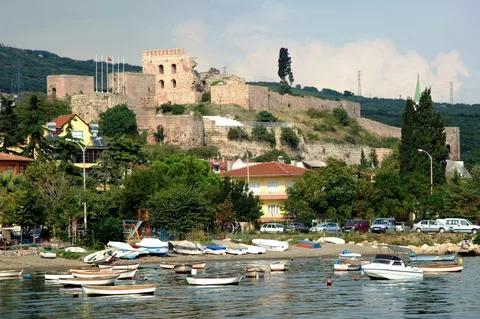
Eskihisar Castle
The Eskihisar Castle in the Gebze district of Kocaeli holds great significance in terms of the region’s historical and cultural heritage. This castle has been home to many civilizations and bears traces from various periods spanning from the Byzantine Empire to the Ottoman Empire, drawing attention due to its strategic location. Today, Eskihisar Castle has transcended its status as a mere historical site to become a symbol that enhances the region’s tourist appeal. It is a cultural heritage site
ENAhsen Güneş
 Na
NaNahal Tree
Nahıl Ağacı is a three-dimensional monumental craft object, typically designed in the form of a cypress or date palm tree, adorned with beeswax, precious stones, mirrors, and various figurines. It was used during festivals, weddings, and circumcision processions in the Ottoman Empire period, symbolizing abundance, prosperity, power, and the continuity of life. The term derives from the Arabic word "nahl," meaning "date palm tree," and over time it was also referred to in folk usage as "nakıl"İsm
EN
Yunus Emre Yüce
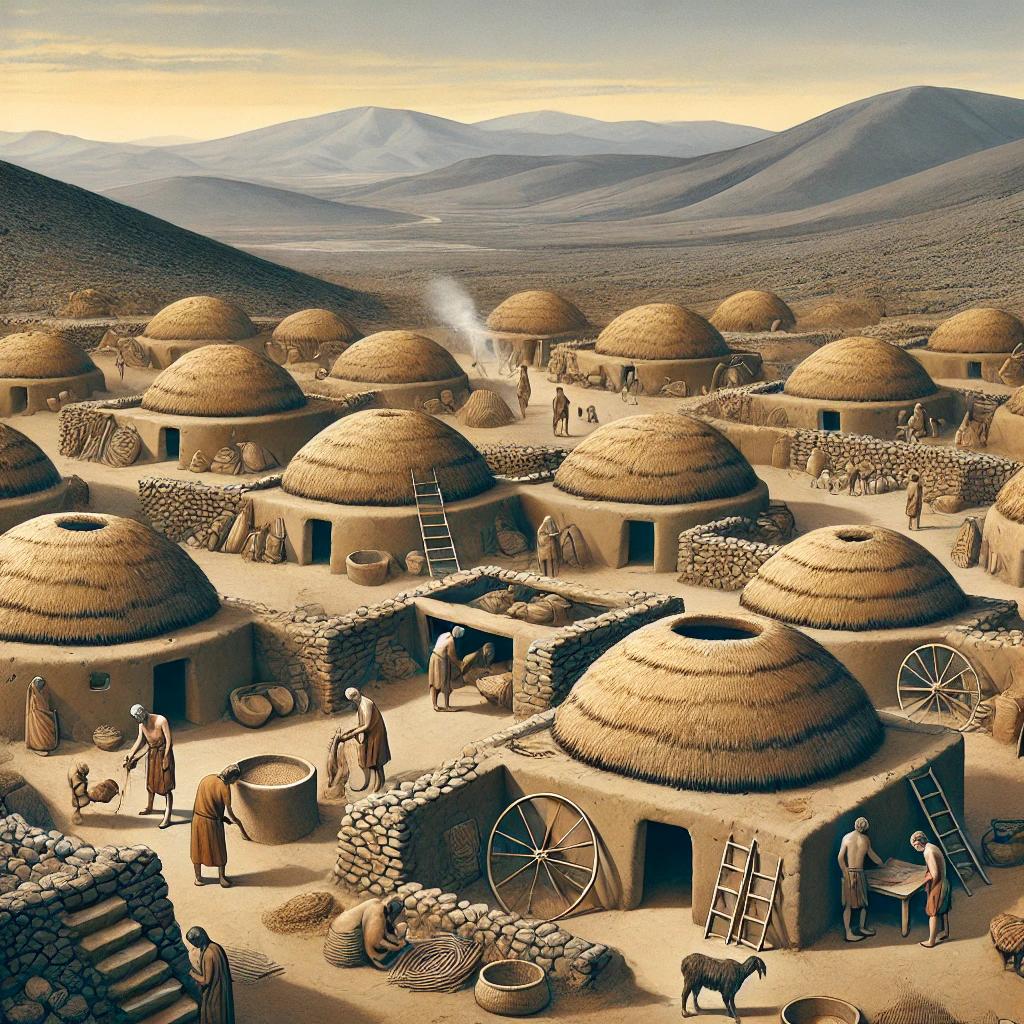
Aşıklı Höyük
Aşıklı Höyük is a Neolithic mound located near the district of Gülağaç in present-day Aksaray Province, along the banks of the Melendiz River. With a history dating back approximately 10,400 years, it represents one of the earliest known village settlements in the region and in Southwest Asia. The first permanent habitation at Aşıklı began in the mid-9th millennium BCE, and the site remained continuously occupied for about a thousand years, eventually forming a multi-layered settlement rising to
EN
Nazlı Kemerkaya
Falafel
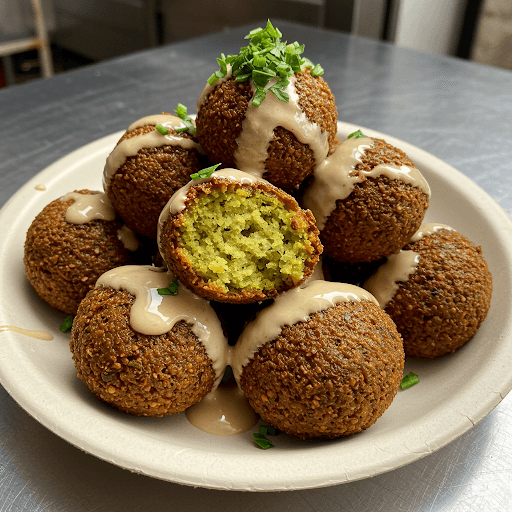
Falafel is a traditional Middle Eastern dish typically made from mashed chickpeas or fava beans, seasoned with spices, and deep-fried. Due to its plant-based ingredients and high protein content, it has gained popularity in both traditional and contemporary cuisines. With historical origins dating back thousands of years, falafel is studied not only from a gastronomic perspective but also as a cultural phenomenon. This dish has become widespread among local communities and internationally, prese
ENEmre Özen
TrTrabzon Atatürk Pavilion
Trabzon Atatürk Köşkü is a structure located in the Soğuksu neighborhood of Trabzon province, place distinguished by its historical fabric and important significance. This pavilion, where Atatürk stayed during his visits to Trabzon in the Republican era, draws attention through its architectural features and historical background. Today, serving as museum, Atatürk Köşkü is an important destination for both domestic and foreign tourists. Architectural and Historical Features Atatürk Köşkü was con
EN
Arif Zahid Yüksel
International Day of Islamic Art
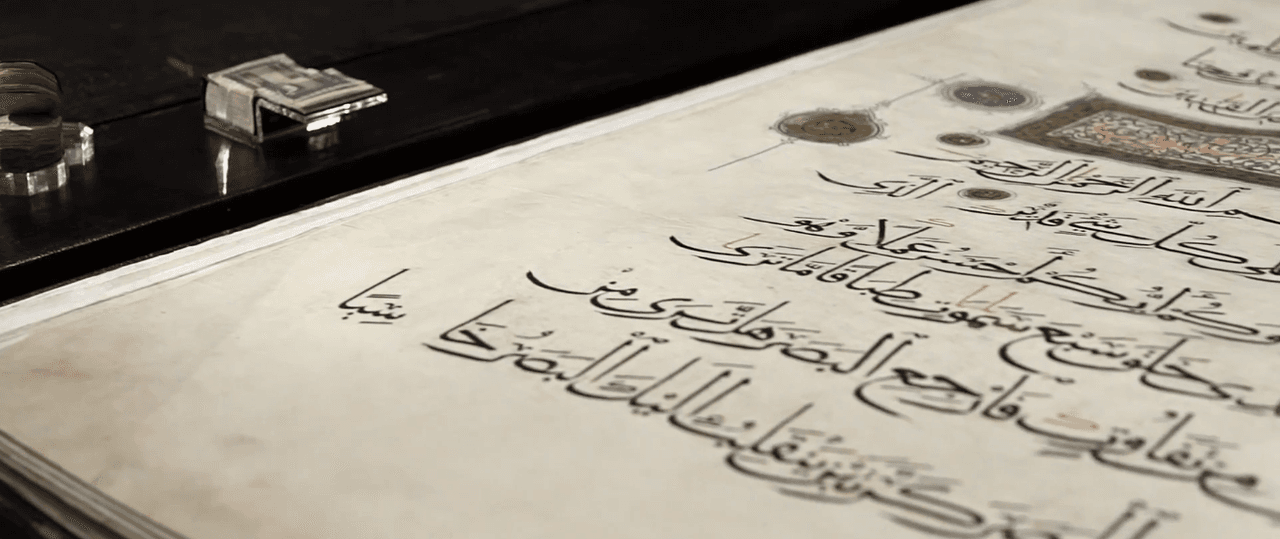
The International Day of Islamic Art is a special day established in the modern cultural calendar to recognize the contribution of Islamic arts to world heritage, promote their appreciation and encourage cultural dialogue. Proclaimed by the UNESCO General Conference, this day is observed annually on November 18. It aims to highlight the artistic legacy of Islamic civilization while fostering cultural rapprochement and strengthening tolerance and dialogue among peoples. Islamic Arts (Kültür Porta
EN
Nursena Güller
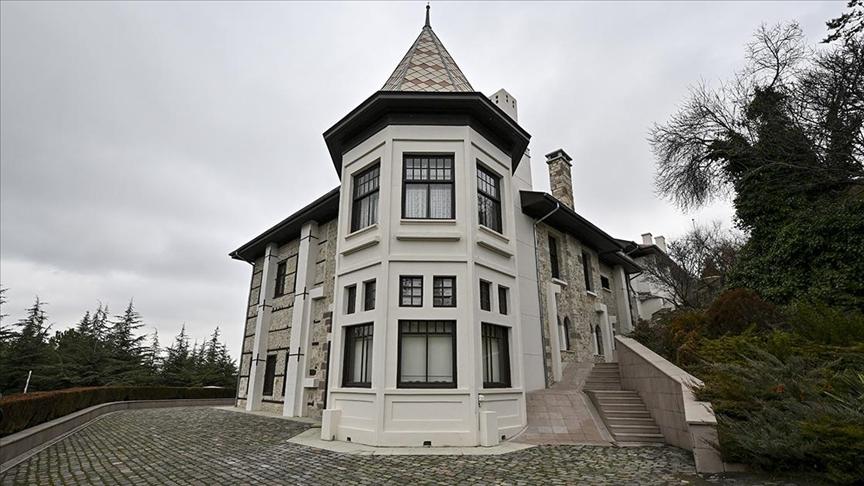
Atatürk Museum Pavilion
The Atatürk Museum House is located within the Çankaya Campus of the Presidency in Ankara. It was used by Mustafa Kemal Atatürk as both a residence and a workplace between 1921 and 1932. This house served as the official residence of Gazi Mustafa Kemal until his move to the Pink House and hosted significant developments during the War of Independence and the early years of the Republic. In 1950 it was converted into a museum and opened to the public. Origin and Structural Development of the Hous
EN
Ahsen Güneş
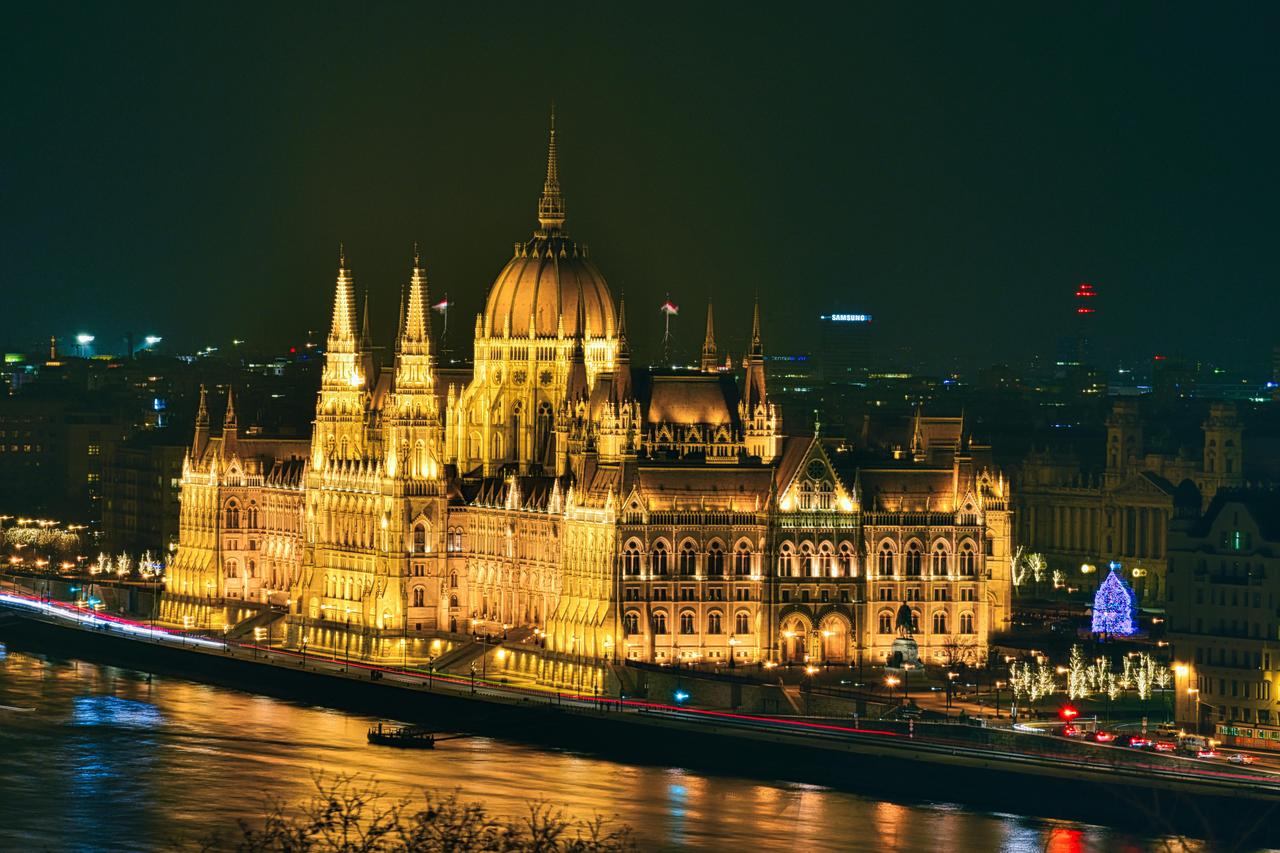
Hungarian Parliament Building (Országház)
The Parliament Building of Hungary (Országház), located on the Pest side of the Danube River in the capital city of Budapest, is the center of the country’s political life and one of Europe’s most significant architectural landmarks. History and Construction Process Construction of the Hungarian Parliament Building (Országház) began in 1885 and lasted exactly 17 years, with the structure completed and opened for use in 1902. The late 19th century was a period during which Hungary strengthened it
EN
Nursena Şahin