

`shamanism` Related Article Results
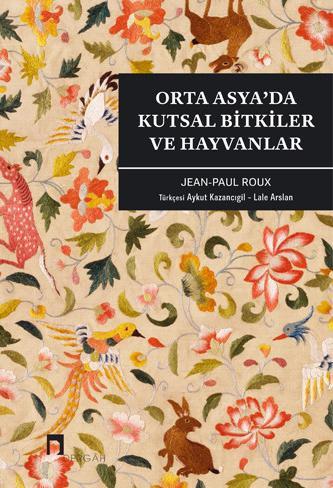
Sacred Plants and Animals in Central Asia (Book)
Sacred Plants and Animals in Central Asia (Orta Asya'da Kutsal Bitkiler ve Hayvanlar) is a work by the French historian and orientalist Jean-Paul Roux that examines the sacred relationship between Altaic Turks and nature. Translated into Turkish in 2023 by Dergâh Publications, this work is considered an extension of Roux's book Death Among the Altaic Turks. The book addresses the sacred meanings that the Altaic peoples attribute to plants and animals within a social and cosmological context. Sub
EN
Muhammed Samed Acar
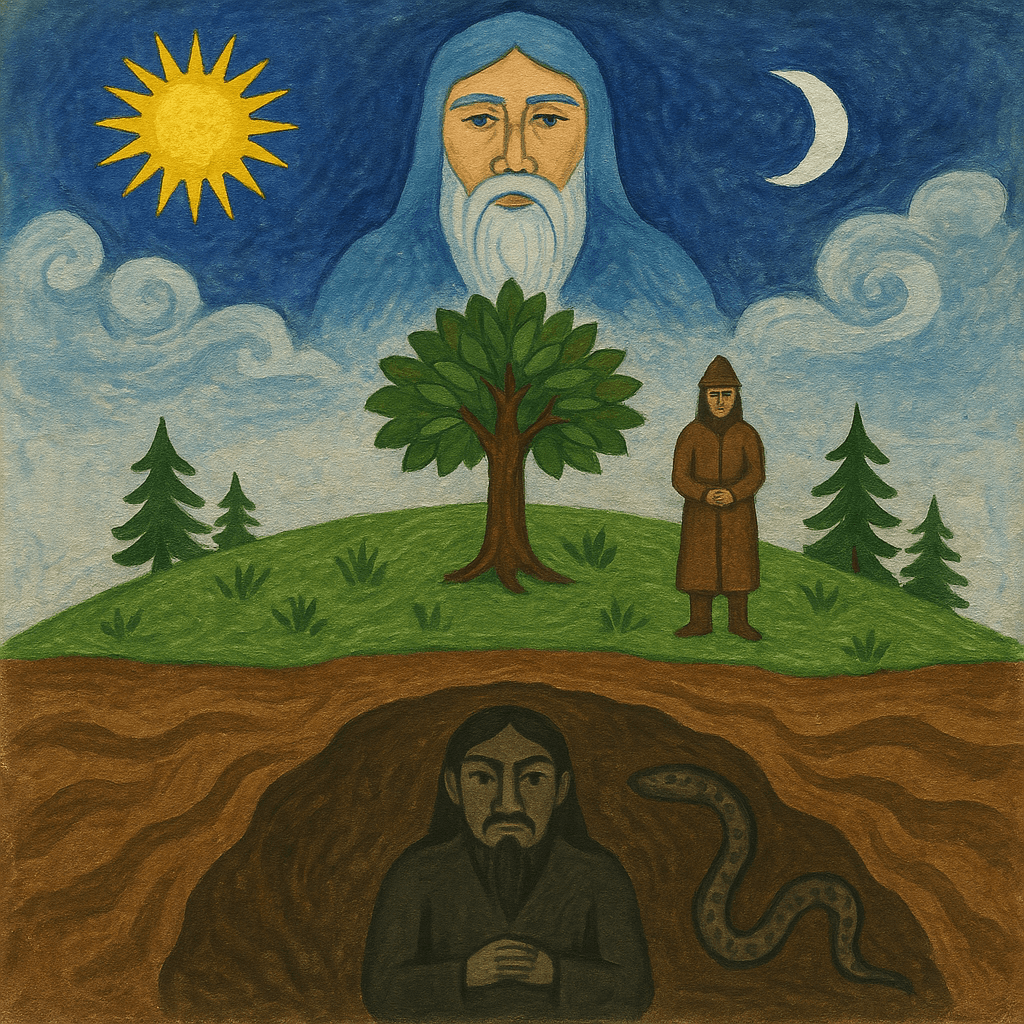
The Concept of the Triple World in Turkish Mythology
In Turkish mythology, the tripartite conception of the world is a cosmological model reflecting the ancient Turks’ understanding of the universe. According to this model, the universe consists of three main planes: the sky, the earth (surface), and the underworld. Each plane is defined by its own unique beings, spirits, and conceptual order. This worldview occupied a central place in the belief systems of the ancient Turks and shaped their social, cultural, mythological, and ritualistic lives. S
EN
Neriman Çalışkan
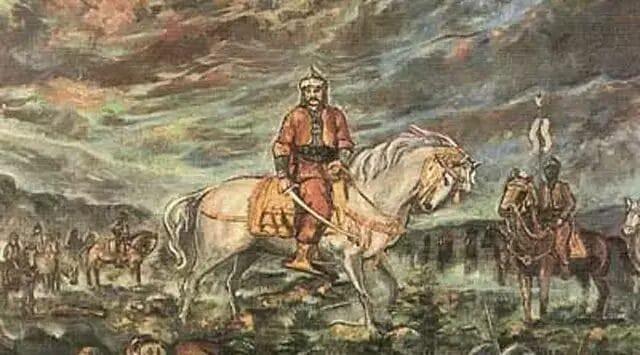
Turkish Creation Epic (Radloff Collection)
The Creation Epic is one of the oldest and most fundamental narratives in Turkic mythology. This oral tradition explains the creation of the universe, the origin of good and evil, and how cosmic order was established; it was collected among the Altai Turks in the 19th century by Wilhelm Radloff. The epic is not merely a mythological fiction but also a symbolic expression of the ancient Turkic belief systems and worldview. Mythological Context The Creation Epic was shaped particularly by shamanis
EN
Nursena Şahin
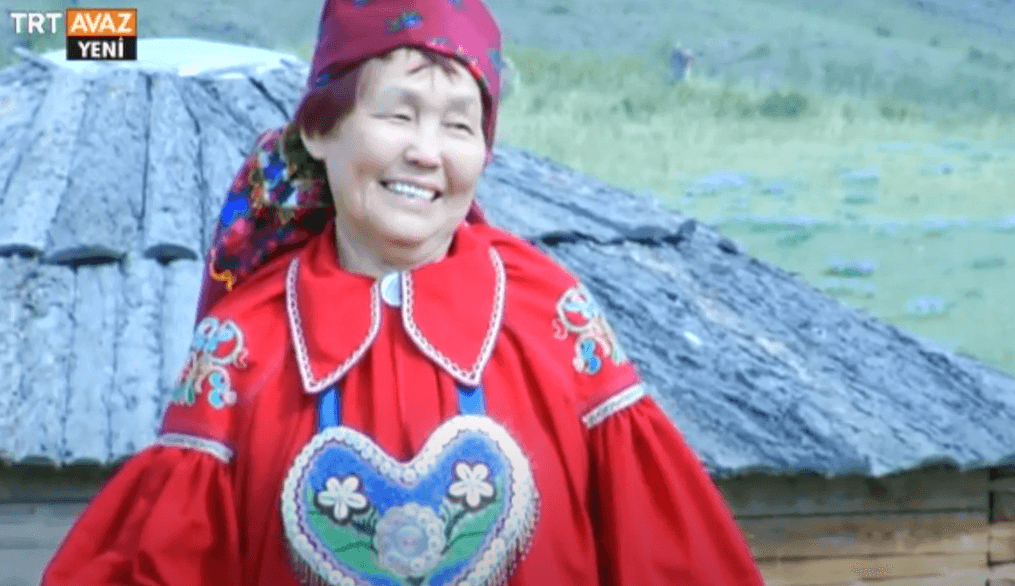
Hakas Turks
Hakas Turks are an ancient Turkic community originating from southern Siberia, known throughout history by various names. Today, this people live within the boundaries of the Republic of Khakassia, an autonomous republic of the Russian Federation, and trace their ethnic and cultural origins to the Yenisei Kyrgyz. In historical sources, they are also referred to by various subtribal and regional names such as “Abakan Tatars,” “Minusinsk Tatars,” “Yenisei Turks,” “Sagay,” “Kach,” “Kyzyl,” “Koybal,
EN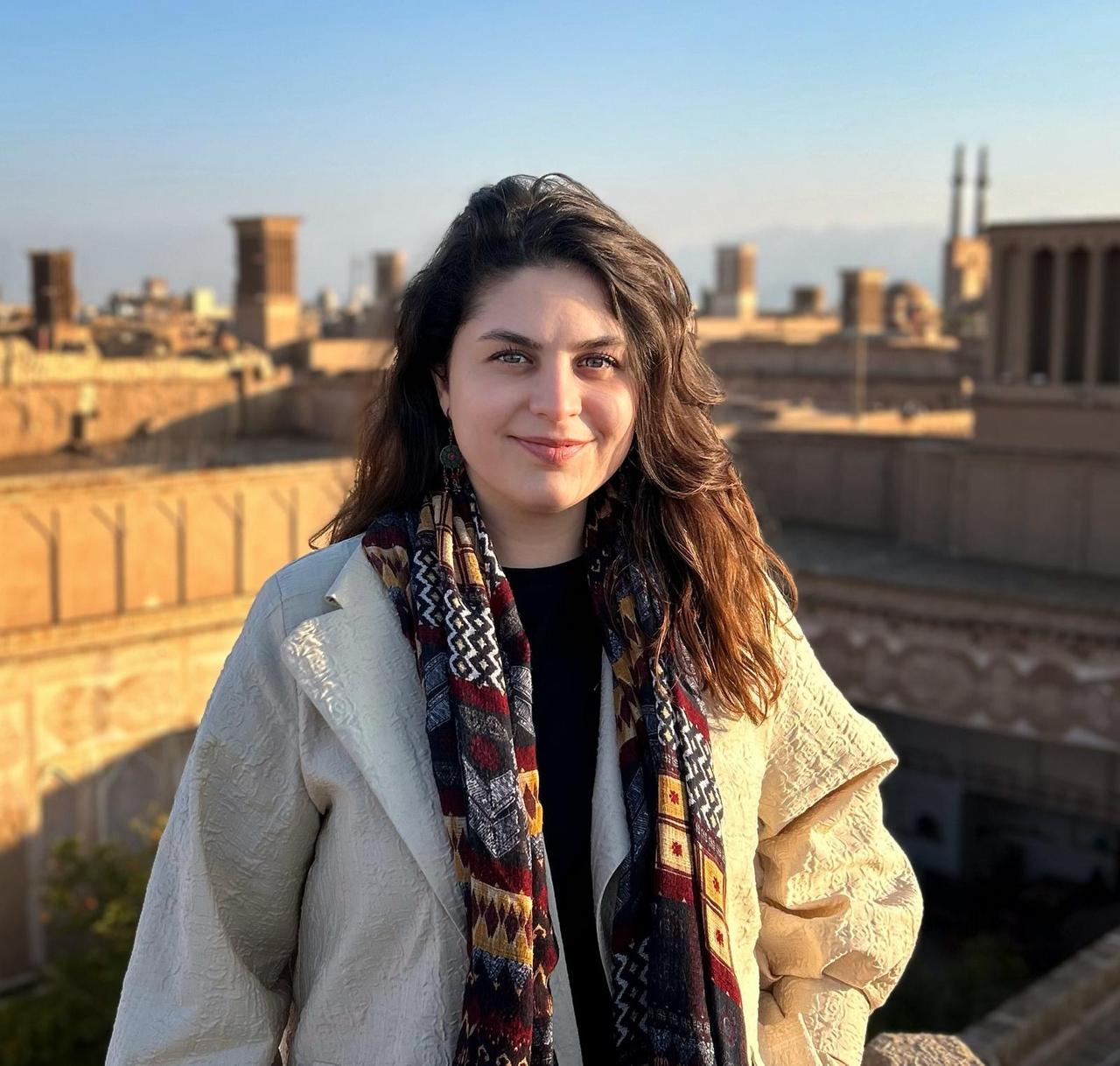
Duygu Şahinler
Who are the Shor Turks?
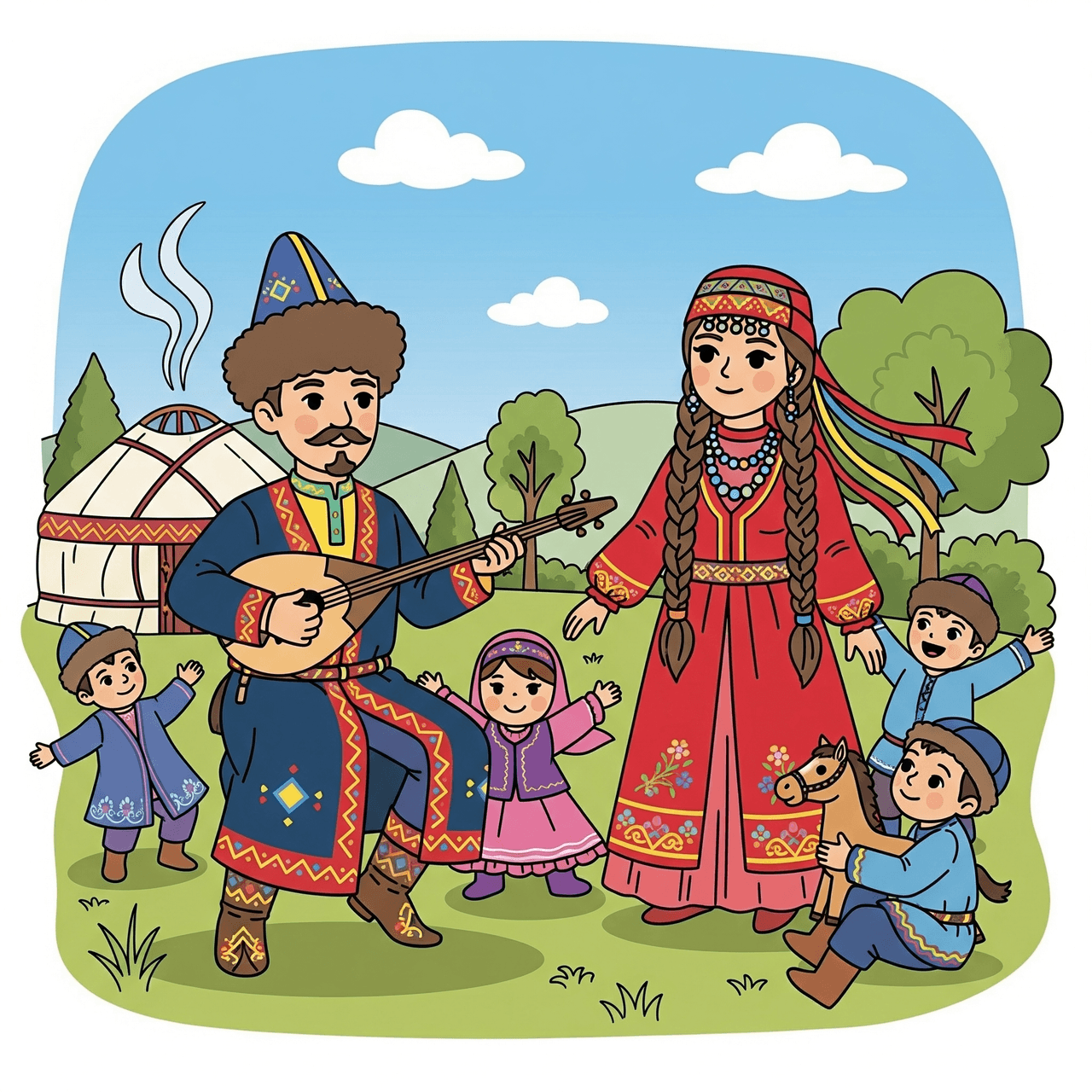
The Shors are a Turkic people primarily living today in Russia’s Siberian region, especially in Kemerovo Oblast. They are considered a branch of the Altai Turks and speak their own distinct Shor language, although Russian is now widely used as well. Traditionally, they engaged in hunting, fishing, and ironworking. Shor culture encompasses shamanistic elements deeply intertwined with nature, later influenced by Orthodox Christian traditions. Despite a declining population, efforts continue to pre
EN
İbrahim Filiz
Sekellers
Szekely (Hungarian: Székely) are the indigenous community of Székelyföld (Sekelistan), a region located in eastern Transylvania/Erdel in present-day Romania; its inhabitants have been known as Szekely since the earliest times. The Szekely formed a privileged group within the medieval Kingdom of Hungary, constituting a light cavalry class that, during peacetime, ensured internal security and, during wartime, undertook the roles of vanguard, reconnaissance, and border defense. These military funct
ENDuygu Şahinler

Yada Stone
Yada Stone is a stone known in Turkish cultural history to have been used in a manner akin to magic to control weather phenomena such as snow and rain. The Yada stone is mentioned under various names in Turkish dialects and Islamic sources: in Yakut as sata, in Kyrgyz as cay taş, in Kazakh as jadı taş and jay taş, in Bashkir as balataş and yeytaş, in Uyghur as kaştaş, in Altai as cada taş, and in Tuvan as çat taş. In Arabic Islamic sources it is referred to as hacerü'l-metar (rain stone), el-câl
EN
Yahya B. Keskin
The Protective Power of Salt in Local Beliefs
Salt has played a significant role throughout human history not only as a foodstuff but also as a protective element in religious, cultural, and spiritual rituals. In local beliefs, the protective power of salt has been regarded as a shield against the evil eye, malevolent spirits, and negative energies, particularly in Anatolia, Central Asia, and many other cultures. This symbolism is linked to salt’s purifying effect and is perceived as a means of protection on both physical and metaphysical l
EN
Metin Dağ
The Protective Power of Salt in Local Beliefs
Salt has played a significant role throughout human history not only as a foodstuff but also as a protective element in religious, cultural, and spiritual rituals. In local beliefs, the protective power of salt has been regarded as a shield against the evil eye, malevolent spirits, and negative energies, particularly in Anatolia, Central Asia, and many other cultures. This symbolism is linked to salt’s purifying effect and is perceived as a means of protection on both physical and metaphysical l
EN
Metin Dağ
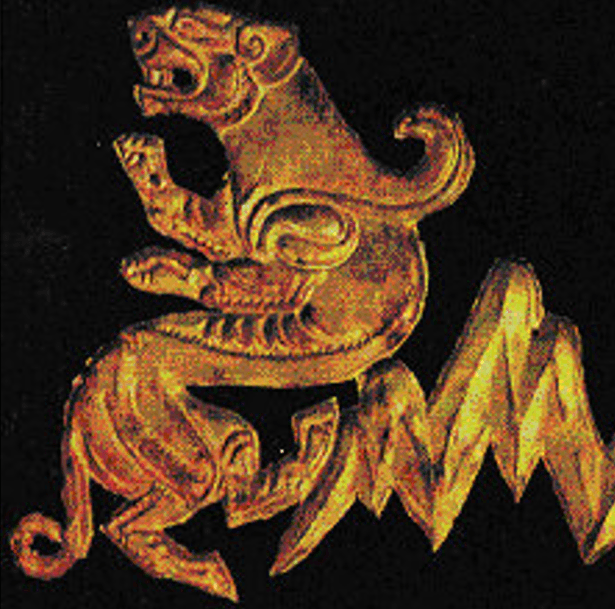
Animal Style
Animal style is the general term for animal motifs used in the artistic works of Turkic communities that adopted a nomadic lifestyle and formed the steppe culture. Through the intermediary of Scythians, Huns, Göktürks and other steppe groups, this style spread from Turkistan westward into Europe and eastward into China, featuring animal figures crafted using metal, wood, bone, leather, textile, and stone techniques. Animal style is based on the stylized or naturalistic depiction of animals in ar
EN
Neriman Sena Külünk