

`salt` Related Article Results
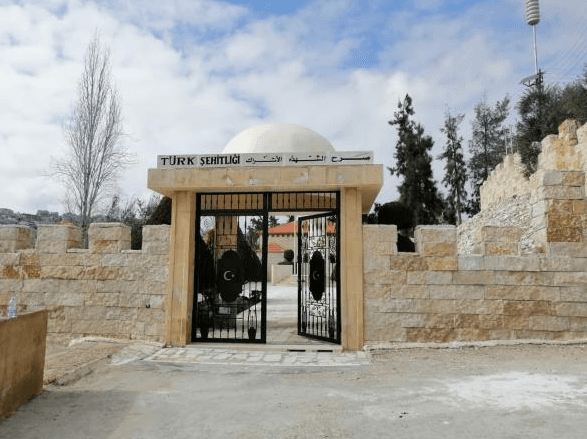
Salt Turkish Martyrs' Cemetery
Salt Martyrs’ Cemetery is a memorial located in the town of Salt, 30 kilometers from the capital of Jordan, Amman, and stands as a testament to Ottoman history and heroism. Approximately 300 Ottoman soldiers who fell defending the Palestine-Jordan crossing against British forces during the First World War are buried here. They belonged to the 143rd, 145th and 191st Infantry Regiments of the 4th Army. Salt Turkish Martyrs’ Cemetery (Source: Ministry of Foreign Affairs of the Republic of Türkiye)
EN
Sümeyra Uzun
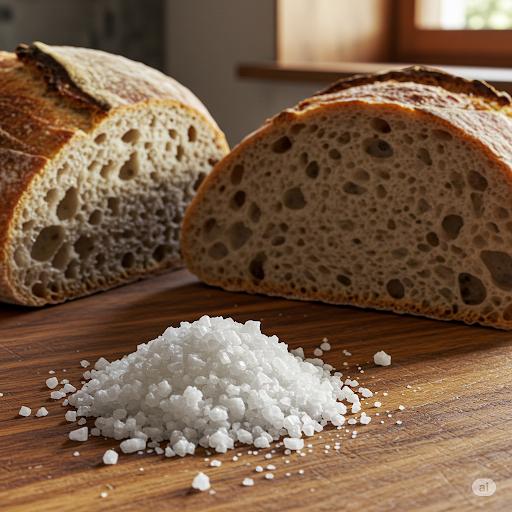
Right of Salt and Bread
In Turkish culture, the concept of “salt-bread right” is a verbal and practical tradition associated with values such as hospitality, loyalty, and social solidarity. This concept is based on the understanding that consuming bread and salt together establishes a bond between individuals. Cultural Significance of Salt and Bread In Turkish folk beliefs, salt is linked to concepts such as protection from the evil eye, abundance, and good fortune. Bread is regarded as a sacred food symbolizing life a
EN
Zeynep Ahmetbeyoğlu
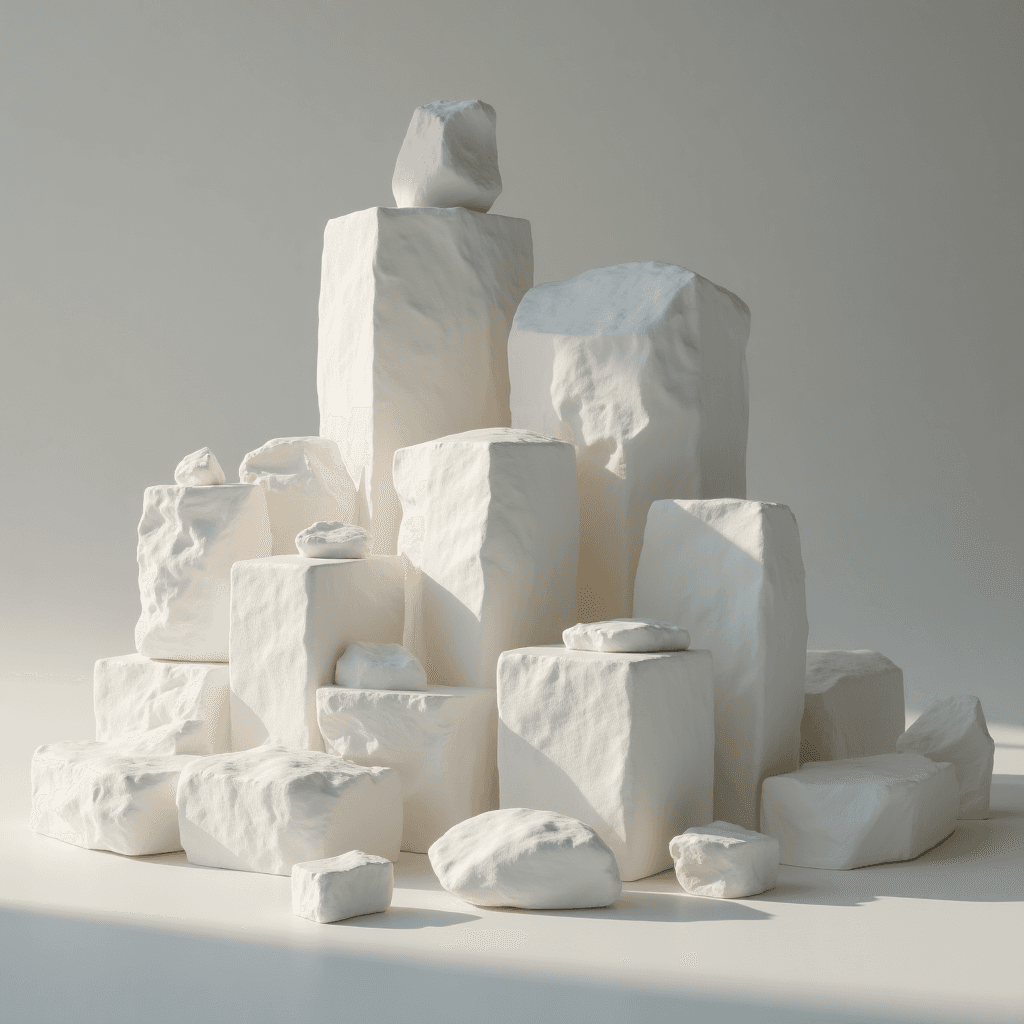
Calcium Carbonate (CaCO₃) (Salt)
Calcium carbonate (CaCO₃) is a crystalline, white ionic compound composed of calcium (Ca²⁺) and carbonate (CO₃²⁻) ions. In everyday life, it is known as limestone, marble, or chalk and holds great importance both naturally and industrially. Chemically, it is a stable salt with a basic character. CaCO₃ occurs naturally in various forms such as limestone, marble, chalk, and mussel shells. Industrial production is typically carried out by precipitation methods. Countries such as China, the United S
EN
İsmail Orçan
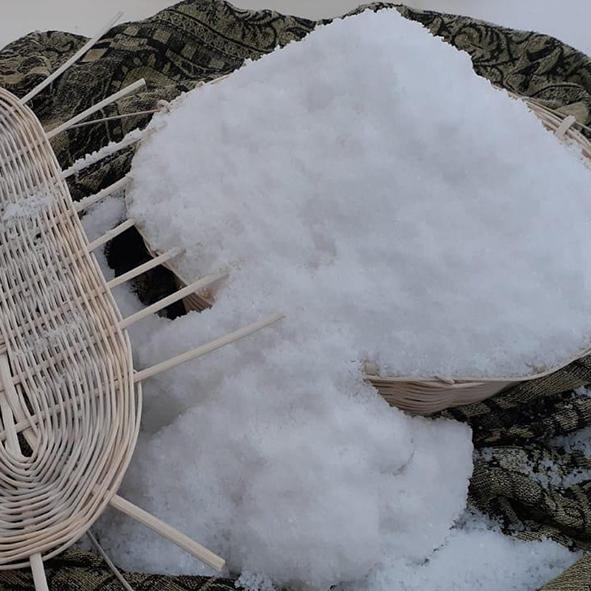
Kemah Natural Resource Salt
Kemah Natural Source Salt is a type of salt produced by evaporating natural saline waters originating from the geological structure of the Munzur Mountains in the Kemah district of Erzincan, registered under its place of origin. This saline water forms as underground waters pass through rock salt deposits and emerge at the surface, where it crystallizes under natural conditions—through sunlight and wind—to become a commercial product. Origin Kemah Natural Source Salt is a source salt derived fro
EN
Sabiha Meyra Şahinler
The Protective Power of Salt in Local Beliefs
Salt has played a significant role throughout human history not only as a foodstuff but also as a protective element in religious, cultural, and spiritual rituals. In local beliefs, the protective power of salt has been regarded as a shield against the evil eye, malevolent spirits, and negative energies, particularly in Anatolia, Central Asia, and many other cultures. This symbolism is linked to salt’s purifying effect and is perceived as a means of protection on both physical and metaphysical l
EN
Metin Dağ
Tunceli Pülümür Underground Spring Salt
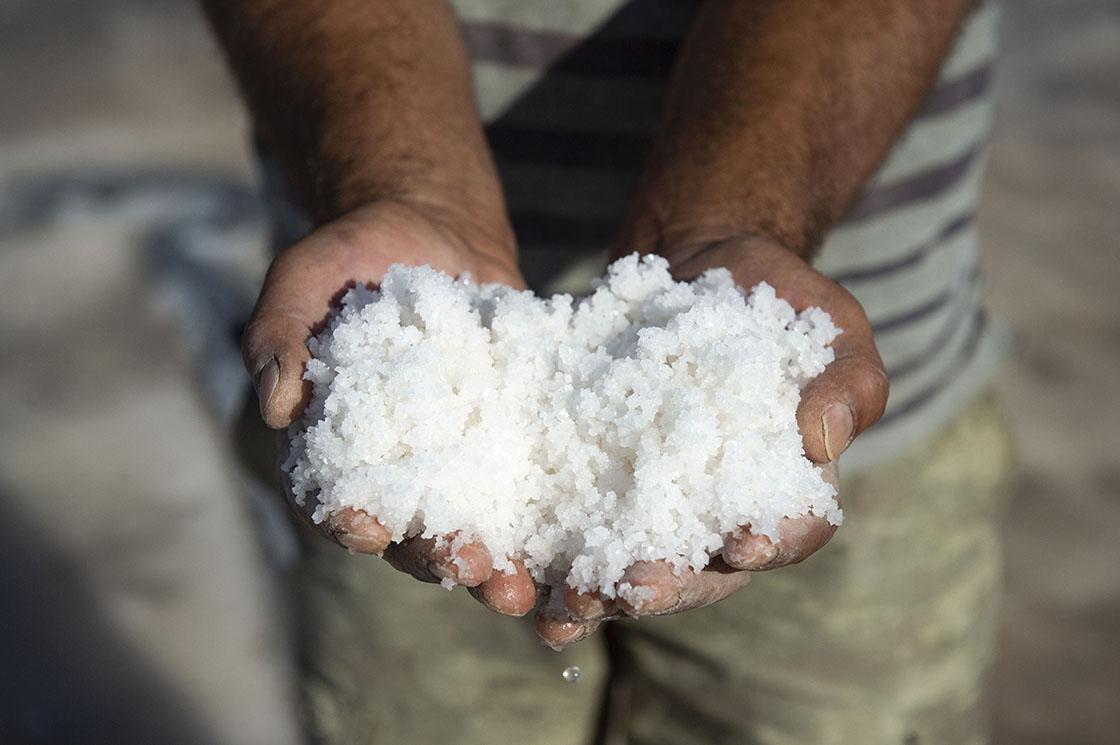
Tunceli Pülümür Underground Source Salt is an underground source salt produced in the Pülümür district of Tunceli province. The product is defined as a odorless, transparent, and cubic-shaped salt extracted from natural spring water deposits and crystallized under sunlight using traditional methods. It was officially registered as a geographical indication by the Turkish Patent and Trademark Office on 21 November 2025. Geographical Indication and Definition Registration Details Tunceli Pülümür U
EN
Melikcan BUDAK
The Protective Power of Salt in Local Beliefs
Salt has played a significant role throughout human history not only as a foodstuff but also as a protective element in religious, cultural, and spiritual rituals. In local beliefs, the protective power of salt has been regarded as a shield against the evil eye, malevolent spirits, and negative energies, particularly in Anatolia, Central Asia, and many other cultures. This symbolism is linked to salt’s purifying effect and is perceived as a means of protection on both physical and metaphysical l
EN
Metin Dağ
Çankırı Salt Cave
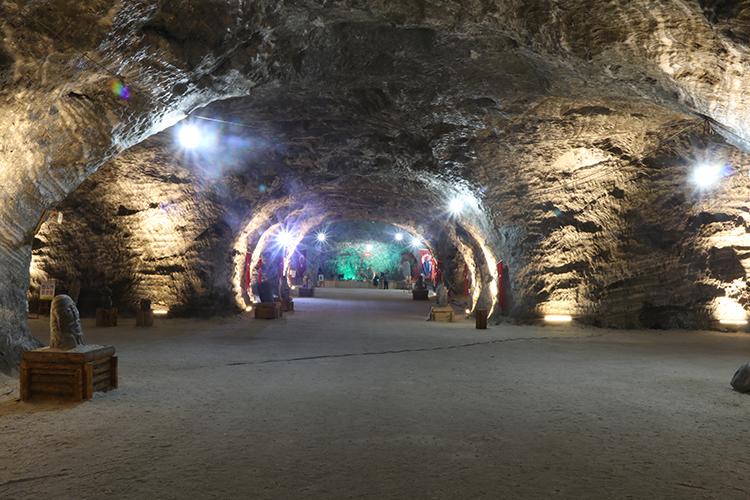
The Çankırı Salt Cave is a natural salt formation located approximately 18 kilometers east of the city center of Çankırı, within the boundaries of Balıbağı Village, in Türkiye’s Central Anatolia Region. The cave is recognized as one of the oldest and largest rock salt mines in the world, with salt production having taken place there for about 5,000 years. For many years, salt was extracted within the cave, and the voids created during this process gradually evolved into an extensive underground
EN
Dilek Süeda Çolak
Acid - Base
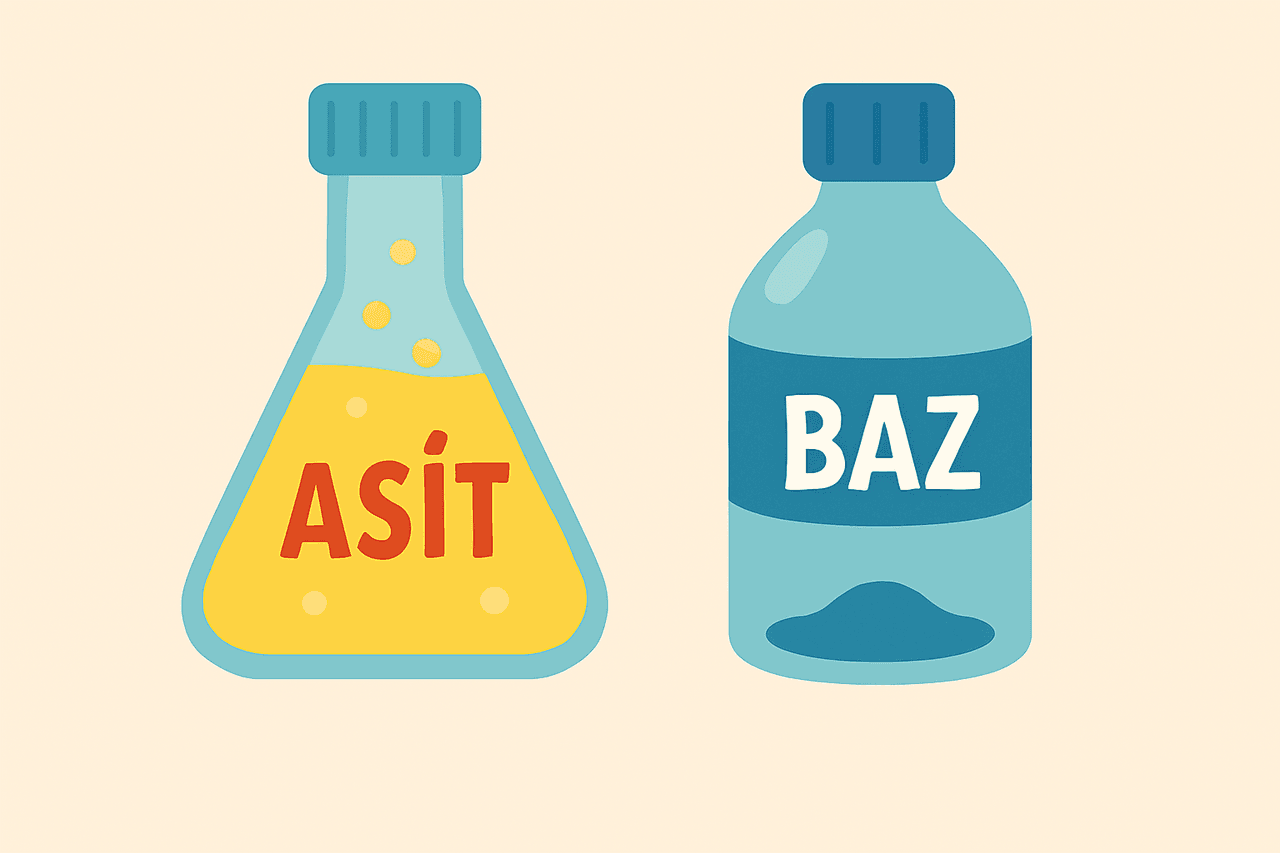
In the world of chemistry, we frequently encounter acids and bases, which appear everywhere in our lives. The sour taste of a lemon, the slippery feel of soap, or the ability of detergent to clean clothes—all are related to acids and bases. So, what exactly are acids and bases? Let us explore this fascinating world! What Is an Acid? Acids are substances with a sour taste. For example, lemon juice, orange juice, and vinegar are all acids. The word “acid” comes from the Latin word “acidus,” meanin
EN
Elif Laçin
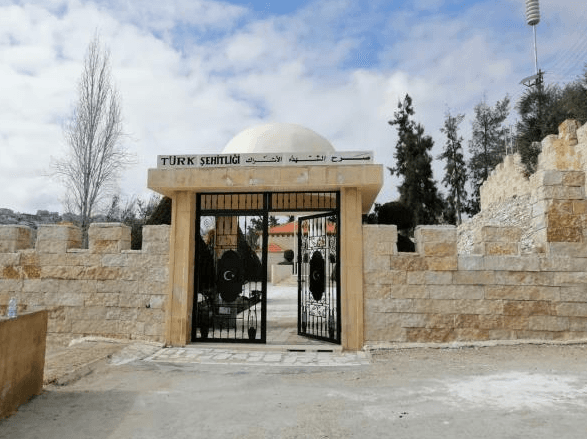
Salt Turkish Martyrs' Cemetery
Salt Turkish Martyrs’ Memorial is a monument located in the town of Salt, 30 kilometers from Amman, the capital of Jordan, bearing witness to Ottoman history and heroism. Approximately 300 Ottoman soldiers, belonging to the 48th Division of the 4th Army, who fell in battle defending the Palestine-Jordan pass against British forces during the First World War, are buried here. They were members of the 143rd, 145th and 191st Infantry Regiments. These brave soldiers fought to the end against the Bri
EN
Sümeyra Uzun