

`anatolianculture` Related Article Results
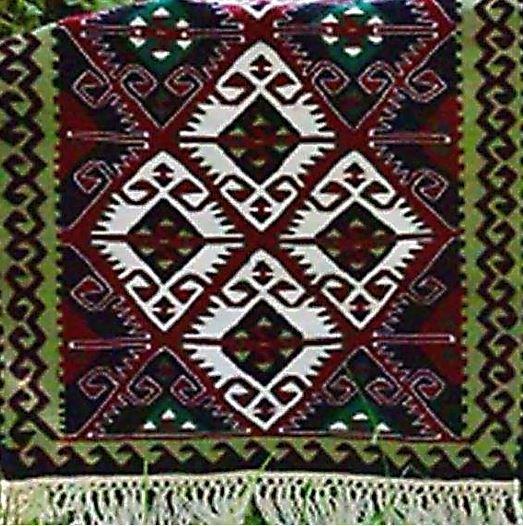
Beytüşşebap Jirki Kilim
Beytüşşebap Jirki Kilim, Şırnak Province’s Beytüşşebap and surrounding areas, is a handcrafted textile woven with wool yarn. Kilim weaving is achieved by interlacing warp and weft threads in a specific pattern. The tradition of kilim weaving has been sustained for generations by the local population, and its motifs are closely linked to the region’s way of life and cultural values. Materials and Dyeing Methods The primary material used in the production of Beytüşşebap Jirki Kilim is pure wool ya
EN
Zelal Çakar
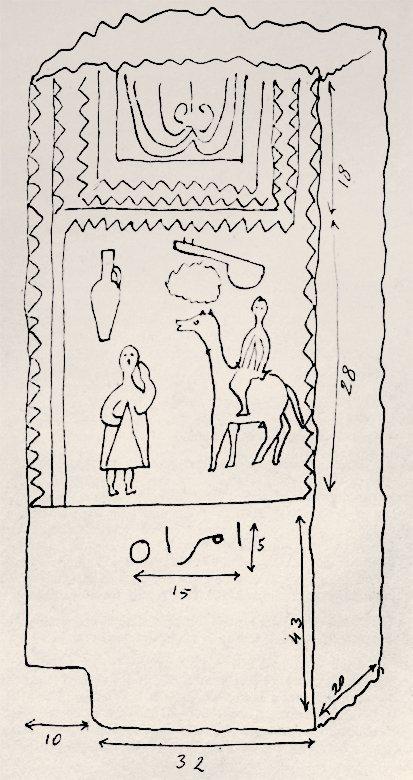
The Story of Emrah and Selvihan
The Story of Emrah and Selvihan is a folk tale from Turkish folk literature that belongs to the tradition of courtship, combining both prose and poetry. The tale is associated with Emrah of Erciş and is among the widely told love-themed folk stories across Anatolia. Emrah of Erciş Emrah of Erciş is a folk poet traditionally believed to have lived in the 17th century and associated with the Erciş district of Van. He is recognized as an âşık who was trained in the âşıklık tradition, playing the sa
EN
Rabia Dalkıran
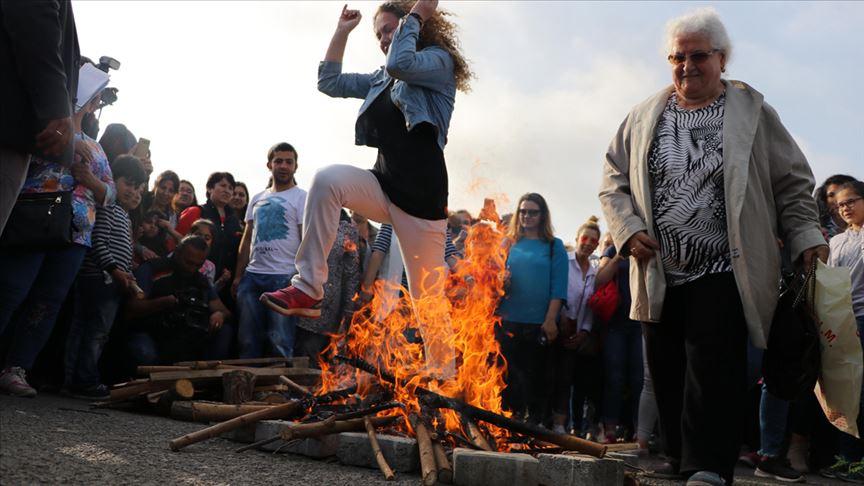
Hıdrellez
Hıdrellez is a seasonal festival observed across a broad geographical area, primarily in Anatolia and the Balkans, marking the arrival of spring, the renewal of nature, and the beginning of summer. It is celebrated on May 6 according to the Gregorian calendar, which corresponds to April 23 in the Julian calendar.Ahmet Yaşar Ocak, "Hıdrellez," İslam Ansiklopedisi, erişim 10 Aralık 2025, https://islamansiklopedisi.org.tr/hidrellez ">【1】 In folk calendar systems, the year is divided into two par
EN
Nursena Şahin
 Yo
YoYoung Osman Ballad
Genç Osman Türküsü is an epic folk ballad that recounts the heroism of a young warrior from Aksaray who fell martyr during the Baghdad Campaign conducted by the Ottoman Empire in the 17th century. The lyrics and story of the ballad have been preserved in various versions across different regions of Anatolia. The Story of Genç Osman Born in 1621 in the village of Dorikini in Aksaray, Osman lost his father at a young age and was raised by his mother. He excelled in wrestling, archery, and swordsma
EN
Eyüp Ecmel Acat
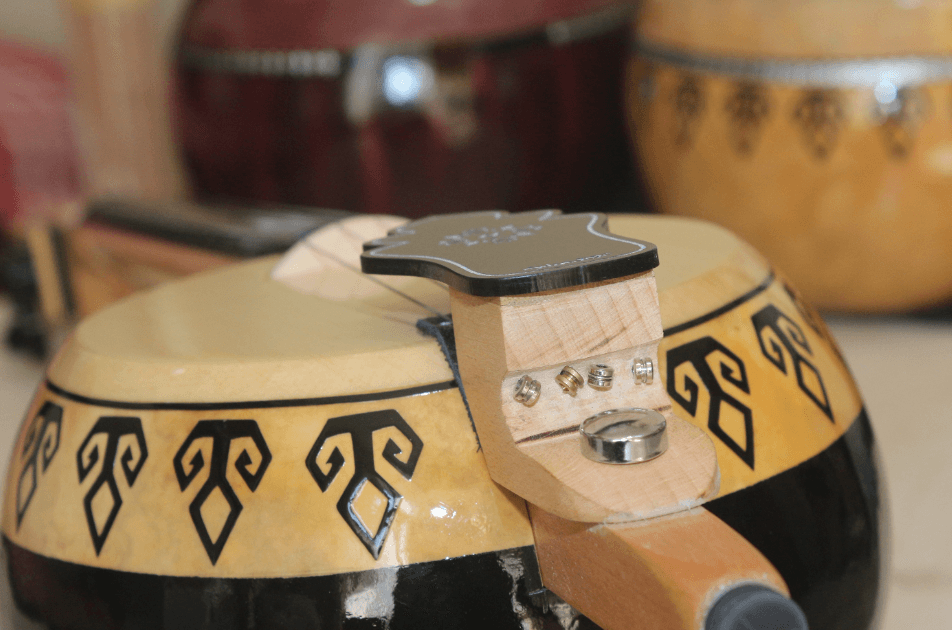
Kabak Kemane
Kabak kemane is a Turkish folk music instrument with a body traditionally made from a gourd, a skin-covered soundboard, and played with a bow. Among stringed and bowed instruments, it is distinguished by its use of animal skin as a soundboard covering. Historically, this instrument gained widespread popularity in Anatolia, particularly in the western and southwestern regions, and over time evolved from a regional instrument into one recognized and performed throughout Türkiye. Kabak Kemane Image
EN
İremsu Ümit
SeSelling Snails in the Muslim Neighborhood
Imagine this: your cart is filled with the most rare and finest products in the world. You have traveled long distances and have no doubt about the value of the treasures in your hands. Yet when you arrive at a town square and set up your stall, you notice people staring at you with astonishment—and even a hint of hostility. The problem is not the quality of your product but its alienness in that very place. This is precisely the situation we respond to with one of the deepest social observation
EN
Meryem Yılmaz

Ashura
Aşure is regarded as an important traditional dessert across Türkiye, as well as in the Middle East and Balkans. This dessert carries both religious and social significance and is prepared particularly on the tenth day of the Islamic lunar month of Muharrem, then distributed among the community as an act of shared generosity. For centuries, Aşure has endured as a multilayered cultural symbol shaped by literature and belief systems. History and Origins The sacredness attributed to the day of Aşur
EN
Meryem Betül Kaya

A Modern Poet in Values Education: Barış Manço
Barış Manço is an original artist who actively used music as a vehicle for conveying messages, interpreting traditional sources in an original form—not only through his music but also through his lifestyle and appearance. The transmission and preservation of cultural heritage, which constitutes a society’s material and spiritual existence as well as its written and oral values, through language and cultural education holds vital importance for the development of individuals and societies. Barış
EN
Gözde Cabadak
The Protective Power of Salt in Local Beliefs
Salt has played a significant role throughout human history not only as a foodstuff but also as a protective element in religious, cultural, and spiritual rituals. In local beliefs, the protective power of salt has been regarded as a shield against the evil eye, malevolent spirits, and negative energies, particularly in Anatolia, Central Asia, and many other cultures. This symbolism is linked to salt’s purifying effect and is perceived as a means of protection on both physical and metaphysical l
EN
Metin Dağ
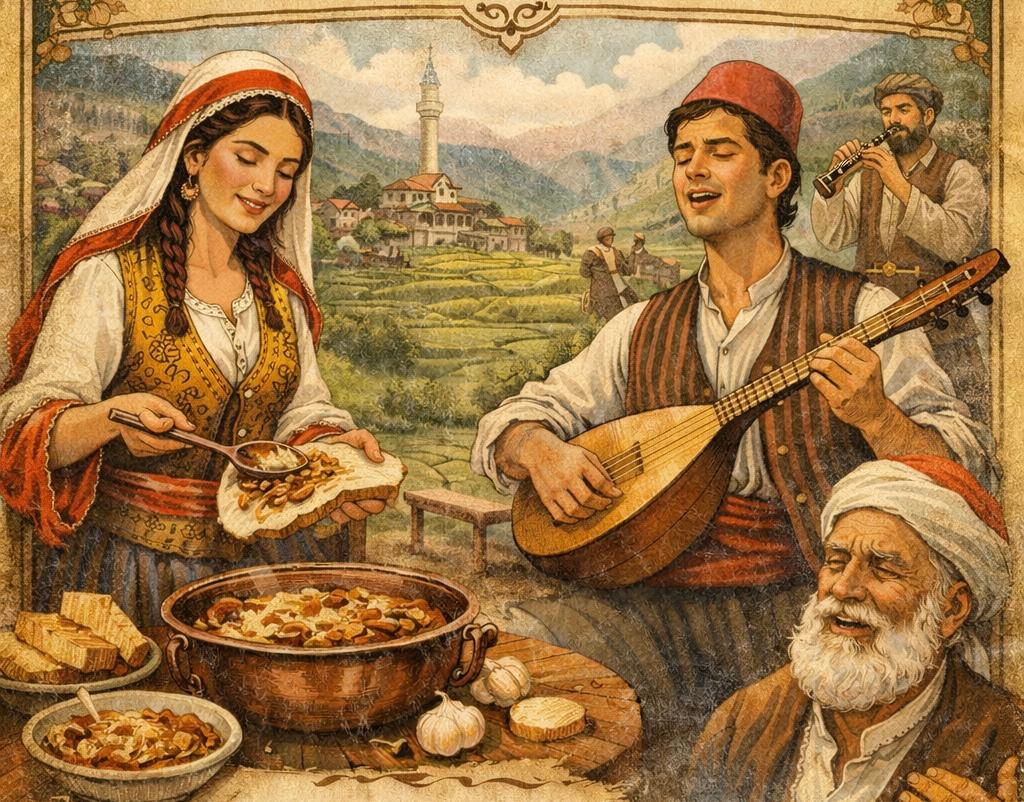
Tiridine Bandım (Folk Song)
Tiridine Bandım is an anonymous folk song from the Anatolian folk music repertoire, associated with the Kastamonu region and its surroundings in terms of both lyrics and melody. The song emerged within the oral culture tradition and contains narrative elements reflecting local life practices and social relationships. Everyday speech patterns, regional linguistic features, and narrative structure reveal characteristics of the cultural environment in which the song developed. Origin and Historical
EN
Beyza Başar