

`traditionalritual` Related Article Results
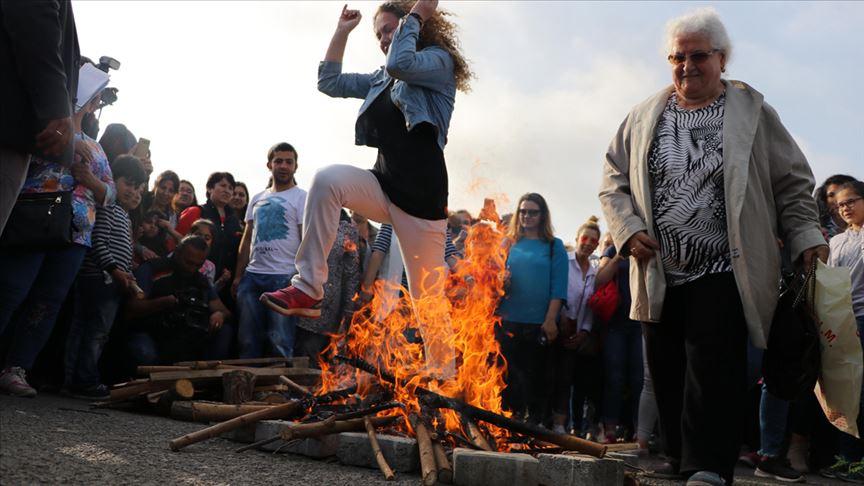
Hıdrellez
Hıdrellez is a seasonal festival observed across a broad geographical area, primarily in Anatolia and the Balkans, marking the arrival of spring, the renewal of nature, and the beginning of summer. It is celebrated on May 6 according to the Gregorian calendar, which corresponds to April 23 in the Julian calendar.Ahmet Yaşar Ocak, "Hıdrellez," İslam Ansiklopedisi, erişim 10 Aralık 2025, https://islamansiklopedisi.org.tr/hidrellez ">【1】 In folk calendar systems, the year is divided into two par
EN
Nursena Şahin

Matraka
Matraka (or its Spanish spelling, matraca) is a traditional percussive instrument and noisemaker belonging to the idiophone family. Typically made of wood, it produces sound through the mechanical interaction of a toothed wheel mounted at the end of a handle and one or more wooden hammers or flexible elements that strike the wheel as it rotates. When spun manually in a circular motion, the matraka generates a high-pitched, clattering, and continuous noise. Historically, it has been used in relig
EN
Burak Enes
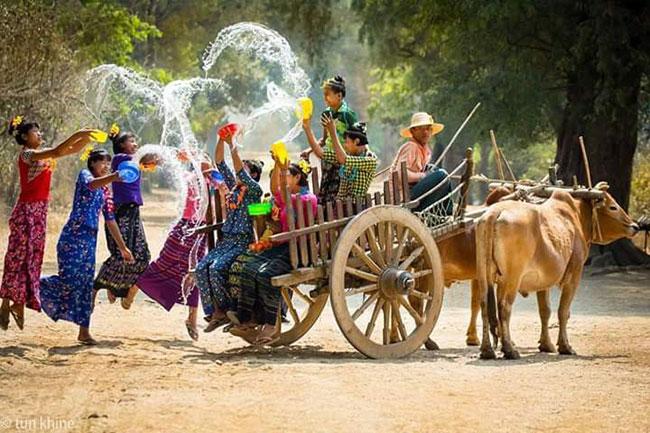
Atã Thingyan Festival
Thingyan (officially Atā Thingyan), is the traditional Water Festival of the New Year in Myanmar. One of the country’s oldest and most widespread cultural events, the festival centers on the themes of purification, renewal, and social unity as the new year begins. For the people of Myanmar, Thingyan is not merely a calendrical transition but a collective cultural practice symbolizing the symbolic cleansing from the negativity of the past year and preparation for a fresh start. In this sense, the
EN
Fatma Fırat
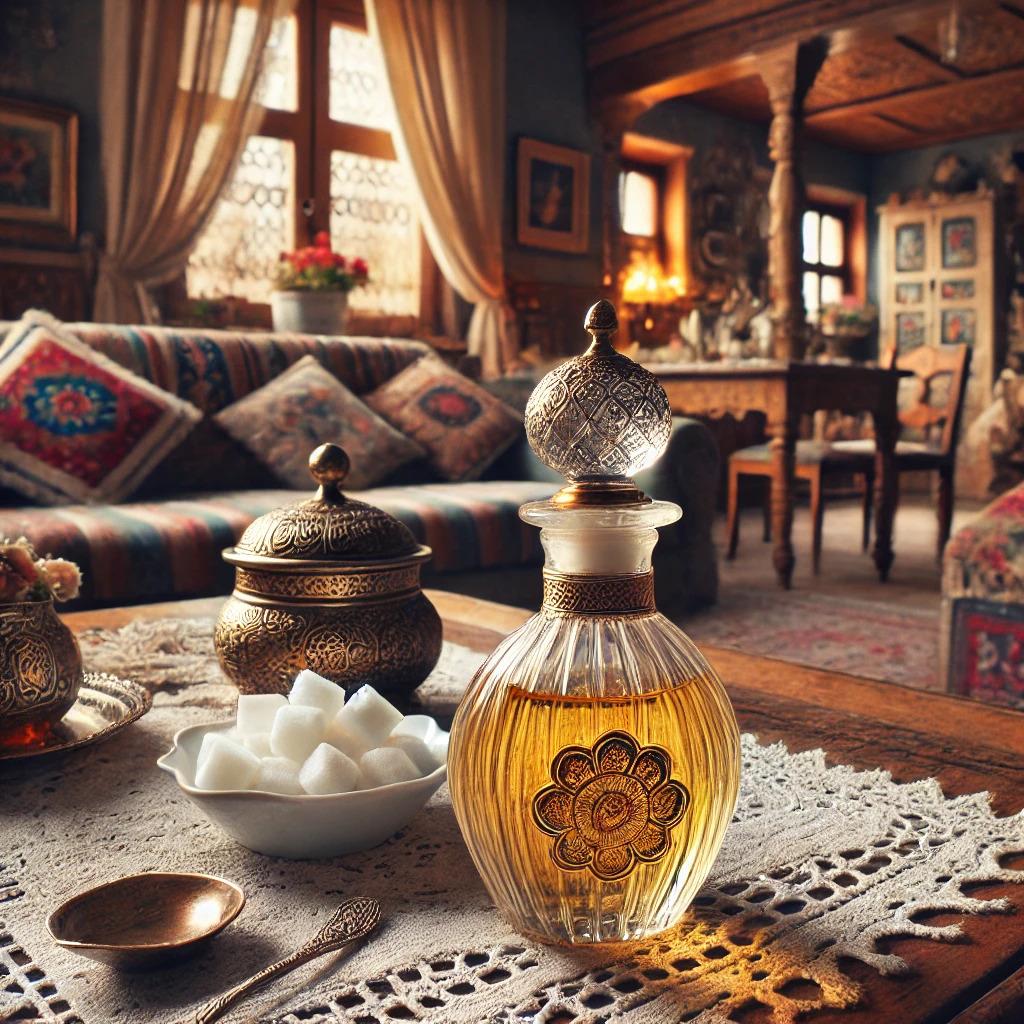
Eau de cologne
Cologne is a fragrant product made from a mixture of ethyl alcohol, water, and aromatic essences such as lemon, flower, or tobacco, known for its refreshing and antiseptic (germ-killing) properties. As a diluted version of perfume, cologne has assumed various functions over the centuries in both Europe and Türkiye. In particular in Türkiye, cologne has become more than just a hygiene and fragrance product; it has also come to symbolize hospitality and a cultural tradition. Origins and History of
EN
Ayşe Aslıhan Yoran
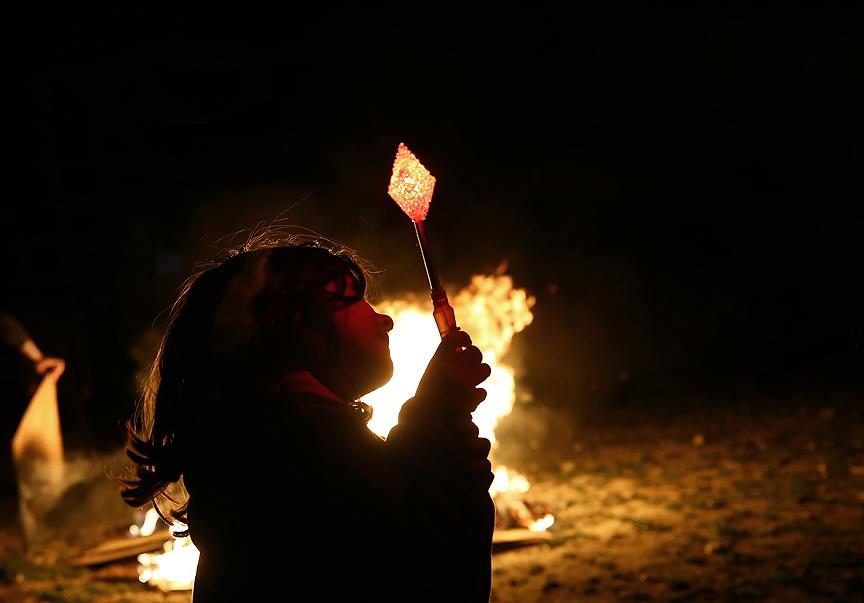
Fener Alayı
The lantern parade is a ceremonial and festive event conducted collectively on specific days and nights such as holidays and celebrations, in which participants walk through public spaces carrying light sources (lanterns, torches, etc.). It is defined as a nocturnal communal activity held to mark occasions related to celebration, commemoration, or the religious-cultural calendar. The lantern parade functions both as a ritual repeated annually at fixed times within local traditions and as an elem
EN
Meryem Şentürk Çoban
The Protective Power of Salt in Local Beliefs
Salt has played a significant role throughout human history not only as a foodstuff but also as a protective element in religious, cultural, and spiritual rituals. In local beliefs, the protective power of salt has been regarded as a shield against the evil eye, malevolent spirits, and negative energies, particularly in Anatolia, Central Asia, and many other cultures. This symbolism is linked to salt’s purifying effect and is perceived as a means of protection on both physical and metaphysical l
EN
Metin Dağ
 Ay
AyAyaz Ata
Ayaz Ata is a mythical or folkloric figure in the beliefs and folklore of certain Turkic communities, depicted as an elderly, wise, and benevolent character associated with the winter season, the annual cycle, and New Year celebrations. In contemporary academic and folkloric discussions, there are differing views on whether Ayaz Ata is an ancient and original element of Turkic mythology or a syncretic figure that emerged in a later period through interaction with the Santa Claus and Russian Ded
EN
Duygu Şahinler
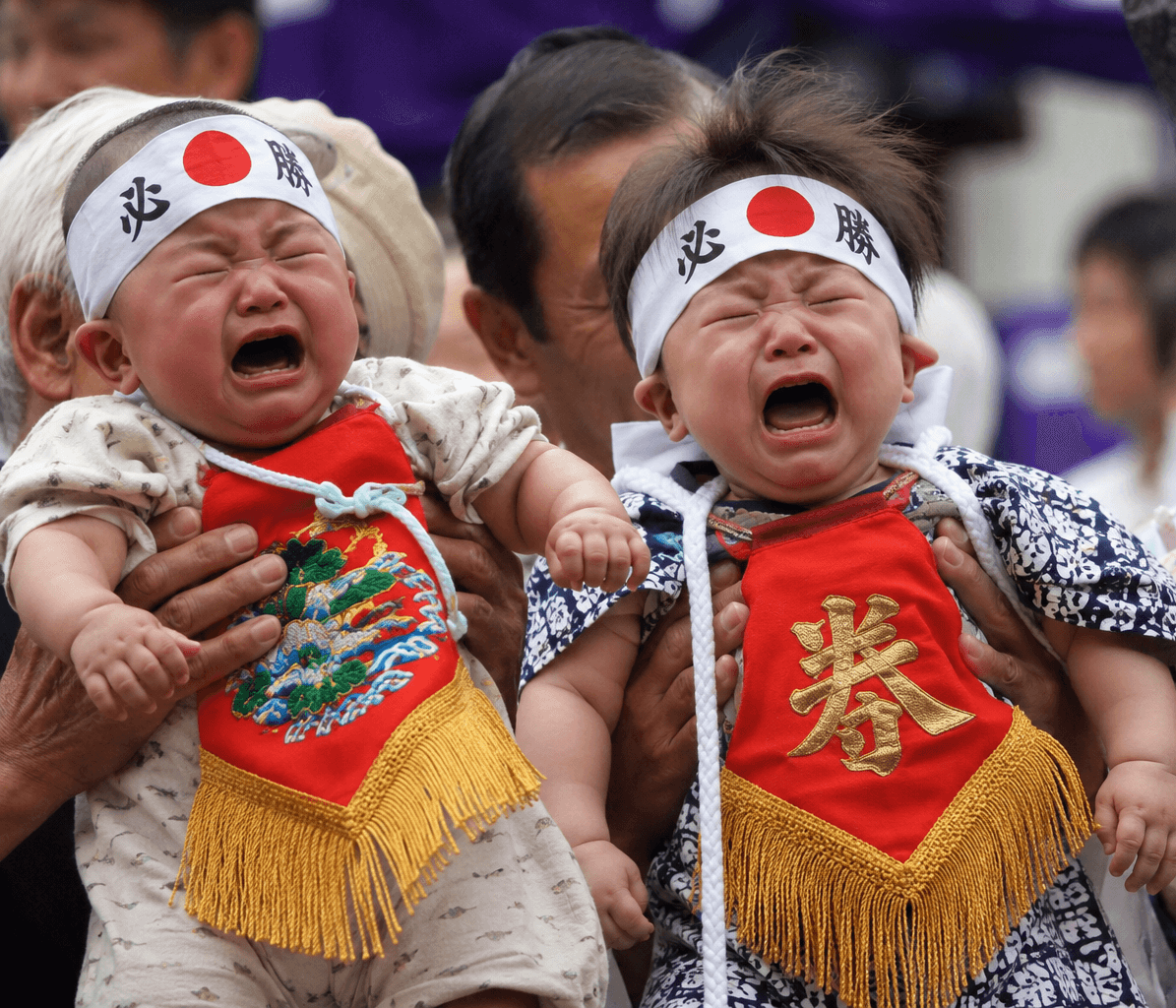
Crying Baby Festival (Naki Sumo)
The Crying Baby Festival (Naki Sumo) Japan is a traditional festival and ritualistic competition held to encourage and sustain infants’ crying. This event, with a history spanning nearly 400 years, is conducted annually at Shinto shrines throughout Japan. Origins Naki Sumo is a rite of purification and transition rooted in the intersection of Shinto belief and Japanese folk philosophy. Its fundamental premise is the longstanding belief that an infant’s cries possess the power to drive away evil
ENNursena Şahin
WaWater Cult in Turkish Mythology
Water Cult in Turkish Mythology is a collective of beliefs and practices centered on attributing sanctity to water entities such as rivers, lakes, springs, and pınar; viewing water as a life-giving, purifying, and in some contexts, protective and healing force. Associated with this worldview are various ritual practices involving water, including offerings and kurban sacrifices at water sources, pilgrimages and supplication rituals performed at waters deemed “sacred,” taboos prohibiting certain
EN
Almina Ecenur Ergünay

Tülütabaklar
Tülütabaklar stand out as both a traditional village spectacle and one of the original symbols of resistance during the National Struggle, forming an integral part of Balıkesir’s historical and cultural fabric. This tradition emerged from the deep-rooted craft of leatherworking and over time developed into an identity reflecting social solidarity and the spirit of the Kuva-yı Milliye. During the occupation years in Balıkesir, Tülütabaklar provided a psychological advantage against Greek forces a
EN
Elif Laçin