


This article was automatically translated from the original Turkish version.
Rug is defined as a woven product typically made from wool, cotton, silk or synthetic yarns, decorated with various motifs and laid on the floor or hung on walls. Rugs serve both decorative and practical purposes. Traditionally, they fulfill functions such as retaining warmth, providing insulation and imparting aesthetic identity to spaces. Today, rugs with the status of artistic works are also produced as collectibles. In addition, rugs have become artistic objects displayed in mosques, palaces, museums and private collections. In modern interior design, handwoven rugs add warmth and authentic ambiance to indoor environments.
The rug has held significant aesthetic and functional importance across various civilizations for centuries and has endured as an artistic and cultural element. In Turk culture, the rug occupies a special place and has also acquired different meanings in many regions including Iran, China, Central Asia, Caucasus and Europe. The rug is not merely a household item but a product that carries social identity, art and economic value.
The etymological origin of the word "rug" is not precisely known, but one of its earliest uses in Turkish appears in Divanü Lügati't-Türk with the meaning of "thick yaygi". It is believed to derive from the Old Turkish words "hāl" or "halıg". The Persian "qalī" (قالی) and Arabic "hālī" (حالي) are also related to the term. In European languages, the English word "carpet" derives from the Latin verb "carpere" (to gather, to weave). In French, it is known as "tapis", while in German the term "Teppich" (tɛpɪç) is used. The Russian word "ковёр" (kovyor) has Slavic origins and is widely used. In Chinese, the term for rug, "地毯" (dìtǎn), means floor covering. The fact that the word "rug" carries similar meanings across different languages demonstrates that this art form was adopted by diverse cultures and evolved over time to attain a universal dimension.
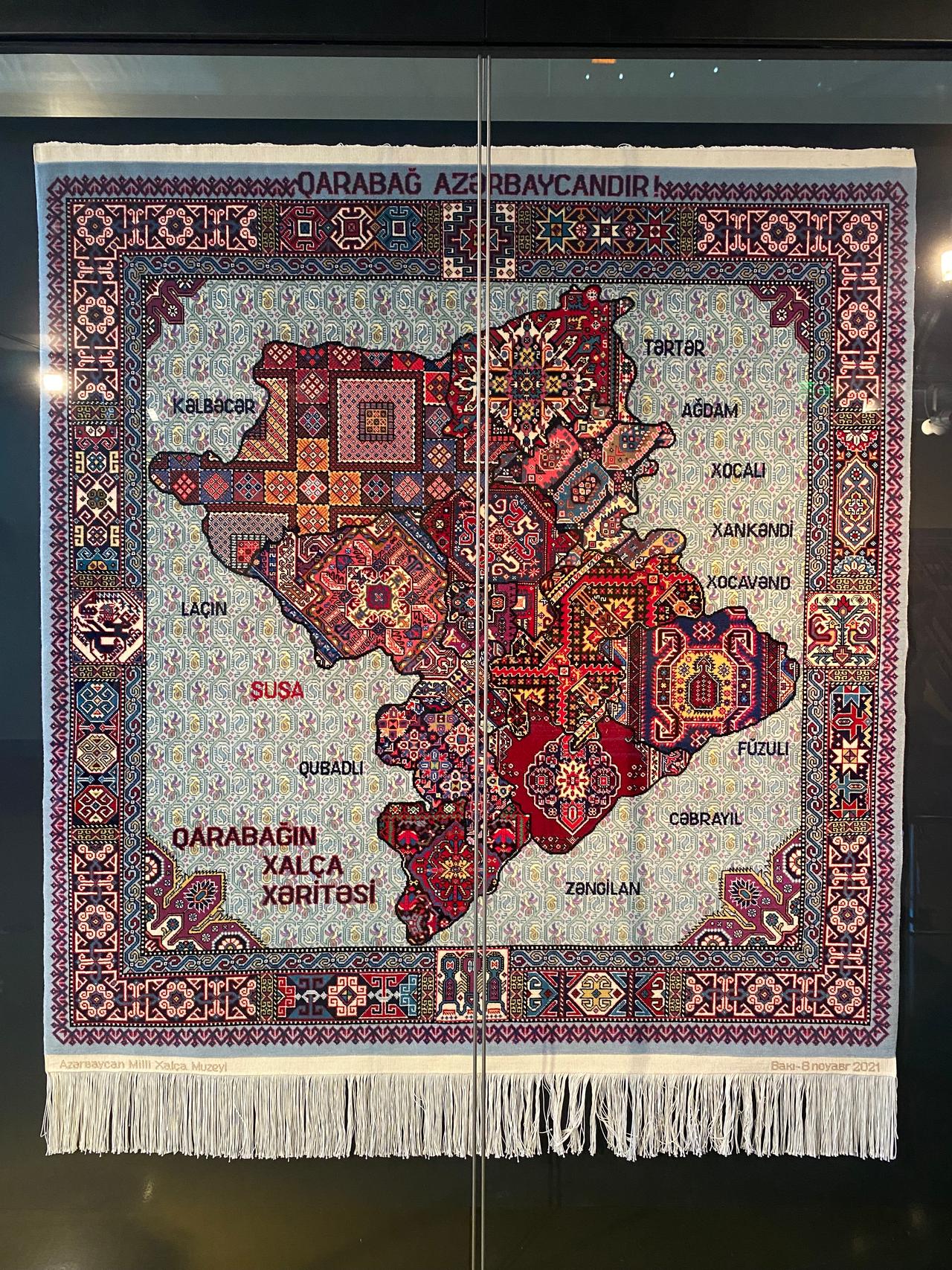
Azerbaijan Map Woven into a Rug, Muhammad Emin Varol, Azerbaijan Carpet Museum, September 2023.
Due to their nomadic lifestyle, the Turks developed the rug to cover the floors of their tents, provide thermal insulation and serve as an aesthetic element. The rug tradition brought from Central Asia to Anatolia flourished significantly during the Seljuk and Ottoman periods.
The Turkish tradition of rug weaving originated in Central Asia and was widespread among early Turkic communities such as the Göktürks and Uyghurs. These rugs were used in tents for both insulation and decoration and were adorned with animal figures, botanical motifs and geometric patterns.
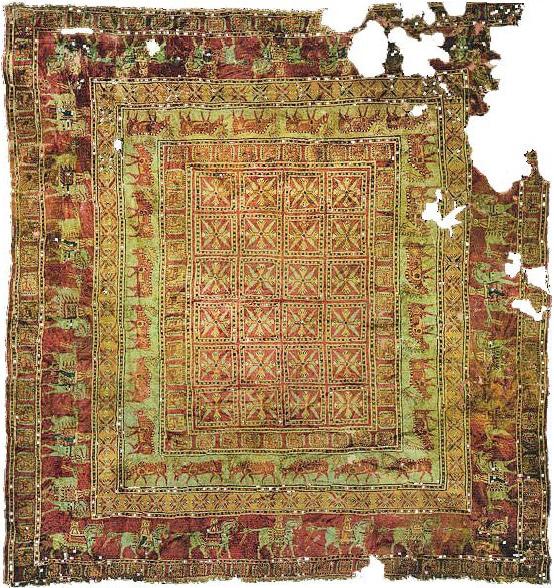
The Pazyryk Carpet Excavated from the Pazyryk Kurgan - Rug
The Seljuks of Anatolia had a profound influence on rug art. Geometrically patterned Seljuk rugs produced in Konya, Kayseri and Aksaray hold an important place in Islamic art. These rugs were typically dyed using root dyes and noted for their durable construction.
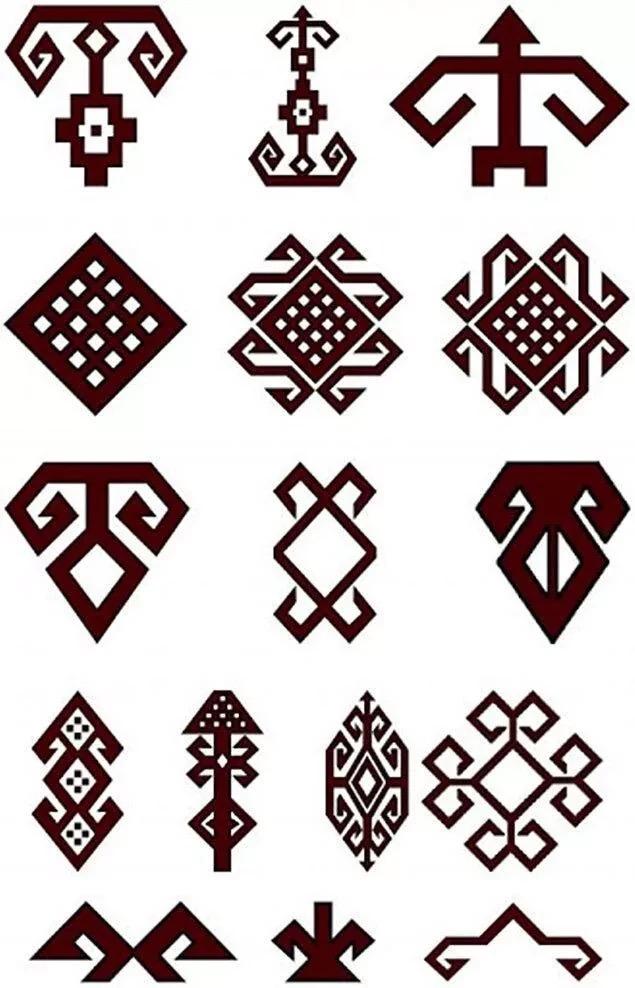
Seljuk Rug Motifs - Motifs
During the Ottoman period, rug weaving reached its peak in centers such as Uşak, Hereke, Milas and Bergama. Rugs specially designed for palaces reflected the refinement of Ottoman art. In particular, Hereke rugs, made with silk and gold threads, became among the most luxurious rugs.
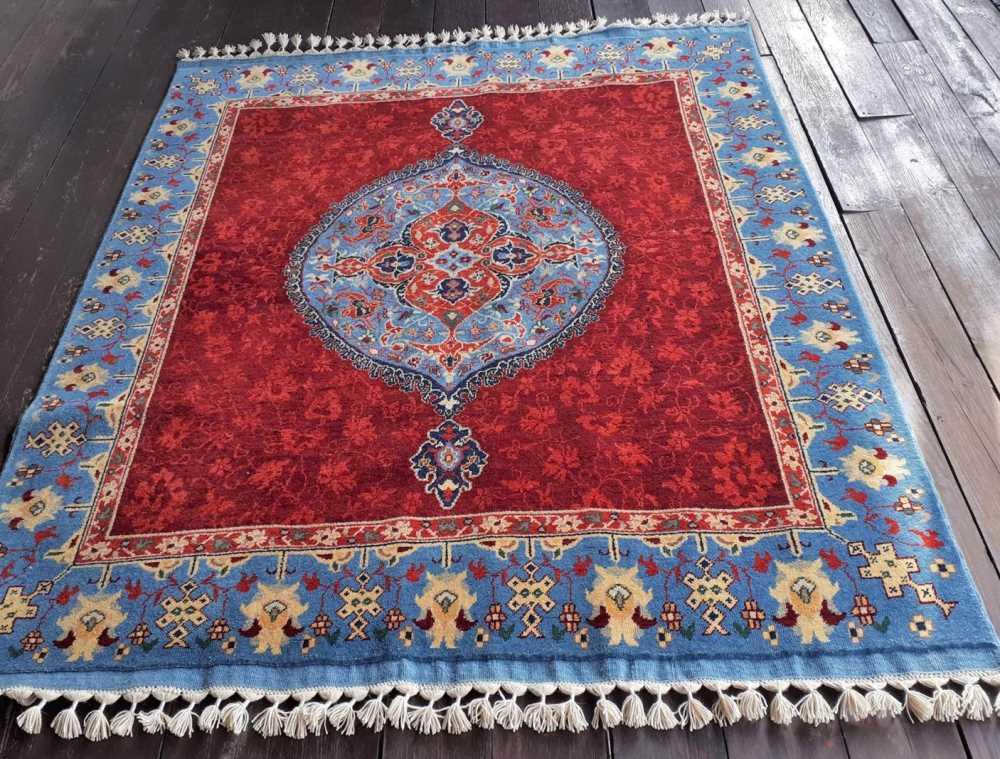
Uşak Rug - Rug
The art of rug weaving is not unique to Turkish culture; it has been adopted and developed by many civilizations:
Iranian rugs are renowned for their handwoven silk pieces produced in regions such as Tabriz, Kashan and Isfahan. They attract attention with their intricate designs and fine craftsmanship. Iranian rugs dyed with natural pigments such as saffron and indigo are considered among the most valuable in terms of aesthetics and quality.
Rugs produced in regions such as Georgia, Azerbaijan and Dagestan are known for their geometric patterns and vibrant colors. Caucasian rugs are distinguished by their raised, densely knotted structure.
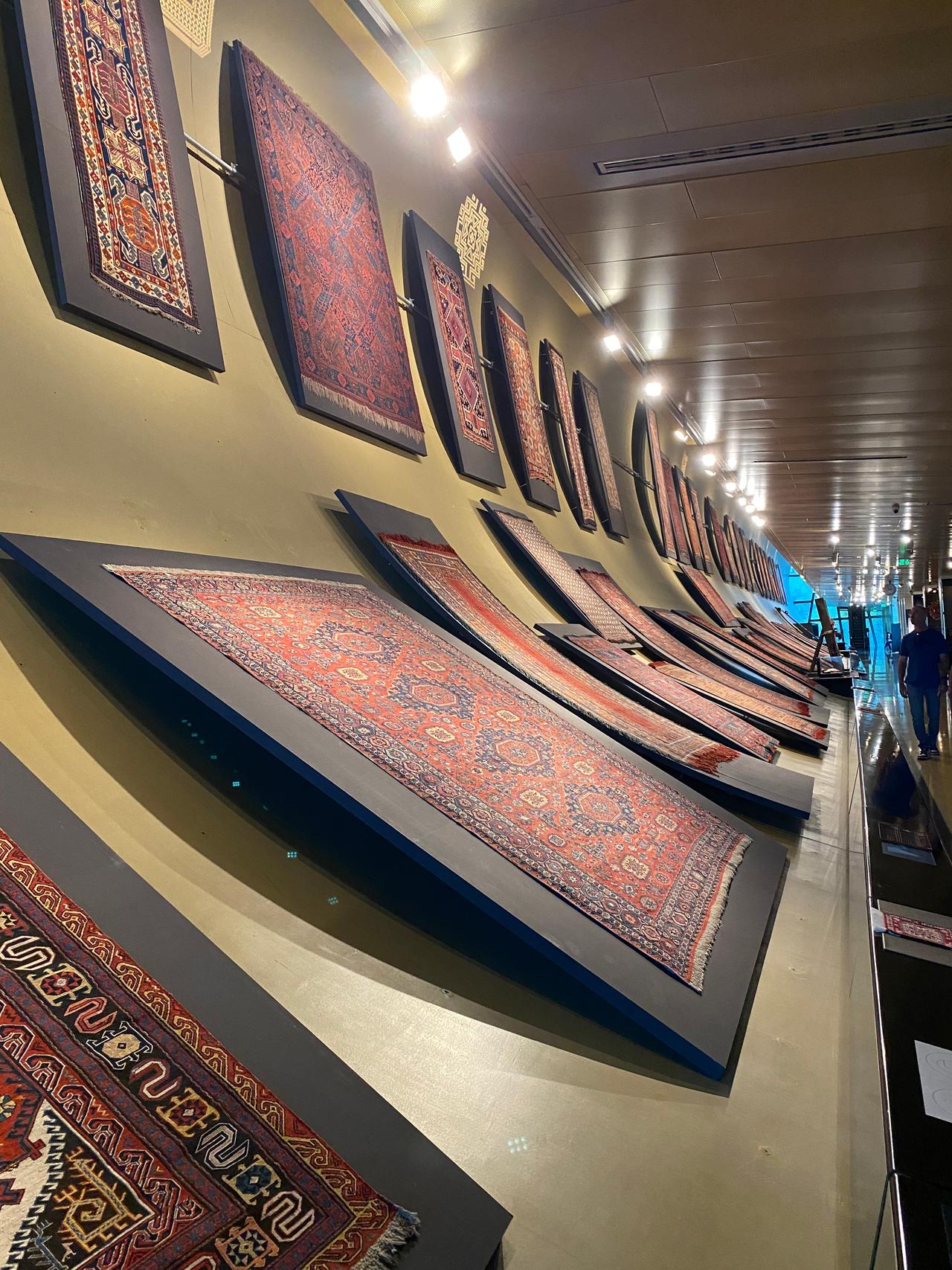
Turkish Rugs, Muhammad Emin Varol, Azerbaijan Carpet Museum, September 2023.
During the Renaissance period, Europe showed great interest in Ottoman and Iranian rugs, which were used in palaces and churches. European rug weaving, which began in Flanders, later developed in France and England.
Chinese rugs are notable for their dragon and lotus motifs and often carry Buddhist symbols. Rugs produced in China’s Ningxia and Tibet regions incorporate religious and philosophical elements.
The rug is not merely a household item but a cultural heritage rich in meaning. With deep roots in Turkish culture, the rug holds great importance from artistic and sociological perspectives. Today, traditional weaving techniques are preserved and combined with modern designs, attracting global interest. The evolution of the rug across different cultures confirms its universality and its place in human history.
Erdmann, Kurt. Seven Hundred Years of Oriental Carpets. Berkeley: University of California Press, 1969.
Nazmiyal Collection. “Pazyryk Carpet: The Oldest Rug in the World.” *Nazmiyal Antique Rugs Blog*, Accessed March 28, 2025.https://nazmiyalantiquerugs.com/blog/pazyryk-carpet-oldest-rug-the-world/.
Rustik Ev. "Halı Motifleri ve Anlamları." Rustik Ev Blog, Accessed March 28, 2025.https://rustikev.com.tr/blog/hali-motifleri-ve-anlamlari.
T.C. Ministry of Culture and Tourism. "Uşak Halısı." Kültür Portalı, Accessed March 28, 2025.https://www.kulturportali.gov.tr/turkiye/usak/nealinir/usak-halilari.
Türk Dil Kurumu (TDK). Halı. (www.sozluk.gov.tr)
Yetkin, Şerare. Historical Turkish Carpets. İstanbul: İş Bankası Yayınları, 1981.

The Term "Rug" in Various Languages
The Place of the Rug in Turkish Culture
Central Asian Traditions
Seljuk Period
Ottoman Period
The Place of the Rug in Other Cultures
Iran
Caucasus
Europe
China