

`ottoman` Related Article Results
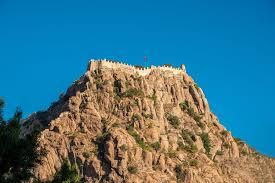
Karahisar Castle
Karahisar Castle is a historical structure built on a volcanic trachyte rock mass with a height of 226 meters in the city center of Afyonkarahisar. Geographically located at the crossroads of Western Anatolia, this naturally fortified rock has served as a strategic base for numerous civilizations throughout history. Karahisar Castle in Winter (AA) " image-alternate="" image-element-format="right"> Historical Development The castle’s history extends back to the 14th century BCE, during the r
EN
Esra Şanlı
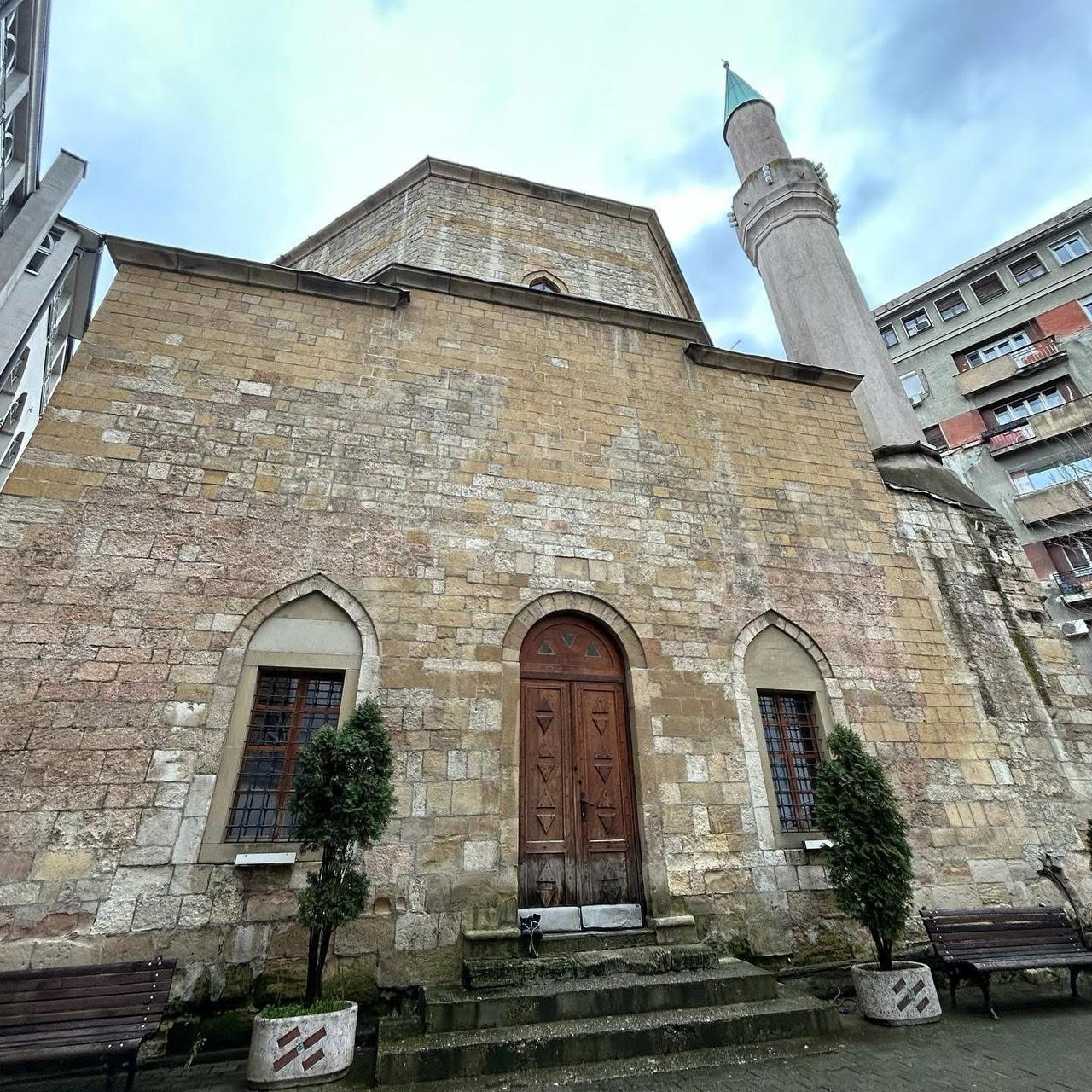
Belgrade Bayraklı Mosque
Bayraklı Mosque is one of the rare surviving structures from the Ottoman period in Belgrade, the capital of Serbia, and it dates back to the place era of Ottoman expansion in The Balkans through long sovereignty. Built in the 16th century, it stands as the most significant representative of Turkish-Ottoman heritage in Belgrade and is the only Ottoman mosque still standing in the city. Exterior View of the Mosque (Photo: Duygu Şahinler) " image-alternate="" image-element-format="right"> Histor
EN
Duygu Şahinler
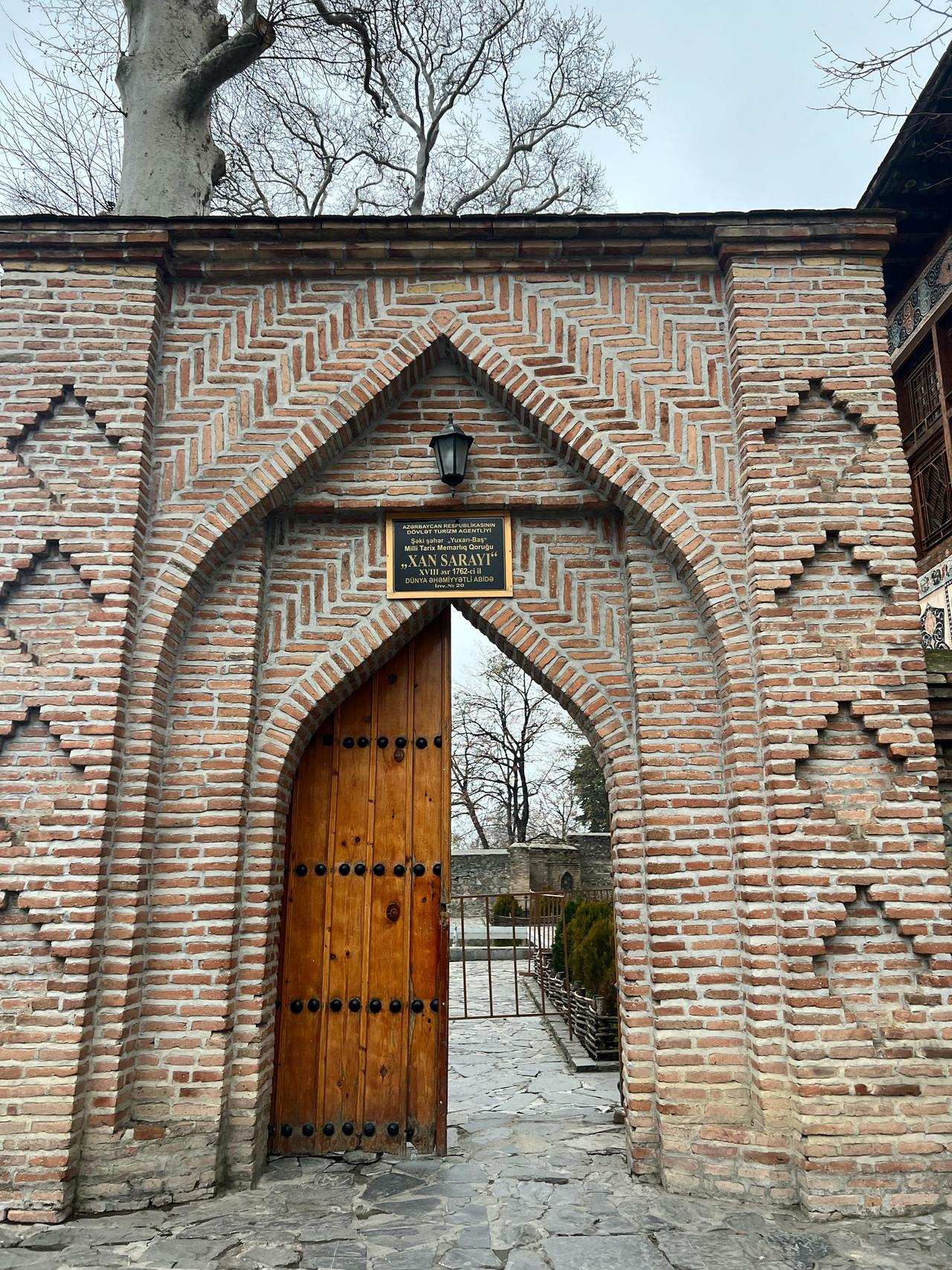
Sheki Khan Palace
Şeki Han Palace is a two-story mansion located in the historic town of Şeki, in the northwestern region of Azerbaijan, believed to have been constructed in 1762 by Şeki Khan Muhammad Husayn Khan Mushtag. Palace is regarded as one of the finest examples of 18th-century Azerbaijani architecture. Both its exterior lattice work and its interior frescoes, miniatures, and wood carvings hold significant artistic value. Entrance Gate (Photo: Duygu Şahinler) " image-alternate="" image-element-format="rig
ENDuygu Şahinler
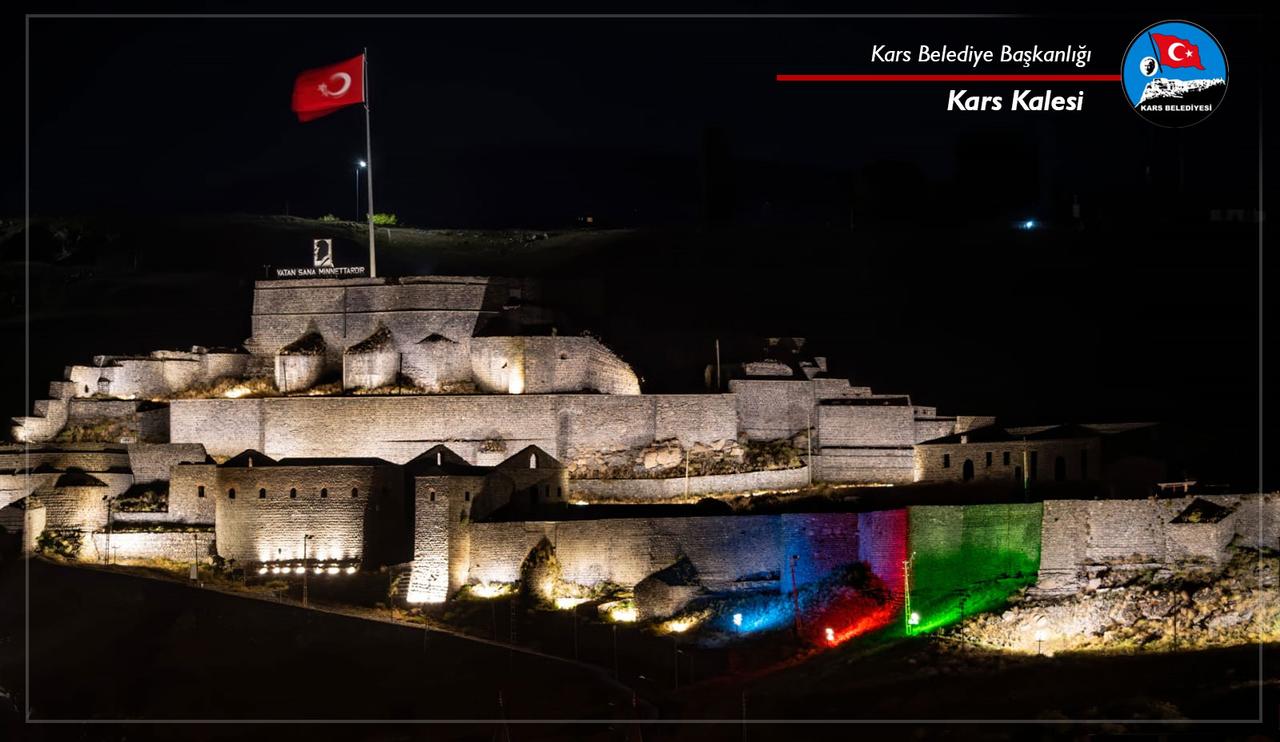
Kars Castle
Kars Castle is a defensive structure located in the city center of Kars in northeastern Türkiye. The castle holds a place among the region’s cultural heritage due to its military strategic position and the various repairs and functional changes it underwent throughout history. Built on a hill north of the Kars River, it is one of the most prominent features of the city’s skyline. Kars Castle (Kars Municipality) " image-alternate="" image-element-format="right"> History Kars Castle is generall
EN
Tuğçe Vurkıroğlu
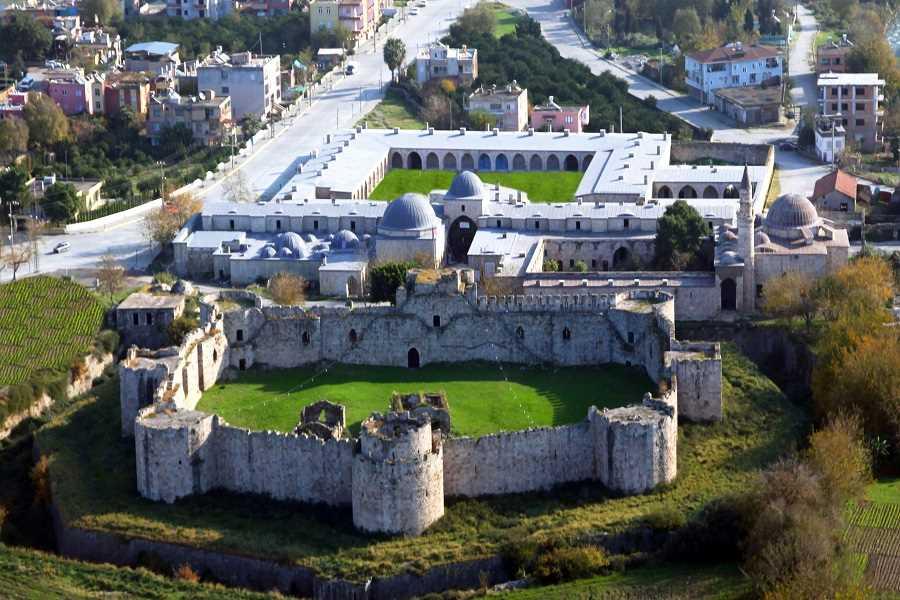
Payas Castle
Payas Castle is located approximately 700 metres from the sea coast, to the west of the Sokollu Mehmet Pasha Külliyesi, in the Payas district of Hatay province. The castle, surrounded by a moat, features eight towers and exhibits a defensive structure. Physically, it is situated symmetrically opposite the caravanserai on the eastern wing of the külliye, thereby contributing a balanced element to the architectural unity. When considered together with the külliye, it becomes evident that Mimar Sin
EN
Bilge Öztürk
 Yo
YoYoung Osman Ballad
"Genç Osman Türküsü" is a legendary folk ballad that recounts the heroism of a young warrior from Aksaray who fell martyr during the Ottoman campaign to Baghdad in the 17th century. The lyrics and story of the ballad have been preserved in various versions across different regions of Anatolia. The Story of Genç Osman Osman was born in 1621 in the village of Dorikini in Aksaray. He lost his father at a young age and was raised by his mother. He excelled in wrestling archery and swordsmanship and
EN
Eyüp Ecmel Acat
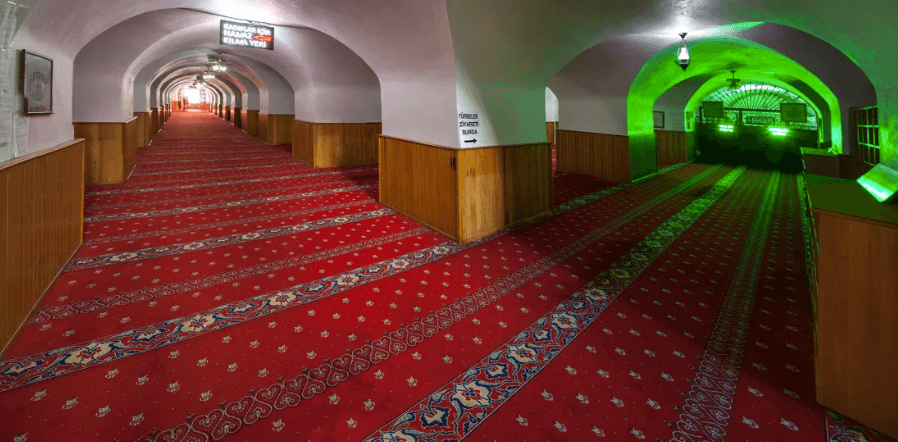
Karaköy Underground Mosque
Karaköy Underground Mosque is a historic mosque located in the Beyoğlu district of Istanbul, adjacent to the Karaköy steamship pier close at place site. Notably distinguished by its architecture and history, this mosque is unique among Istanbul’s mosques as it was constructed underground. The Underground Mosque is one of the religious structures of both Istanbul and the Ottoman Empire, standing out both as a place of worship and for its historical and cultural significance. Underground Mosque (S
EN
Sümeyra Uzun
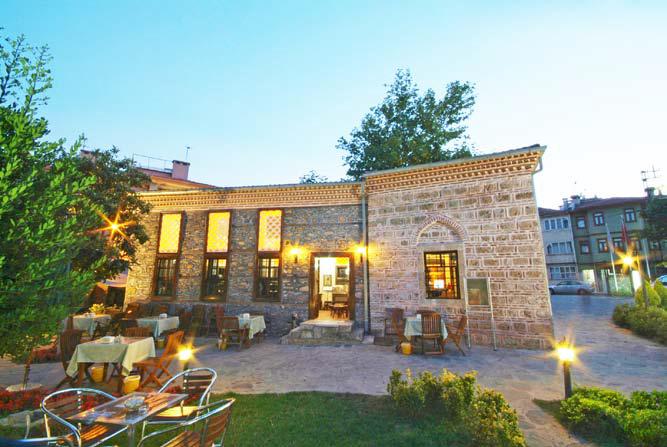
Haraççıoğlu Medresesi
Haraççıoğlu Medresesi is an educational structure built during the Ottoman period, located in the Kavaklı Neighborhood of the Osmangazi District in Bursa, Türkiye. The building was originally established as a tekke and later converted into a medrese; today, following restoration, it serves as a venue for cultural and social activities. Historical Development The core structure of Haraççıoğlu Medresesi was constructed in the 18th century by Hüseyin Ağa of the Cizyedarzâde family as a tekke affili
EN
Melikcan BUDAK

Yada Stone
Yada Stone is a stone known in Turkish cultural history to have been used, in a manner akin to magic, to control weather phenomena such as snow and rain. The Yada stone is mentioned under various names in Turkic dialects and Islamic sources: in Yakut as sata, in Kyrgyz as cay taş, in Kazakh as jadı taş and jay taş, in Bashkir as balataş and yeytaş, in Uyghur as kaştaş, in Altai as cada taş, and in Tuvan as çat taş. In Arabic Islamic sources it is referred to as hacerü'l-metar (rain stone), el-câ
EN
Yahya B. Keskin
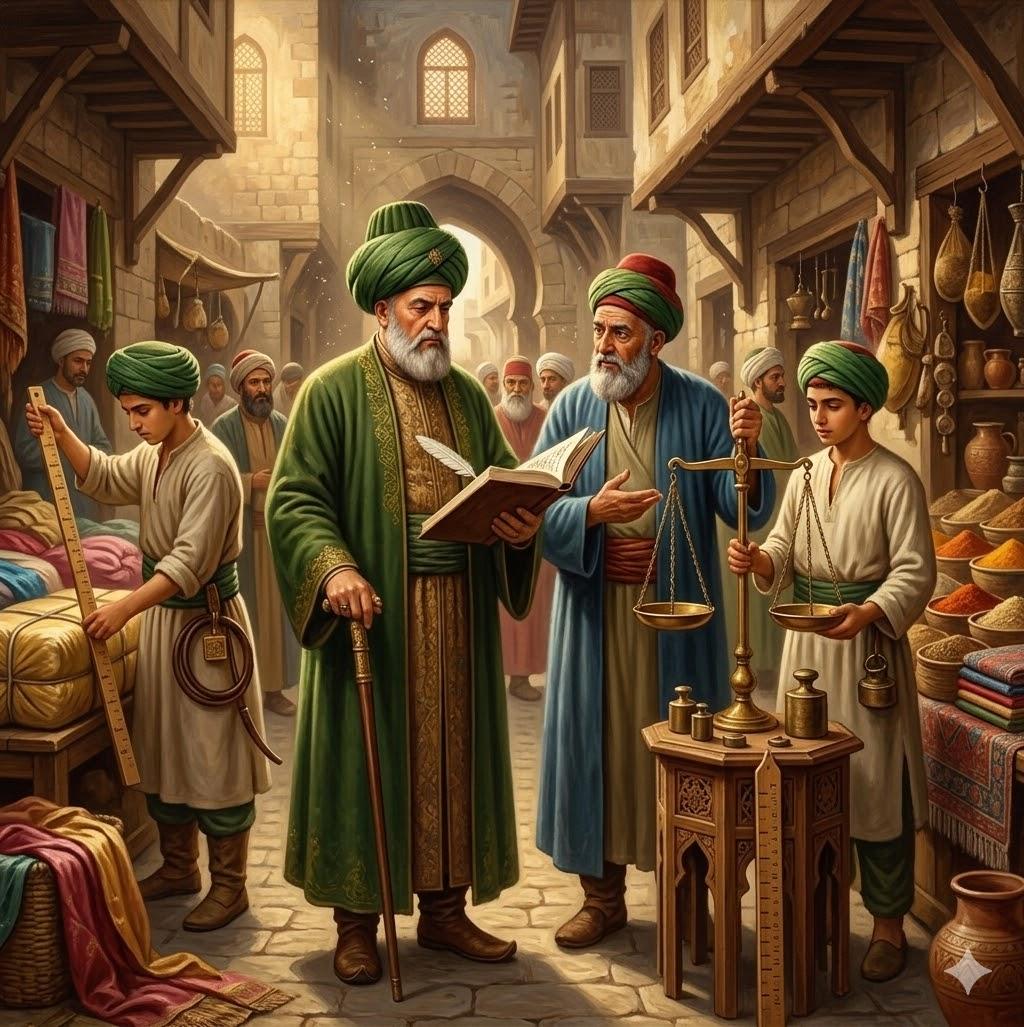
Hisbe Organization
The Hisbe institution, is an official oversight body in Islamic societies that operates in accordance with the principle of enjoining good and forbidding evil to safeguard public morality and order. This institution, whose roots extend back to the time of Prophet Muhammad, has historically been endowed with administrative and limited judicial powers covering a broad spectrum from economic activities to social life. Its historical significance lies in having independently assumed the functions of
EN
AYBİKE HACIİSMAİLOĞLU