

`weaving` Related Article Results
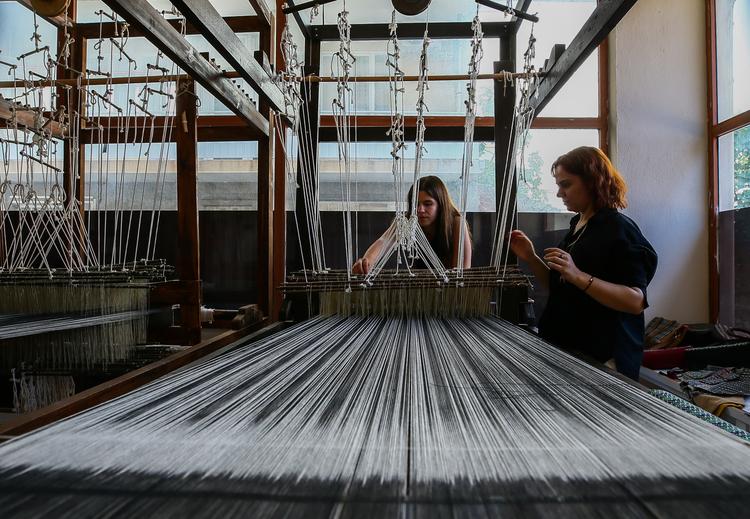
Tire Municipal Weaving
Tire Beledi Weaving is a traditional textile type unique to the Tire district of İzmir Province in Türkiye. Produced using yarns made from a blend of cotton and silk, these textiles have gained historical significance both for their practical use and their cultural heritage value. Today, Tire Beledi weaving is recognized as a craft that sustains its cultural continuity. Historical Background The history of Tire Beledi weaving dates back to the Ottoman period. Produced on handlooms using traditio
EN
Zeynep Şule Bingöl
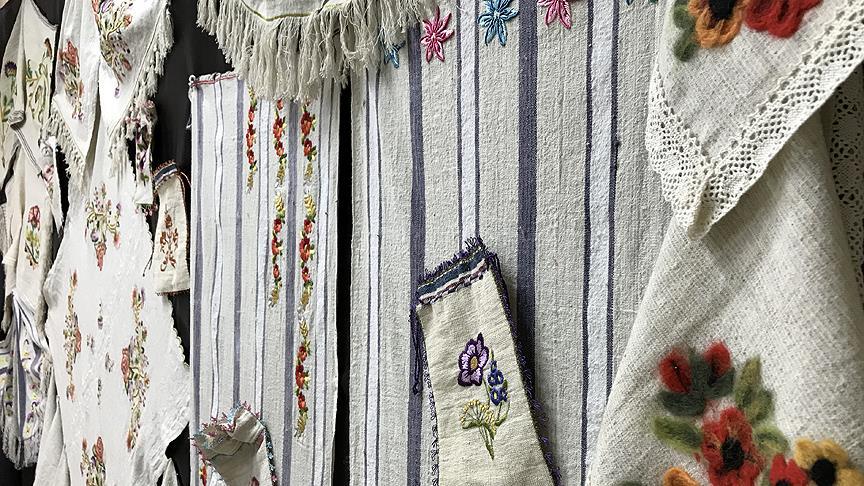
Kandıra Bezi
Kandıra fabric is a traditional woven textile produced in the Kandıra district of Türkiye’s Kocaeli province and registered with a geographical indication. Made from flax, this fabric is a cultural product requiring intensive manual labor and local expertise at every stage of production. From Raw Material to Loom The primary raw material of Kandıra fabric, flax, is sown in humus-rich soils during autumn and begins to mature in spring. Harvesting is carried out by hand in June and July. The flax
EN
Elif Laçin
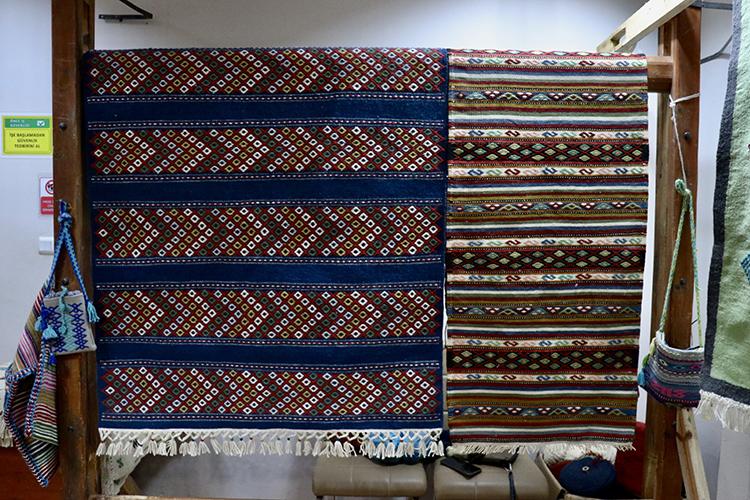
Vezirköprü Tahtaköprü Kilim
Vezirköprü Tahtaköprü Kilim is a traditional craft produced in the Tahtaköprü region of the Vezirköprü district in Samsun Province, Türkiye, rooted in the area’s weaving heritage. Shaped by the region’s cultural accumulation, these kilims have been officially registered as a geographical indication. Woven with wool yarn, they attract attention through their aesthetic and functional qualities, reflecting the historical and cultural heritage of the local people. Vezirköprü Tahtaköprü Kilims (AA) "
EN
Elif Laçin
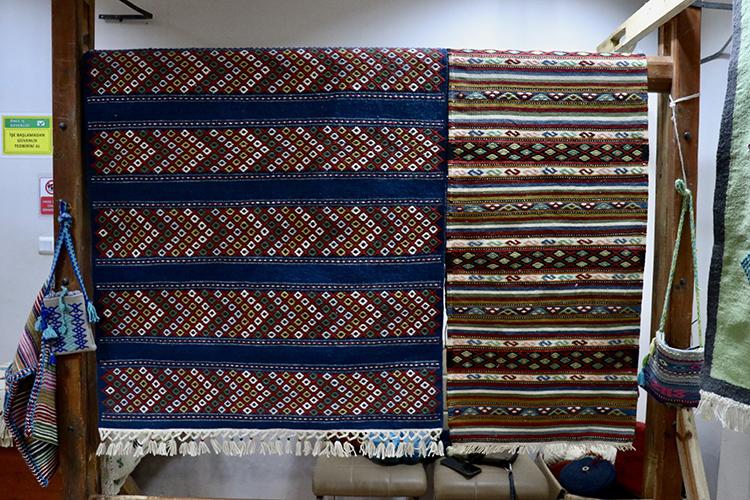
Vezirköprü Tahtaköprü Carpet
Vezirköprü Tahtaköprü Kilim is a traditional craft produced in the Tahtaköprü region of the Vezirköprü district in Samsun province, Türkiye. Shaped by the region’s cultural heritage, these kilims have been officially registered as a geographical indication. Woven with wool yarn, they attract attention through their aesthetic and functional qualities and reflect the historical and cultural legacy of the local community. Vezirköprü Tahtaköprü Kilims (AA) " image-alternate="" image-element-format="
ENElif Laçin

Kelkit (District)
Have you ever imagined a place that is covered in snow during winter and glows with fertile soil in summer? Kelkit is a historic district of Gümüşhane, renowned for its plains and rivers, rich with stories. Let us explore this place steeped in history and nature together! Where Does the Name Kelkit Come From? The name Kelkit has several intriguing origins. Some researchers suggest that in ancient times, the Kelkit River was known in Greek as “Lykos,” meaning “wolf.” Over time, this name evolved
EN
Samet Cemalettin ALKAN
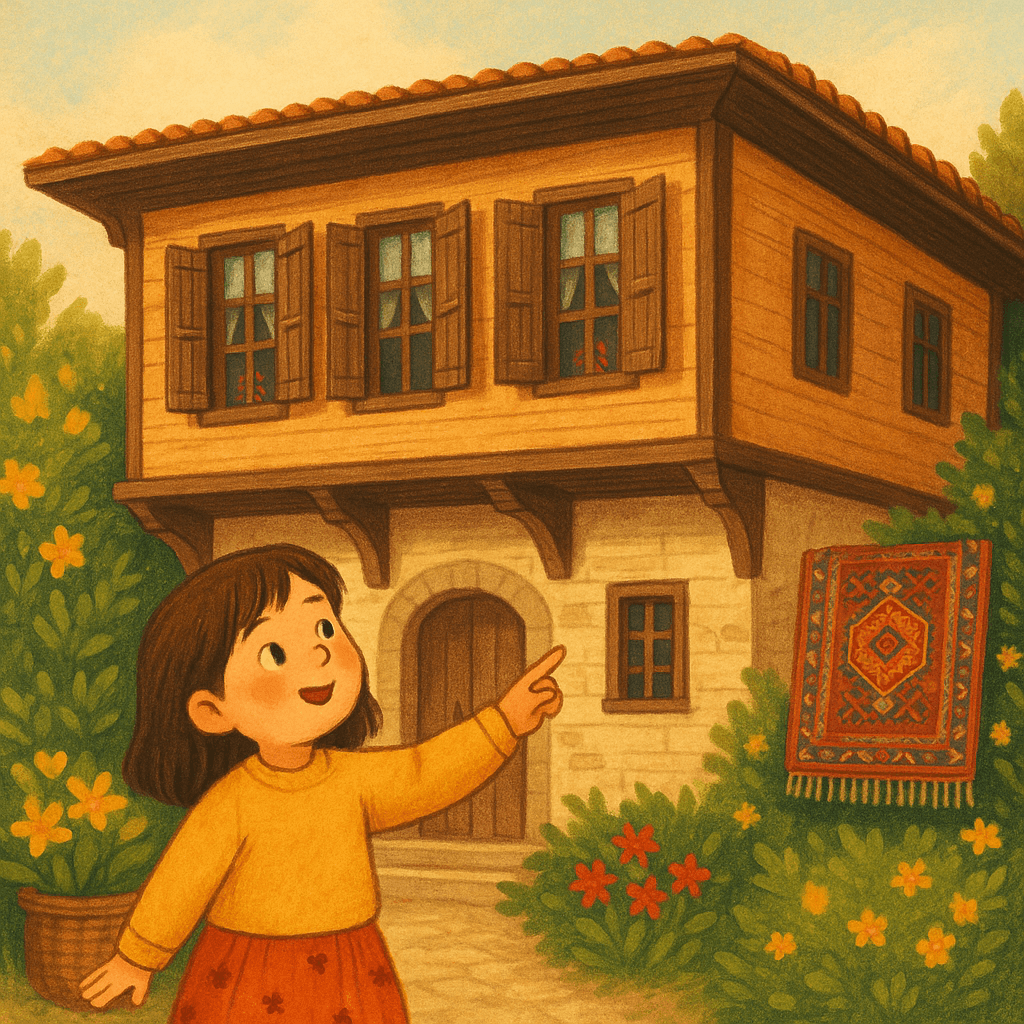
Dokur House
Dokur House is a traditional Turkish house built in the late 19th century, preserving traces of the past. Today it has been restored by the Uşak Municipality. Once the residence of a family, it is now open to visitors as a culture and museum house. Dokur House helps us understand the lifestyle, handicrafts and architecture of bygone eras. History and Location The house is located on one of Uşak’s historic streets. It derives its name from the Dokur family, who once lived there. The structure, wo
EN
Yusuf İslam Tuğla
Pazırık Carpet
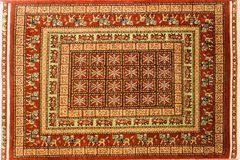
Afyonkarahisar’s Sandıklı district is associated with a traditional handicraft whose origin and production technique reflect regional characteristics. It has been officially registered as a geographical indication by the Turkish Patent and Trademark Office. This type of carpet is an important representative of the region’s traditional weaving culture. The registration process began with an application dated 21 June 1996 and was completed on 14 November 1997, granting it official status. Product
EN
Kasım Emre Anıl
Şarkışla Kilim
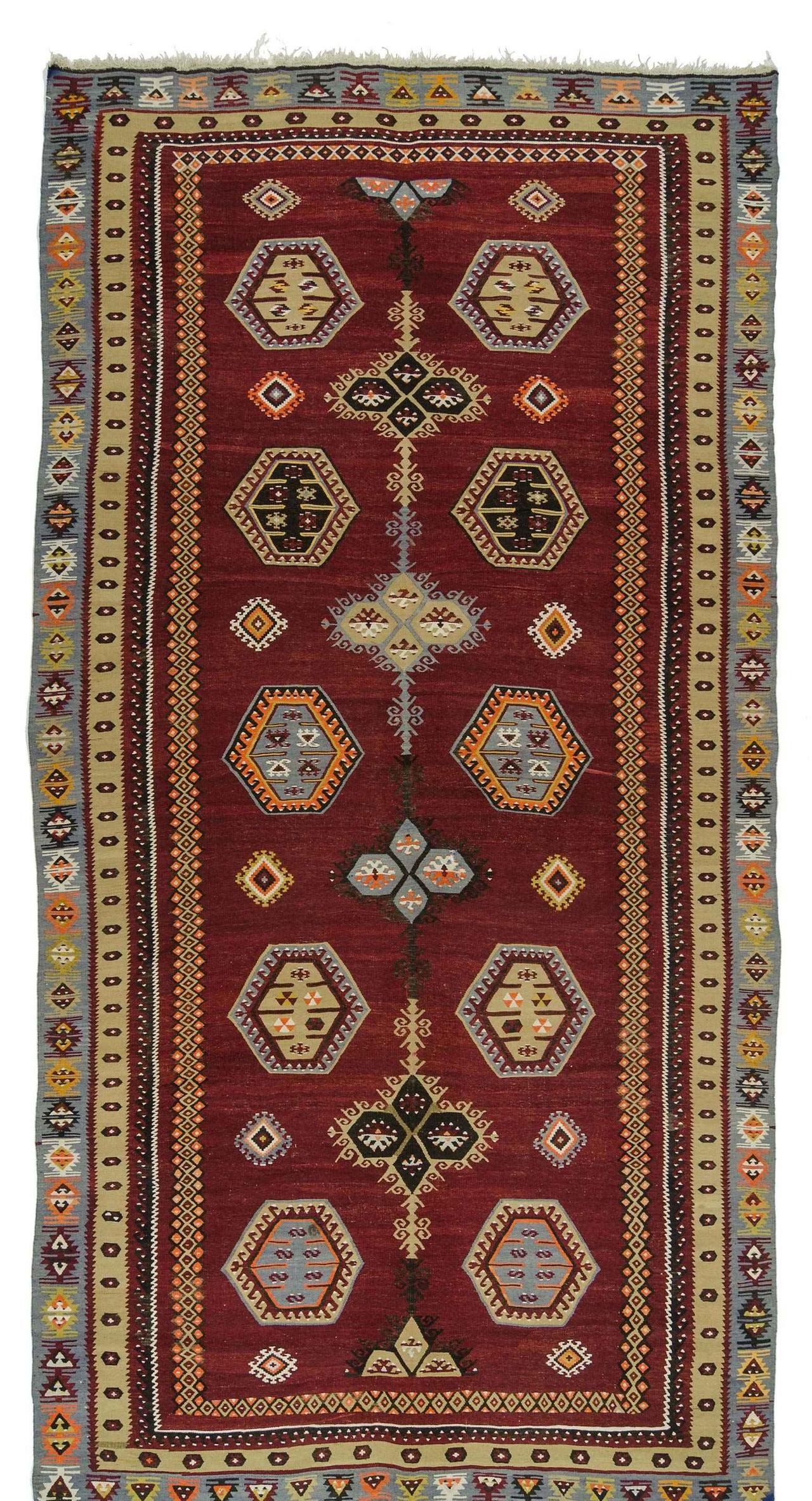
Şarkışla kilim is a registered handicraft product woven on handlooms in the Şarkışla district of Sivas Province using wool yarn. These kilims are typically rectangular or rhombus-shaped and feature dense geometric patterns arranged symmetrically. They stand out as a regional folkloric product due to their traditional production methods and rich repertoire of motifs. Product Characteristics The primary material of the Şarkışla kilim is fine wool yarn used for both warp and weft. The surface of th
ENKasım Emre Anıl
Eşme Kilim Festival
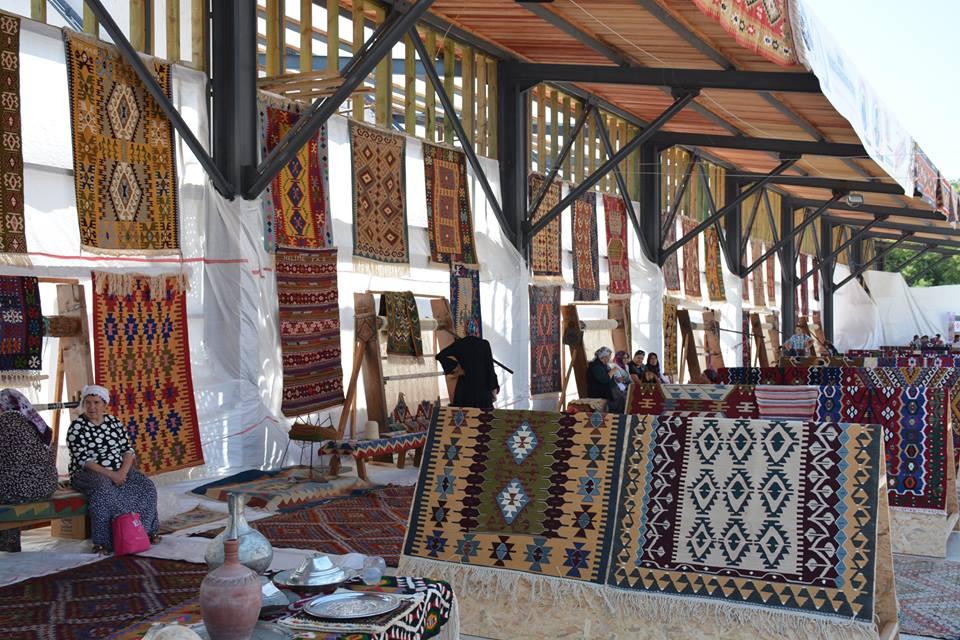
The Eşme Kilim Festival is an event traditionally held in the Eşme district of Uşak Province, aiming to promote the region’s cultural, artistic, and craft heritage. Its primary objective is to sustain and introduce the distinctive Eşme kilim weaving tradition while contributing to regional tourism. The festival is known as the “International Eşme Touristic Kilim Culture and Art Festival” and provides a significant platform for showcasing traditional handicrafts and preserving cultural heritage.
EN
Işık Çalım
 An
AnAntep Kutnu Fabric
Antep kutnu fabric is a type of satin fabric produced and used for centuries in Gaziantep, typically woven using warp satin or tabby weave techniques, featuring longitudinal striped patterns. Historically, the warp was made of fine silk, while the weft consisted of a cotton-silk blend, predominantly creating a “yollu” (longitudinally striped) fabric. Over time, artificial silk (floş) yarn began to be used for the warp and cotton yarn for the weft. In Türkiye, it is the only silk fabric woven ent
EN
Yahya B. Keskin