

`seljuk` Related Article Results
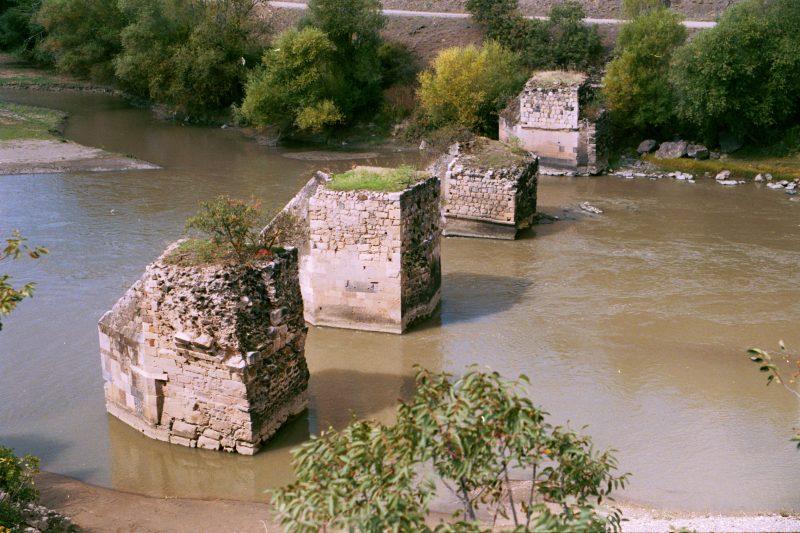
Boğazkesen Bridge
Kelkit and Tozanlı meet at the location where the Boğazkesen Köprüsü was constructed, serving as a historically significant crossing point for the Amasya-Niksar connection strategic. With its distinctive architectural structure bridge, the bridge bears traces of various civilizations from different periods. Boğazkesen köprüsü - Erbaa Municipality " image-alternate="" image-element-format="right"> History The Boğazkesen Köprüsü was built during the Roman Empire period at the confluence of the
EN
Muhammet Ali Demir
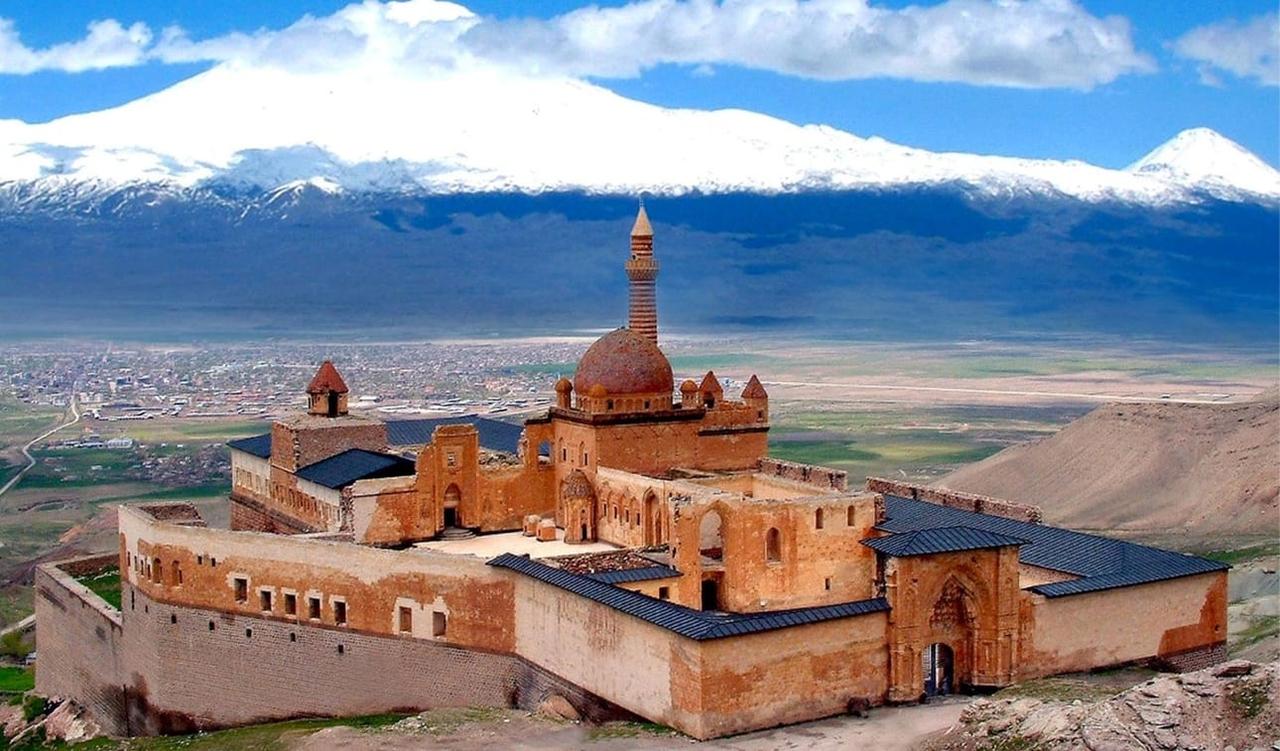
İshak Paşa Sarayı
İshak Pasha Palace is a historical structure located on a hill overlooking Eski Beyazıt and its surroundings in the Doğubayazıt district of Ağrı province. place One of the architectural works of the Ottoman Empire, palace was begun in 1685 by Çolak Abdi Pasha of the Çıldır Atabeks and completed in 1784 by his son Small İshak Pasha. The palace possesses a rich historical heritage and an impressive architectural design. Architectural Features İshak Pasha Palace is a structure that incorporates cha
EN
Fatma Bozyel
 Bo
BoBor (District)
Bor is a district of Niğde province in Türkiye's Central Anatolia Region. Its distance to the provincial center is approximately 21 kilometers. The surface area of the district is 1432.6 km². Its average elevation from sea level is 1050 meters. According to 2023 data, the population of the district center is 41,116, and the total district population is 60,233. Bor is surrounded by Mount Hasan and the Melendiz Mountains to the north, and the Aladağlar and Bolkar Mountains, which are extensions of
EN
Meltem Saraç
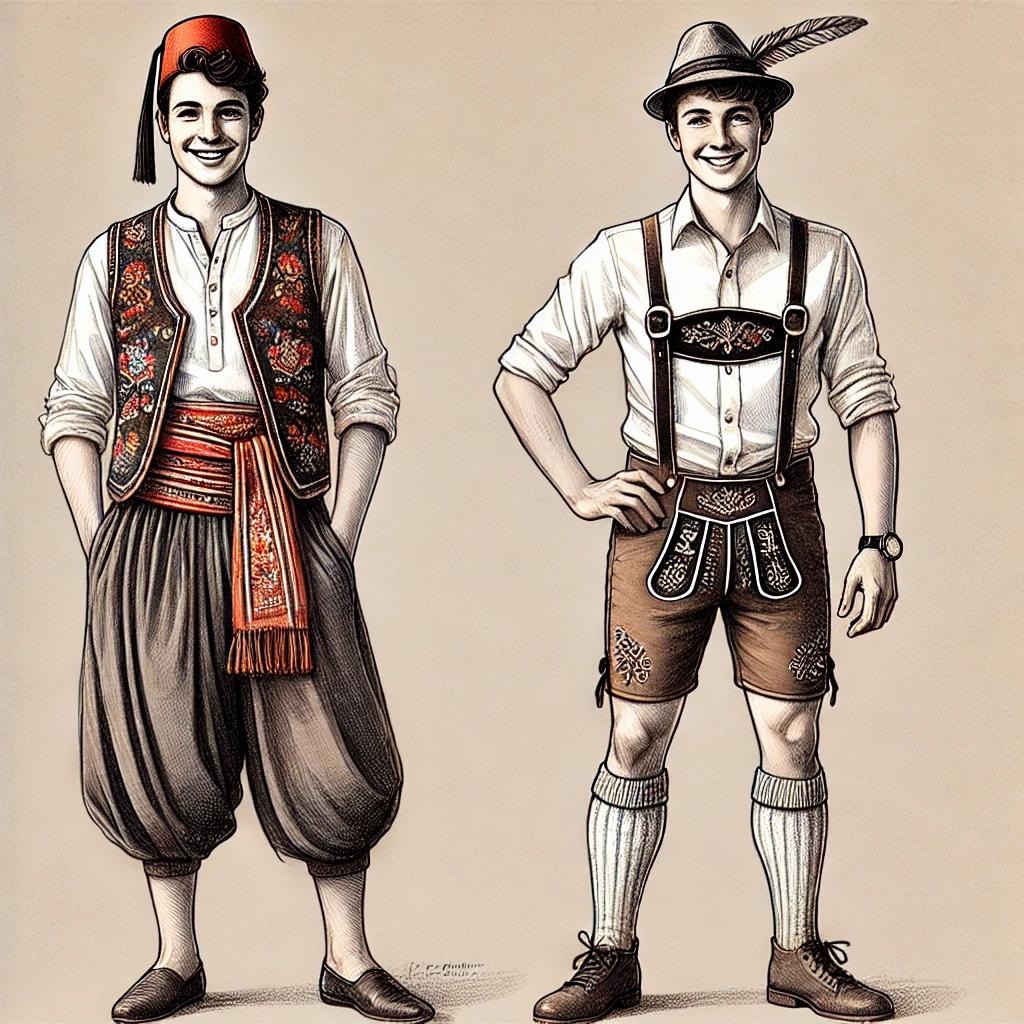
Similarities Between Germans and Turks: Two Powerful Nations of History
When we look at the stage of history, the Turks have always played a significant role. However, they are not alone on this stage. The Germans have also emerged as a powerful, combative, and dominant people in world history. Parallel Journeys in History Although the Turks and the Germans lived in different geographical regions, they share similar characteristics. Both peoples possess a strong sense of leadership, discipline, and a warrior spirit. These traits enabled them to establish numerous po
EN
Mustafa Cem İnci
EğEğirdir Castle
Eğirdir Castle is a historical structure located on a peninsula extending into Eğirdir Lake, within the Eğirdir district of Isparta Province in Türkiye’s Mediterranean Region. This defensive complex consists of an inner and outer citadel, constructed, repaired, and utilized by various political authorities across different periods. While the extant ruins are predominantly from the Byzantine era, the castle bears significant traces of transformations during the Seljuk, Hamidoğulları, and Ottoman
EN
Melike Saraç
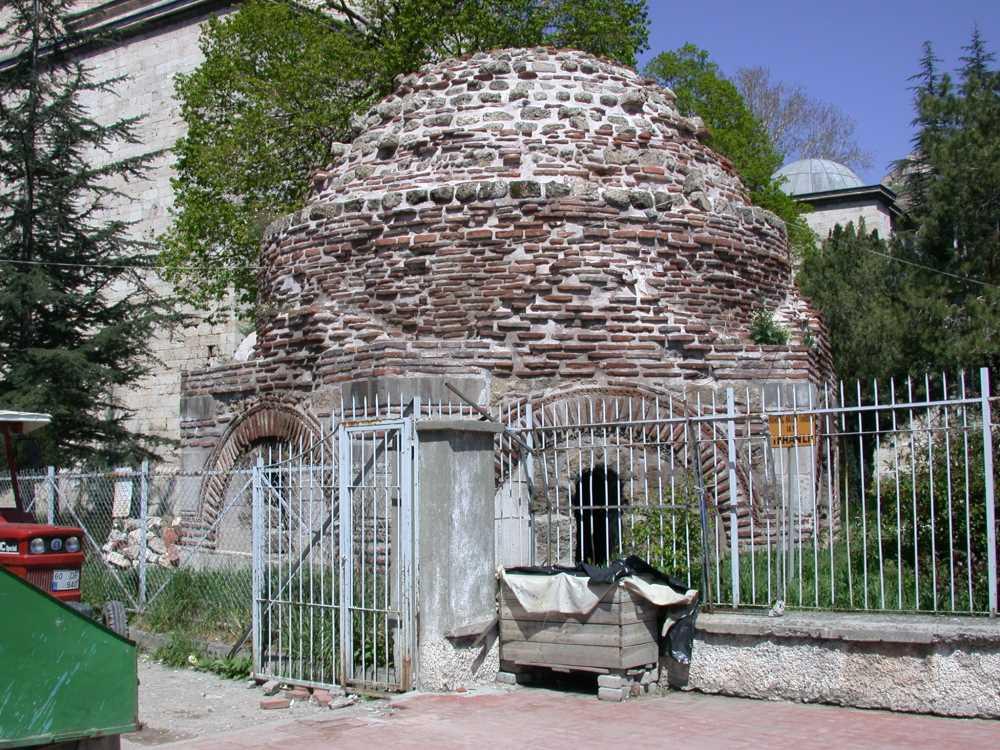
Tomb of Burgaç Hatun
Burgaç Hatun Türbesi is a historical structure located in the center of Tokat province, regarded as one of the examples of Turkish-Islamic monumental tomb architecture in Anatolia. The structure derives its name from Burgaç (or Bulgac) Hatun, who was buried within it, and holds both religious and cultural significance due to its architectural form and its place in the urban memory. Location and Historical Context The tomb is situated in the center of Tokat province, within a settlement fabric ch
EN
Yusuf İslam Tuğla
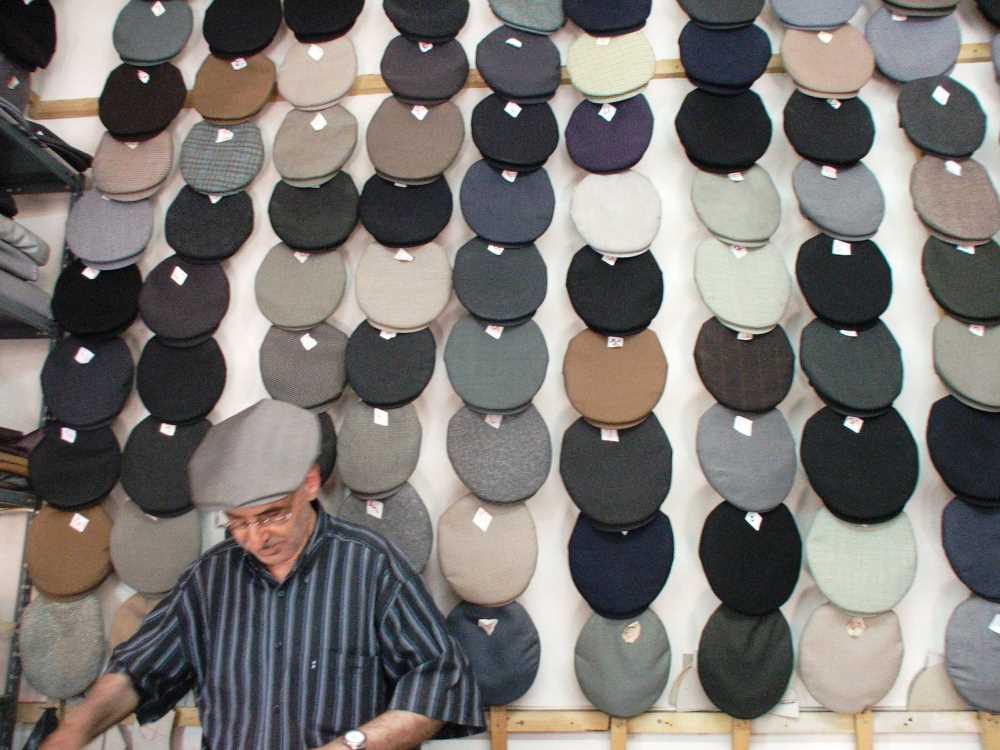
Eight-Cornered Hat
Sekiz Köşe Şapka is a traditional male headwear unique to Elazığ province in Türkiye. The hat derives its name from its octagonal geometric shape and serves as a complementary element of the regional traditional attire. This type of headwear, deeply embedded in the cultural memory of Elazığ, represents an original example within local handicraft traditions. Design Features The Sekiz Köşe Şapka is designed in an octagonal form, regarded as both an aesthetic and technical craft product. Its shape
EN
Miray GÜR
Alâeddin Hill (Konya)
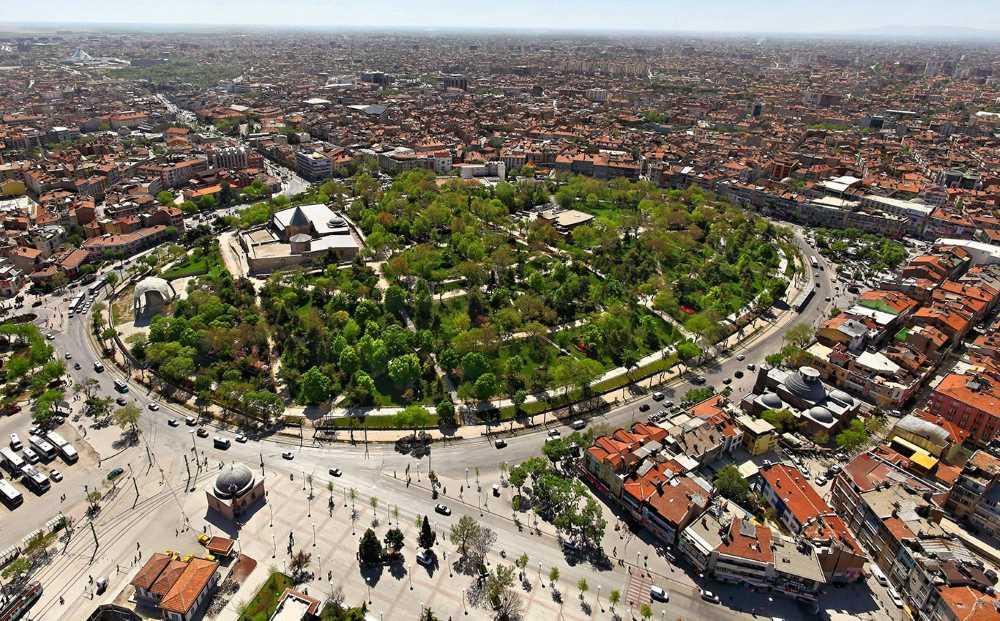
Alâeddin Tepesi is a natural and artificial elevation in the city center of Konya, Türkiye, possessing historical, archaeological and urban significance. Located at the heart of Konya, the hill has hosted various civilizations throughout history and is today regarded as a multi-layered space from both scientific and social perspectives. Physical Characteristics and Location Alâeddin Tepesi is an oval-shaped mound approximately 450 metres in length from north to south and 350 metres from east to
EN
Neriman Çalışkan

Caravanserai
Kervansarays are charitable vakıf structures built along major roads to provide rest and security for caravans traveling long distances in ancient times. These buildings are known as historical lodging centers where merchants, travelers, and their animals could rest during journeys from distant regions. Why Were Kervansarays Built? Anatolia has historically lain along important trade routes such as the Silk and Spice Roads. The Seljuks and the Ottoman state constructed numerous kervansarays to m
ENRabia Çiftci
The Unchanging Fate of the Seljuks
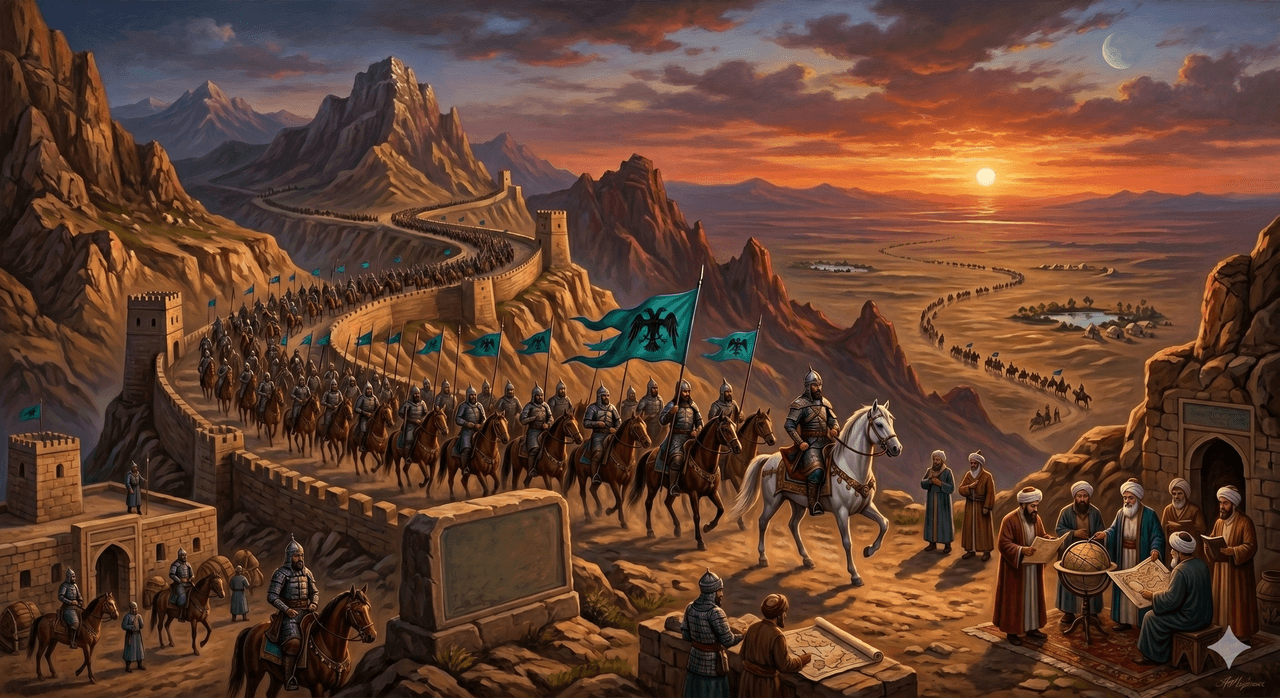
States that alter the course of history typically rise by facing their greatest challenges in the most difficult geographies. The Seljuks left an indelible mark on history not only through the military discipline of the steppe but also by assuming the guardianship of the Islamic world and building a profound state tradition. What, then, propelled this vast structure to its peak and inevitably drove it toward its demise? The Protective Shield of the Islamic World Long before the Battle of Manzike
EN
Mustafa Cem İnci