


This article was automatically translated from the original Turkish version.
+1 More
Biodiversity Loss: The Silent Collapse of Ecosystems
Scope | Loss of species and ecosystem diversity. Genetic | ||||||||
|---|---|---|---|---|---|---|---|---|---|
Speed | Hundreds of times above the natural extinction rate. | ||||||||
Risk | The majority of nearly 15 million species are at risk of extinction before being described. | ||||||||
Critical Data | Primary threat for 85% of endangered species. | ||||||||
Local Loss | Draining of Lake Amik (extinction of the Snake-necked bird). | ||||||||
Marine Threat | Ocean acidification and coral bleaching. | ||||||||
Systemic Collapse | Weakening of ocean currents and disruption of food webs. | ||||||||
Terrestrial Impact | Habitat desertification and disruption of migration timing. | ||||||||
Overconsumption | Unsustainable fishing, bycatch, and wildlife trafficking. | ||||||||
Chemical Pressure | Pesticides (example: dragonfly) and plastic pollution. | ||||||||
Invasive Species | Displacement of native species from their habitats and spread of disease. | ||||||||
Human Health | Increased risk of infectious diseases and scarcity of clean air/water. | ||||||||
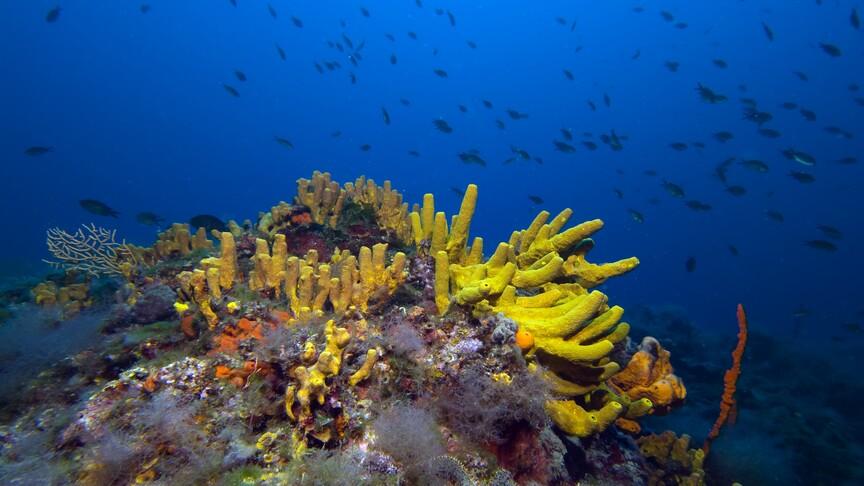
Loss of Biodiversity refers to the decline or complete disappearance of the genetic, species, and ecosystem-level diversity of living organisms on Earth. Biological diversity is a composite of genetic diversity, which encompasses genetic variation; species diversity, which includes all organisms in a given area; and habitat diversity, which arises from varied environmental conditions. Today, this diversity has increased to hundreds of times the natural extinction rate predicted by geological records, due to rising anthropogenic pressures since the Industrial Revolution. Scientific estimates suggest that the number of eukaryotic species on Earth ranges between 5 and 15 million, yet a large proportion of these species face extinction risks before they have even been formally described.【1】
Visual Related to Loss of Biodiversity (Anadolu Ajansı)
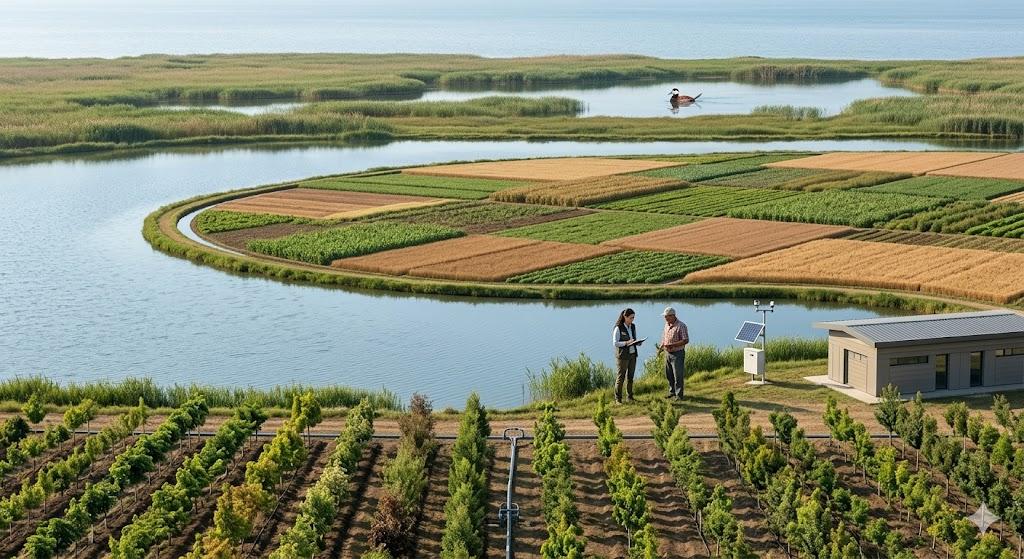
The most prominent and direct driver of global biodiversity loss is the conversion of natural areas through human activities. Agricultural expansion is identified as the primary threat factor for approximately 85 percent of endangered species.【2】 The transformation of forests into agricultural land, the drainage of wetlands, and the clearing of pastures fragment wildlife habitats, minimizing species’ chances of survival. For example, the draining of Lake Amik in Turkey during the 1970s to create farmland led to the extinction of the snakebird species in that region.【3】 Similarly, urbanization processes fragment natural landscapes through concrete infrastructure, causing habitat fragmentation that restricts species mobility, impedes genetic exchange, and increases the risk of local extinction.
Visual Related to Loss of Biodiversity (Generated by Artificial Intelligence.)
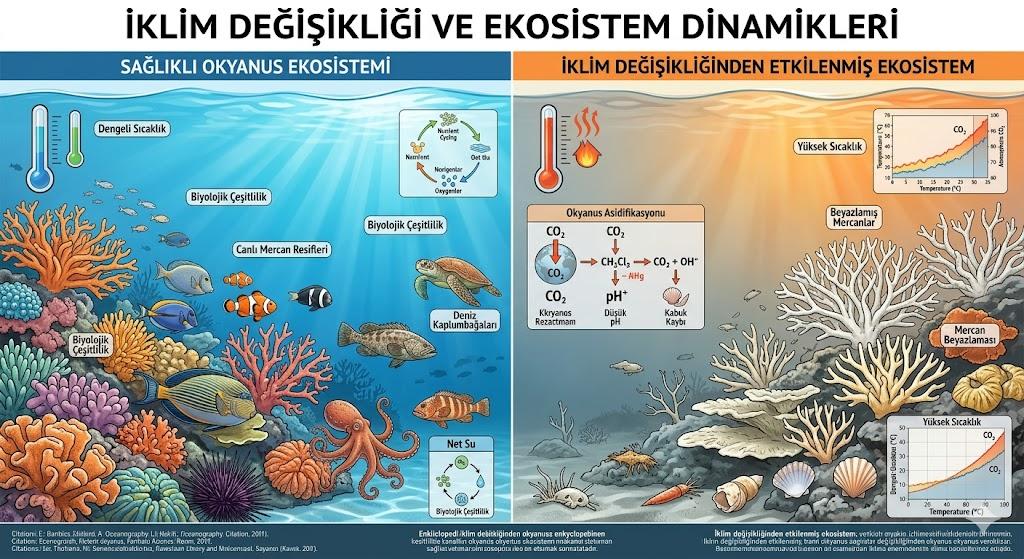
Climate change is a strategic factor causing profound and widespread effects on biodiversity across all layers of the biosphere. Rising global temperatures, driven by increased emissions of atmospheric greenhouse gases, threaten both terrestrial and marine ecosystems. Ocean warming leads to coral bleaching, while ocean acidification disrupts the structural integrity of calcium carbonate-shelled organisms.
Additionally, changes in ocean currents and the potential weakening of large-scale systems such as the North Atlantic Meridional Overturning Circulation destabilize food webs and regional climates, placing pressure on species’ adaptive capacities.【4】 On land, climatic shifts alter the timing of migration and reproduction in migratory species and contribute to desertification, narrowing ecological niches.

Visual Related to Loss of Biodiversity (Generated by Artificial Intelligence.)
The unsustainable consumption of biological resources is another fundamental cause of biodiversity loss. In marine ecosystems, overfishing not only collapses targeted populations but also harms non-target species through bycatch. In terrestrial ecosystems, unregulated hunting and illegal trade exert intense pressure on large mammals and bird species. In Türkiye, illegal hunting is one of the most significant threats to globally endangered species such as the Ferruginous Duck.【5】 Furthermore, wildlife trafficking, particularly the uncontrolled export of endemic flora and fauna taxa to foreign markets, erodes local biodiversity richness.
Visual Related to Loss of Biodiversity (Generated by Artificial Intelligence.)
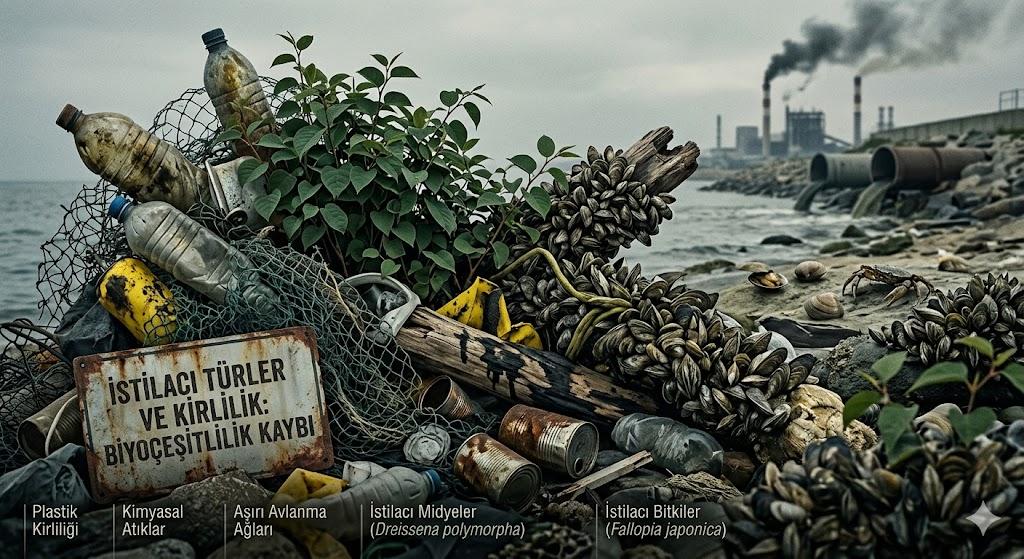
Pollution resulting from industrial and agricultural activities disrupts the chemical balance of ecosystems, triggering biodiversity loss. The excessive use of broad-spectrum insecticides and pesticides has caused mass declines in non-target insect and bird populations.
For instance, intensive pesticide use in the 1980s brought the Egyptian Vulture population in Türkiye to the brink of extinction in the wild.【6】 Additionally, eutrophication caused by nitrogen accumulation reduces oxygen levels in aquatic systems, leading to biodiversity losses, while marine plastic pollution inflicts lethal effects on megafauna. Meanwhile, invasive alien species introduced by humans into new habitats compete with native species, destabilize ecosystem structures through predation or disease transmission, and displace indigenous species.
Visual Related to Loss of Biodiversity (Generated by Artificial Intelligence.)
Biodiversity loss is not merely a reduction in species numbers but also signifies the undermining of ecosystem services and the foundations of human well-being. Plants and microorganisms found in nature are the source of a significant proportion of drugs used in modern medicine; aspirin, digoxin, and various anticancer agents are derived from this biological richness.【7】 The extinction of existing species carries the risk of permanently losing undiscovered medical treatments and biotechnological solutions. Moreover, the loss of natural pollinators threatens food security, while degraded ecosystems increase the risk of infectious disease spread and complicate access to essential needs such as clean water and air. Biodiversity loss is recognized as one of the major obstacles to achieving sustainable development goals worldwide.【8】
Ackerman, Daine. "Loss of Biodiversity: The Burgeoning Threat to Human Health." *Annals of Ibadan Postgraduate Medicine* 7, (2019): 5-7. Accessed June 9, 2026. https://pmc.ncbi.nlm.nih.gov/articles/PMC6871202/
Dirzo, Rodolfo, and Peter H. Raven. "Global State of Biodiversity and Loss." *Annual Review of Environment and Resources* 28, (2003): 138–167. Accessed June 9, 2026. https://www.annualreviews.org/content/journals/10.1146/annurev.energy.28.050302.105532
Durmuş, Atilla. *Yaban Hayatı ve Biyolojik Çeşitlilik Kaybı*. Ankara: Türkiye Bilimler Akademisi (TÜBA), Accessed June 9, 2026. https://www.tuba.gov.tr/files/yayinlar/raporlar/TUBA-978-625-6110-01-4_ch08.pdf
Hald-Mortensen, Christian. "The Main Drivers of Biodiversity Loss: A Brief Overview." *Journal of Ecology and Natural Resources* 7, no. 3 (2023): 1–7. Accessed June 9, 2026. https://papers.ssrn.com/sol3/papers.cfm?abstract_id=4579821
[1]
Rodolfo Dirzo and Peter H. Raven, "Global State of Biodiversity and Loss," Annual Review of Environment and Resources 28 (2003): 140, https://www.annualreviews.org/content/journals/10.1146/annurev.energy.28.050302.105532
[2]
Christian Hald-Mortensen, "The Main Drivers of Biodiversity Loss: A Brief Overview," Journal of Ecology and Natural Resources 7, no. 3 (2023): 1, https://papers.ssrn.com/sol3/papers.cfm?abstract_id=4579821
[3]
Atilla Durmuş, "Wildlife and Biodiversity Loss," (Ankara: Turkish Academy of Sciences [TÜBA], 182, https://www.tuba.gov.tr/files/yayinlar/raporlar/TUBA-978-625-6110-01-4_ch08.pdf
[4]
Hald-Mortensen, "The Main Drivers of Biodiversity Loss." 3.
[5]
Durmuş, "Wildlife and Biodiversity Loss." 182.
[6]
Durmuş, "Wildlife and Biodiversity Loss." 185.
[7]
Daine Ackerman, "Loss of Biodiversity: The Burgeoning Threat to Human Health," Annals of Ibadan Postgraduate Medicine, 5, https://pmc.ncbi.nlm.nih.gov/articles/PMC6871202/
[8]
Ackerman, "Loss of Biodiversity." 5.


Biodiversity Loss: The Silent Collapse of Ecosystems
Scope | Loss of species and ecosystem diversity. Genetic | ||||||||
|---|---|---|---|---|---|---|---|---|---|
Speed | Hundreds of times above the natural extinction rate. | ||||||||
Risk | The majority of nearly 15 million species are at risk of extinction before being described. | ||||||||
Critical Data | Primary threat for 85% of endangered species. | ||||||||
Local Loss | Draining of Lake Amik (extinction of the Snake-necked bird). | ||||||||
Marine Threat | Ocean acidification and coral bleaching. | ||||||||
Systemic Collapse | Weakening of ocean currents and disruption of food webs. | ||||||||
Terrestrial Impact | Habitat desertification and disruption of migration timing. | ||||||||
Overconsumption | Unsustainable fishing, bycatch, and wildlife trafficking. | ||||||||
Chemical Pressure | Pesticides (example: dragonfly) and plastic pollution. | ||||||||
Invasive Species | Displacement of native species from their habitats and spread of disease. | ||||||||
Human Health | Increased risk of infectious diseases and scarcity of clean air/water. | ||||||||
Habitat Loss and Land Use Change
Climate Change and Ecosystem Dynamics
Direct Exploitation and Overuse
Pollution and Invasive Species
Consequences and Functional Impacts