

`habitat-conservation` Related Article Results
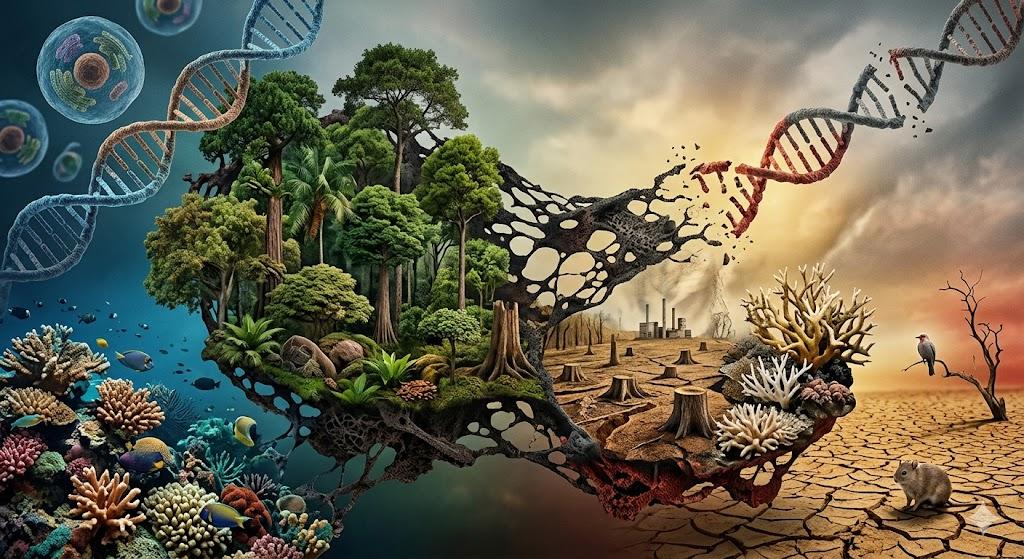
Biodiversity Loss
Loss of Biodiversity refers to the decline or complete disappearance of the genetic, species, and ecosystem-level diversity of living organisms on Earth. Biological diversity is a composite of genetic diversity, which encompasses genetic variation; species diversity, which includes all organisms in a given area; and habitat diversity, which arises from varied environmental conditions. Today, this diversity has increased to hundreds of times the natural extinction rate predicted by geological rec
EN
Büşra Tuğa
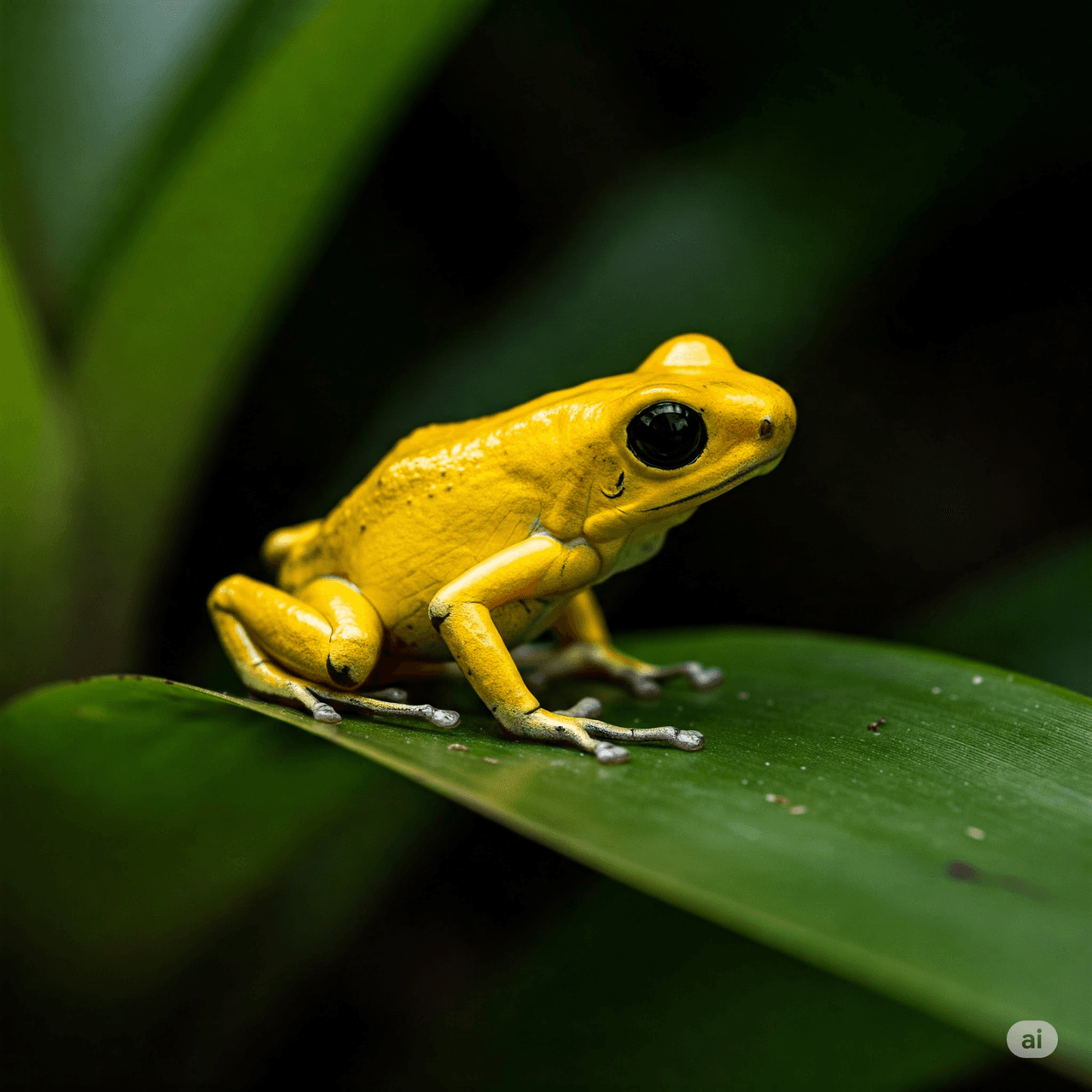
Golden Poison Dart Frog
The Golden Poison Frog (Phyllobates terribilis) is a venomous species of frog belonging to the family Dendrobatidae and has attracted attention in both scientific research and popular culture due to its toxicity. This species has a highly restricted habitat limited to moist tropical forests along the Pacific coast of Colombia. Known for its striking golden-yellow coloration, it produces batrachotoxin, a potent biotoxin used as a defense mechanism. These frogs are a significant subject of study i
EN
Fatih Atalay
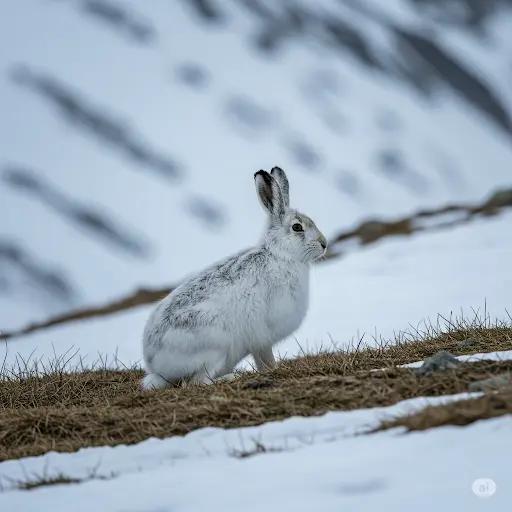
Mountain Hare (Lepus timidus)
The Mountain Hare (Lepus timidus) is a mammal species adapted to cold climates and is commonly found in mountainous and tundra regions of the Northern Hemisphere. This species is particularly notable for its seasonal coat color, which changes from white in winter to brown or gray tones in summer. This adaptation is crucial for camouflage against snow-covered surroundings. The Mountain Hare plays a significant role in maintaining ecological balance due to its ability to thrive in harsh climates a
ENEmre Özen