

`climate-change` Related Article Results
TEKNOFEST High School Students Climate Change Research Projects Competition
TEKNOFEST High School Students Climate Change Research Projects Competition is a national scientific competition aimed at increasing awareness among high school students in Türkiye and the Turkish Republic of Northern Cyprus about climate change, encouraging them to develop solutions for the sustainable use of natural resources, and fostering societal awareness on this issue. The competition is organized under the coordination of Scientific and Technological Research Council of Türkiye (TÜBİTAK)
EN
Ahmet Safa Çetin
 Ra
RaRabbit with Snow Shoes
SNOWSHOE HARE: PHYSICAL CHARACTERISTICS The snowshoe hare, also known as snow, is a species of hare native to the Arctic ecosystem of North America. It derives its name “snowshoe” from its large, heavily furred hind feet. The size and width of its feet prevent it from sinking into the snow while walking or jumping, and the dense fur on its Foot soles provides insulation against freezing temperatures. The snowshoe hare’s coat color changes seasonally. During winter months, its fur turns white to
EN
Oğuzhan Özdemir
MAMAMUT
Mammoth refers to the subspecies within the genus Mammuthus of the elephant family. The most distinctive features of mammoth species are long, their curved tusks, and the long hairs seen in northern species. Although many mammoth species lived from the Pliocene epoch (approximately 5 million years ago) until the beginning of the Holocene, the vast majority of their populations became extinct during the Late Pleistocene epoch none. The closest living relatives of mammoths today are Asian elephant
ENOğuzhan Özdemir
CoCoastal Geomorphology
Coastal geomorphology is the scientific discipline that studies the formation of the transition zone between land and sea. This field investigates the various landforms created in coastal areas by dynamic processes such as tides, waves, currents, winds, and sea level changes. Coastal regions are sensitive ecosystems that are continuously altered by both natural processes and human impacts. Coastal zones are among the most dynamic areas on Earth’s surface. Continuous erosion and deposition proces
EN
Ahmet Burak Taner
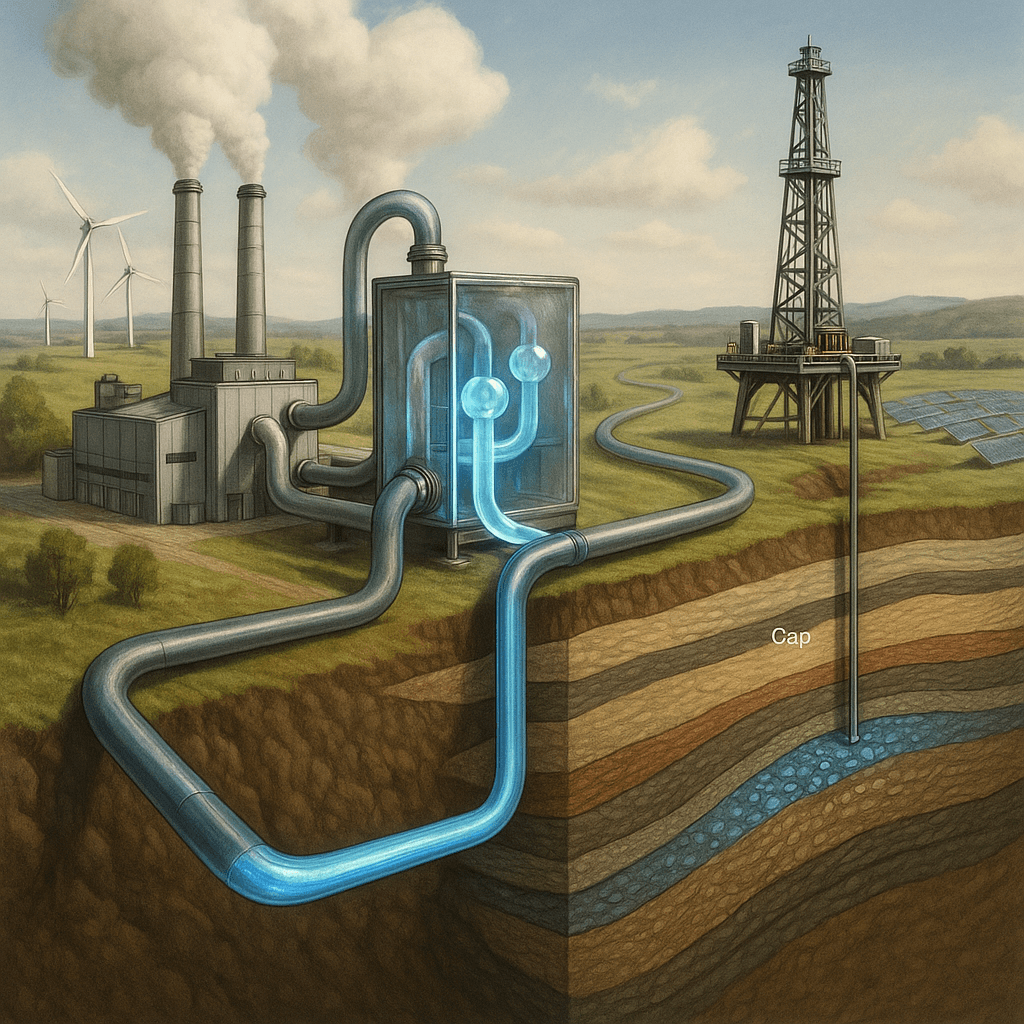
Carbon Capture and Storage (CCS)
Carbon Capture and Storage (CCS), a technological framework based on the separation of carbon dioxide (CO₂) emissions from large industrial sources such as energy production facilities, steel, cement, and chemical industries before they reach the atmosphere, followed by their transportation under high pressure and long-term storage in suitable underground geological formations. Its primary objective is to reduce greenhouse gas emissions by lowering atmospheric CO₂ concentrations, thereby limitin
EN
Ömer Said Aydın
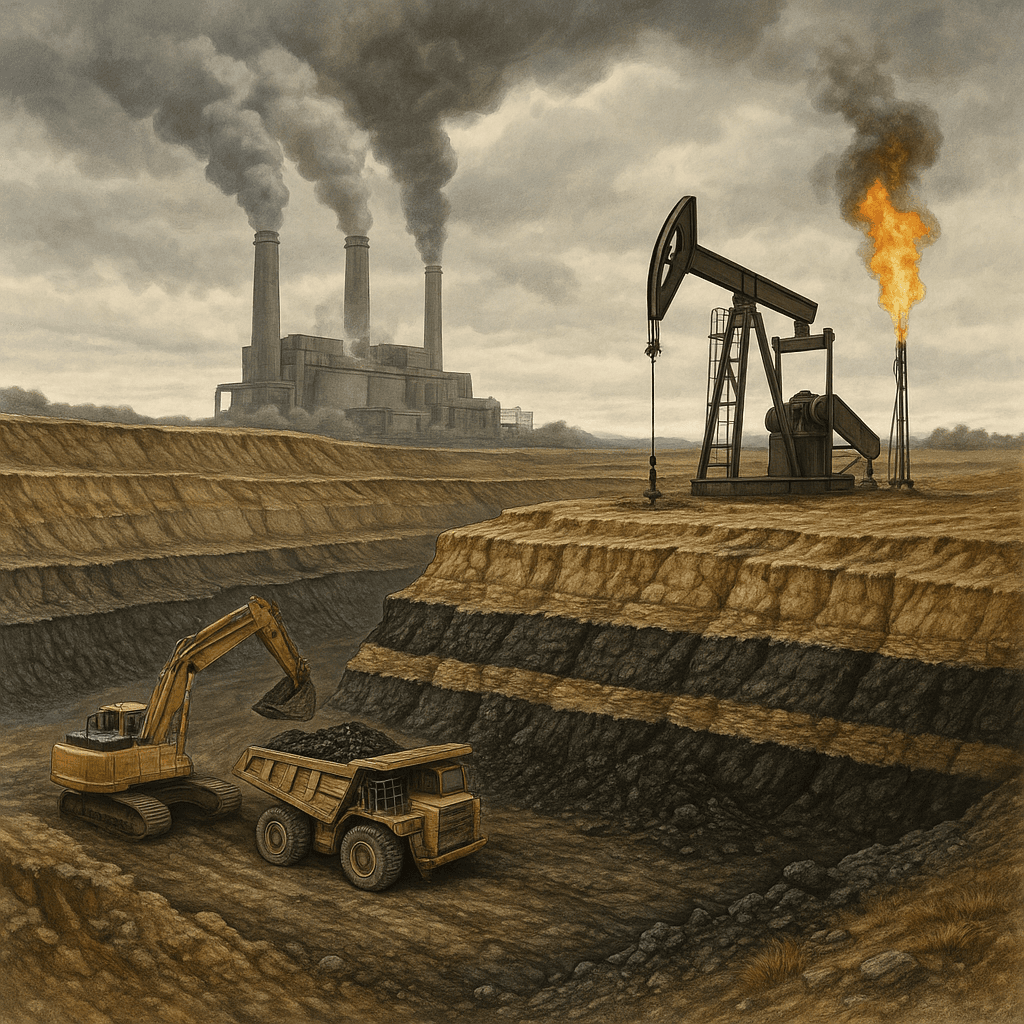
Fossil Fuels
Fossil fuels are non-renewable natural energy sources formed through the chemical transformation of remains of living organisms such as plants and animals that lived millions of years ago, under high pressure and temperature in an oxygen-free environment beneath the Earth’s crust. These fuels are rich in carbon and hydrocarbons. Since they release large amounts of energy when burned, they have become the primary energy source of the modern world since the Industrial Revolution. The most common a
ENÖmer Said Aydın
HyHydrometeorology
Weather phenomena refer to short-term physical conditions observed in the atmosphere at a specific time and location. These phenomena are typically defined by the observation of meteorological variables such as temperature, wind, humidity, pressure, cloud cover, and types of precipitation. Phenomena such as rain, snow, hail, fog, lightning, and storms are among the most commonly encountered weather events. These events not only reflect the state of the atmosphere but also directly impact land, s
EN
Aslı Öncan
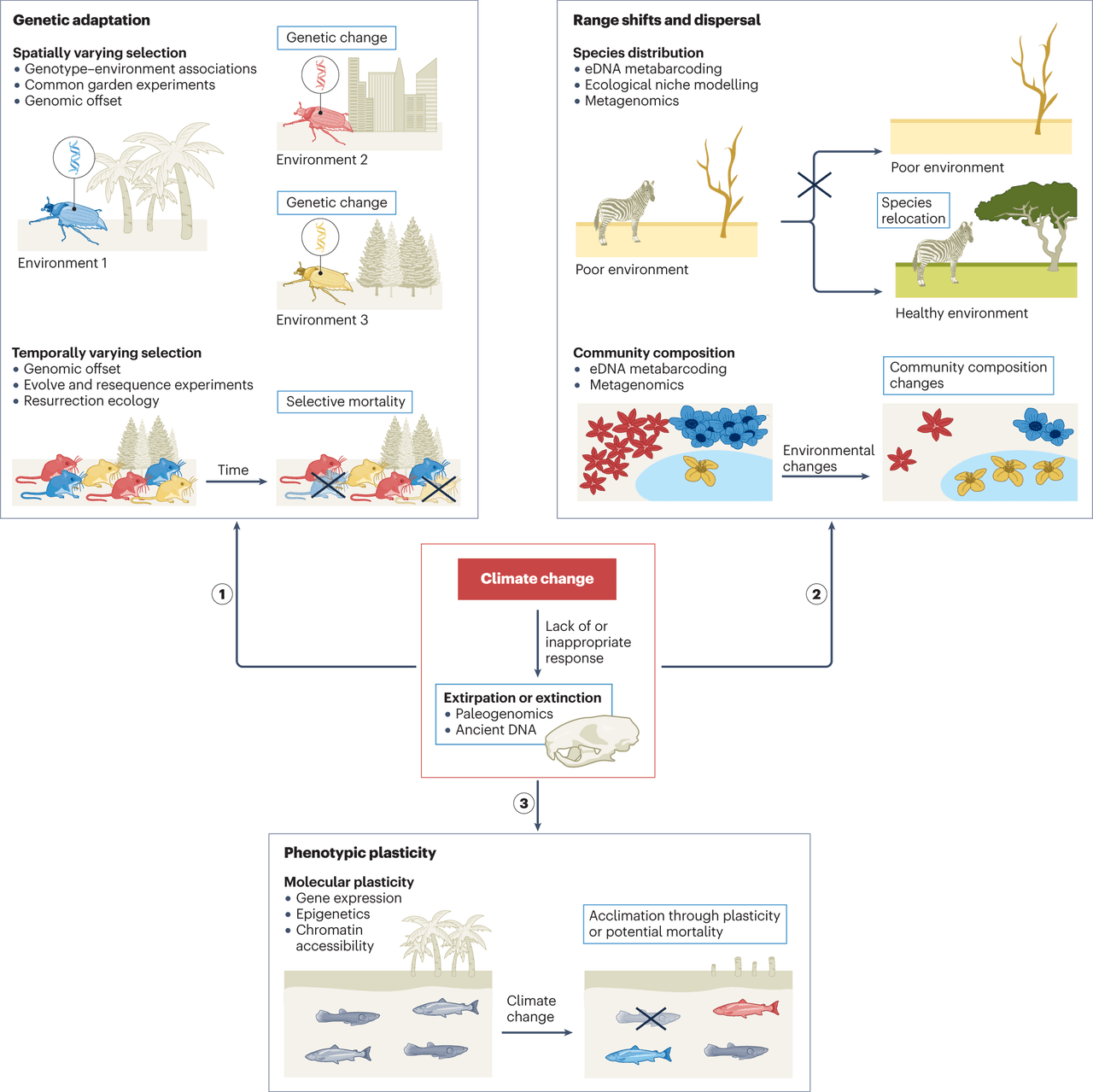
Climate Change Adaptation
Climate change adaptation refers to the process by which organisms and ecosystems respond to environmental changes through genetic, physiological, or behavioral adjustments. This adaptation may involve evolutionary changes that increase the likelihood of survival and reproduction for species. Rising temperatures, shifts in precipitation patterns, and extreme weather events are the primary factors forcing organisms to adapt. Genetic Foundations Climate change adaptation occurs through natural sel
EN
Enes Kekeç
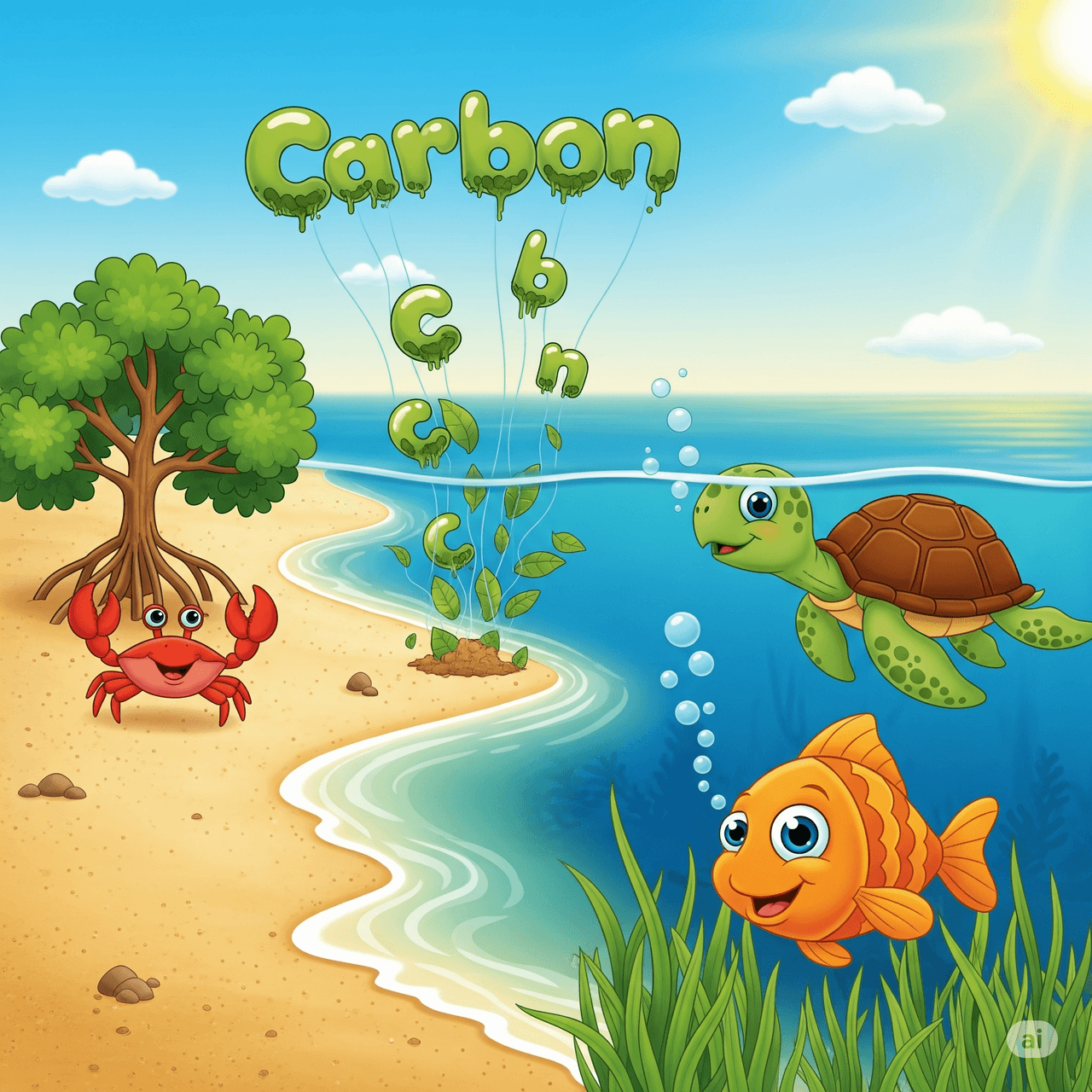
Blue Carbon
Blue carbon is the term given to the capture and storage of carbon dioxide (CO₂) from the atmosphere by certain plants and ecosystems in oceans and coastal areas. This system helps combat climate change. Who Produces Blue Carbon? Certain specialized marine and coastal plants store blue carbon: -Seagrasses (plants that live underwater) -Mangrove forests (trees found along tropical coastlines) -Salt marshes (wetlands near the sea) These plants absorb carbon from the atmosphere through photosynthes
EN
İbrahim Filiz

What is the Mesosphere?
The upper layer of the atmosphere! The mesosphere is one of Earth’s atmospheric layers. It lies above the troposphere and stratosphere and encompasses the region before the thermosphere. Where Does It Begin and How Far Does It Extend? The mesosphere begins at approximately 50 kilometers in altitude and extends up to 85–90 kilometers. This layer is a high-altitude region of the atmosphere that is relatively thin and cool. What Happens in the Mesosphere? -Polar Mesospheric Clouds (Noctilucent Clou
ENİbrahim Filiz