

`invasive-species` Related Article Results
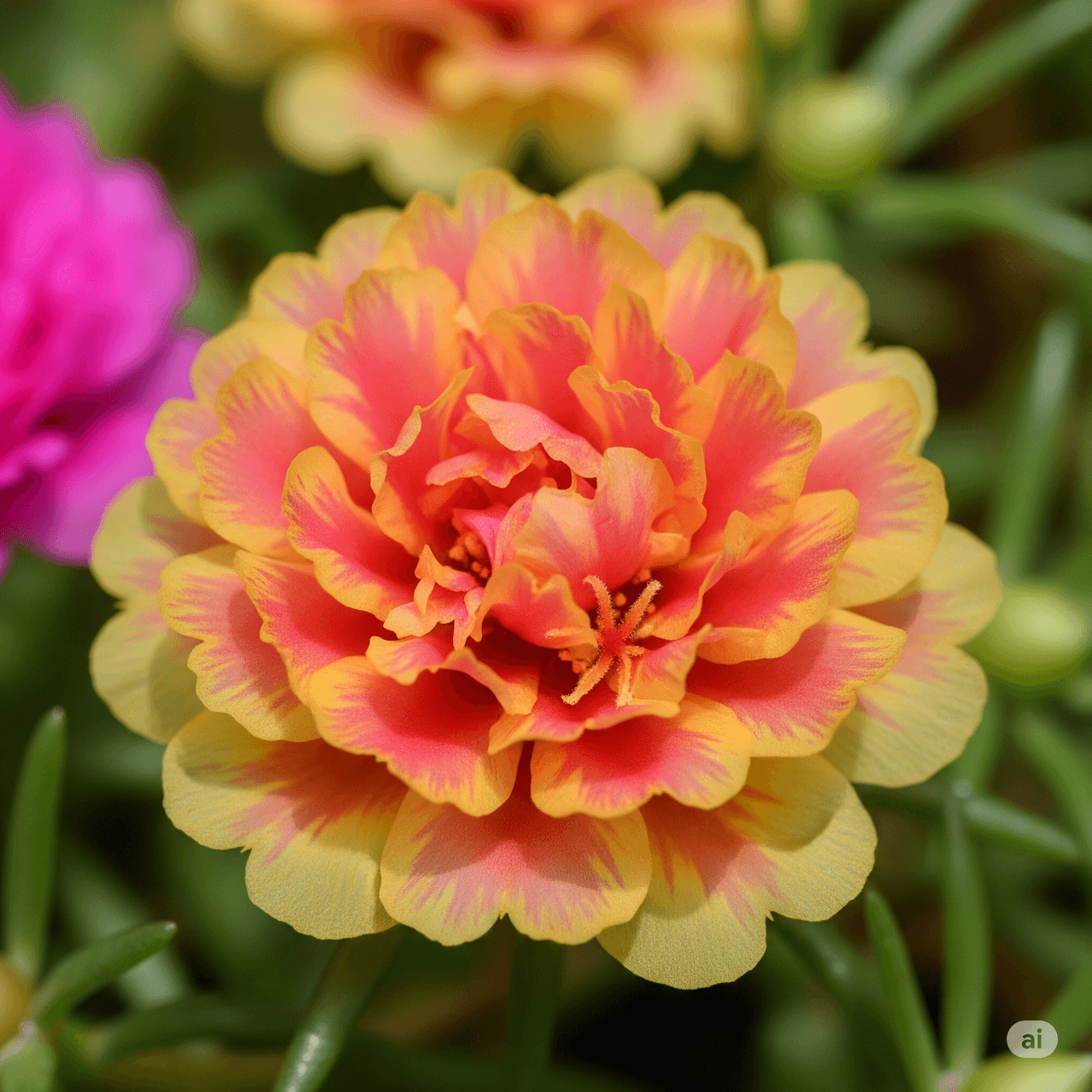
Acem Carpet Flower
Acem Halısı Flower (Drosanthemum floribundum), commonly known as Acem Halısı, is a succulent species native to South Africa and belonging to the Aizoaceae family. This plant is particularly favored in landscape design in arid and semi-arid regions. With its distinctive morphological, ecological, and cultivation characteristics, the Acem Halısı flower has also naturalized in various areas and established itself among invasive species. Morphological Characteristics The Acem Halısı flower is a low-
EN
Okan Kanpolat
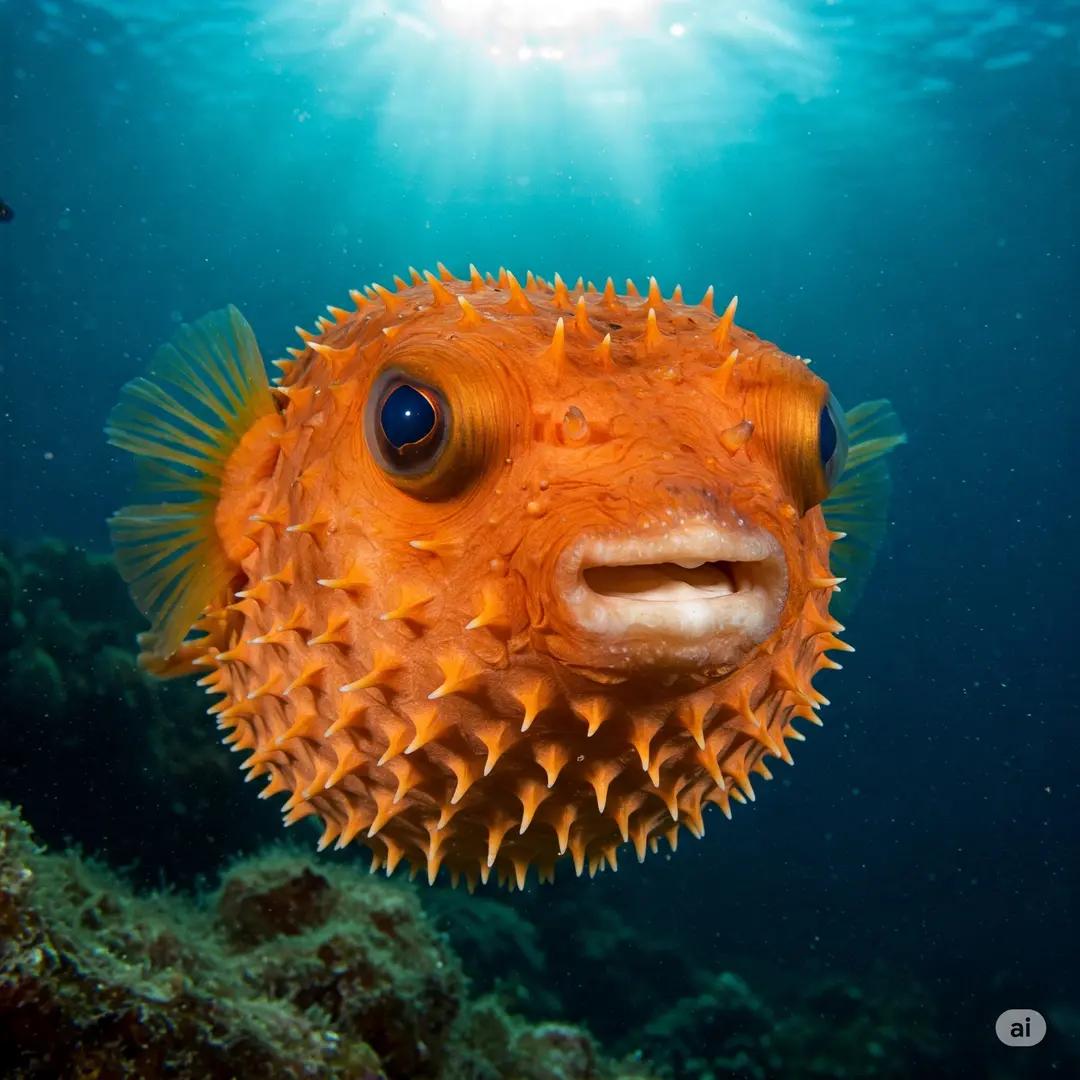
Lagocephalus Sceleratus)
Pufferfish (Lagocephalus sceleratus) has recently become an important species in the Mediterranean ecosystem. This species draws attention both as an invasive species threatening ecological balance and for the risks it poses to human health. Taxonomy and Morphological Features The pufferfish belongs to the family Tetraodontidae. Scientifically named Lagocephalus sceleratus, it was first described by Gmelin in 1789. Its body is torpedo-shaped, with a gray-green dorsal side and a white belly. It h
EN
Fatih Atalay

Biodiversity Loss
Loss of Biodiversity refers to the decline or complete disappearance of the genetic, species, and ecosystem-level diversity of living organisms on Earth. Biological diversity is a composite of genetic diversity, which encompasses genetic variation; species diversity, which includes all organisms in a given area; and habitat diversity, which arises from varied environmental conditions. Today, this diversity has increased to hundreds of times the natural extinction rate predicted by geological rec
EN
Büşra Tuğa
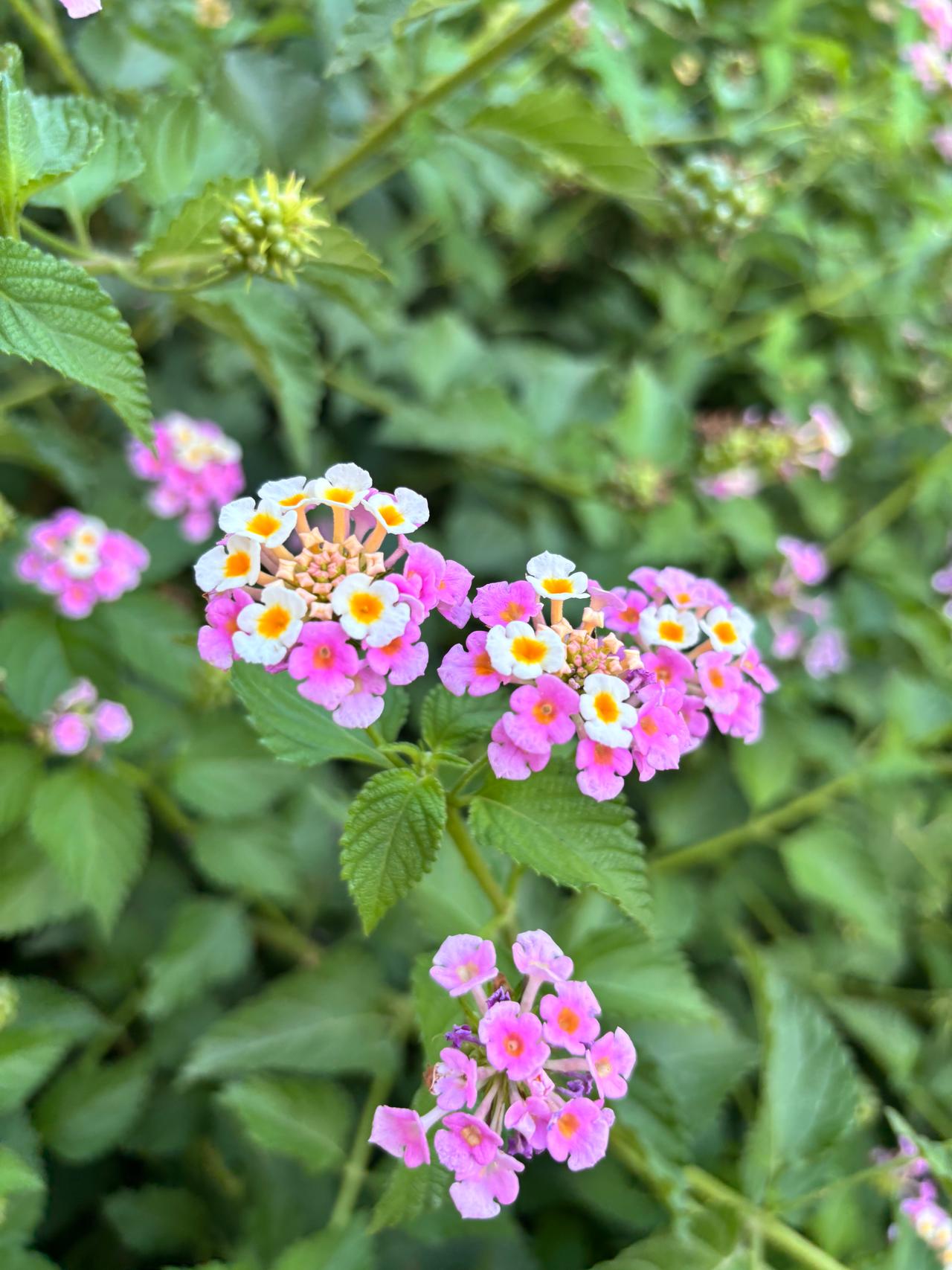
Ağaç Minesi (Lantara Camara)
Lantana camara (Lantana camara L.) is a member of the Verbenaceae family, typically growing as a perennial woody shrub reaching heights of 0.5–2 metres. It has a wide distribution across tropical and subtropical regions, with its native range centered on the Indian subcontinent. This species is notable for its dense clusters of small flowers in variable shades of red, yellow, orange, and pink, arranged in spike-like inflorescences. It is commonly found in disturbed habitats such as road edges, f
ENGaye Durmuş
Tree Mine (Lantara Camara)
Lantana camara (Lantana camara L.) is a member of the Verbenaceae (Verbenaceae) family, which is widely distributed in tropical and subtropical regions, primarily in the Indian subcontinent, reaching a height of 0.5–2 meters, and typically developing as a perennial, woody shrub. This species is notable for its spike-like clusters of small flowers in varying shades of red, yellow, orange, and pink. It is commonly found in disturbed habitats such as roadside areas, forest clearings, and land unsui
ENGaye Durmuş
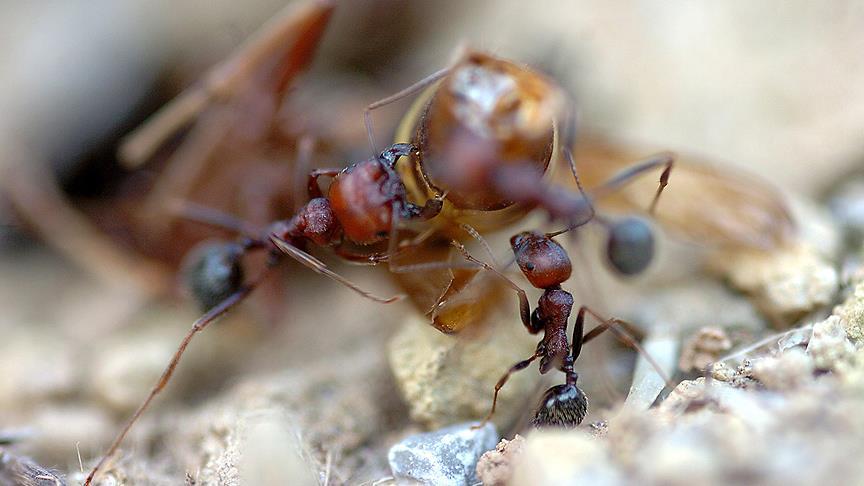
Solenopsis İnvicta
The fire ant (Solenopsis invicta) is an invasive and highly aggressive ant species native to South America. It was originally observed in the region where the borders of Paraguay, Brazil, and Argentina converge. Since the early 20th century, the species has spread to the United States and subsequently to other continents. It is believed to have arrived in the U.S. during the 1930s via imported agricultural products transported by sea. Over time, the species adapted to and spread across various c
EN
Samet Şahin
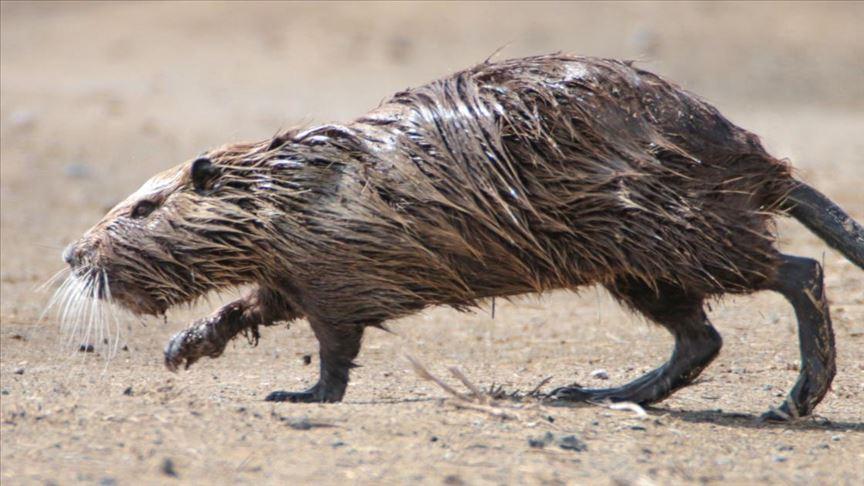
Nutria (Myocastor coypus)
Coypu (Myocastor coypus) is a mammalian species belonging to the order Rodentia and the family Myocastoridae, adapted to a semi-aquatic lifestyle. Native to South America, this species has been introduced to various continents due to human-driven translocations primarily for fur and meat production, and has been classified as an invasive species in several regions. Due to its distinctive morphological structure and environmental impacts, this animal occurs in limited populations in wetland areas
EN
Sümeyye Akkanat Terzioğlu