

`food-security` Related Article Results
 Ag
AgAgricultural Economics: Food Security and Sustainable Development
Agricultural economics is a branch of economics that examines the use of agricultural production and resources. Agriculture, one of the oldest economic activities in human history, also holds significant importance in modern economies. Agricultural economics aims to increase the efficiency of agricultural production, ensure food security, and promote the sustainable use of natural resources. This field, where food production, rural development, exports and environment policies converge, has a br
EN
Mesut Altunkaynak
AgAgroecology
Agroecology is an interdisciplinary approach that integrates ecological principles into agricultural practices with the goal of creating sustainable farming and food systems. This approach is recognized not only as a scientific discipline but also as a set of agricultural practices and a social movement. The fundamental aim of agroecology is to ensure environmental social and economic sustainability in food production. Basic Definitions and Scope Agroecology is defined in various ways across dif
EN
Yunus Emre Yüce
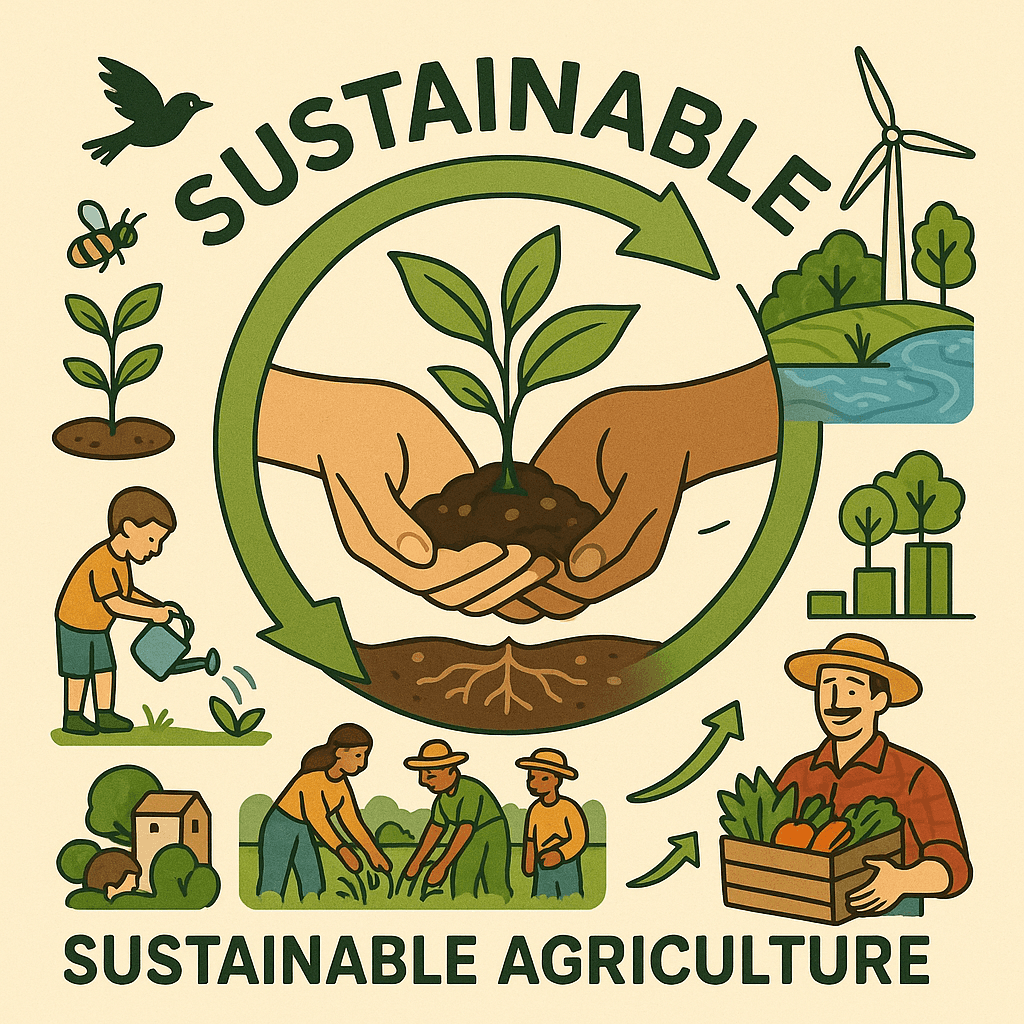
Sustainable Agriculture
Sustainable agriculture refers to an agricultural structure that employs farming techniques that do not harm the environment, alongside the conservation of natural resources in the long term. Fundamentally, it aims to continue agricultural production by meeting the needs of the present without compromising the ability of future generations to meet their own needs. This approach targets a balance in agronomic, environmental, social, and economic dimensions of agricultural production. Fundamental
ENYunus Emre Yüce
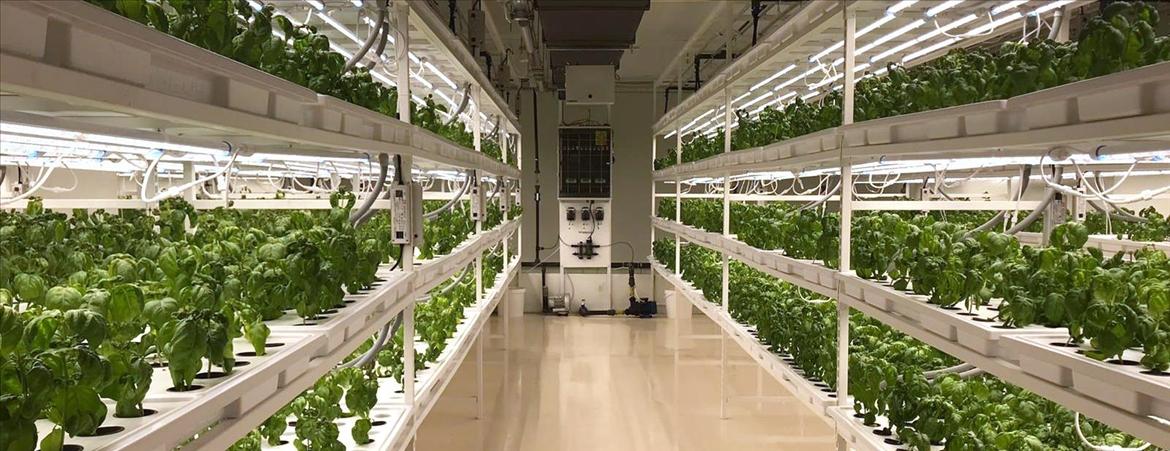
Vertical Farming
Vertical farming is a production model in which plant cultivation takes place in layered structures and typically under controlled environmental conditions. Developed as an alternative to conventional horizontal farmland limitations, this system aims to enable sustainable food production in densely urbanized areas. By largely decoupling the agricultural process from natural seasonal cycles, continuous production throughout the year becomes feasible. In these systems, production is generally carr
EN
Aslı Öncan
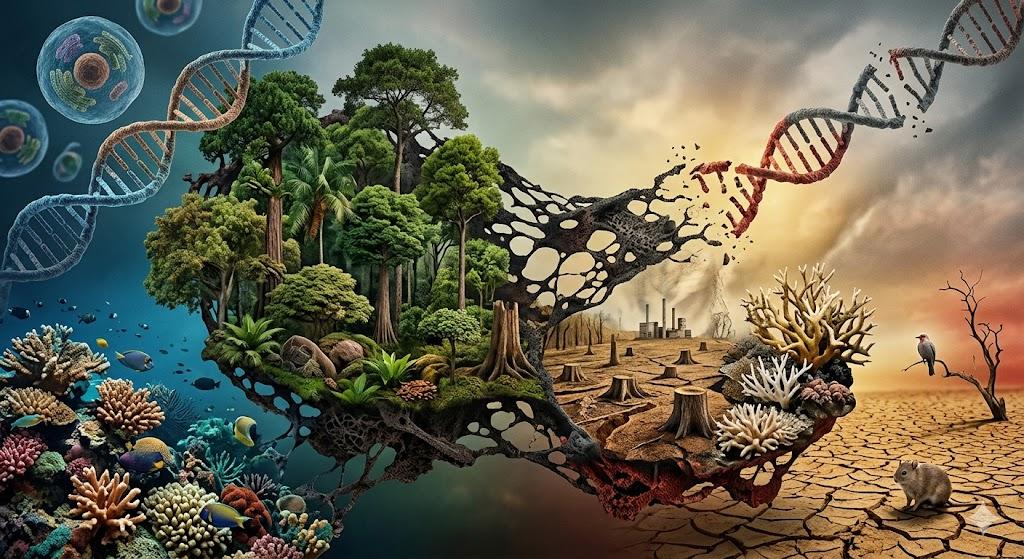
Biodiversity Loss
Loss of Biodiversity refers to the decline or complete disappearance of the genetic, species, and ecosystem-level diversity of living organisms on Earth. Biological diversity is a composite of genetic diversity, which encompasses genetic variation; species diversity, which includes all organisms in a given area; and habitat diversity, which arises from varied environmental conditions. Today, this diversity has increased to hundreds of times the natural extinction rate predicted by geological rec
EN
Büşra Tuğa
GrGreen Revolution
The Green Revolution is a term referring to the surge in agricultural production that began in the 1960s, particularly in developing countries, leading to rapid increases in wheat and rice yields. This process is based on the adoption of a technology package comprising high-yielding seed varieties, fertilizers, controlled irrigation, and other chemical inputs. These new varieties do not produce significantly higher yields than traditional ones without fertilizer or controlled irrigation, but whe
ENYunus Emre Yüce
SeSeed Gene Banks
Seed gene banks are technical facilities where plant genetic resources (PGR) are conserved ex situ, outside their natural habitats. These facilities store seeds after drying them to low moisture levels and keeping them at low temperatures for long-term preservation without losing viability. Plant genetic resources serve as a vital source for ensuring food and nutrition security, enhancing the resilience of agricultural production systems, and adapting to future environmental conditions such as c
ENYunus Emre Yüce
GrGreen Revolution
Green Revolution is a term that emerged in the 1960s to describe a rapid increase in agricultural production, particularly in wheat and rice yields, in developing countries. This process relied on the adoption of a technology package consisting of high-yielding seed varieties, fertilizers, controlled irrigation, and other chemical inputs. These new varieties did not yield more than traditional ones without fertilizer or controlled irrigation, but when the full package was implemented, they produ
ENYunus Emre Yüce
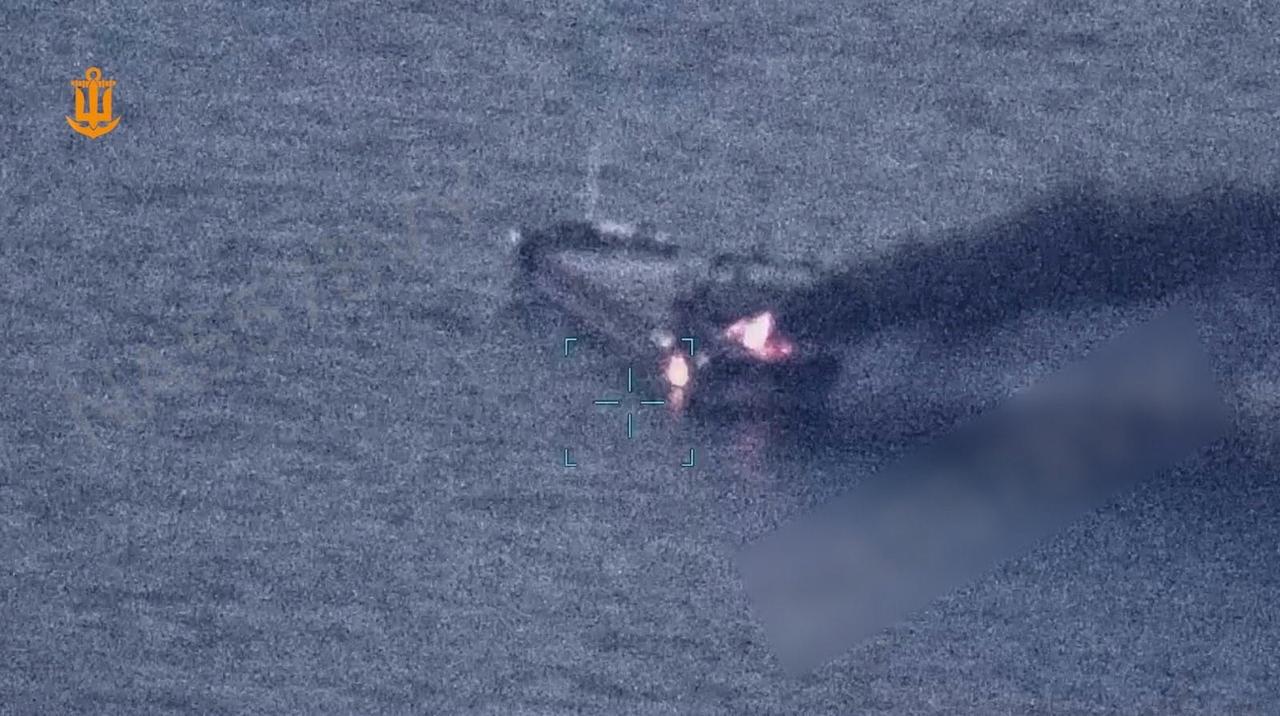
Unmanned Aerial Vehicle Attack Against the VICTRESS Gemisi (June 2026)
Unmanned aerial vehicle attack on the VICTRESS occurred on the morning of 22 June 2026 in the Black Sea, off the coast of Chornomorsk Port, targeting the dry cargo vessel VICTRESS, which is owned by Turkish interests and flies the Panamanian flag. The attack caused a fire on board the vessel. According to Ukrainian authorities, the attack was attributed to Russia, resulting in the death of one crew member, while the remaining crew were evacuated by Ukrainian Navy boats. The Ministry of Foreign A
EN
Edanur Karakoç