

`ottomanarchitecture` Related Article Results
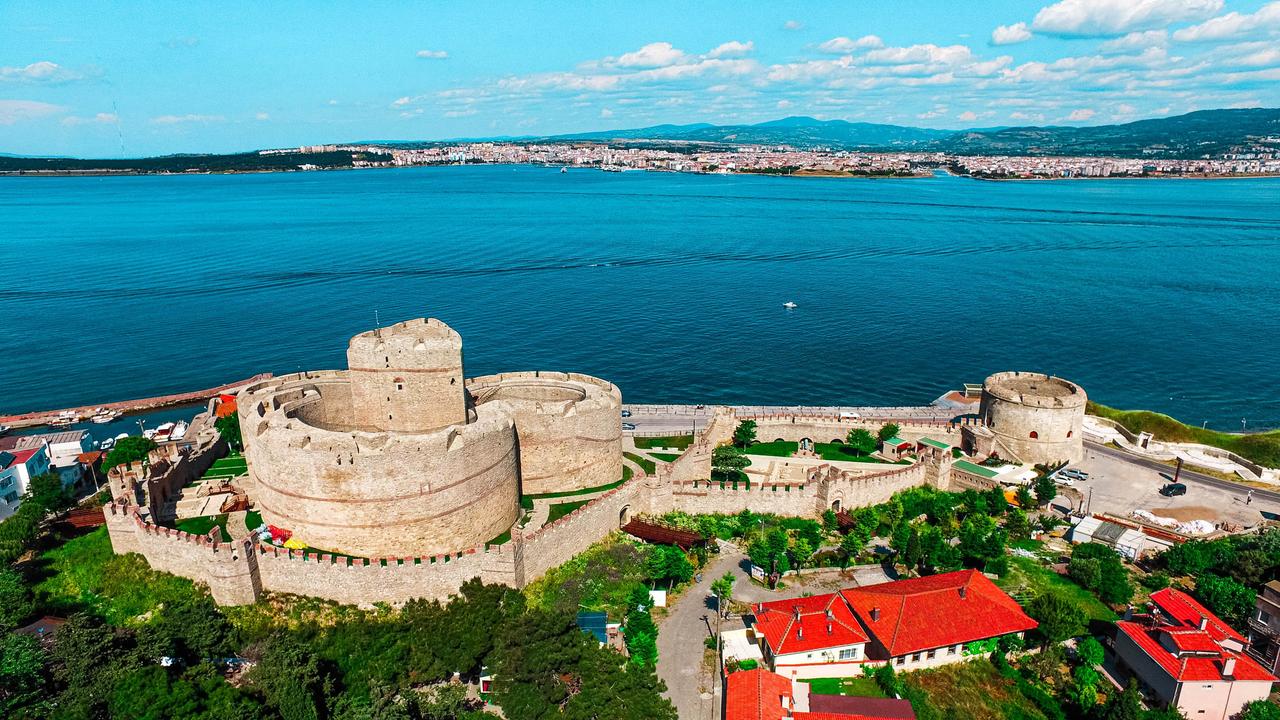
Kilitbahir Castle Museum
Kilitbahir Castle, one of the strategic points of the Dardanelles Strait, is one of the important defensive structures built by the Ottoman Empire for maritime security. It is located at the narrowest point of the strait. Situated directly opposite the city center of Çanakkale, it has played a critical role in the security of Istanbul for centuries. Promotional Video (Çanakkale Historical Site Presidency) " youtube-video-element-format="right" youtube-video-id="Pn6swW4EceI"> History and Archi
EN
Ahsen Güneş
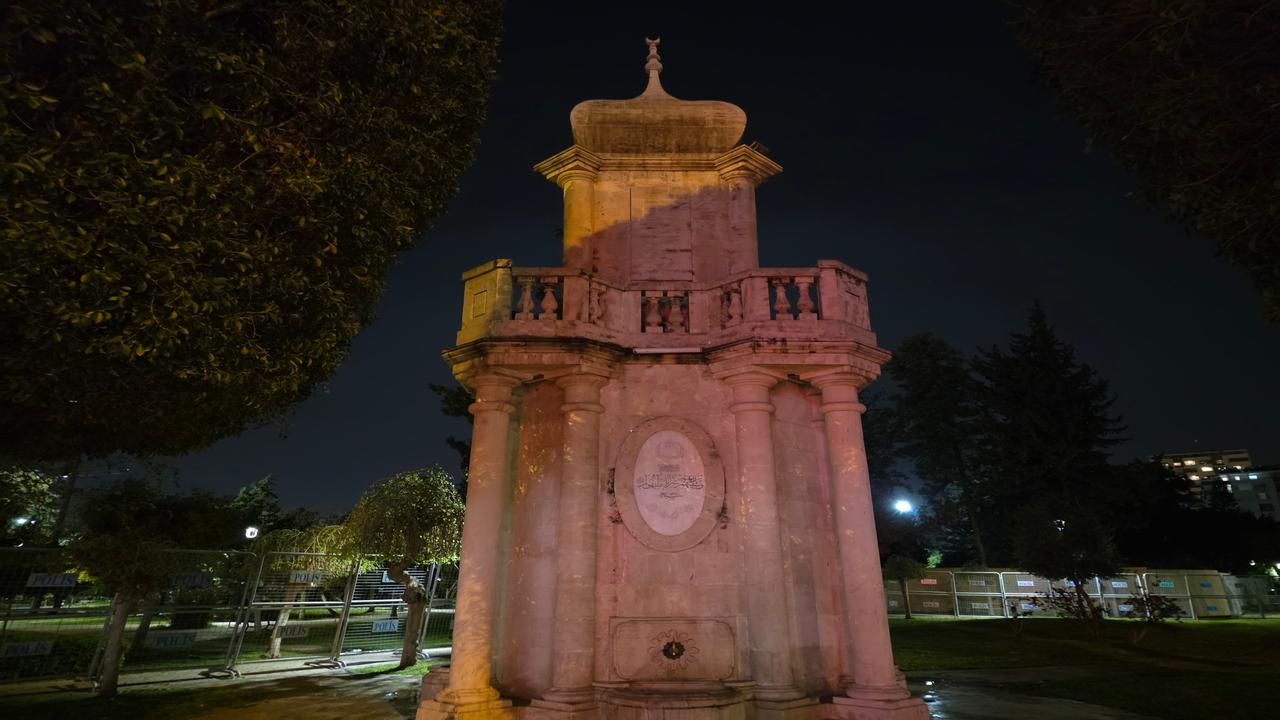
Bahri Pasha Fountain
Bahri Paşa Çeşmesi was constructed in 1901 to commemorate the 25th anniversary of Sultan II. Abdülhamit’s accession to the throne by Adana Governor Bahri Paşa. It is a monumental water structure located in Atatürk Parkı, reflecting the eclectic artistic style of the late Ottoman period.【1】 Historical Development and Construction Process The structure was built as one of several monument projects initiated across various Ottoman provinces in 1901 to mark the 25th anniversary of Sultan II. Abdülha
EN
Gözde Cabadak
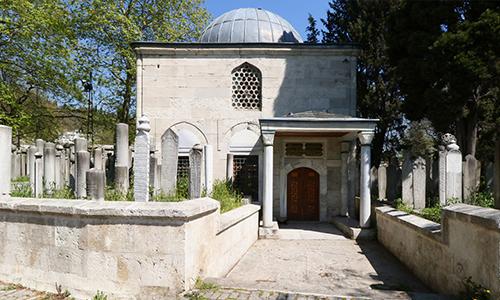
Feridun Paşa Türbesi
Feridun Ahmed Pasha Tomb, built in 1583 in the Eyüpsultan district of İstanbul, is a square-plan, single-dome funerary structure erected in honor of Feridun Ahmed Pasha, a 16th-century Ottoman bureaucrat, chancellor, poet, and writer.【1】 The Life and Literary Identity of Feridun Ahmed Pasha Feridun Ahmed Pasha was educated in the imperial court during the reign of Suleiman the Magnificent under the tutelage of Çivizade Abdullah Çelebi, the Grand Treasurer, and rose through the bureaucratic ranks
ENGözde Cabadak
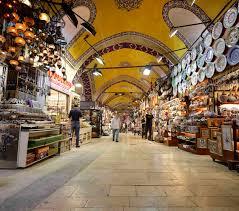
Grand Bazaar
The Grand Bazaar is located at the intersection of the Beyazıt, Nuruosmaniye and Mercan neighborhoods in İstanbul and is one of the largest and oldest covered markets in the world. Established during the Ottoman Empire, this trade center has played a defining role in the city’s economic and cultural life for centuries, both through its architecture and its social function. Today, with more than 60 streets and nearly 4,000 shops, the bazaar welcomes an average of 250,000 to 400,000 visitors daily
ENAhsen Güneş
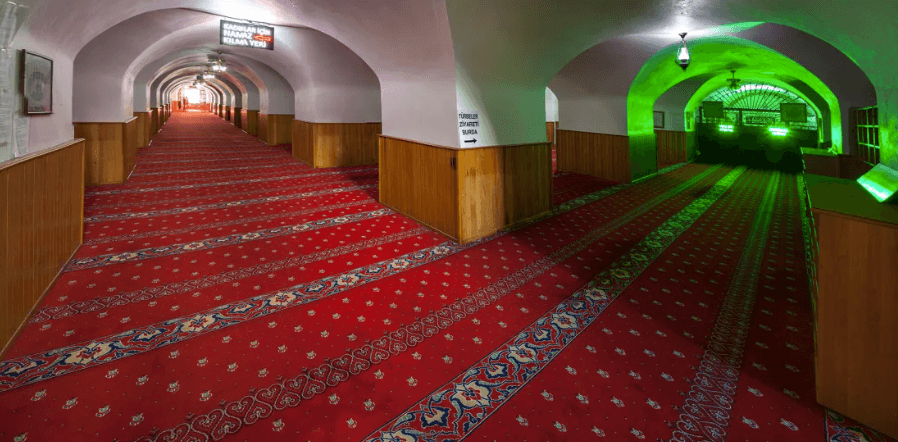
Karaköy Underground Mosque
Karaköy Underground Mosque is a historic mosque located in the Beyoğlu district of Istanbul, near the Karaköy ferry pier. This mosque stands out among Istanbul’s other mosques due to its unique construction below ground level. It is recognized as one of the important religious structures of both Istanbul and the Ottoman Empire, standing out both as a place of worship and for its historical and cultural significance. History and Transformation The site of the Karaköy Underground Mosque correspond
EN
Sümeyra Uzun
 Or
OrOrtamahalle Houses (Akçaabat)
Ortamahalle Houses, Trabzon Province’s Akçaabat district, are traditional residential structures that form the historical and architectural fabric of the Ortamahalle settlement. These houses were shaped according to the region’s topographical features, climatic conditions, and social structure, and have survived to the present day as tangible examples of the settlement patterns that developed since the Ottoman period. Due to its distinctive residential fabric, Ortamahalle has been designated as
EN
İremsu Ümit
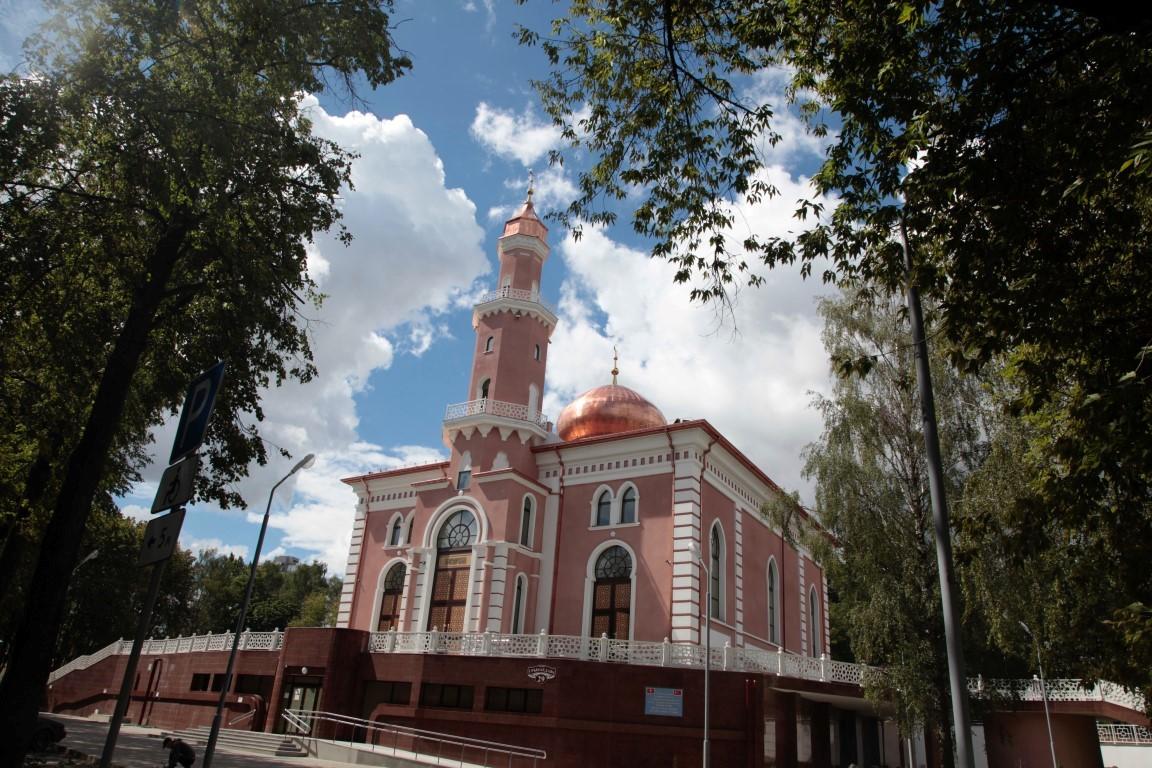
Minsk Mosque
Minsk Mosque is a mosque located in Minsk, the capital of Belarus, with a historical origin dating back to the 15th century. The structure was initially built of wood and later reconstructed in 1890 using stone and brick materials, becoming one of the city’s prominent landmarks. During the Soviet Union era, it was demolished in 1962. Reconstruction efforts initiated by the Turkish Diyanet Foundation began in 2014 and were completed in 2016, after which the mosque was opened for worship. History
EN
Nurten Yalçın
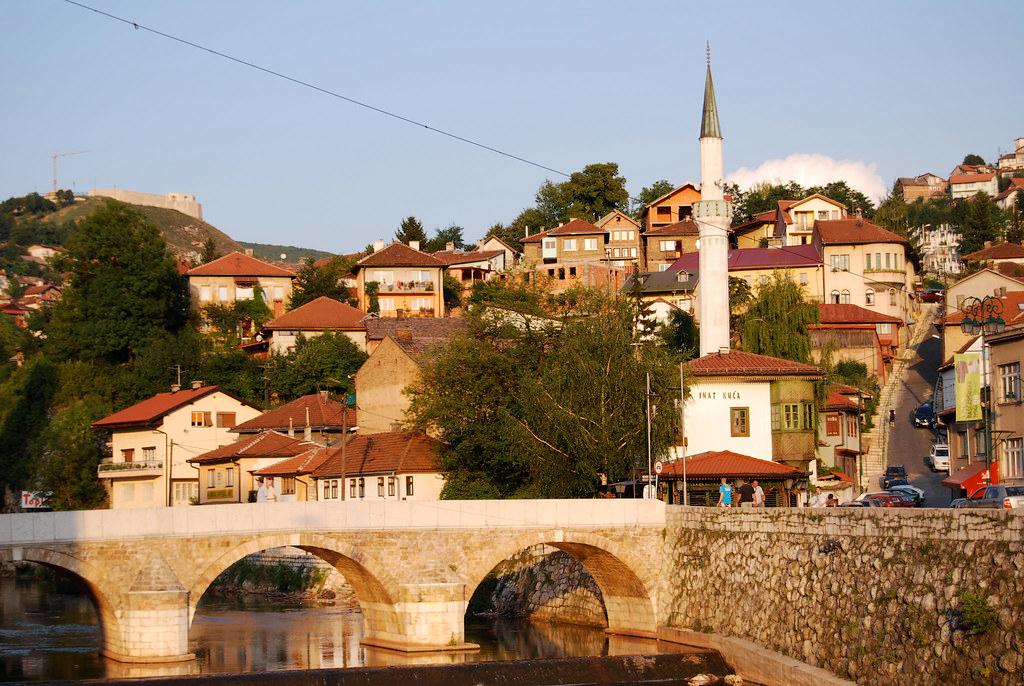
Inat House (Inat Kuça)
Inat Evi, Bosnia and Herzegovina’s capital Sarajevo, located on the southern bank of the Miljacka River, is a historic building exhibiting characteristics of 19th-century Ottoman civil architecture. Known in Bosnian as Inat Kuça, this structure is regarded as a symbol of individual resistance against urban transformation initiatives during the Austro-Hungarian Empire period. Historical Background and Construction Process The 1878 Treaty of Berlin altered the political map of the Balkans by trans
EN
Nursena Şahin
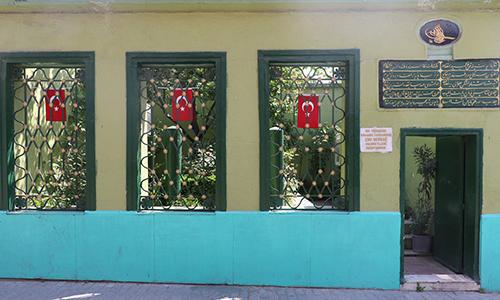
Tomb of Abu Darda
The Tomb of Abu al-Darda (Maqam of Abu al-Darda Radiyallahu Anhu) is a historical mausoleum and burial structure located on Zal Pasha Street in the Nişanca Neighborhood of the Eyüpsultan district of Istanbul, attributed to the esteemed Companion Abu al-Darda.【1】 Location and Environmental Features The structure is situated within the boundaries of Eyüpsultan on Zal Pasha Street, positioned between the Cezeri Kasım Paşa Camii and the Zal Mahmud Paşa Camii. Directly opposite the front facade of th
ENGözde Cabadak
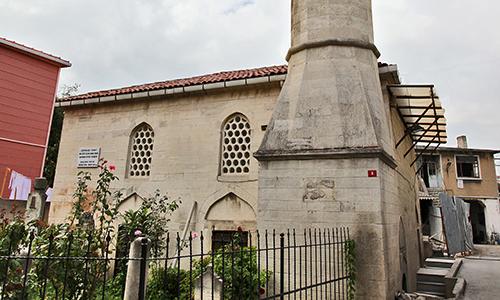
Çeribaşı Camii
Çeribaşı Camii (or Çeribaşı Mescidi) is a religious structure located on Feshane Caddesi in the Eyüpsultan district of Istanbul, built in the 16th century and consisting of a covered prayer space, a cemetery, and a place for ablutions. History and Nomenclature The foundation deed of the mosque dates to 952 AH (1545 CE), and its founder was Zehra bint-i Abdullah Hatun. Due to popular tradition associating the structure with blacksmith gypsies who engaged in charitable work, it is also known as De
ENGözde Cabadak