

`architecturalrestoration` Related Article Results
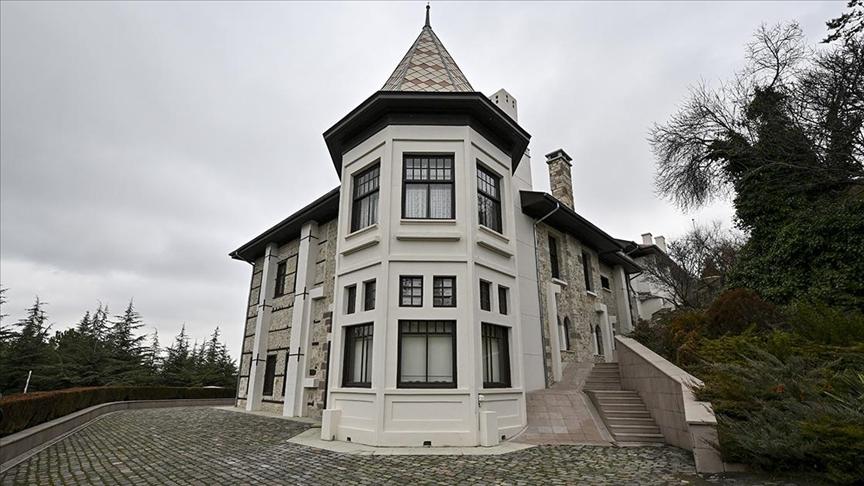
Atatürk Museum Pavilion
The Atatürk Museum House is located within the Çankaya Campus of the Presidency in Ankara. It was used by Mustafa Kemal Atatürk as both a residence and a workplace between 1921 and 1932. This house served as the official residence of Gazi Mustafa Kemal until his move to the Pink House and hosted significant developments during the War of Independence and the early years of the Republic. In 1950 it was converted into a museum and opened to the public. Origin and Structural Development of the Hous
EN
Ahsen Güneş
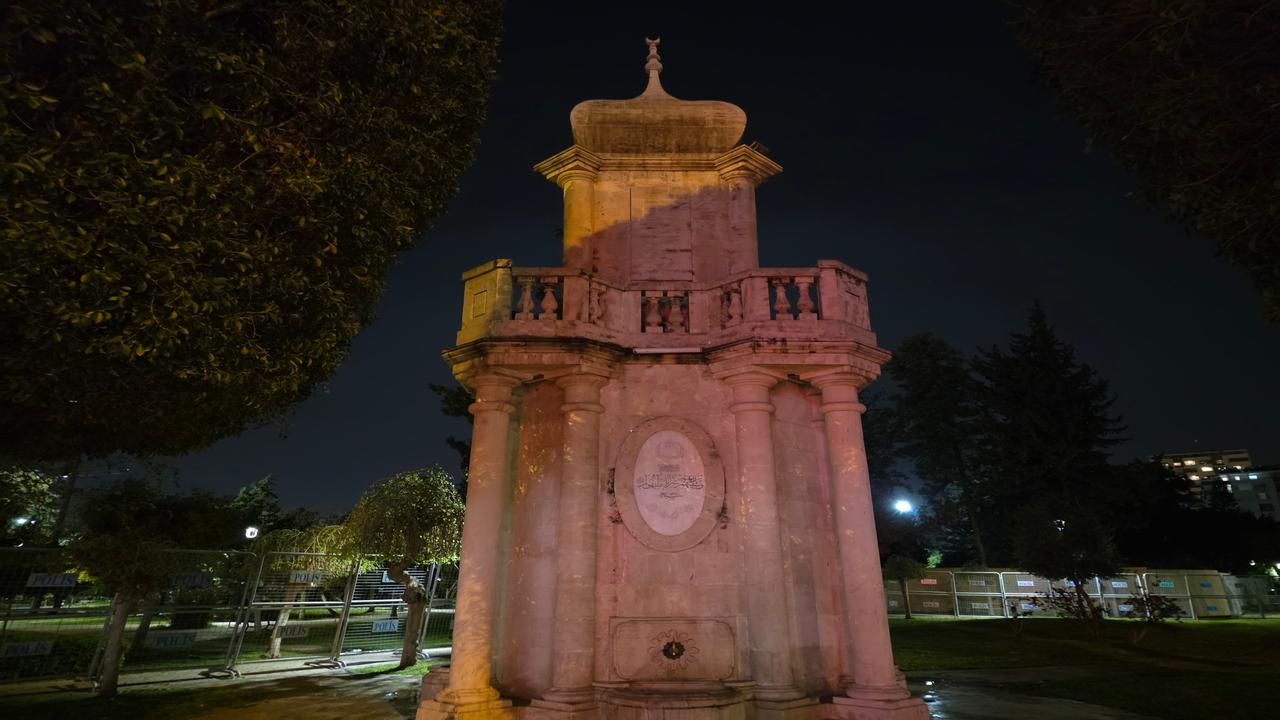
Bahri Pasha Fountain
Bahri Paşa Çeşmesi was constructed in 1901 to commemorate the 25th anniversary of Sultan II. Abdülhamit’s accession to the throne by Adana Governor Bahri Paşa. It is a monumental water structure located in Atatürk Parkı, reflecting the eclectic artistic style of the late Ottoman period.【1】 Historical Development and Construction Process The structure was built as one of several monument projects initiated across various Ottoman provinces in 1901 to mark the 25th anniversary of Sultan II. Abdülha
EN
Gözde Cabadak
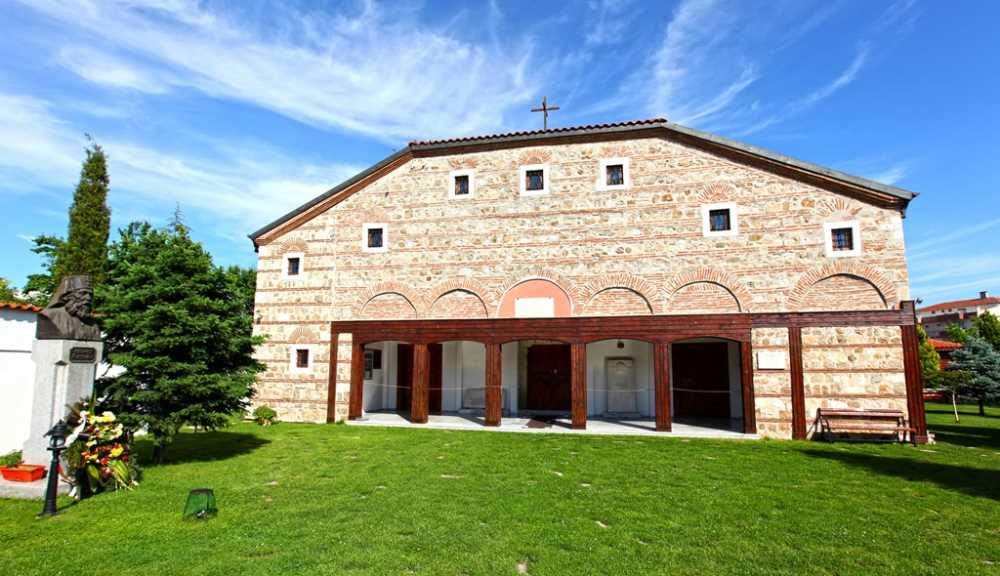
Church of Saint Constantine and Helena
The Church of Saint Constantine and Elena is a 19th-century Bulgarian Orthodox religious structure located in Edirne. Built in 1869 the church currently serves both religious worship and various cultural events under the framework of faith tourism.【1】 History and Restoration Process The construction of the Church of Saint Constantine and Elena Bulgarian Orthodox Church was completed in 1869. Following necessary restoration works the building was reopened for visitation and use in 2008.【2】 Locati
ENGözde Cabadak
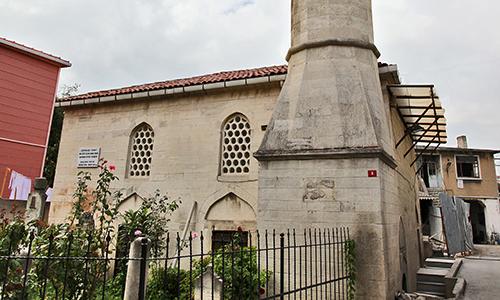
Çeribaşı Camii
Çeribaşı Camii (or Çeribaşı Mescidi) is a religious structure located on Feshane Caddesi in the Eyüpsultan district of Istanbul, built in the 16th century and consisting of a covered prayer space, a cemetery, and a place for ablutions. History and Nomenclature The foundation deed of the mosque dates to 952 AH (1545 CE), and its founder was Zehra bint-i Abdullah Hatun. Due to popular tradition associating the structure with blacksmith gypsies who engaged in charitable work, it is also known as De
ENGözde Cabadak
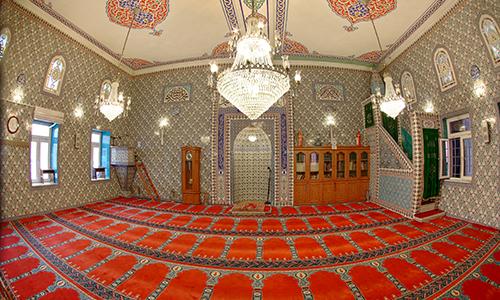
Bali Baba Mosque
Bali Baba Camii is a place of worship located in the Eyüpsultan district of Istanbul, constructed in the 16th century by Abdullah Bali Efendi and reaching the present day after undergoing various architectural transformations throughout its historical development.【1】 Location and Founder The structure is situated at the intersection of Yusuf Muhlis Paşa Street (Eski-yeni Cadde) and Kemikçi Çıkmazı Alley, on the left corner of the alley. Its founder is Abdullah Bali Efendi, who lived during the r
ENGözde Cabadak
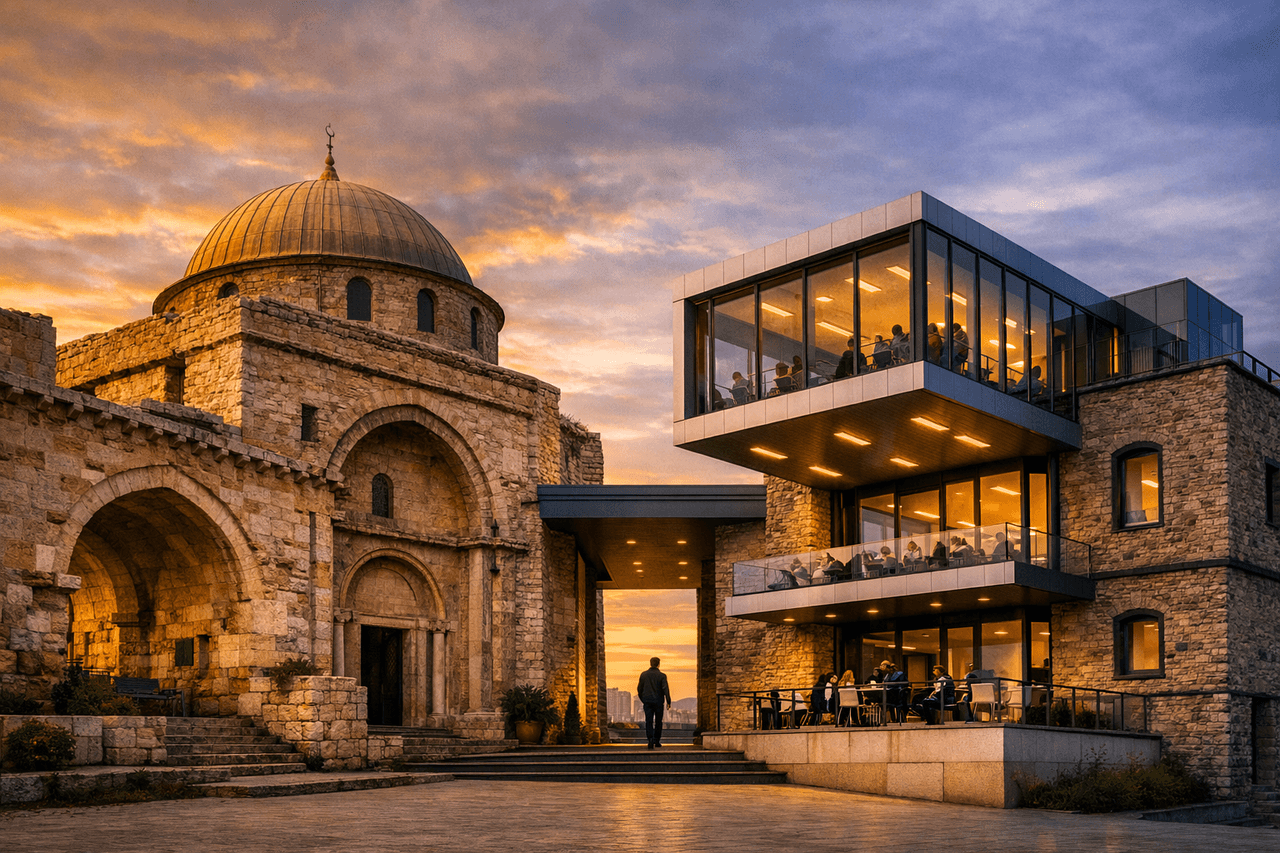
Modern Additions to Historical Structures: Harmony or Contrast?
Imagine you need to add a new structure next to a historic building. The most immediate solution is often to mimic the existing structure: using the same materials, a similar facade arrangement, comparable proportions, and similar details. This is because most of us define harmony through similarity. But is this truly necessary? Must a new addition resemble the historic structure to become part of it? Contemporary interventions added to historic buildings have long remained one of the most debat
EN
mesude zor
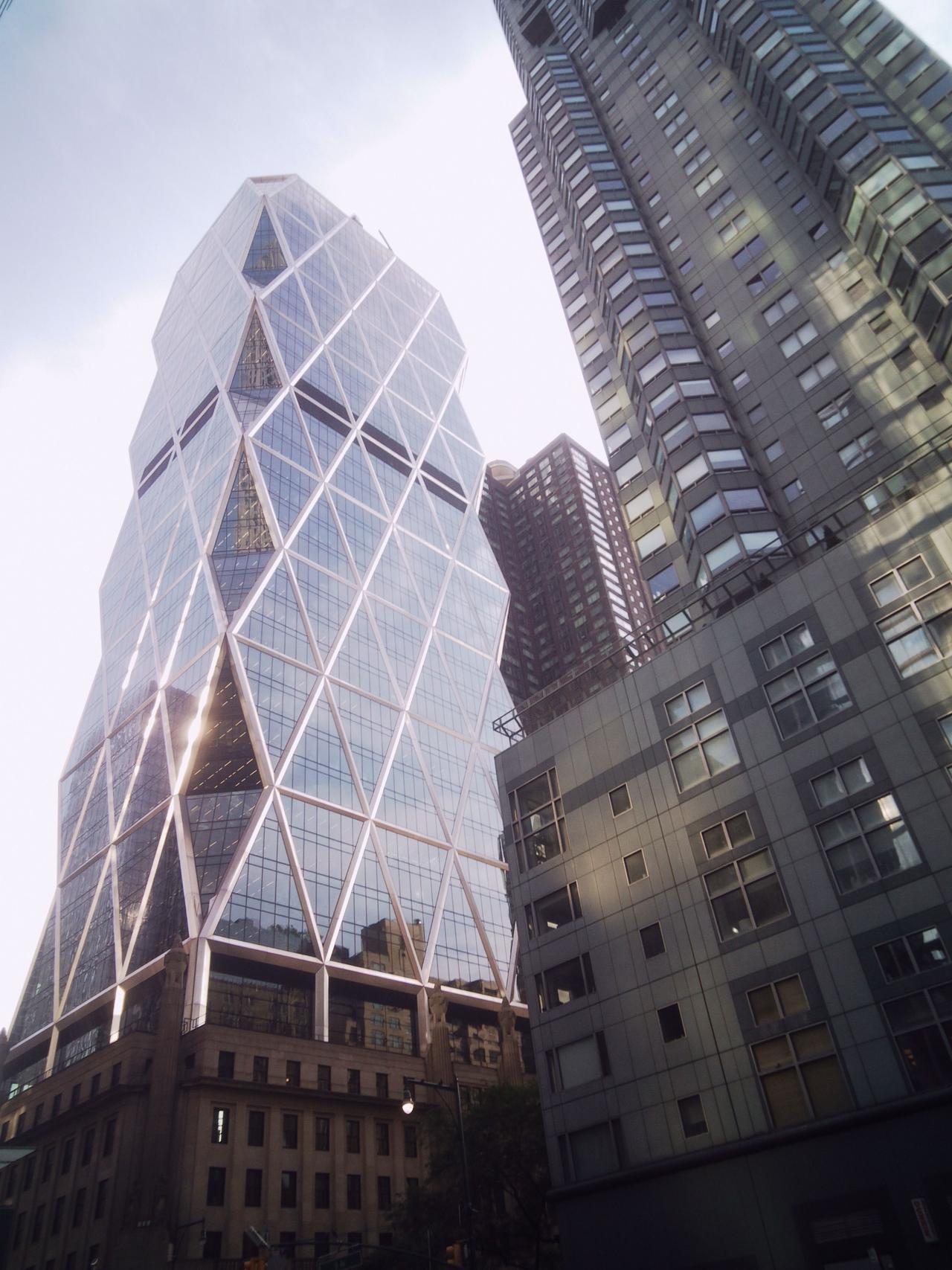
Hearst Tower
Hearst Tower is a tall building located in New York City, United States, serving as the headquarters of Hearst Corporation. Designed by Norman Foster and Foster + Partners, the structure was completed in 2006 and built atop the historic Hearst Magazine Building. It is regarded as a significant example of the approach that integrates a preserved historic structure with a new tall addition. The building draws attention for its steel and glass diagrid structural system, energy-efficient design deci
ENmesude zor
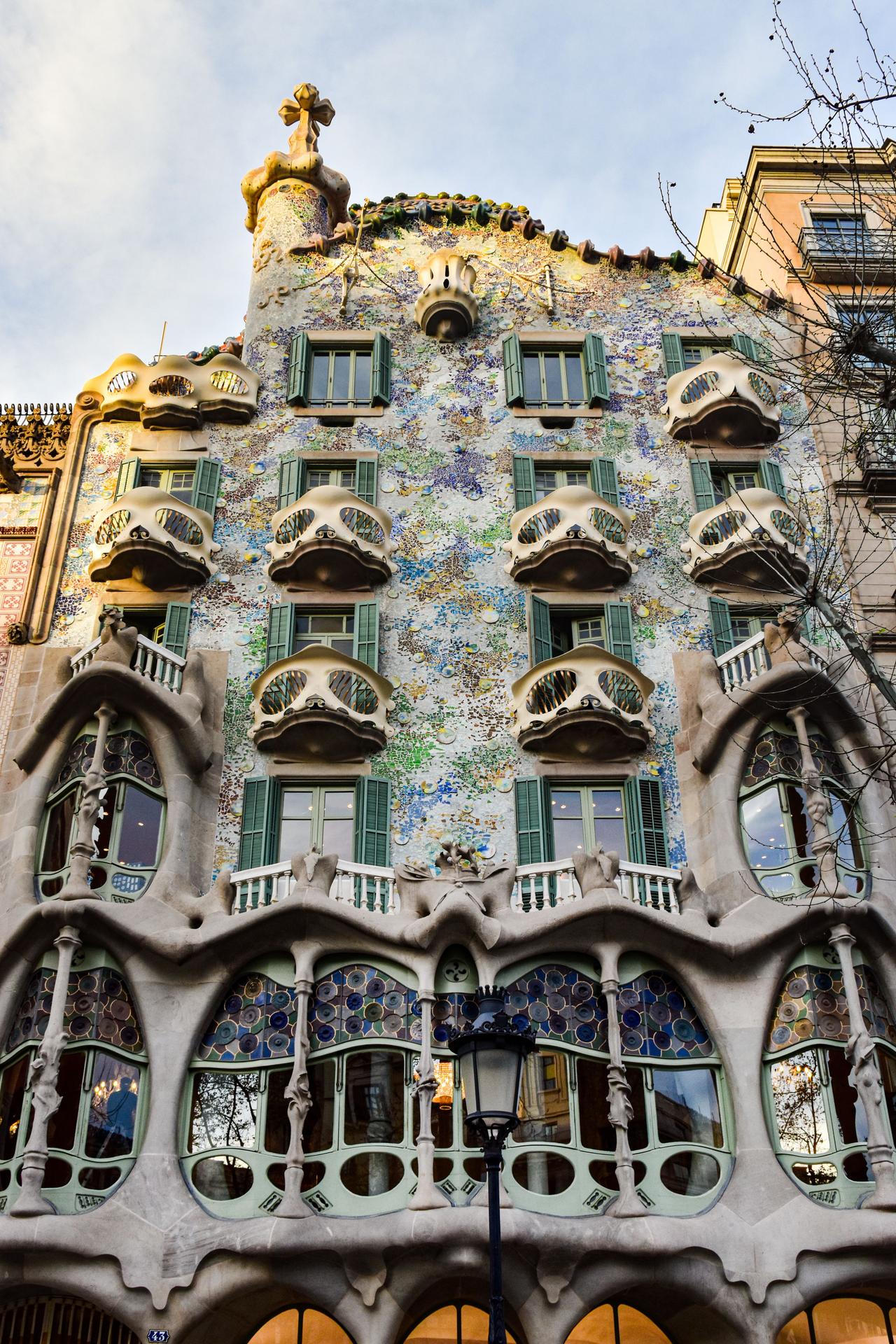
Casa Batlló
Casa Batlló is a modernist residential building located on Passeig de Gràcia in the city of Barcelona, Spain. It was extensively redesigned by Antoni Gaudí between 1904 and 1906. Originally constructed in 1877 by Emili Sala Cortés, the building was later acquired by industrialist Josep Batlló i Casanovas, who commissioned Gaudí to completely renovate it. Today it is listed on UNESCO’s World Heritage List and stands as one of the exemplary works of Gaudí’s architectural output and Catalan Moderni
ENmesude zor
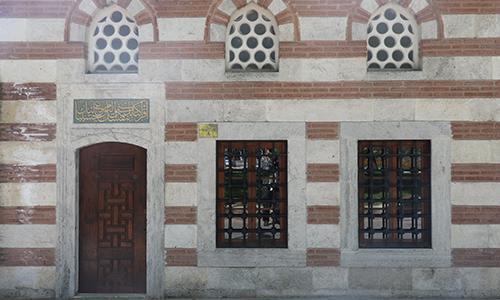
Ahmet Pir Edirnevi Türbesi
Ahmet Pir Edirnevi Türbesi is located on Feshane Caddesi in the Eyüpsultan district of Istanbul. The structure is surrounded by cemeteries on both sides. To the right of the türbe are the tombs of Mehmed Vusuli Efendi and Hubbi Hatun, while to the left are the Zal Mahmud Paşa Medresesi and Camii. At the end of the garden behind the building stands the Nakkaş Hasan Paşa Türbesi.【1】 Architectural Features The türbe has a square plan and is constructed using a regular brickwork system consisting of
ENGözde Cabadak
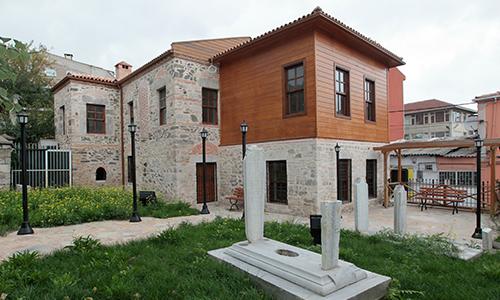
Afife Hatun Tekkesi
Afife Hatun Tekkesi is a structure built in the 19th century, located at the intersection of Zal Paşa Caddesi and Balcı Yokuşu in the Eyüpsultan district of İstanbul. It is also referred to in sources as Balcı Dergâhı, Abdünnâfî Tekkesi, Nâfî Efendi Tekkesi, and Balcı Yokuşu Tekkesi.【1】 【2】 History and Foundation The structure was commissioned in 1844 (Hijri 1260) by Mehmed Abdünnâfî (Nâfî) Efendi in memory of his mother, Afife Hatun, who died in 1834 and was buried in the nearby Baba Geylâni Ce
ENGözde Cabadak