


This article was automatically translated from the original Turkish version.
+1 More

Erbaa Narince Grape Leaf
Registration Number | 258 | ||||||||
|---|---|---|---|---|---|---|---|---|---|
Registration Date | 2017-12-05 | ||||||||
Application Number | C2016/052 | ||||||||
Name of the Geographical Indication | Erbaa Narince Grape Leaf | ||||||||
Product / Product Group | Processed and unprocessed fruits, vegetables and mushrooms | ||||||||
Type of Geographical Indication | Place of origin | ||||||||
Applicant / Registered Owner | Erbaa Chamber of Commerce and Industry | ||||||||
Geographical Boundary | The production areas within the boundaries of the district of Erbaa in the province of Tokat, including vineyard farming in the district center and villages. | ||||||||
Usage Format | Labeling | ||||||||
Narince leaves are the leaves of the Narince grape variety, which is cultivated in the Erbaa district of Tokat, one of Türkiye’s most significant regions for viticulture. These leaves are distinguished by their fine texture and flavor and are widely used in traditional Turk cuisine. The Erbaa Narince grape leaf has been granted geographical indication status and is exported throughout Türkiye and abroad.
The commercial value of Narince grape leaves, in addition to the grape’s use as a table fruit, presents an important economic opportunity for farmers engaged in viticulture. The region’s climate and soil structure contribute to the leaves’ thin, veinless, and flavorful qualities. Produced using traditional methods, these leaves are packaged using modern processing techniques for consumer distribution.
Narince grape leaves stand out due to their thin and veinless texture. These leaves, which have a light green color, are harvested when they reach a specific stage of maturity during the vine’s growth cycle. They are especially preferred for traditional dolma preparation.
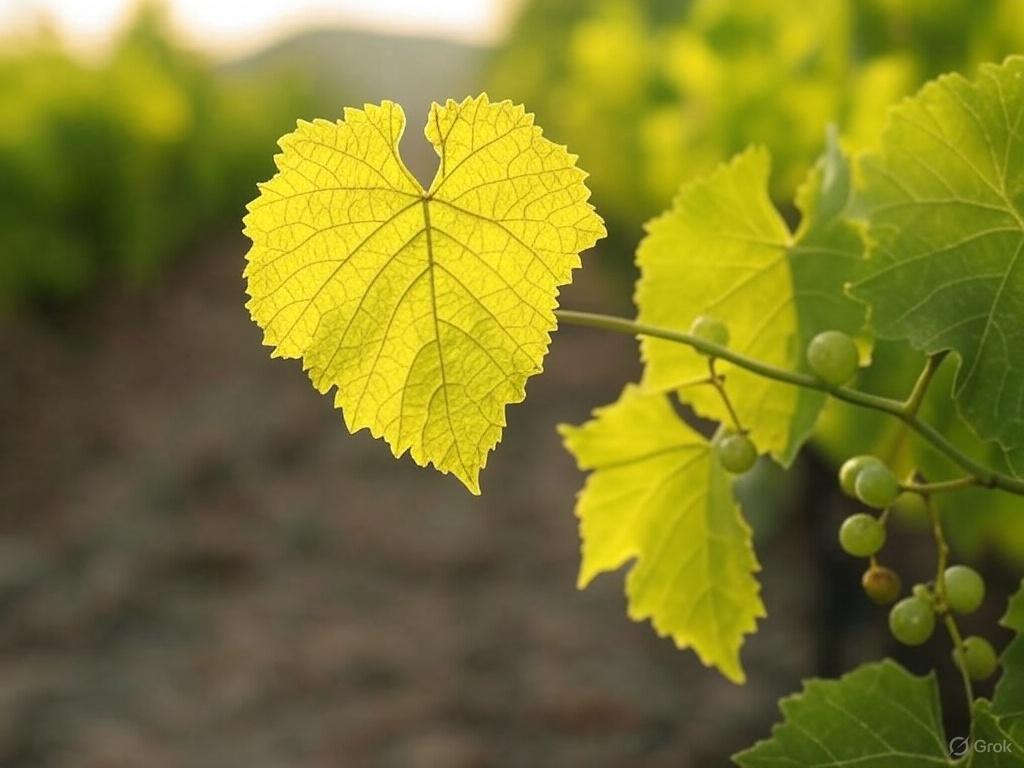
Grape leaves (Generated by artificial intelligence.)
The main characteristics of Narince grape leaves are as follows:
Narince grape leaf production is carried out using both traditional methods and modern agricultural techniques. The production process generally consists of the following stages:
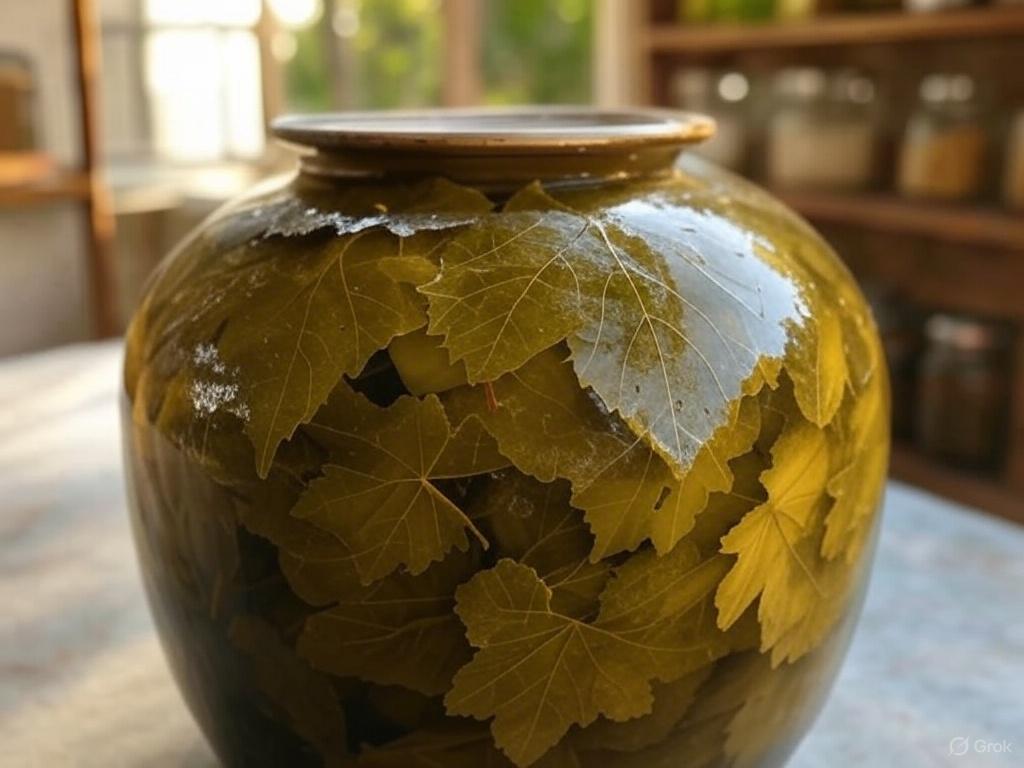
Grape leaves (Generated by artificial intelligence.)
Erbaa district,隶属于 Tokat province, is one of Türkiye’s most important centers for Narince grape leaf production. The region’s climate and soil conditions enable Narince vines to produce high-quality leaves. Narince grape leaves produced in Erbaa hold geographical indication status and play a significant role in traditional cuisine culture.
Grape leaf production in Erbaa has created a major economic activity sector, with women’s labor playing a particularly important role in production. Producers typically preserve the leaves using brining methods to enable year-round sales.
Narince grape leaf production is a vital source of livelihood for the local population. Farmers engaged in viticulture generate additional income by harvesting leaves alongside grape production. Additionally, the annual “Grape Harvest and Leaf Festival” held in Erbaa highlights the cultural value of this product. The festival features events related to viticulture, gastronomy competitions, and folk performances.
The commercial value of Narince leaves continues to grow as they are increasingly found in markets across Türkiye and exported abroad. Particularly in Europe and Middle East markets, Narince leaves are recognized as an essential component of Turkish cuisine and have established a presence in the international market.
Muhsin Balcı, Adem Yağcı, and Murat Gökbulut, "Narince Bağ Yaprağının Üretim Modeli: Erbaa Örneği," [12], [3] (2023): [184-196].
Turk Patent Institute. Erbaa Narince Yaprağı No:258. Accessed March 27, 2025.
Türkiye Kültür Portalı. "Erbaa Narince Yaprağı." Accessed March 27, 2025.

Erbaa Narince Grape Leaf
Registration Number | 258 | ||||||||
|---|---|---|---|---|---|---|---|---|---|
Registration Date | 2017-12-05 | ||||||||
Application Number | C2016/052 | ||||||||
Name of the Geographical Indication | Erbaa Narince Grape Leaf | ||||||||
Product / Product Group | Processed and unprocessed fruits, vegetables and mushrooms | ||||||||
Type of Geographical Indication | Place of origin | ||||||||
Applicant / Registered Owner | Erbaa Chamber of Commerce and Industry | ||||||||
Geographical Boundary | The production areas within the boundaries of the district of Erbaa in the province of Tokat, including vineyard farming in the district center and villages. | ||||||||
Usage Format | Labeling | ||||||||
No Discussion Added Yet
Start discussion for "Erbaa Narince Grape Leaf" article
Characteristics
Production Process
Narince Leaves in Erbaa
Economic and Cultural Significance