

`tokat` Related Article Results
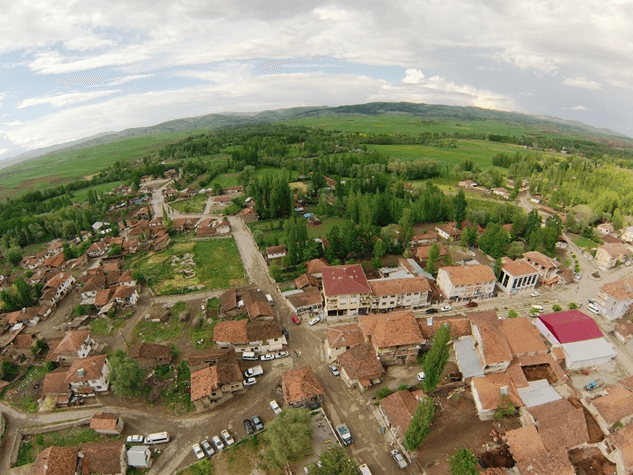
Sulusaray (District)
Sulusaray is a district located in the southwest of Tokat Province. It gained district status in 1990. Agriculture and livestock breeding are the primary sources of livelihood in the district. Additionally, the developing tourism sector, thanks to thermal springs, contributes to the regional economy. Sulusaray (Tokat Provincial Directorate of Culture and Tourism) " image-alternate="" image-element-format="right"> History The historical identity of Sulusaray is rooted in the ancient city of Se
EN
Emre Zengin

Tokat Grape Tarhana
Tokat Grape Tarhana is a regional variety of tarhana produced using traditional methods in Tokat Province and its surroundings, with grape as its primary ingredient and consumed as a winter food. This product is prepared by processing components such as wheat flour, grape, and yogurt through specific stages, and its production process is shaped by the region’s climatic conditions and local practices. Tokat Grape Tarhana holds an important place among the key elements of the regional culinary cul
EN
Melikcan BUDAK
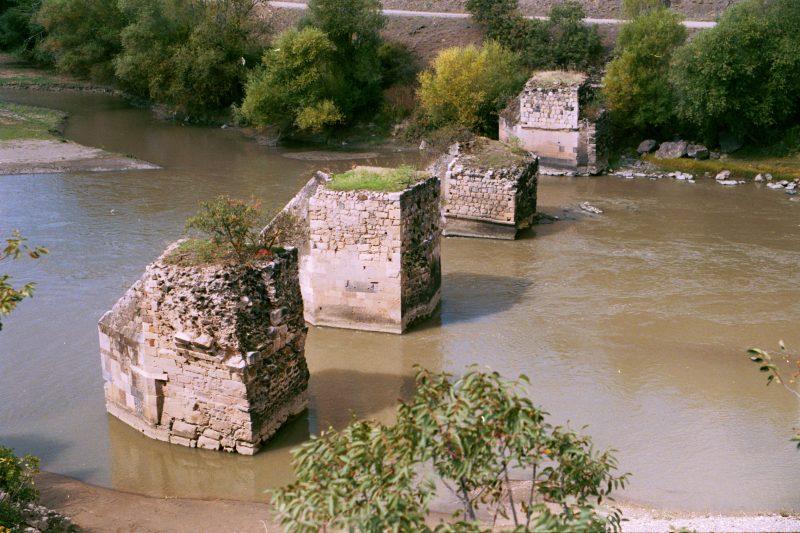
Boğazkesen Bridge
Kelkit and Tozanlı meet at the location where the Boğazkesen Köprüsü was constructed, serving as a historically significant crossing point for the Amasya-Niksar connection strategic. With its distinctive architectural structure bridge, the bridge bears traces of various civilizations from different periods. Boğazkesen köprüsü - Erbaa Municipality " image-alternate="" image-element-format="right"> History The Boğazkesen Köprüsü was built during the Roman Empire period at the confluence of the
EN
Muhammet Ali Demir
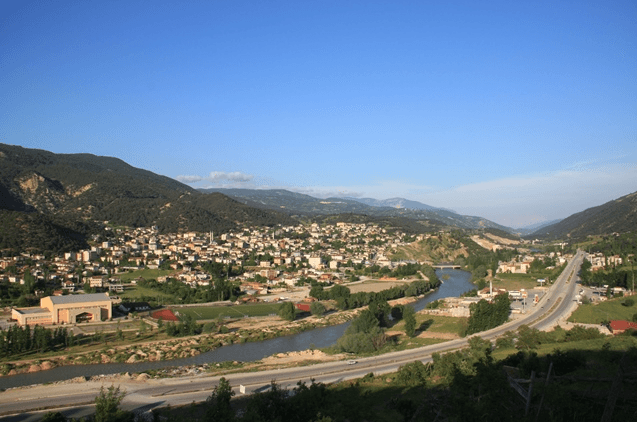
Reşadiye (District)
Reşadiye is a district located east of the Tokat provincial center, along the banks of the Kelkit River. Agriculture and livestock farming are widespread in the district. Additionally, thermal springs and highland pastures contribute significantly to regional tourism. Reşadiye (Tokat Provincial Directorate of Culture and Tourism) History The settlement area of Reşadiye has a layered habitation history extending back to the Early Bronze Age (3rd millennium BCE), as indicated by archaeological evi
EN
Emre Zengin
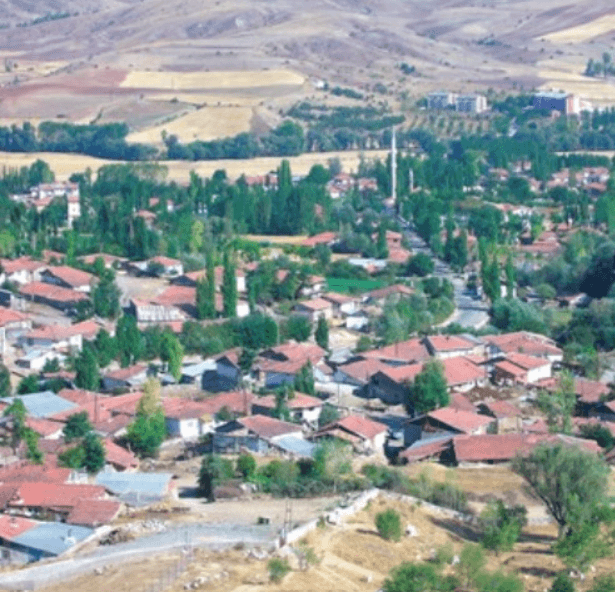
Artova (District)
Artova is a district located southwest of Tokat province. The district relies heavily on agriculture and animal husbandry, and has a high rural population. The district also contains several natural and archaeological sites. Artova (Tokat Provincial Directorate of Culture and Tourism) History Artova's history stretches back to ancient times. The Kayapınar and Kunduz Mounds, located within the district's borders, are archaeological settlements dating back to the Early Bronze Age. Additionally, fi
ENEmre Zengin
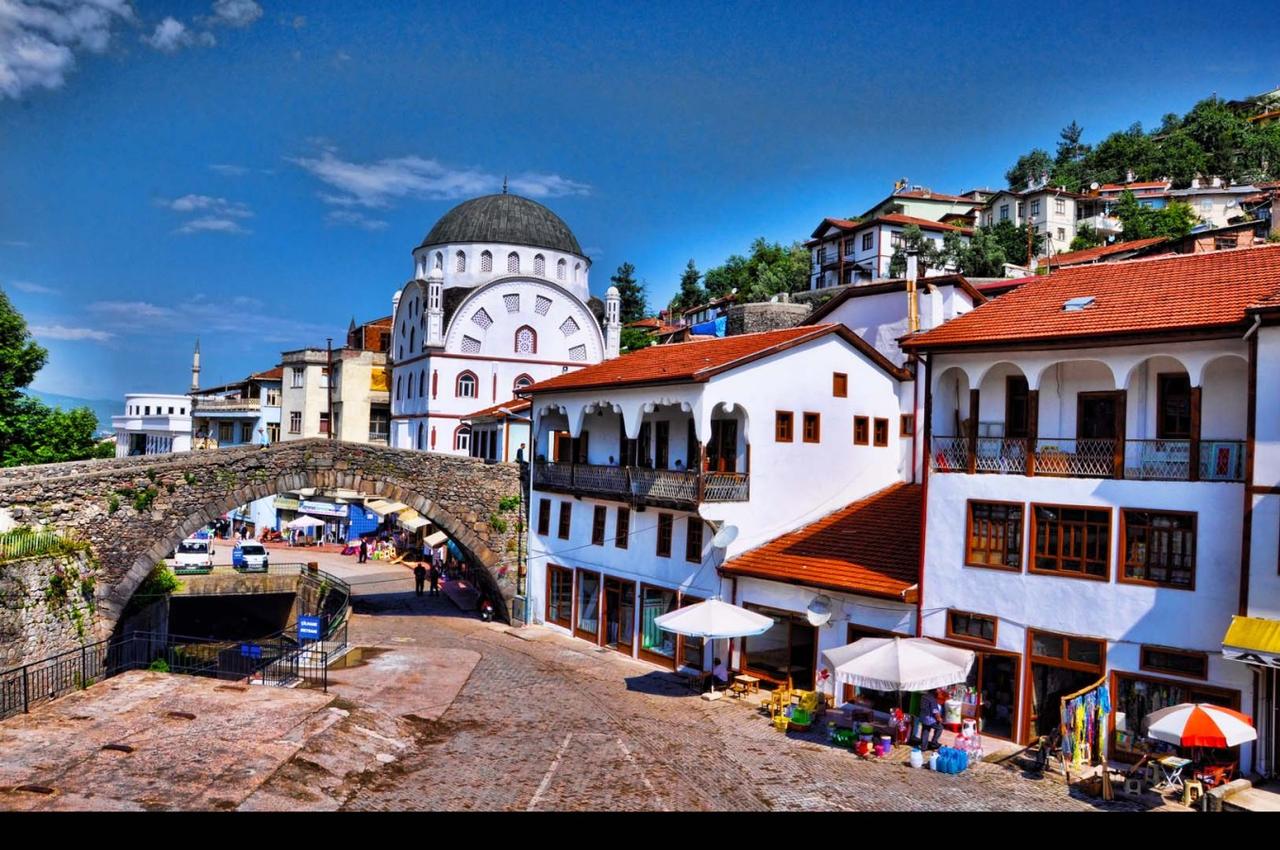
Niksar (District)
Niksar is a district of Tokat Province, located in the Black Sea Region. The district's economy is based on agriculture and forestry products. Historical structures and natural areas are located within the district. Niksar (Niksar Municipality) History Niksar is situated on the slopes of the northwest of the Kelkit Valley. During the Pontic Kingdom, the settlement was called "Kaberia (Cabira). It was named "Diospolis" and "Sebaste" in the Roman period, and was renamed "Neocaesarea" in memory of
ENEmre Zengin
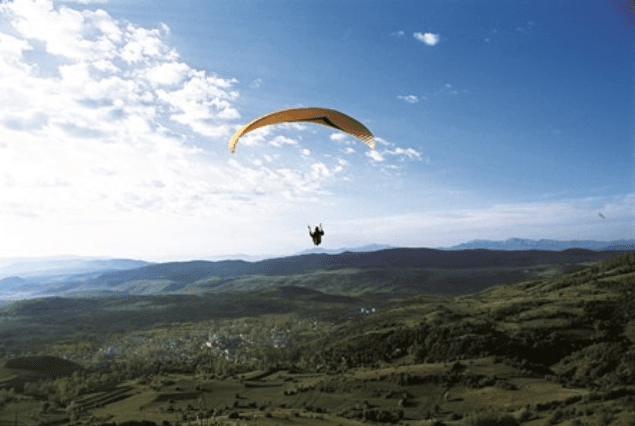
Turhal (District)
Turhal is a district of Tokat province. The Yeşilırmak River flows through the district, sustaining its economy through agriculture, animal husbandry, and industrial activities. Historical structures and natural areas reflect the district's cultural and geographical diversity. Turhal ( Tokat Provincial Directorate of Culture and Tourism ) " image-element-format="right" image-source="https://cdn.t3pedia.org/media/uploads/2025/07/12/oQn7mlZg5G2zOorgzIupbE1OrVulEtZQ.png"> History The settlement
ENEmre Zengin
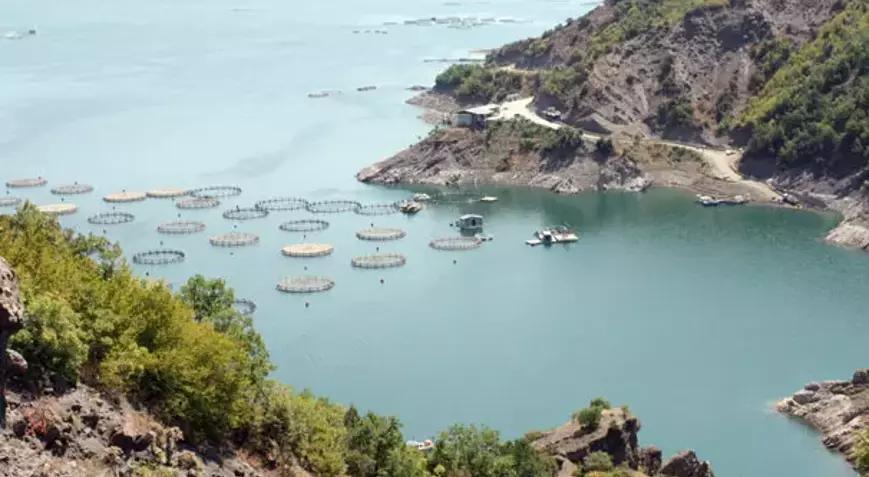
Tokat Almus Alabalık Çiftliği
The province of Tokat, located in Türkiye’s Black Sea Region, particularly the district of Almus, holds a significant position as a center for aquaculture due to its natural resources and favorable climatic conditions. In this context, the trout farm in Almus makes substantial contributions to both the local economy and the regional aquaculture sector. This article provides a detailed examination of the geographical and climatic characteristics of the trout farm in Almus, the techniques used in
EN
Emel Gürbüz
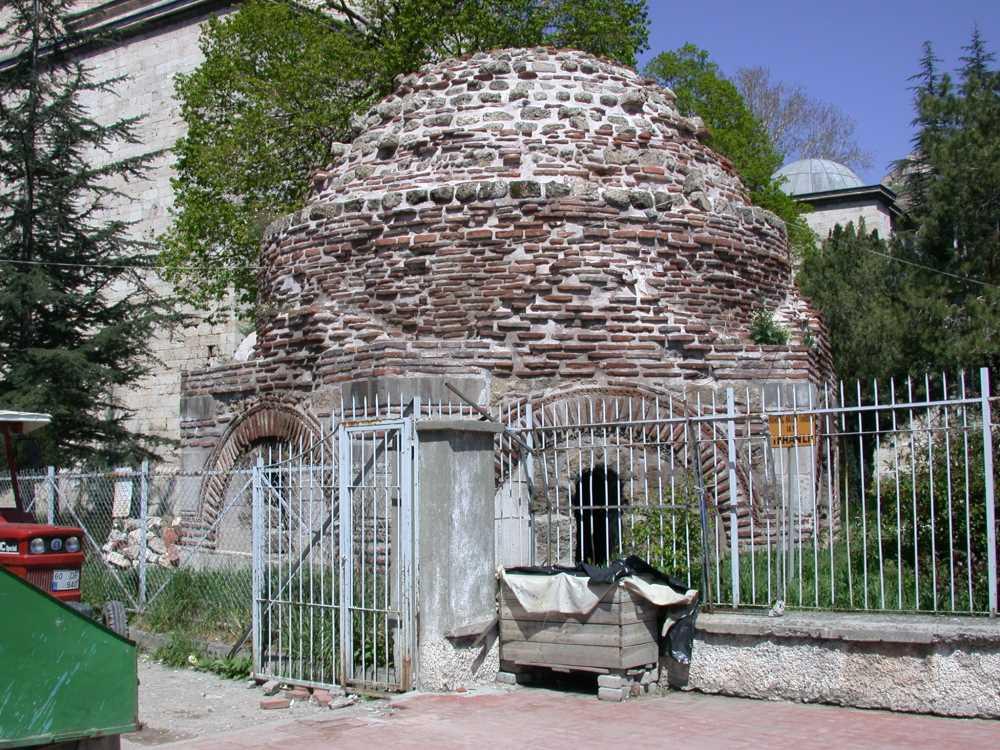
Tomb of Burgaç Hatun
Burgaç Hatun Türbesi is a historical structure located in the center of Tokat province, regarded as one of the examples of Turkish-Islamic monumental tomb architecture in Anatolia. The structure derives its name from Burgaç (or Bulgac) Hatun, who was buried within it, and holds both religious and cultural significance due to its architectural form and its place in the urban memory. Location and Historical Context The tomb is situated in the center of Tokat province, within a settlement fabric ch
EN
Yusuf İslam Tuğla
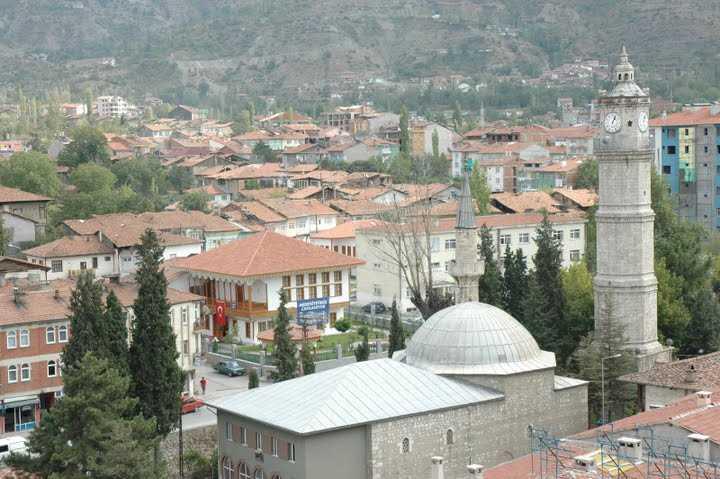
Behzad-I Veli Camii
Behzad-ı Veli Camii is a historical place of worship located in the center of Tokat province. Named after Behzad-ı Veli, one of the region’s prominent religious figures, this mosque is one of the significant structures reflecting the historical continuity of local religious life. The mosque’s name, along with the surrounding tomb and pilgrimage tradition, indicates its function as a site of visitation. Location and Historical Context The mosque is situated in the center of Tokat province, embedd
ENYusuf İslam Tuğla