

`agricultural-production` Related Article Results
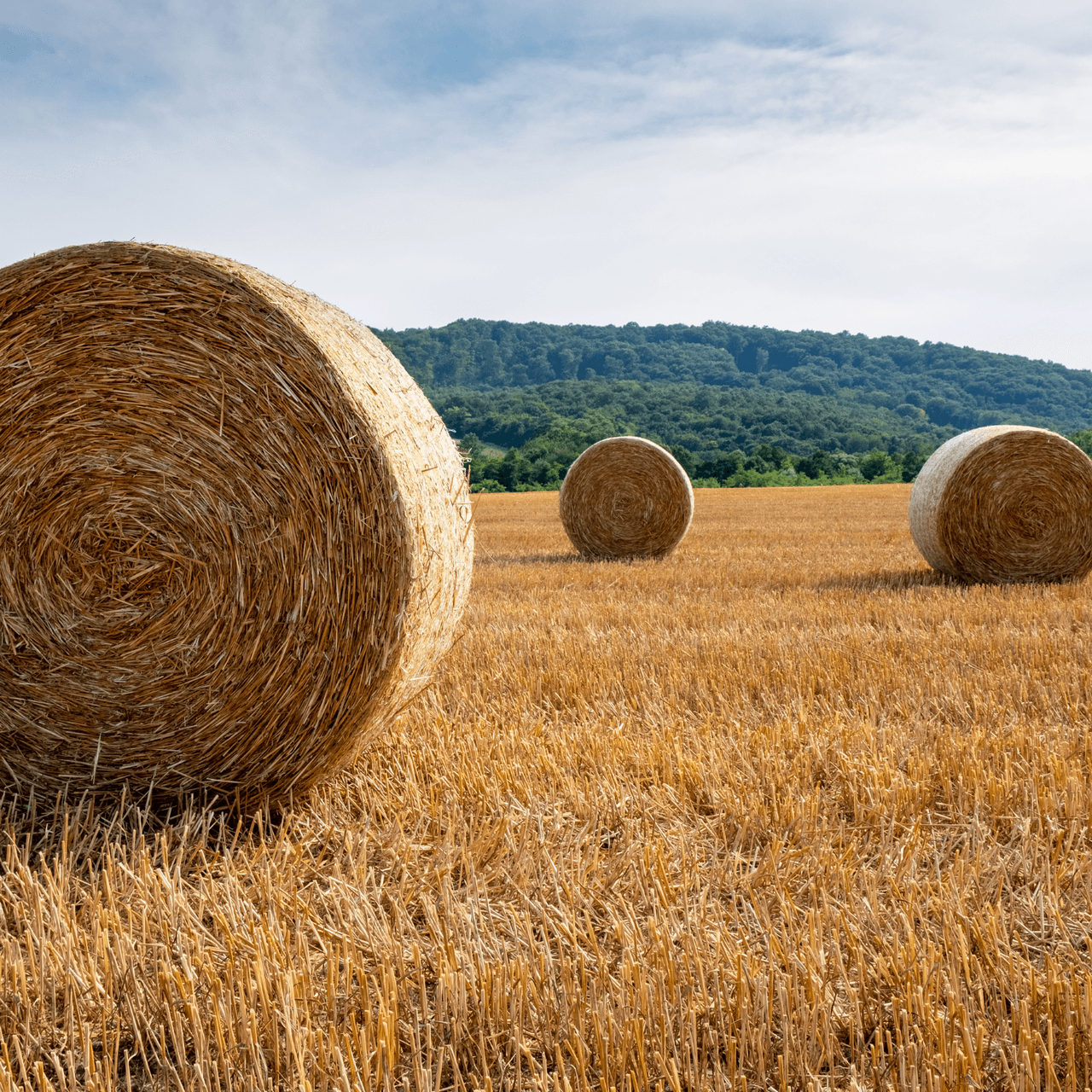
Use of Sensor Data in Honey Storage
Use of Sensor Data in Bale Storage is a continuous monitoring practice that involves placing sensors in various areas of bale storage facilities to protect bales made from straw, hay, or other plant residues against environmental risks such as moisture, temperature, and fire. This approach is an increasingly common technological solution in agricultural production, enabling early detection of fires and preventing quality losses caused by spoilage. Feed bales used in agricultural and livestock op
EN
Onur Kaan Güney
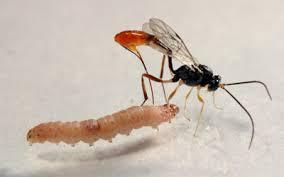
Venturia canescens
Venturia canescens is a solitary endoparasitoid species used primarily to combat larval stages of pest insects in storage facilities. V. canescens is a small parasitoid, measuring 3–5 mm in size. Its body is slender and delicate, typically colored in light brown or yellowish tones. Its wings are transparent and finely veined. The antennae are long and segmented. The abdomen is narrow and slightly curved. Females possess a specialized ovipositor for depositing eggs inside host larvae. The larval
EN
PINAR GÜNER
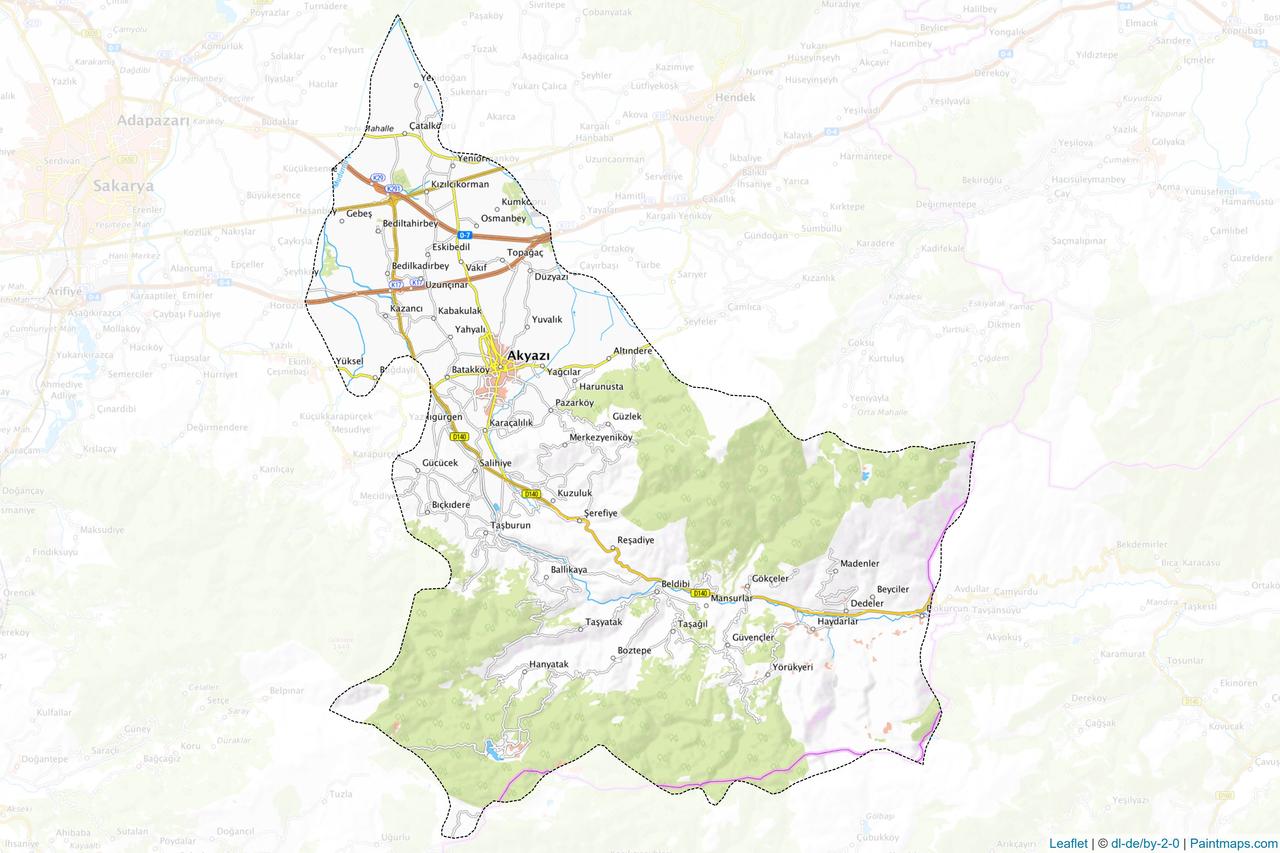
Akyazı (District)
Akyazı, is located within the boundaries of Sakarya Province in the Eastern Marmara subregion of the Marmara Region. It borders Hendek and Mudurnu to the east, Erenler and Karapürçek to the west, Adapazarı to the northwest, and Bolu-Göynük to the south. According to TÜİK 2024 data, its population is 98,098. History The history of Akyazı extends back to the Mysia and Bithynia periods. It was part of the Kingdom of Bithynia, which existed from the 9th century BC to the 4th century AD. The region c
EN
Melahat Pamuk

Hibarino Okra
Hibarino okra is a variety of okra cultivated in the town of Ugo, located in Akita Prefecture, Japan. This vegetable, known in Japanese as “okura,” is recognized for its long and thick pods. Geographical Indication Registration Hibarino okra was registered under Japan’s Geographical Indication (GI) system on 15 December 2017. The product, registered under number 51, is owned by the JA Ugo Niinari Horticultural Cooperative. The production area is confined to the town of Ugo within the boundaries
EN
Nursena Şahin
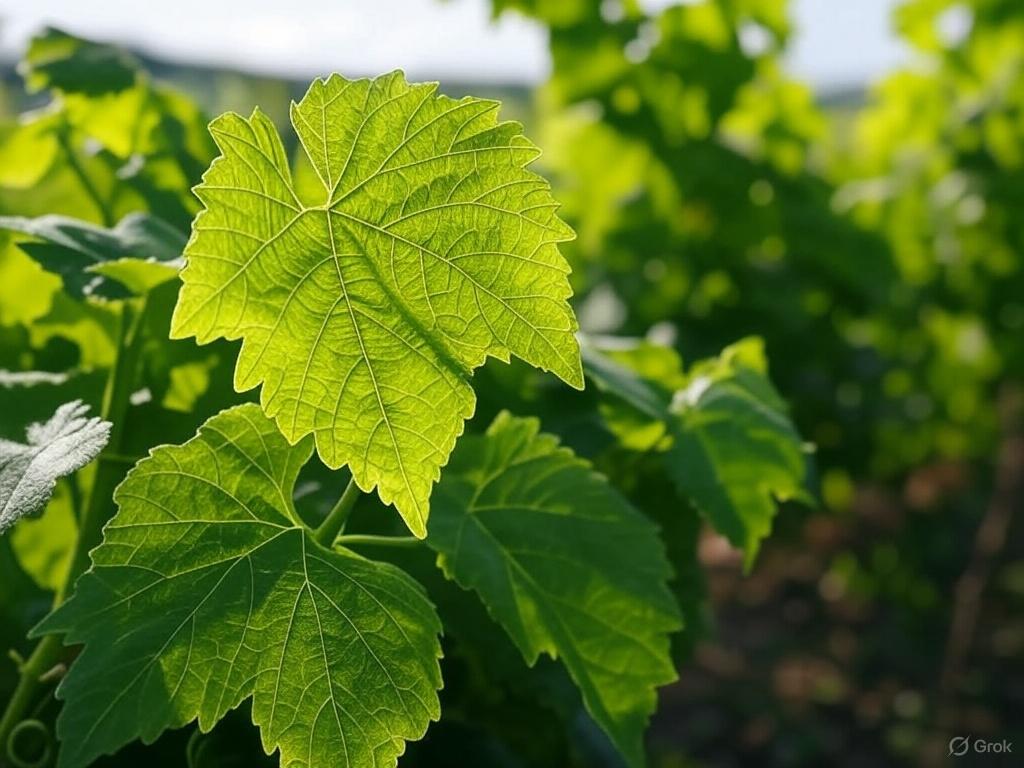
Erbaa Narince Grape Leaf
Narince leaves are the leaves of the Narince grape variety, which is cultivated in the Erbaa district of Tokat, one of Türkiye’s most significant regions for viticulture. These leaves are distinguished by their fine texture and flavor and are widely used in traditional Turk cuisine. The Erbaa Narince grape leaf has been granted geographical indication status and is exported throughout Türkiye and abroad. The commercial value of Narince grape leaves, in addition to the grape’s use as a table frui
EN
Muhammet Ali Demir