

`culinary-culture` Related Article Results
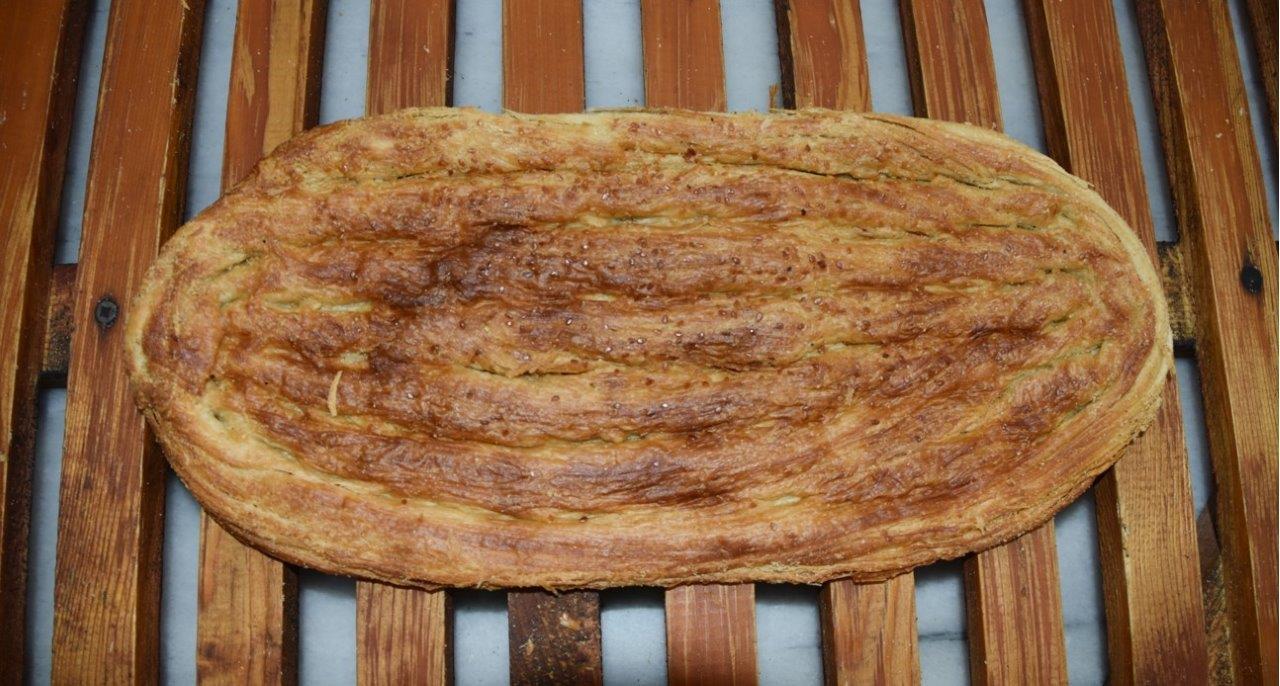
Şereflikoçhisar Tahinli Pidesi
Şereflikoçhisar tahinli pidesi is a traditional bakery product unique to the Şereflikoçhisar district of Ankara. This pide is prepared using special-purpose wheat flour, white sugar, yeast, salt, tahini, and margarine, and is recognized for its distinctive production method and the skill required in its preparation. Registered as a geographical indication under Law No. 6769 on Industrial Property, the application was submitted by the Şereflikoçhisar Municipality on 24 January 2021 and officially
EN
Elif Laçin
 Di
DiDiyarbakır Kemikli Kebap
One of the distinctive kebab varieties of Diyarbakır cuisine, Diyarbakır Kemikli Kebap, is a traditional dish prepared by marinating bone-in meat from the lamb’s loin and rib sections in a special mixture, threading it onto skewers, and cooking it over hot charcoal. This dish holds an important place in Diyarbakır’s meat-eating tradition and is one of the defining examples of Diyarbakır culinary culture due to its preparation method and ingredients. Description and Distinctive Characteristics Di
EN
Şule Bozkurt
OtOttoman Coffeehouses
Ottoman coffeehouses, from the mid-16th century onward, became important public spaces in Ottoman social life. With the introduction of coffee from Yemen to Istanbul, these institutions quickly evolved beyond mere venues for beverage consumption to become centers of socialization, communication, entertainment, and even political debate. Emergence and Spread Coffee is believed to have first arrived in Istanbul in the early 16th century following Yavuz Sultan Selim’s campaign in Egypt. According t
EN
Yunus Emre Yüce
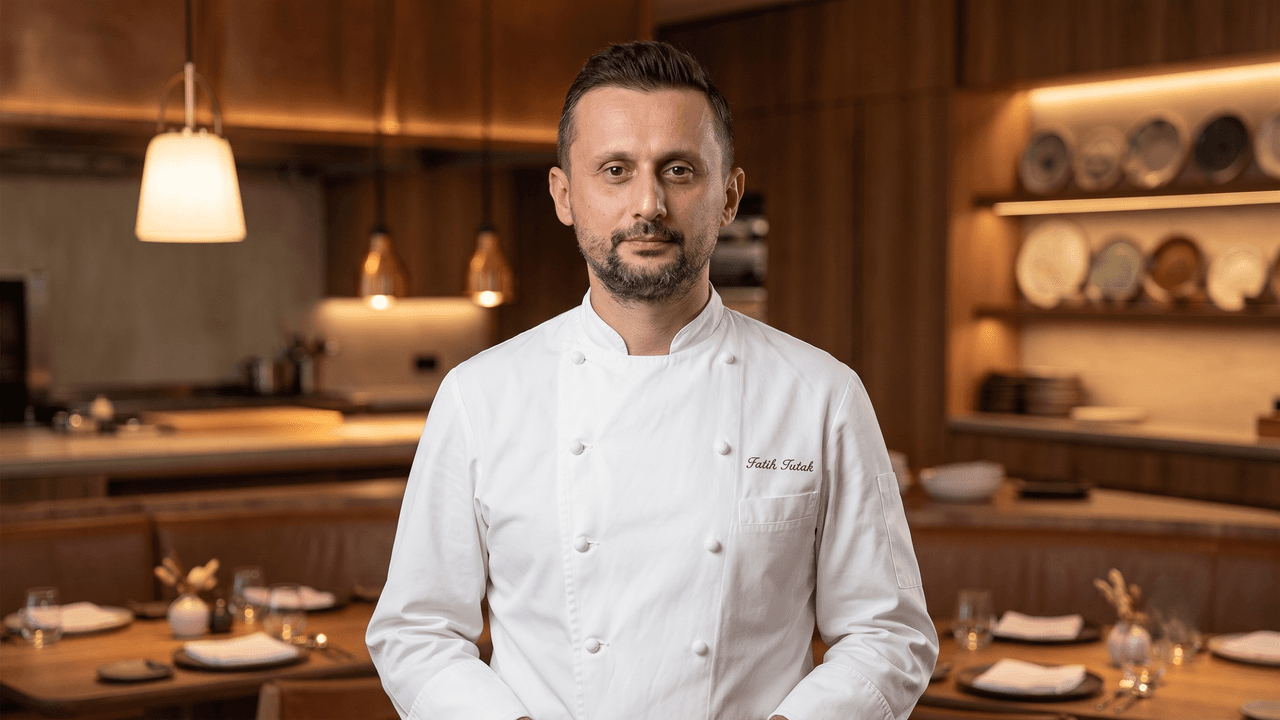
Fatih Tutak
Fatih Tutak (born 31 August 1985, Istanbul) is a Turkish chef and restaurant entrepreneur. He received his professional culinary education at the Mengen Culinary School in Bolu, after which he worked in kitchens across Türkiye, China, Japan, Singapore, Denmark, Hong Kong, and Thailand. He served as head chef and director of kitchen operations at The Dining Room of The House of Sathorn in Bangkok. After returning to Türkiye, he opened TURK Fatih Tutak restaurant in Istanbul in 2019. The restauran
EN
Nurten Yalçın
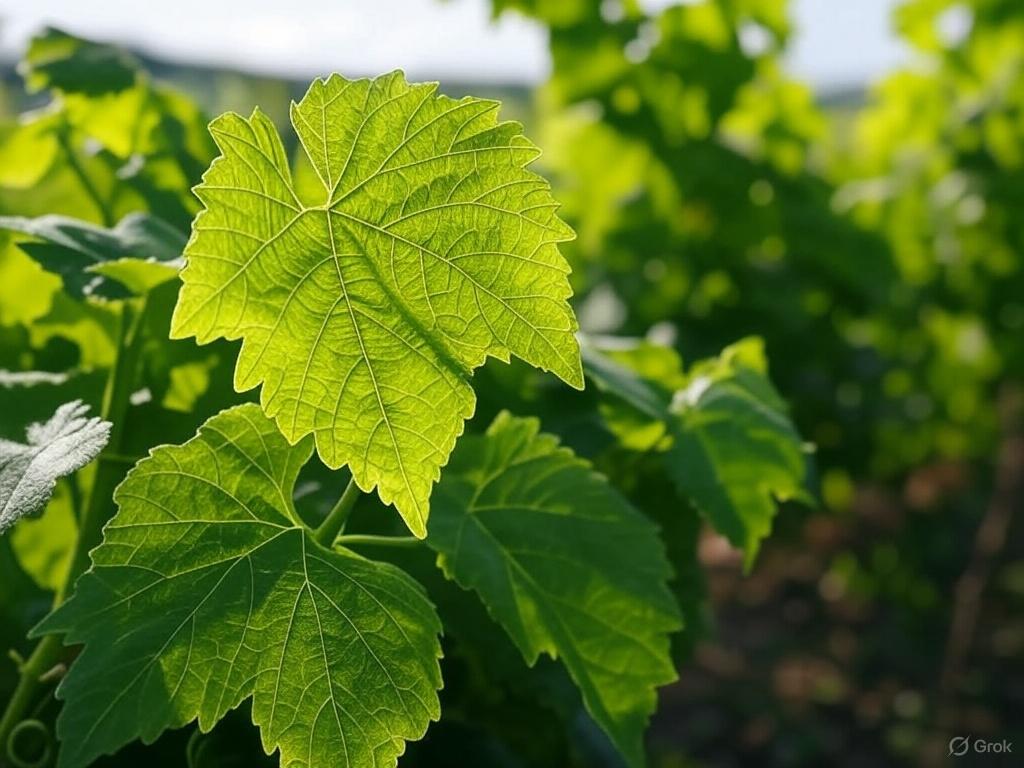
Erbaa Narince Grape Leaf
Narince leaves are the leaves of the Narince grape variety, which is cultivated in the Erbaa district of Tokat, one of Türkiye’s most significant regions for viticulture. These leaves are distinguished by their fine texture and flavor and are widely used in traditional Turk cuisine. The Erbaa Narince grape leaf has been granted geographical indication status and is exported throughout Türkiye and abroad. The commercial value of Narince grape leaves, in addition to the grape’s use as a table frui
EN
Muhammet Ali Demir
SiSiirt Gebole Dessert
Gebole dessert, a traditional dessert unique to the Siirt province of Türkiye, is a long-established culinary product known for being prepared seven times between February 14 and March 14 during the days of wishes and abundance. With its dense consistency and unique presentation, it holds a special place among local desserts. Registered with a designation of origin, Gebole dessert reflects Siirt’s culinary culture through both its traditional production and its prevalence in out-of-home consumpt
ENŞule Bozkurt
NiNiğde Kelle Söğüş
Niğde Kelle Söğüş is a traditional offal dish unique to the cuisine of Niğde. It is based on the preparation of a sheep’s head that is cooked using a special method, then cooled, deboned, and served with various herbs and spices. On June 5, 2024, it was registered as a geographical indication (designation of origin) by the Turkish Patent and Trademark Office. This registration certifies that the product can only be produced within the geographical boundaries of Niğde and highlights its cultural
EN
Sinem Bostan
Bafra Nokulu
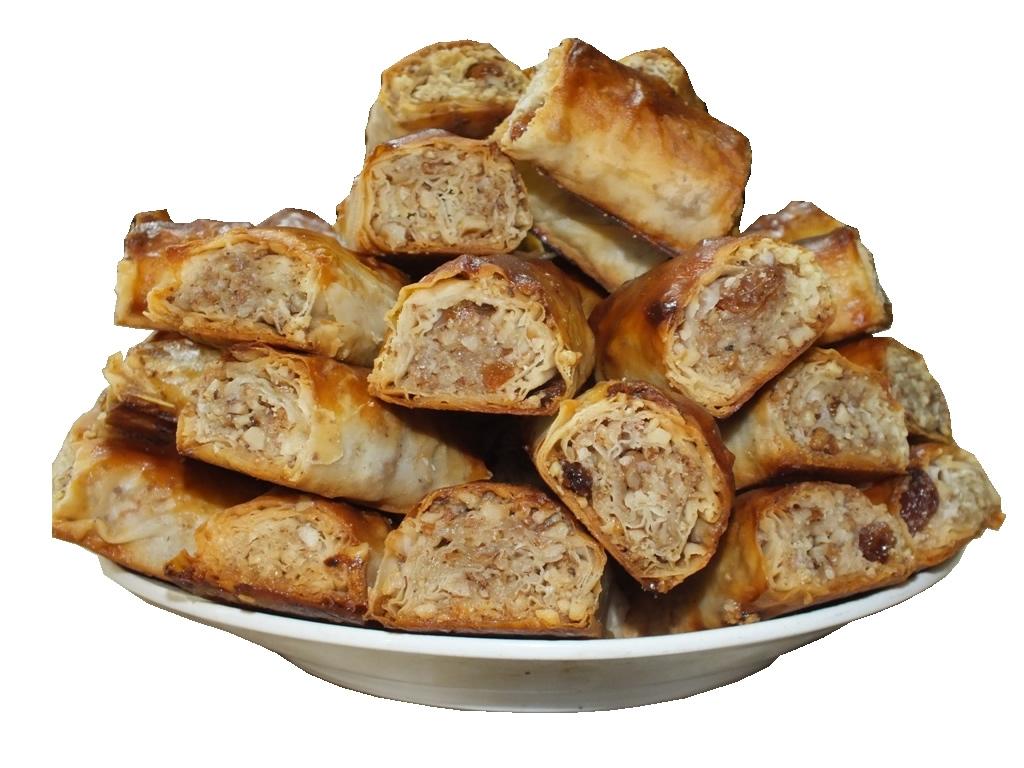
Bafra Nokulu is a traditional sweet bread from the Bafra district of Samsun province in Türkiye’s Black Sea Region, made from yeast-leavened dough without syrup. This delicacy is commonly offered during religious holidays, weddings, and special occasions, and has become culturally and geographically synonymous with the region. Shaped by rolling the dough into cylinders and slicing it into approximately 10 cm pieces before baking, Bafra Nokulu possesses distinctive characteristics in terms of ing
ENSinem Bostan
Konya Höşmerimi
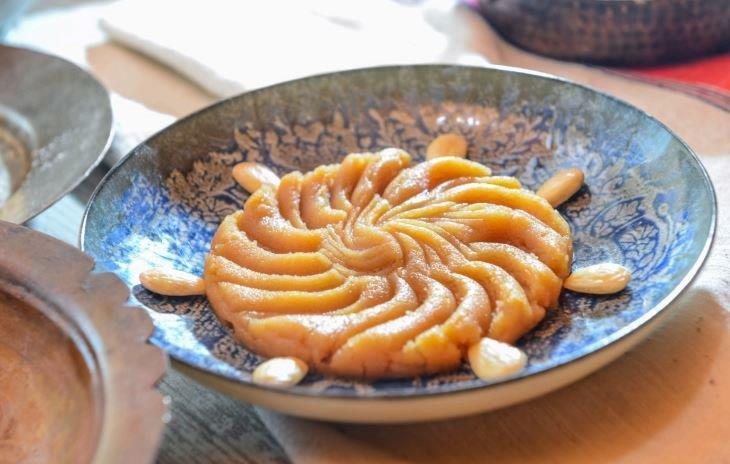
Konya Höşmerimi is a dessert with deep roots in Konya’s culinary tradition, known since the Seljuk period. As an essential element of Konya’s culinary culture, this dessert stands out due to its unique preparation method and distinctive flavor. On August 25, 2022, it was officially registered as a geographical indication under Law No. 6769 on Industrial Property by the Konya Metropolitan Municipality. Definition and Distinctive Characteristics Konya Höşmerimi is a dessert prepared using basic in
ENElif Laçin
ÇeÇerkezmüsellim Meatball
Çerkezmüsellim Köftesi (Meatball), a dish closely associated with the village of Çerkezmüsellim in Tekirdağ’s Hayrabolu district, is a unique regional delicacy. Made from the meat of young cattle raised in local pastures, this köfte has been officially registered with a geographical indication to protect its authenticity. Çerkezmüsellim Meatballs on the Grill Origins and Characteristics of the Köfte The history of Çerkezmüsellim Köftesi dates back to the 1970s. Emerging as a product of the regio
EN
Mehmet Salih Çoban