


This article was automatically translated from the original Turkish version.
Biomimicry, derived from the Greek words ‘bios’ meaning life and ‘mimesis’ meaning imitation, refers to the emulation of life. It is an approach that imitates nature’s designs and processes to create a healthier and more sustainable world. The efficient and resilient systems developed by living organisms over millions of years of evolution have served as sources of inspiration for architects and have been applied in various structures. Biomimicry offers a powerful method for increasing energy efficiency, preserving ecological balance, and making designs compatible with nature.
The concept of biomimicry was defined and introduced into the literature in 1997 by Janine M. Benyus, who dedicated herself to biomimicry and its dissemination. Benyus, educated at Rutgers University in New Jersey in the departments of Natural Resources Management and English Literature/Writing, founded in 1998 the Biomimicry Institute and the Biomimicry Guild, which she still leads, with the aim of introducing biomimicry to people and enabling them to benefit from its innovative ideas. Through its activities and services, the guild seeks to transfer knowledge gained from nature to innovative designers and assist them in drawing inspiration and applying it in their design processes. Thanks to the guild, Benyus provides support to various classes and groups with the knowledge she has acquired. The guild does not pursue profit but aims to contribute to innovative design strategies inspired by nature. Such designs and ideas are supported within the guild and are intended to be shared and adopted by other cultures (Kuday, 2009).
Biomimicry has encouraged the development of next-generation building materials that imitate nature’s lightweight, durable, and self-renewing substances.
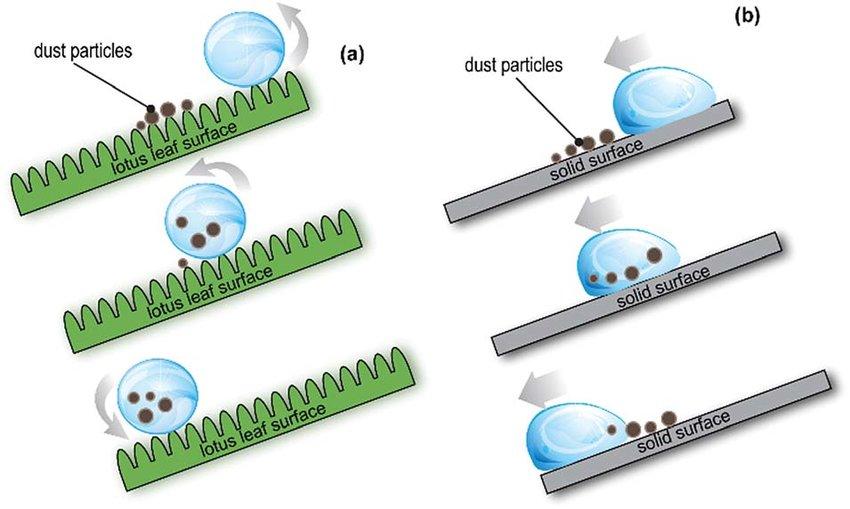
Lotus Effect-

Spider Silk-
Biomimicry integrates nature’s passive ventilation and cooling solutions into architecture.
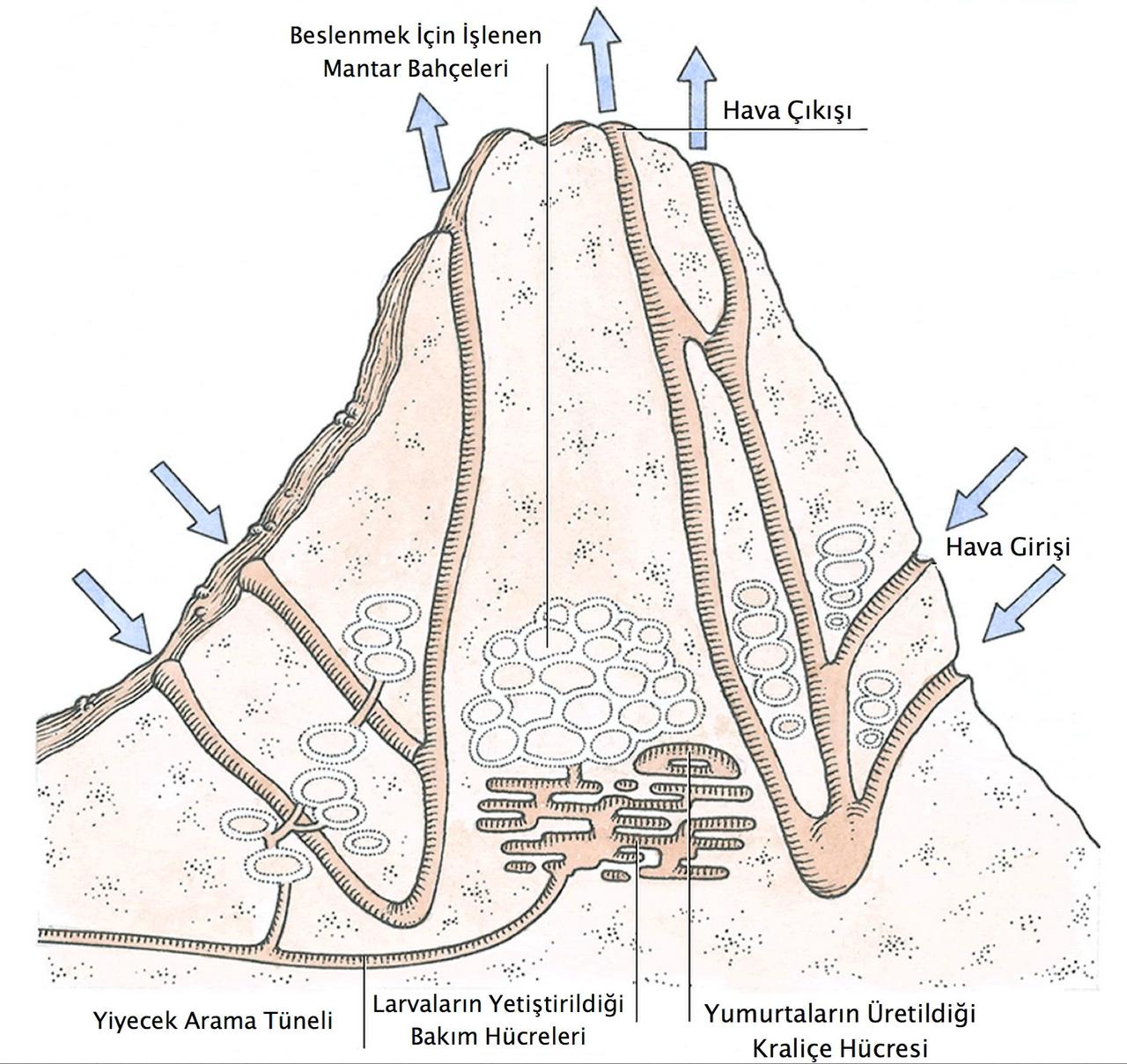
Structure of Termite Mounds

Composite Panels Created Using Honeycomb Structure-
Natural forms are applied in architecture to enhance structural durability and achieve aesthetic appeal.

La Sagrada Familia-

Biomimicry in Building Design-
Eastgate Centre (Zimbabwe): Designed by Mick Pearce, this building was constructed as an energy-efficient building inspired by the natural ventilation systems of termite mounds.
Eastgate Centre (Zimbabwe)-
Eden Project (United Kingdom): This greenhouse complex, inspired by the honeycomb structure, is an example of eco-friendly architecture.
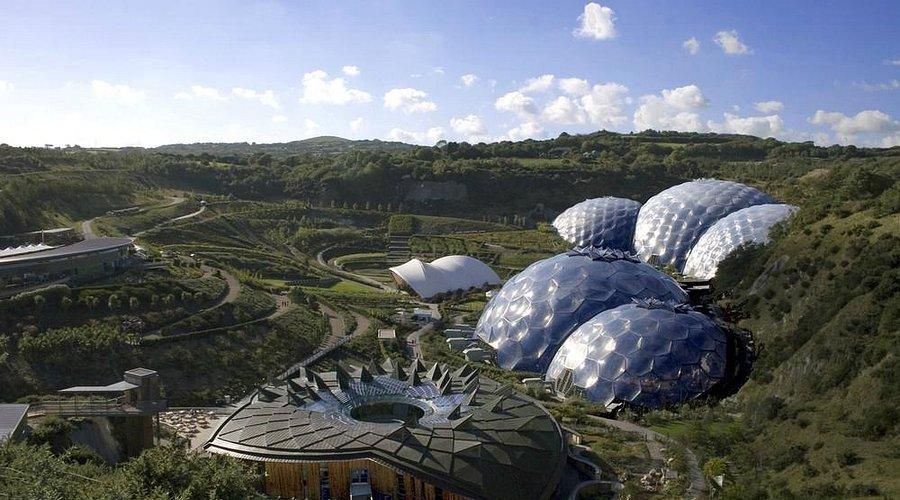
Eden Project (United Kingdom) -
The Gherkin (United Kingdom): This iconic building in London features a design that optimizes natural airflow and represents a fine example of biomimicry’s integration into urban architecture.
The Gherkin (United Kingdom)-
Inner, S. “Biyomimikri ve Parametrik Tasarım İlişkisinin Mimari Alanında Kullanımı ve Gelişimi.” *Tasarım Enformatiği* 1, no. 1 (2019): 15–29.https://dergipark.org.tr/en/pub/te/issue/44346/413980
Yılmaz, Taha Şenol. Mimaride ‘Biçim Üretme’ Sürecinde ‘Biyomimikri’ Yaklaşımının İncelenmesi. Master's thesis, Konya Teknik Üniversitesi, 2021.
Çelikel, S. B., and Uçar, S. “Biyomimikri: Doğayla Uyumlu Yeni Bir Tasarım Modeli.” *NWSA - Humanities* 15, no. 2 (2020): 51-61.https://dergipark.org.tr/en/pub/nwsahuman/issue/53884/667486
“Biyomimikri Nedir?” Garanti BBVA Blog. Accessed February 27, 2025.https://www.garantibbva.com.tr/blog/biyomimikri-nedir.
“The Gherkin.” Architectuul. Accessed February 27, 2025.https://architectuul.com/architecture/the-gherkin.

No Discussion Added Yet
Start discussion for "Biomimicry in Architecture" article
History of Biomimicry
Applications of Biomimicry in Architecture
Building Materials and Nature-Inspired Material Selection
Energy Efficiency and Thermal Management
Structural Design and Form
Example Projects