

`structure` Related Article Results
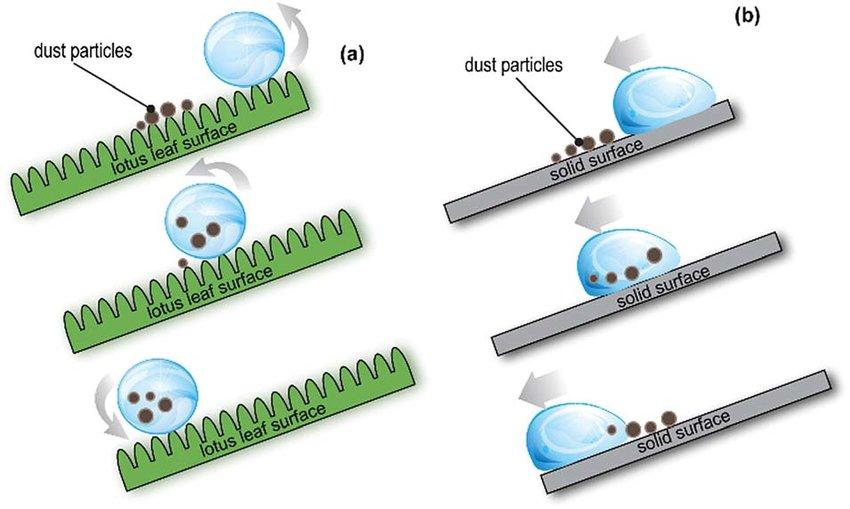
Biomimicry in Architecture
Biomimicry, derived from the Greek words ‘bios’ meaning life and ‘mimesis’ meaning imitation, refers to emulating life. It is an approach that mimics nature’s designs and processes to achieve a healthier and more sustainable world creation. The efficient and resilient systems developed by living organisms over millions of years of evolution have inspired architects and been applied in various structures. Biomimicry offers a powerful method for enhancing energy efficiency, preserving ecological b
EN
Özlem Kılıç
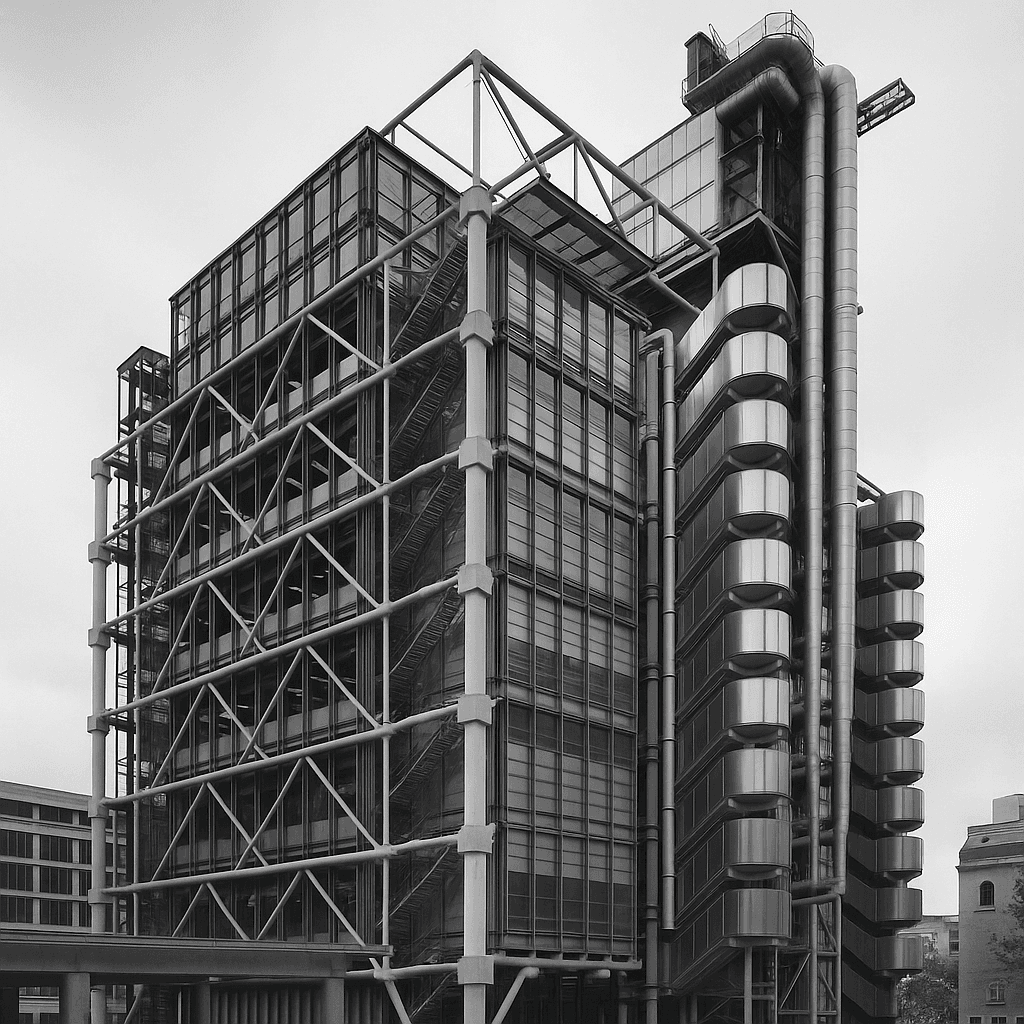
High Technology (High-Tech) Architecture
High Technology, or its English equivalent High-Tech, architecture is an architectural movement that emerged in the second half of the 20th century as a reaction against modernist architectural principles, using technology as an aesthetic and structural expressive tool. Beginning in the 1960s, this approach emphasized industrial revolution-era building materials such as steel, glass, and concrete while aiming to reveal their functional, structural, and visual potential. The foundation of High-Te
EN
Esra Özkafa
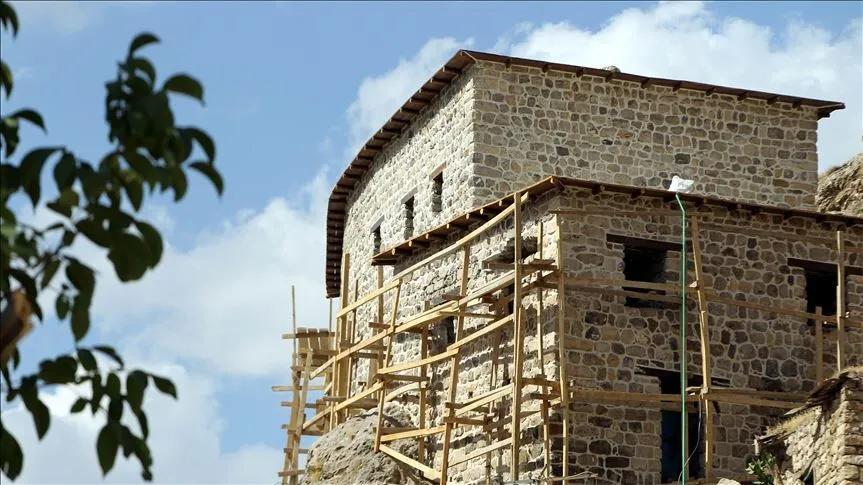
Çukurca Historical Stone Houses
The Historical Stone Houses of Çukurca are located in the Çukurca district of Hakkari province, on the border with Iraq in Türkiye’s Eastern Anatolia Region. Recognized as an example of civil architecture, these structures are situated within the boundaries of Cumhuriyet Mahallesi, built along the slopes of Çukurca Castle. This settlement consists of a total of 21 stone houses and is regarded as part of Ottoman cultural and architectural heritage.【1】 Architectural Structure and Technical Feature
EN
Gözde Cabadak

King of the Doorkeepers: A Reading Through Maduniyet and Metis
Directed by Zeki Ökten in 1976, Kapıcılar Kralı, starring Kemal Sunal, is one of the most well-known apartment comedies in Turkish cinema. The film centers on the daily life of Seyit, the building’s doorman, and his relationships with the other residents. Although a comedy, the production contains significant sociological references to class relations, everyday forms of power, and survival strategies of the lower classes. In this regard, the film offers a rich narrative that can be read through
EN
Bengisu Sağlam
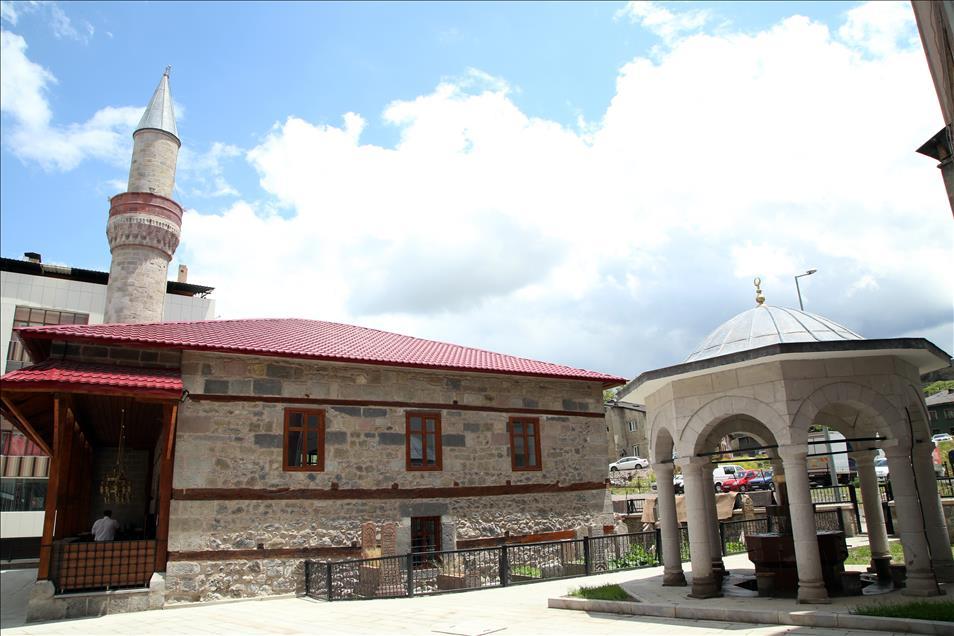
Aşağı Habip Efendi Camii
Aşağı Habib Efendi Camii Located in the Rabia Ana neighbourhood, formerly known as Aşağı Habip Efendi, in the Yakutiye district of Erzurum, the Aşağı Habib Efendi Camii is a historical structure reflecting 18th century Ottoman architecture. Although its exact date of construction is unknown, it embodies the architectural characteristics of its era. Architectural Features The mosque has a flat roof supported by four wooden columns. Its original ceiling was made of earth tiles, but this section is
EN
Fatma Türkoğlu
Architecture: Structure
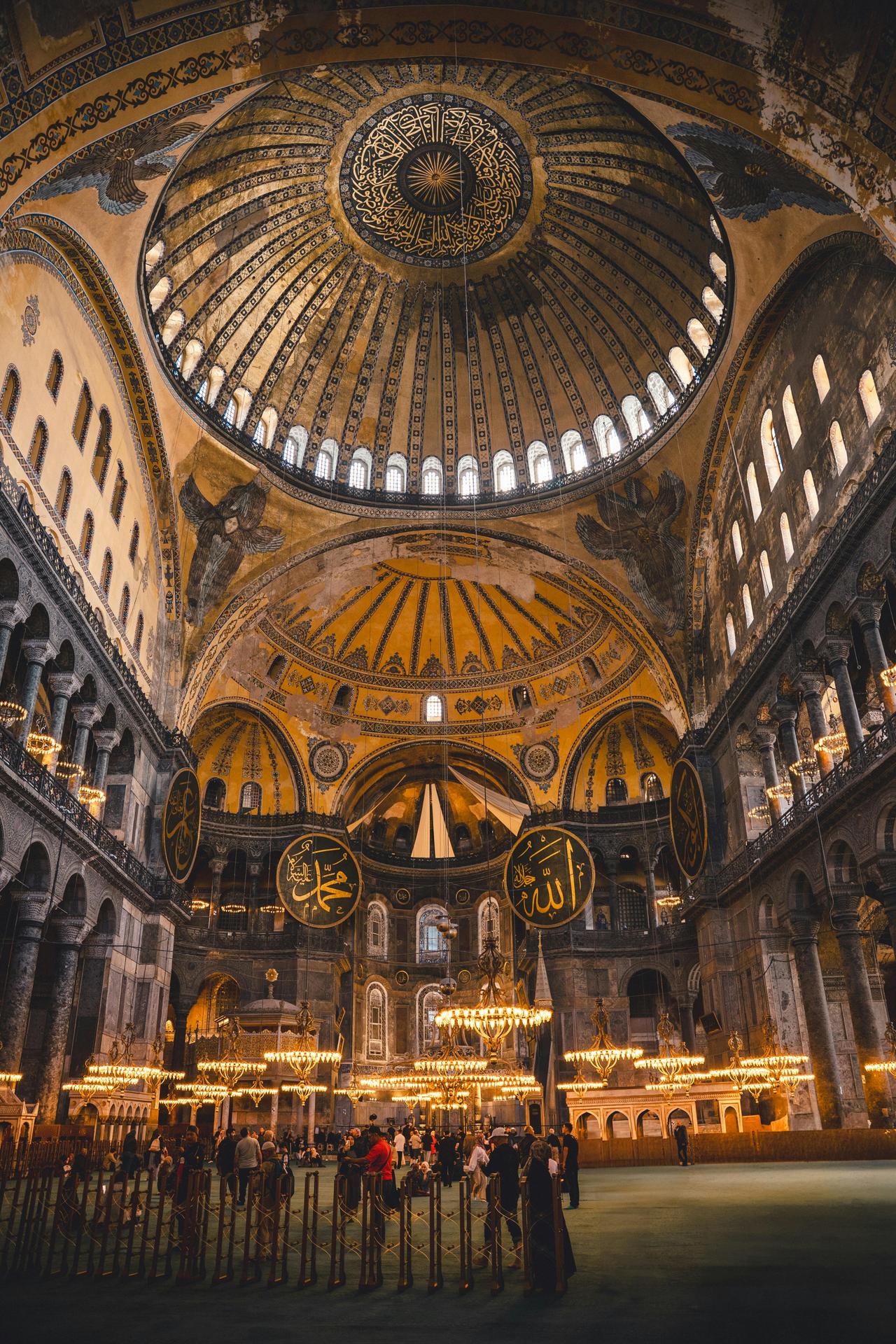
In architecture, structure refers to the complete system of load-bearing elements that enable buildings to remain stable under their own weight and external forces. These systems not only define a building’s physical boundaries but also influence how space is perceived, experienced, and interpreted. Structure is not merely a technical element providing static and engineering solutions; it is also an integral part of architectural design, functioning as an aesthetic, spatial, and cultural express
ENEsra Özkafa
 St
StStructure and Action Problem
The Structure and Agency Problem in Sociology is a fundamental area of debate focused on the question of whether social actors (individuals' or groups) are shaped by their own actions or by the social structures within which these actions occur. This problem is grounded in the tension between individual freedom and social constraints and is centrally located in social sciences', particularly in sociology's. The debate is also viewed as part of broader oppositions such as micro-macro, subjectivis
ENYunus Emre Yüce
Biomimicry in Architecture
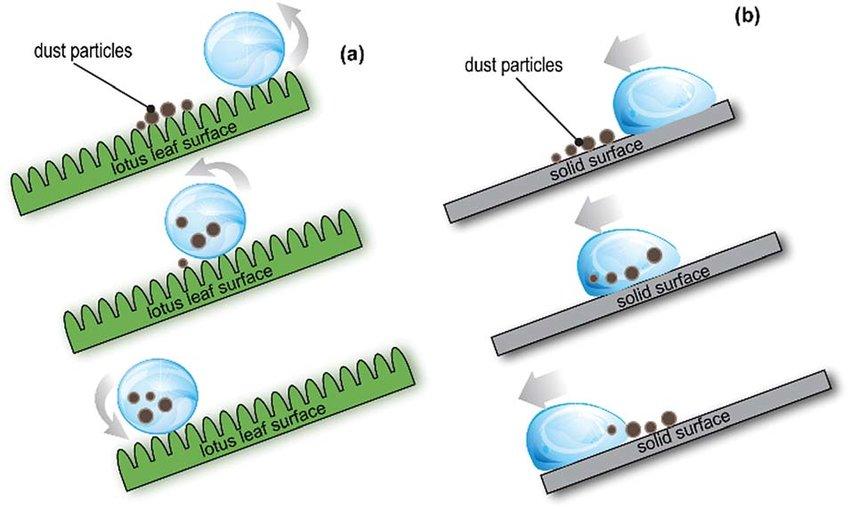
Biomimicry, derived from the Greek words ‘bios’ meaning life and ‘mimesis’ meaning imitation, refers to the emulation of life. It is an approach that imitates nature’s designs and processes to create a healthier and more sustainable world. The efficient and resilient systems developed by living organisms over millions of years of evolution have served as sources of inspiration for architects and have been applied in various structures. Biomimicry offers a powerful method for increasing energy ef
ENÖzlem Kılıç