

`nature` Related Article Results
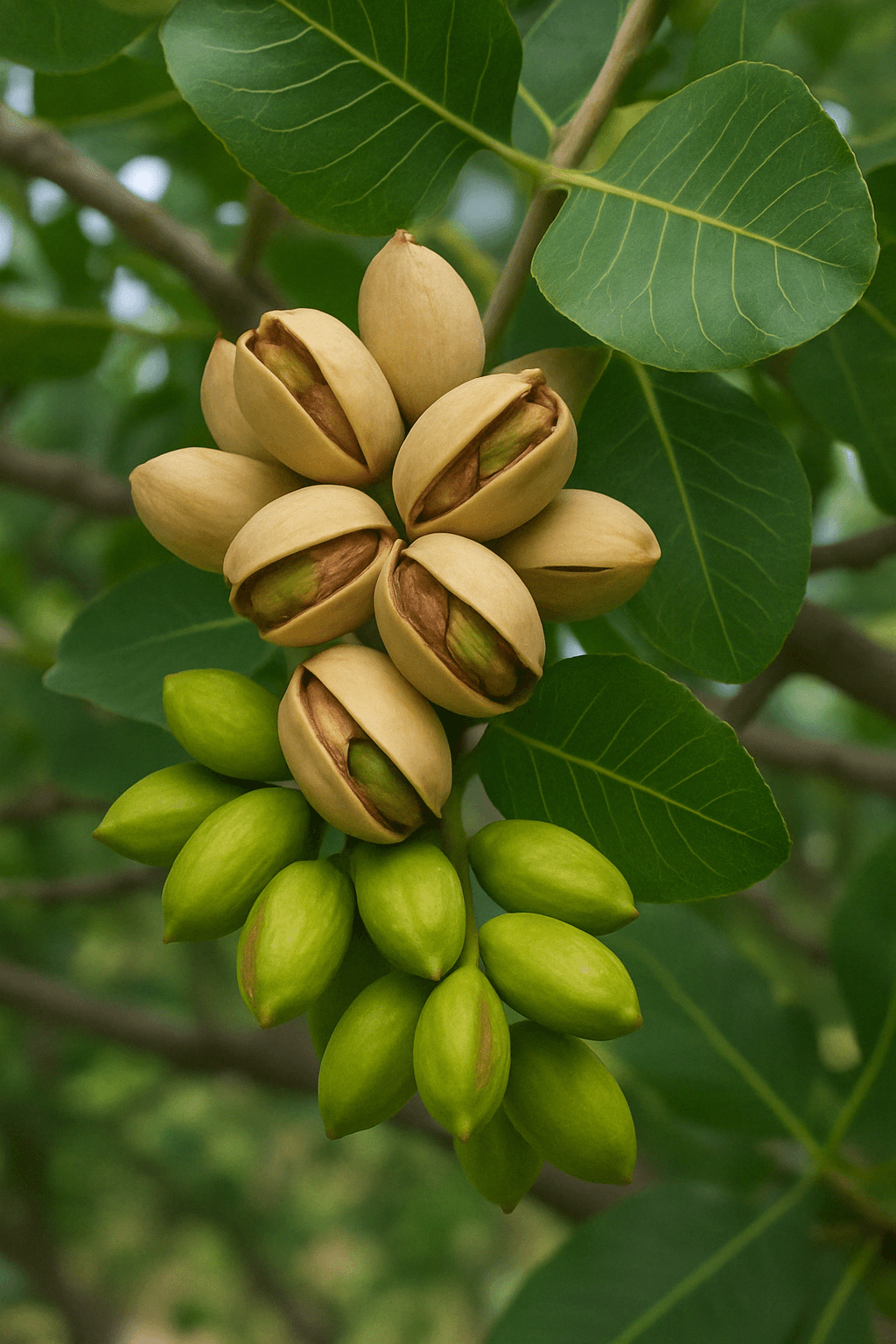
Antep Pistachio (Pistacia vera L.)
Pistachio belongs to the family Anacardiaceae. It is a commercially significant plant that produces edible nuts fruit. Its origin is believed to be in Anatolia Iran Caucasus and Central Asia, and it was cultivated in southern Anatolia during the Hittite period and spread to Europe via Rome in the first century AD. Today, Iran, USA and Türkiye share the top three positions in global pistachio production. Pistachio (Gaziantep Metropolitan Municipality) " image-alternate="" image-element-format="ri
EN
Özkan Çelik
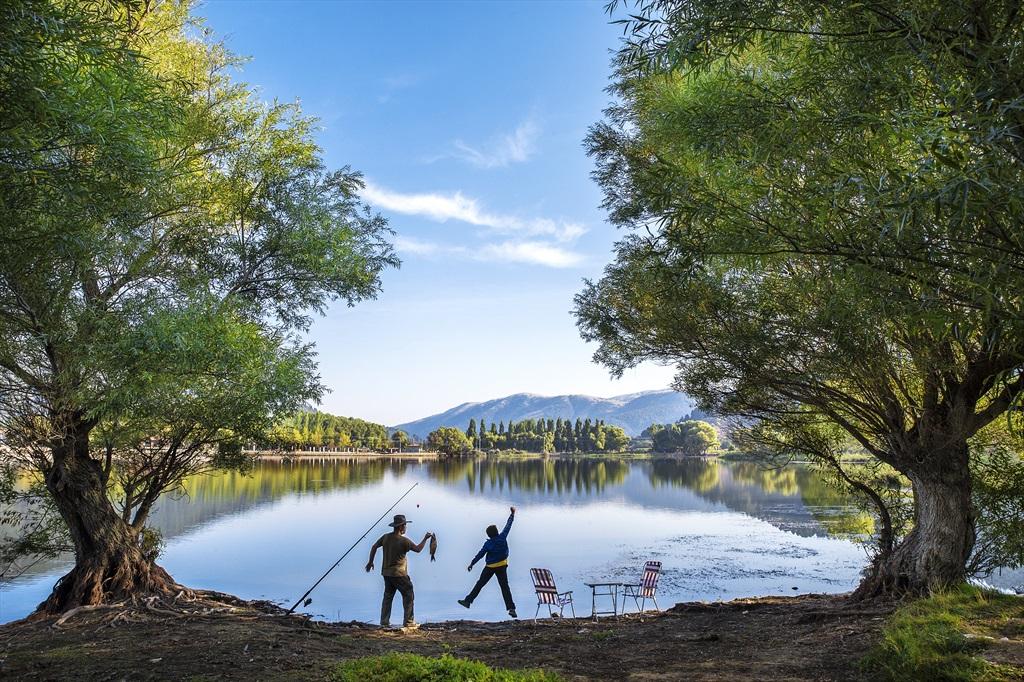
İzmir Gölcük Gölü
The Gölcük Lake, located in the Ödemiş district of İzmir, is situated among the natural areas of the Aegean Region and is characterized by its geological structure, hydrological features, biological diversity, and tourism potential. This wetland, situated at an elevation of approximately 1100 meters on the highlands of the Bozdağlar Mountains, is evaluated in scientific studies and monitoring of natural habitats due to its ecosystem characteristics and current conservation status. Geographical L
EN
Emine Beyza Yiğittürk
 Ay
AyAyder Plateau
Ayder Plateau is located 87 km from the city center of Rize and 16 km from the district center of Çamlıhemşin. Declared a Tourism Center in 1987, Ayder was granted the status of a Special Tourism Protection and Development Zone by the Council of Ministers Decision No. 11264 dated 2006 due to its various tourist activities including plateau tourism thermal spas and winter tourism like. Ayder Plateau attracts attention through its natural landscape unique regional authentic architecture and scient
ENElyesa Köseoğlu
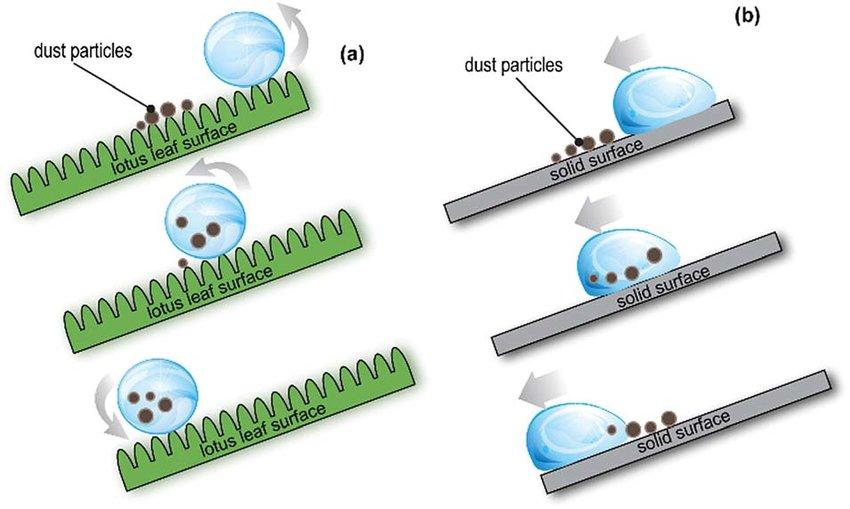
Biomimicry in Architecture
Biomimicry, derived from the Greek words ‘bios’ meaning life and ‘mimesis’ meaning imitation, refers to emulating life. It is an approach that mimics nature’s designs and processes to achieve a healthier and more sustainable world creation. The efficient and resilient systems developed by living organisms over millions of years of evolution have inspired architects and been applied in various structures. Biomimicry offers a powerful method for enhancing energy efficiency, preserving ecological b
ENÖzlem Kılıç
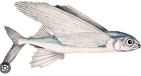
Epipelagic Zone
The Epipelagic Zone, the uppermost layer of the World oceans, extends to a depth of approximately 200 meters below the surface. This region is also known as the "sunlight zone" because it is the layer where sun light penetrates the ocean most intensely. The majority of oceanic photosynthesis events occur in this zone, making it of great importance for sea life. Layers of the ocean " image-alternate="" image-element-format="right"> Physical and Chemical Properties of the Epipelagic Zone The ep
ENSeniha Rabia Özder
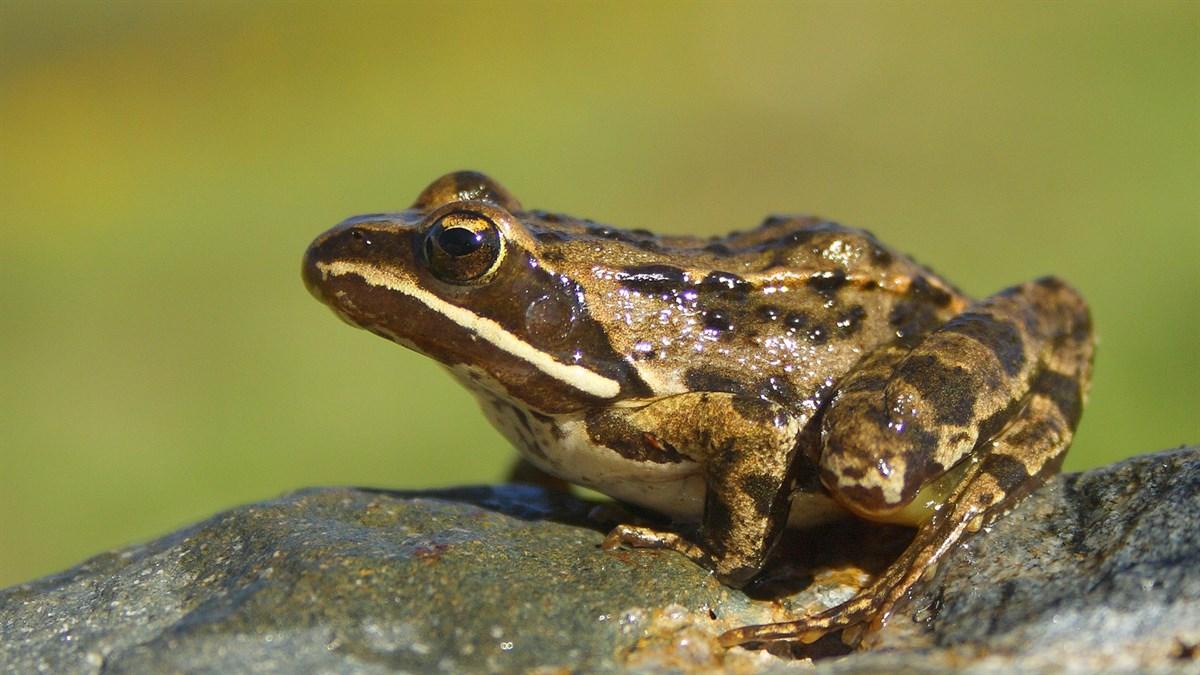
Taurus Frog (Rana holtzi)
Toros Frog (Rana holtzi) is an endemic frog species found only in Türkiye, belonging to the family Ranidae. It is observed exclusively in the glacial lakes within the boundaries of the Bolkar Mountains in the Ulukışla district of Niğde. First introduced to the scientific community approximately 150 years ago, this species has been under international protection since the signing of the Bern Convention in 1984. Toros Frog (District Governorship of Ulukışla, Republic of Türkiye) " image-alternate=
EN
Meltem Saraç
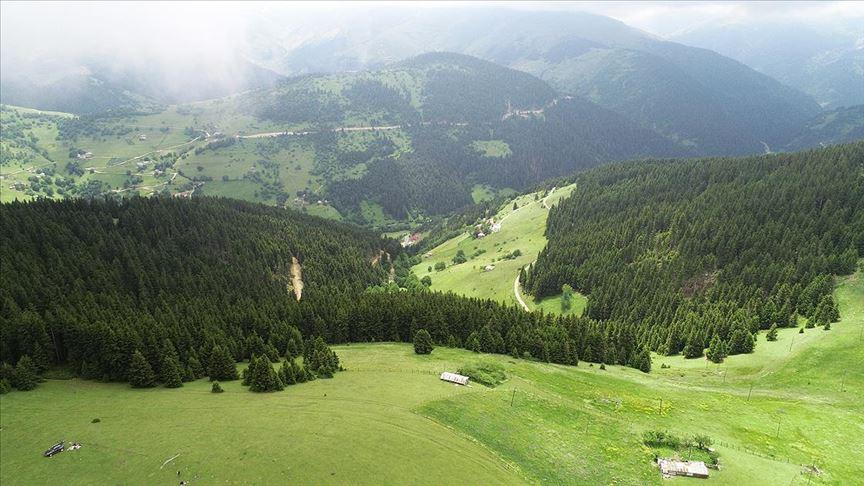
Kümbet Plateau (Giresun)
Kümbet Yaylası is located within the boundaries of Giresun province in Türkiye’s Eastern Black Sea Region. It lies at an elevation of approximately 1,600 meters above sea level. Geographically, it is situated southwest of Giresun city center, within the boundaries of the Dereli district. Although situated in the Black Sea climate zone, the high altitude results in cool and humid conditions during summer months and cold, snowy conditions during winter. Access and Geographic Structure Access to Kü
EN
Nursena Güller
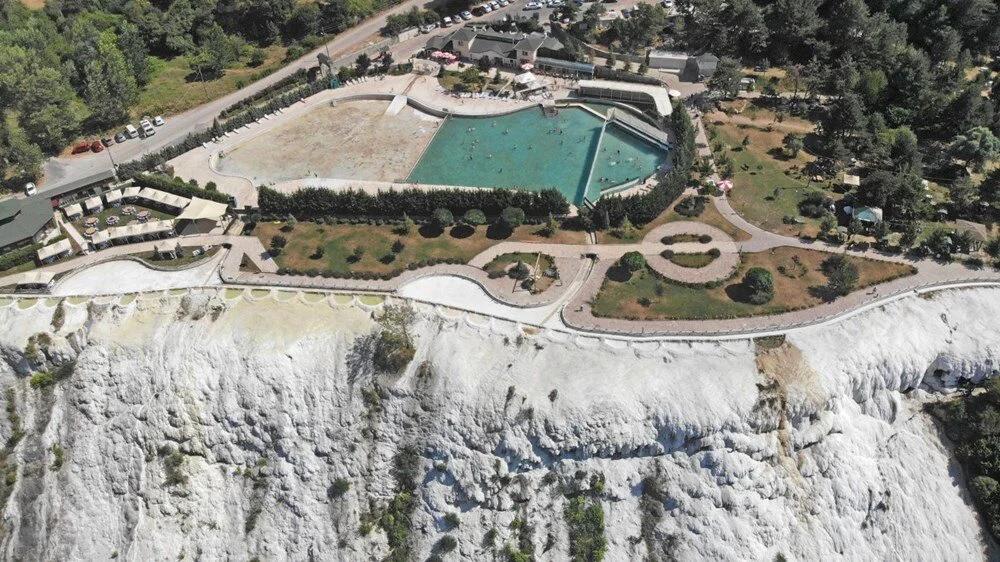
Akkaya Travertines
Akkaya Travertines are natural carbonate deposits formed by hot spring sources associated with the North Anatolia Fault Line, located near Çepni Village in the southwestern part of Bolu Province, place area. Region attracts attention due to its geomorphological structure and tourism potential, and is also known as “the Pamukkale of Bolu”. It was declared the first Degree natural seating area by Decision No. 5466 dated 24 October 1997. Geological and Geomorphological Features The Akkaya Travertin
ENTarık Berberoğlu
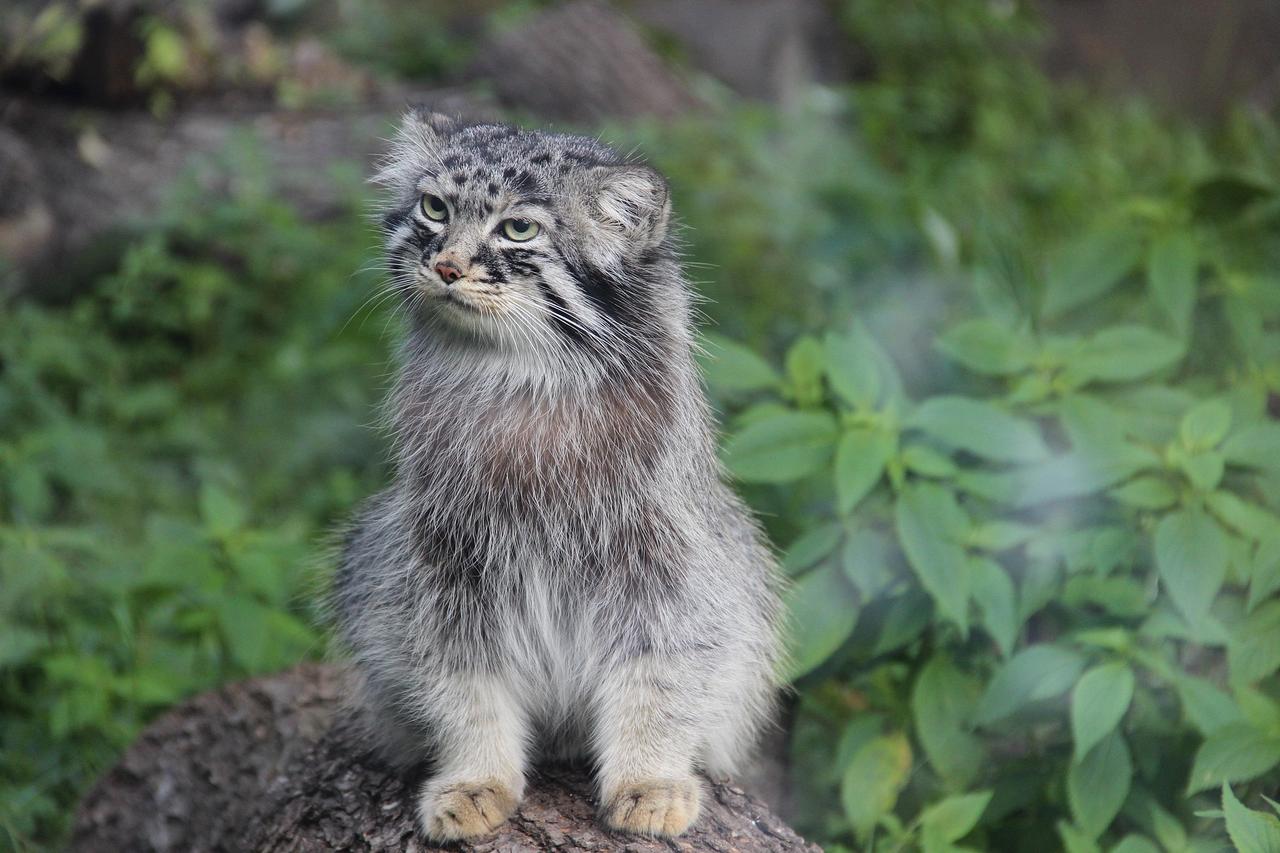
Pallas's Cat (Otocolobus manul)
The Pallas’s cat (Otocolobus manul) is a small wild cat native to the mountainous steppes of Central Asia. The species was first described in 1776 by the German naturalist Peter Simon Pallas. It is the only member of the genus Otocolobus. Its scientific name, of Greek origin, combines “oto” meaning ear and “kolobos” meaning shortened; this refers to its short, laterally flattened ears. Morphological Characteristics Although its appearance resembles that of a domestic cat, it is distinguished by
ENMustafa Furkan Tongarlak
ŠaŠar Mountains
Šar Mountains (Macedonian: Шар Планина, Albanian: Mali i Sharrit, Serbian: Шар Планина) is a prominent mountain range located in the Balkan Peninsula, stretching between North Macedonia and Kosovo. Geographically extending from southeast to northwest, its complex geological structure, high peaks, and rich biodiversity play a critical role in shaping the region's natural systems. The highest peak is Titov Vrv, standing at 2,747 meters. The Šar Mountains are notable not only for their natural heri
ENAbdülkadir Taştan