

`efficiency` Related Article Results
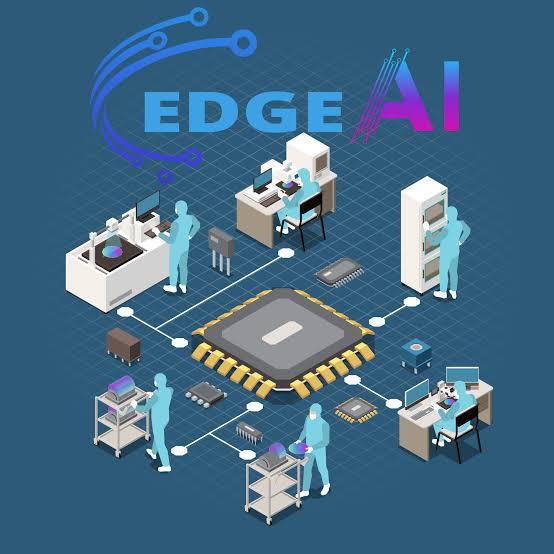
Edge AI (Edge Artificial Intelligence)
Edge AI (Fly Artificial Intelligence) or Edge Intelligence (Edge Intelligence - EI) refers to the practice of running artificial intelligence (AI) computations and algorithms on devices at the network’s edge—such as end-user devices—rather than in centralized cloud data data centers. This approach aims to integrate AI capabilities into mobile devices, Internet of Things (IoT) sensors, smart cameras, robots like real world and other edge devices. Fundamentally, it seeks to combine edge computing
EN
Hakan Şensoy
 Ef
EfEfficient Algorithm Design and Optimization Techniques
Algorithms are one of the fundamental building building blocks of the software world. They are step-by-step procedures for solving a problem and, when properly designed, provide significant advantages in terms of speed correctness, efficiency and source resource usage. However, poorly designed algorithms can reduce system performance and lead to unnecessary resource consumption. Therefore, efficient algorithm design and optimization techniques are critical for software developers and engineers.
EN
Başak Karaman
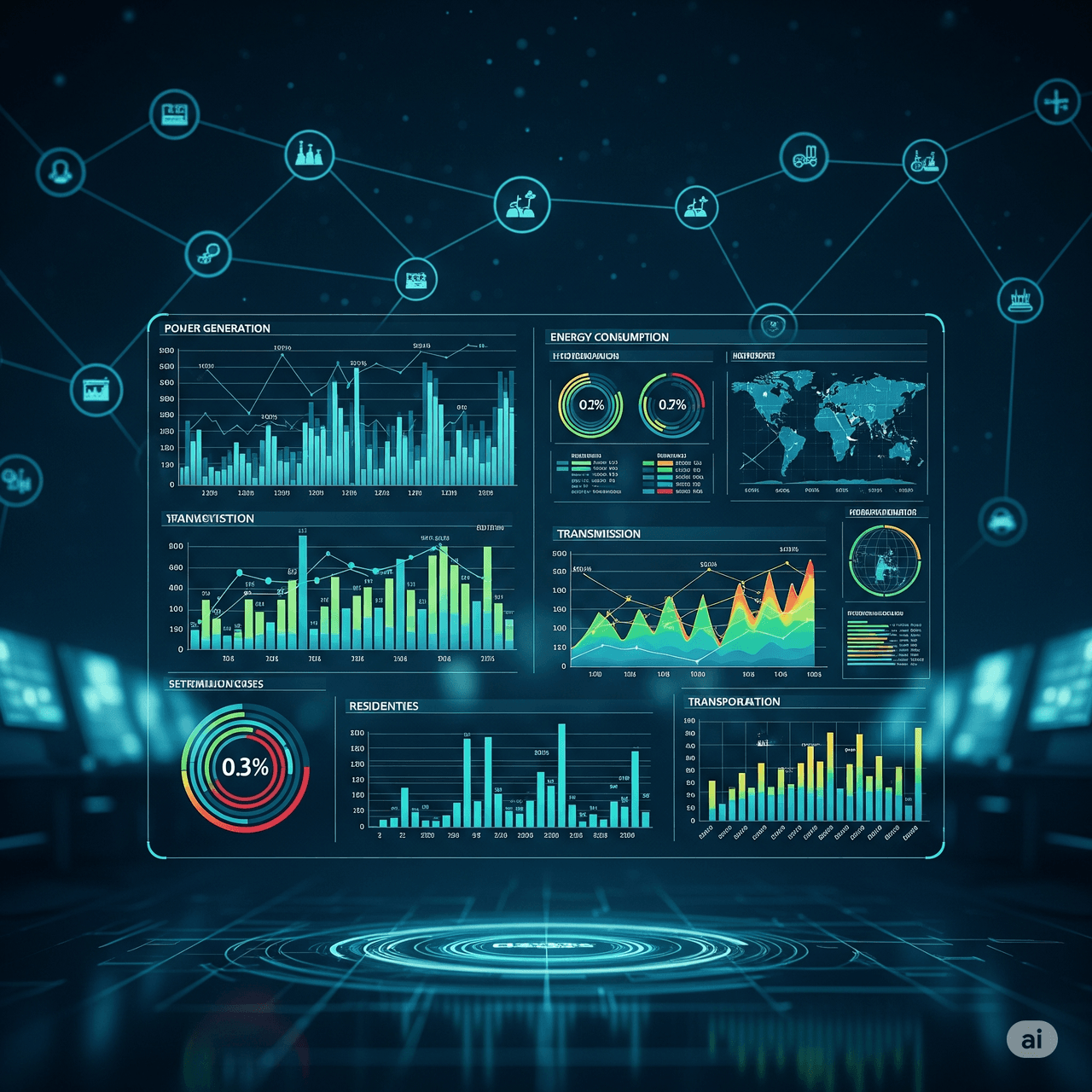
Energy Consumption and Analysis
Energy consumption is recognized as one of the fundamental inputs for economic growth and development. The amount of energy used across various sectors such as industry, transportation, agriculture, and buildings holds significant importance in terms of both economic costs and environmental impacts. Energy consumption analysis is a systematic process conducted to evaluate the efficiency of current energy use, identify points of waste, and ensure more sustainable management of energy resources. T
EN
Ömer Said Aydın

Less Is More: Less Is Enough
"Less is more" (Az çoktur) is a concise phrase that encapsulates the philosophy of minimalism, first articulated by Ludwig Mies van der Rohe, one of the pioneering figures of twentieth-century modern architecture. Over time, this principle has resonated across numerous fields including design, architecture, art, literature, and lifestyle. It embraces a design ethos that prioritizes simplicity and functionality by eliminating unnecessary ornamentation and excess. Gradually, it evolved from being
EN
Zeynep Duvar

Guide to Time Management
Although time management originally began as a tool to help managers in Denmark plan their schedules, it has now become an essential skill for every individual. Do you think you manage your time well? Let us ask you a few questions. Do you frequently feel tired during the day? Do you often feel upset, believing your day has been unproductive, and constantly compare yourself to others? Despite working hard, do you constantly feel pressured to finish tasks? If your answer is “Yes”, we invite you t
EN
T3 Akademi
T3 Podcast | John Adair - Effective Time Management
On the T3 Podcast, Tuğba Çaylak and Tuğana Gültekin summarize the key ideas and practical advice from John Adair’s book Effective Time Management. The book serves as a guide for anyone seeking to use time more consciously and productively. A Holistic View of Time Management John Adair argues that the foundation of time management lies in the understanding that “time is cash”—that time, like money, is a valuable resource. Management is not limited to work or school; it requires a holistic approac
ENT3 Akademi
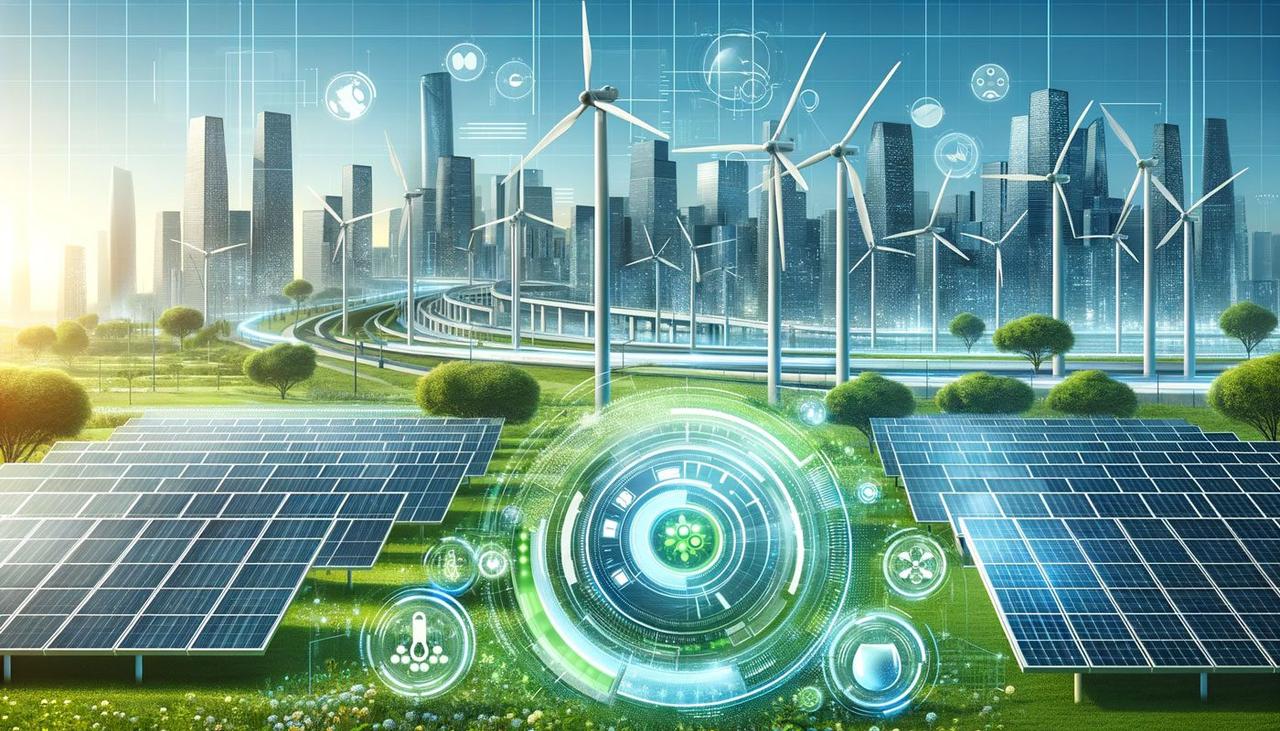
IoT Solutions in Renewable Energy
Renewable energy systems are systems that generate energy using sustainable and clean energy sources. These systems obtain energy from natural resources such as sun, wind, hydroelectric and biomass such as. Internet of Things (IoT) technology plays a critical role in enhancing the efficiency of these energy systems, enabling monitoring and providing automated management processes to offer. IoT solutions optimize the efficiency of energy systems while simultaneously reducing operational costs and
ENHatice Kete
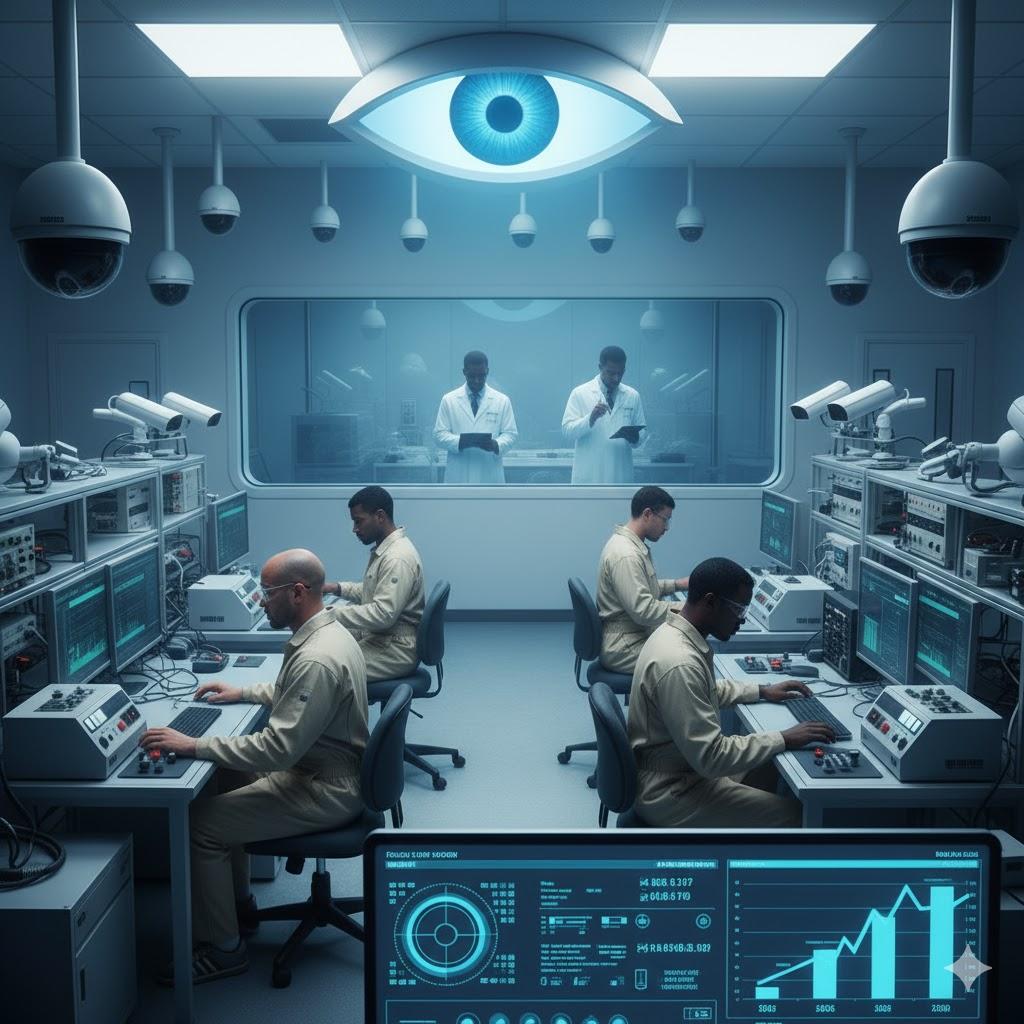
Hawthorne Effect
Hawthorne effect is a phenomenon in which individuals improve their performance when they are aware that they are being observed or monitored by researchers or supervisors. This situation implies that people tend to alter their behavior when they realize they are subjects in an experiment, due to the attention they receive from the experimenters. In simple terms, it is the tendency of people to change or improve their behavior because they know they are being watched.Simply Psychology. "Hawthorn
EN
Nida Üstün

Biomimetic
Biomimicry, or biomimetics, is the science of developing human-made solutions by studying organisms in nature, their structures, processes, and systems. This discipline aims to use the functioning of biological systems as models to create sustainable, efficient, and innovative technologies. The term biomimicry is derived from the Greek words “bios” (life) and “mimemis” (imitation), meaning “imitation of life.” Although the concept of biomimicry emerged in the mid-1900s, humans have long drawn in
ENUmut Karadeniz
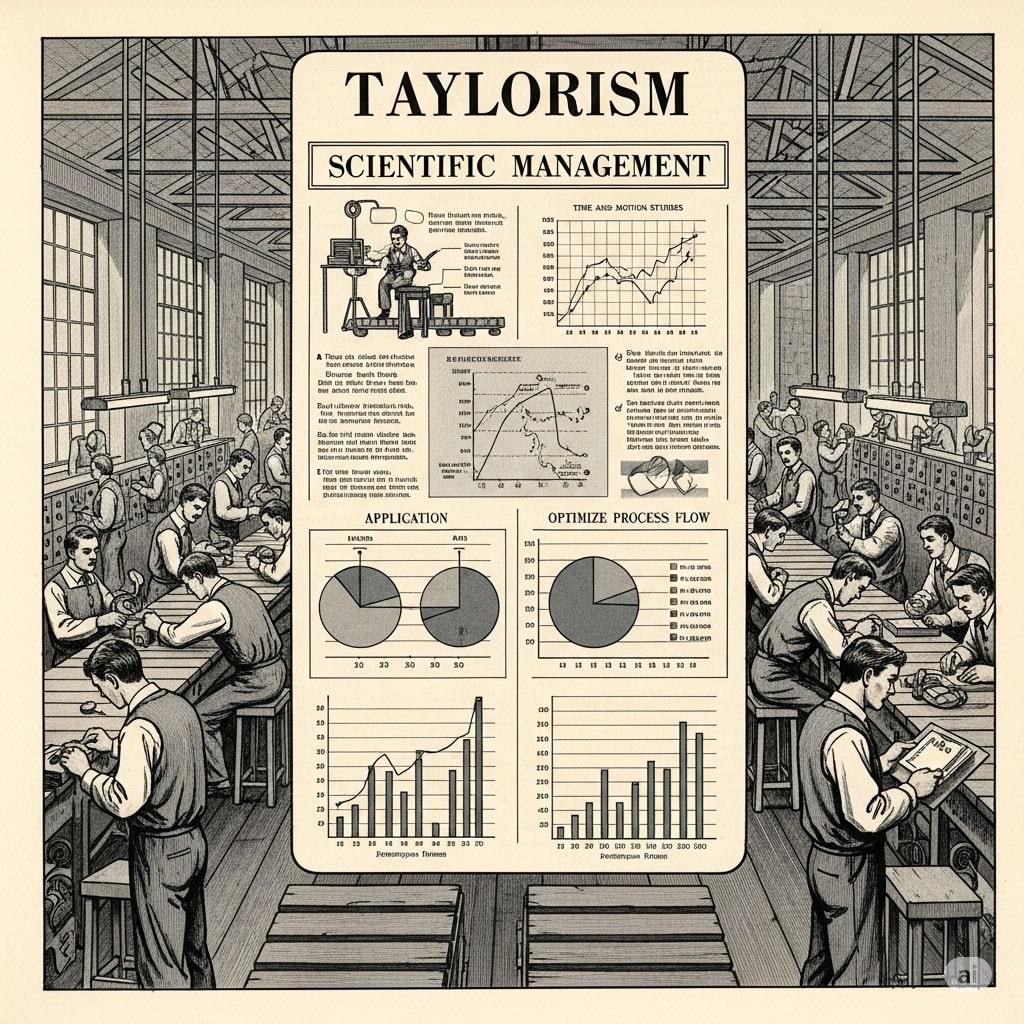
Taylorism Scientific Management Approach
Scientific Management, also known as Taylorism, is a management philosophy developed in the early 20th century by Frederic Winslow Taylor. This approach aimed to maximize efficiency in production during a period of rapid industrialization. Life and Career Frederic Winslow Taylor was born on 20 March 1856 in Philadelphia into a family of lawyers. He earned a degree in mechanical engineering from the Stevens Institute of Technology in New Jersey at the age of 25 while working full-time. He began h
EN
Nursena Şahin