

`biomimicry` Related Article Results
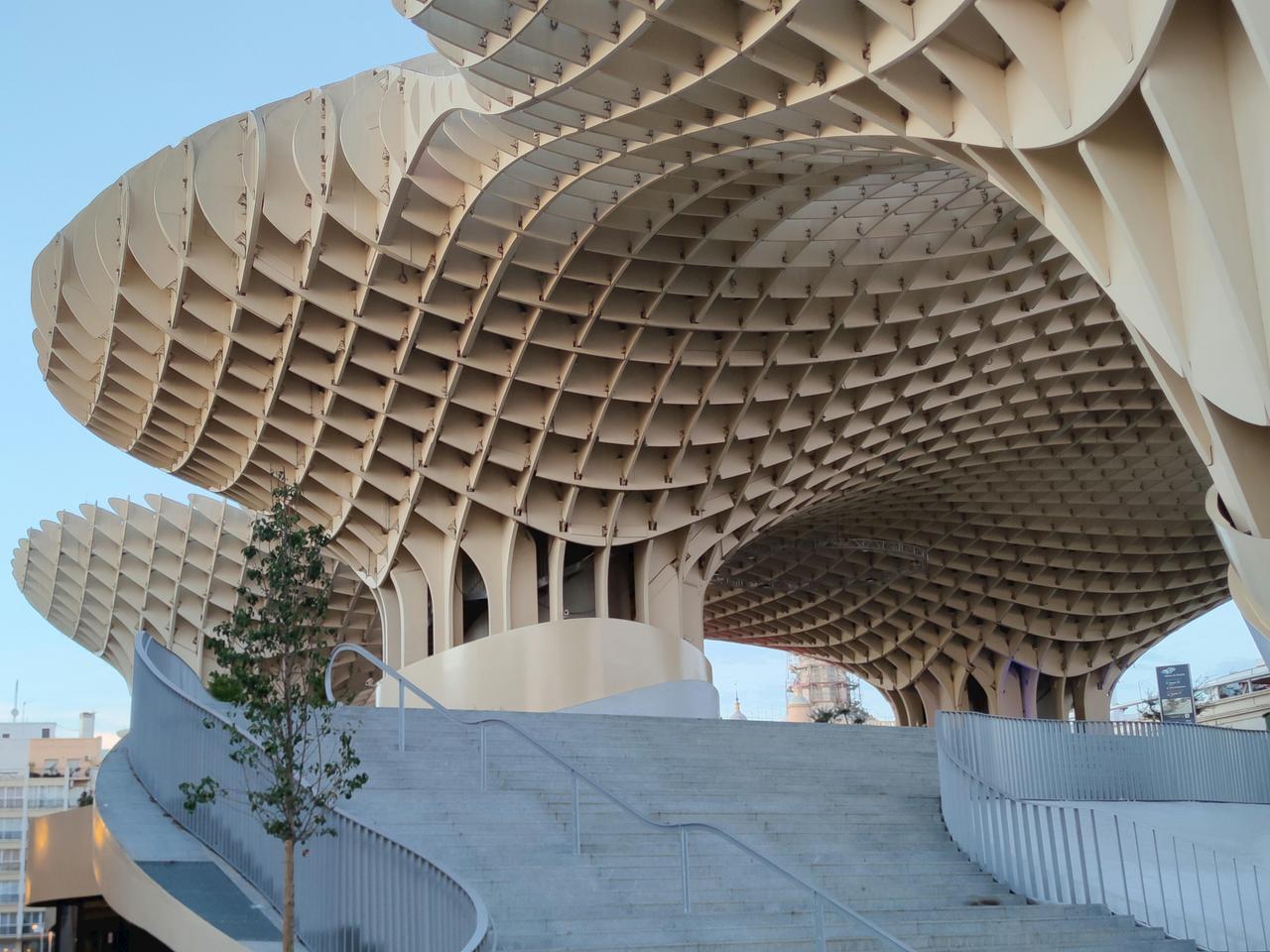
Parametric Design
Parametric design is a computational approach to architectural form generation that relies on pre-defined variables (parameters). In this method, a building’s form emerges through the relational definition of multiple inputs such as orientation, climatic data, user density, material properties, and structural requirements. The design process is shaped by algorithms that operate according to the relationships established among these parameters. Architectural decisions are no longer based solely o
EN
Esra Özkafa
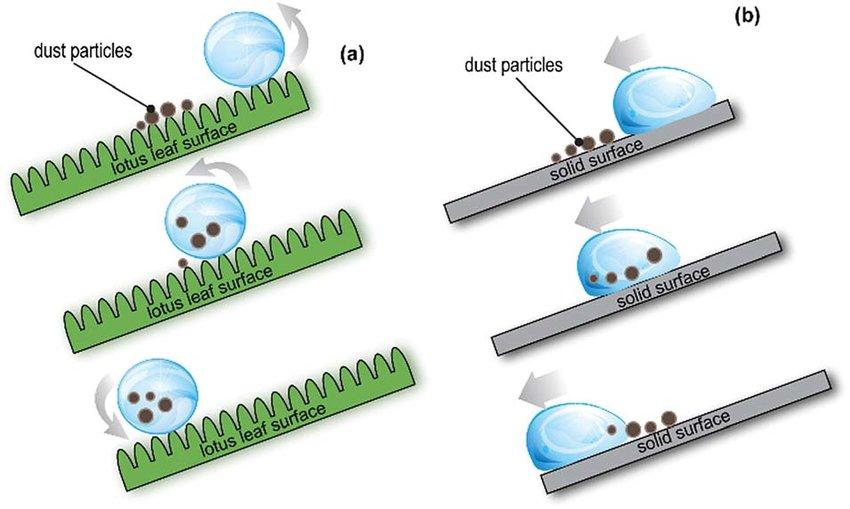
Biomimicry in Architecture
Biomimicry, derived from the Greek words ‘bios’ meaning life and ‘mimesis’ meaning imitation, refers to emulating life. It is an approach that mimics nature’s designs and processes to achieve a healthier and more sustainable world creation. The efficient and resilient systems developed by living organisms over millions of years of evolution have inspired architects and been applied in various structures. Biomimicry offers a powerful method for enhancing energy efficiency, preserving ecological b
EN
Özlem Kılıç

Soft Robotics Applications
Soft robotics is a subfield of robotics that encompasses robots and technologies made from flexible, compliant, and soft materials such as silicone, polymers, and elastomers, in contrast to traditional robots that use rigid and inflexible materials like metal. This field draws inspiration from the movement and adaptability of living organisms in nature. This approach, known as biomimicry or imitation of nature, aims to enable robots to interact more safely and efficiently with their environments
EN
Furkan Üresin
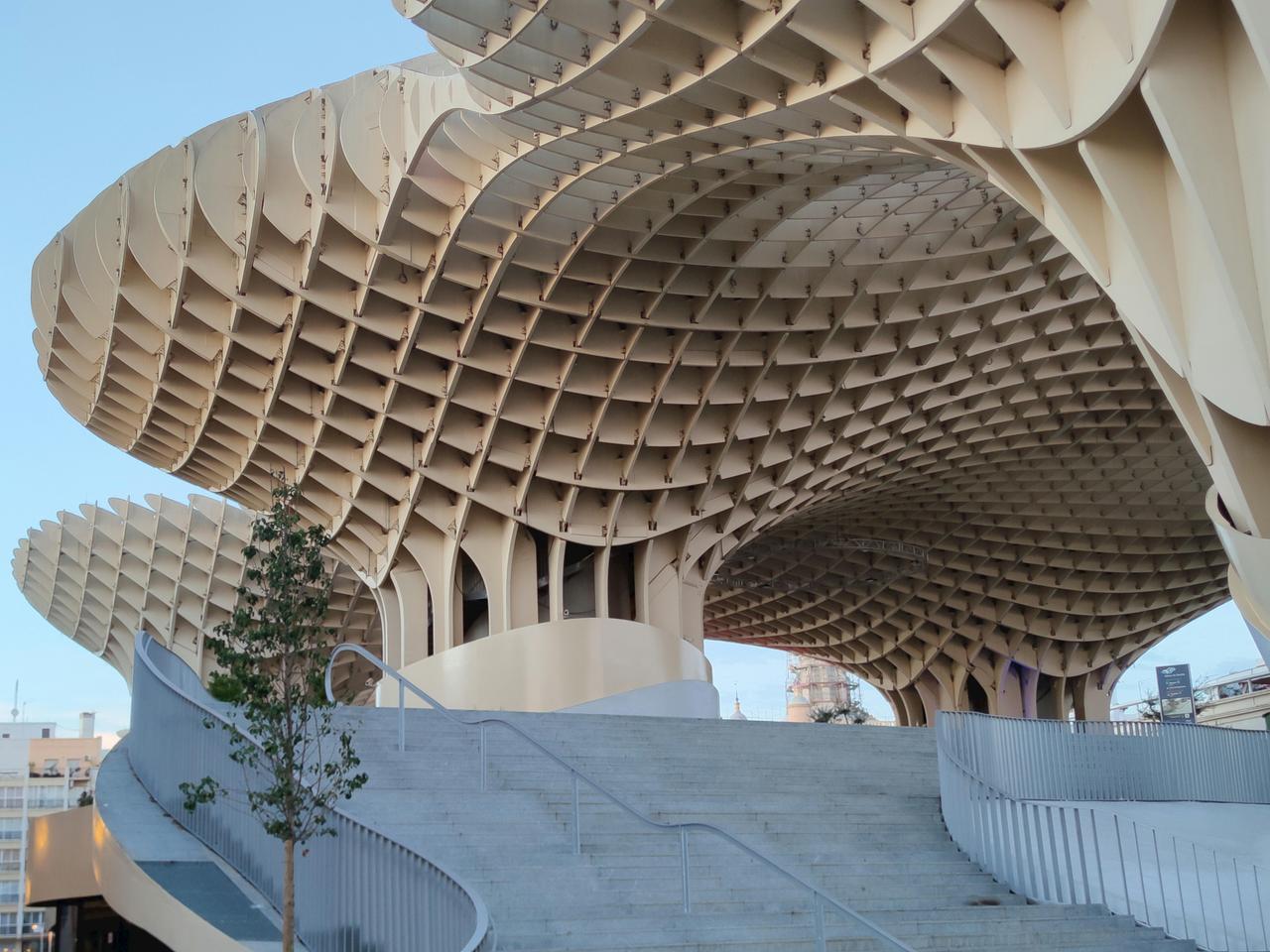
Parametric Design
Parametric design is a computational design approach in architecture that generates form through predefined variables (parameters). In this method, a building’s form emerges from the relational definition of multiple inputs such as orientation, climatic data, user density, material properties, and structural requirements. The design process is shaped by algorithms that operate according to the relationships established among these parameters. Architectural decisions are no longer based solely on
EN
Esra Özkafa
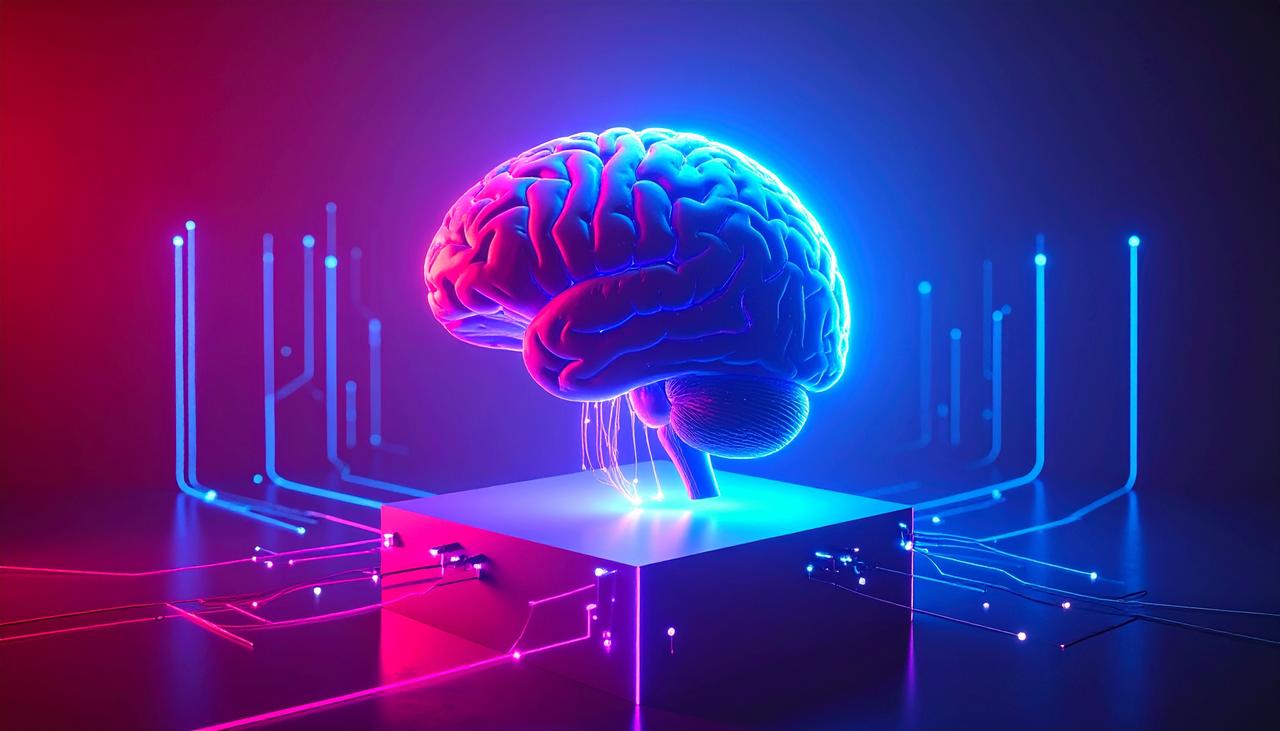
Neuromorphic Computing: Can Computers Think Like the Brain?
Scientists and engineers have drawn inspiration from nature to enhance the capabilities of computing systems as technology continues to evolve. For instance, the biomimicry approach aims to apply designs developed by nature over millions of years of evolution to technological solutions. Similarly, artificial photosynthesis draws inspiration from the process by which plants convert sunlight into energy, aiming to use solar energy more efficiently and address energy storage challenges. Artificial
EN
T3 Akademi
Biomimicry in Architecture
Biomimicry, derived from the Greek words ‘bios’ meaning life and ‘mimesis’ meaning imitation, refers to the emulation of life. It is an approach that imitates nature’s designs and processes to create a healthier and more sustainable world. The efficient and resilient systems developed by living organisms over millions of years of evolution have served as sources of inspiration for architects and have been applied in various structures. Biomimicry offers a powerful method for increasing energy ef
ENÖzlem Kılıç