

`historicalstructures` Related Article Results
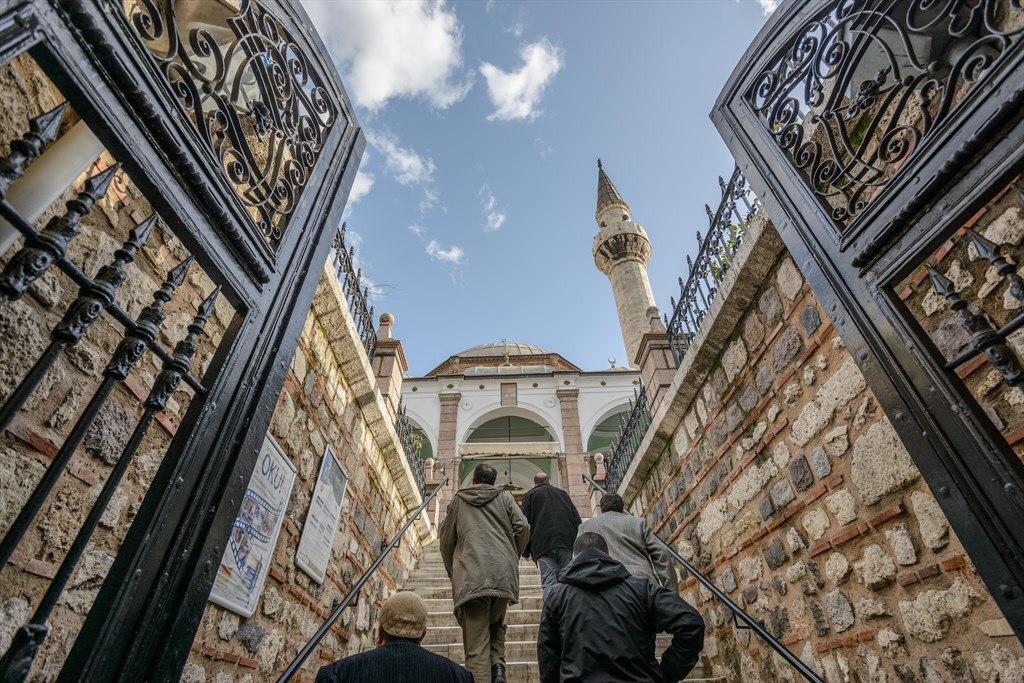
Başdurak (Hacı Hüseyin) Camii
Basdurak Camii, during the Ottoman period known as Hacı Hüseyin Ağa Camii, is a historical mosque located in the city center of İzmir. The structure derives its name from its founder, Hacı Hüseyin Ağa ibn Muharrem el-Cündî, and was constructed in the mid-17th century. Endowment records and travel accounts confirm that during the Ottoman era, the mosque was among the principal mosques in İzmir where Friday prayers were held. History Basdurak Camii (Hacı Hüseyin Camii) is an Ottoman-era mosque of
EN
Fatmanur Mavibaş
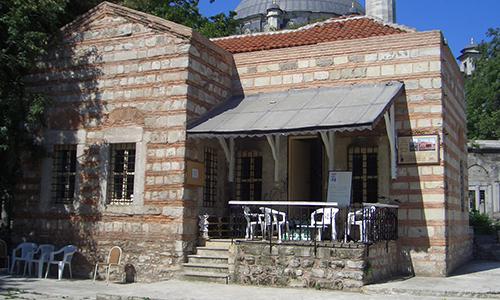
Mihrişah Sultan Sıbyan Mektebi
Mihrişah Sultan Sıbyan Mektebi is an L-shaped historical educational building constructed in 1795 by Mihrişah Valide Sultan as part of the Mihrişah Valide Sultan Külliyesi in Eyüpsultan and currently serves as a scout clubhouse. History and Location Mihrişah Sultan Sıbyan Mektebi was constructed simultaneously in 1795 (Hijri 1210) with the adjacent tomb, imaret and sebil. The building is located in the Eyüpsultan district of Istanbul on Bostan İskelesi Sokağı, to the east of Eyüp Sultan Camii. P
EN
Gözde Cabadak
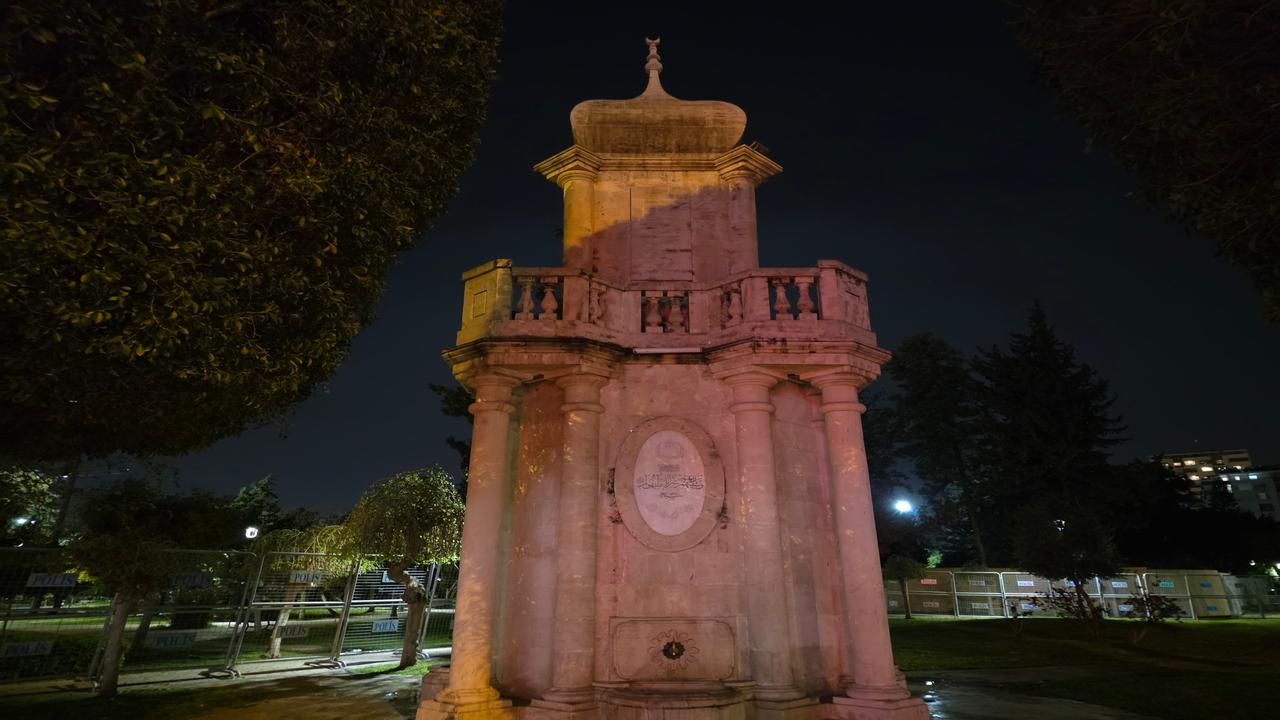
Bahri Pasha Fountain
Bahri Paşa Çeşmesi was constructed in 1901 to commemorate the 25th anniversary of Sultan II. Abdülhamit’s accession to the throne by Adana Governor Bahri Paşa. It is a monumental water structure located in Atatürk Parkı, reflecting the eclectic artistic style of the late Ottoman period.【1】 Historical Development and Construction Process The structure was built as one of several monument projects initiated across various Ottoman provinces in 1901 to mark the 25th anniversary of Sultan II. Abdülha
ENGözde Cabadak
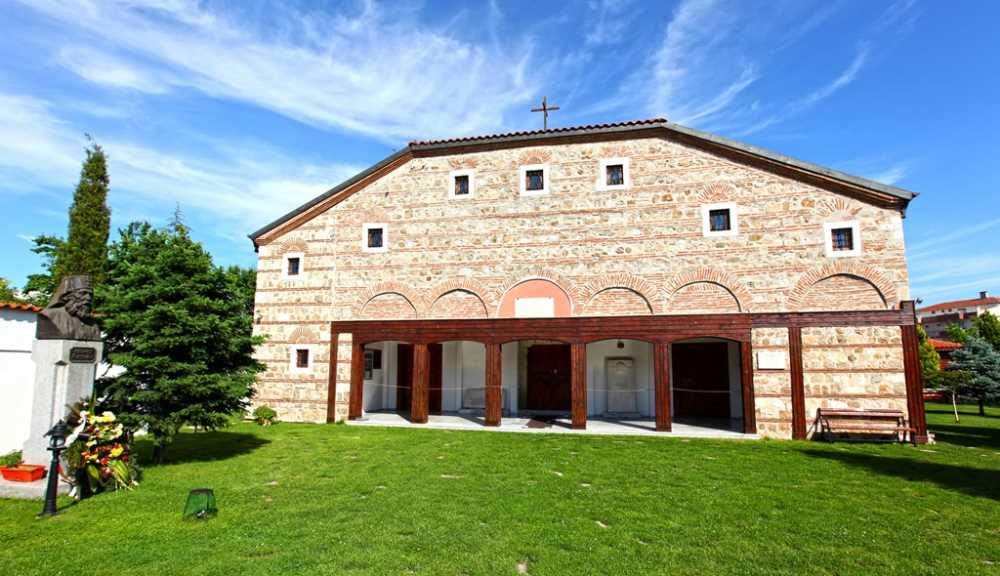
Church of Saint Constantine and Helena
The Church of Saint Constantine and Elena is a 19th-century Bulgarian Orthodox religious structure located in Edirne. Built in 1869 the church currently serves both religious worship and various cultural events under the framework of faith tourism.【1】 History and Restoration Process The construction of the Church of Saint Constantine and Elena Bulgarian Orthodox Church was completed in 1869. Following necessary restoration works the building was reopened for visitation and use in 2008.【2】 Locati
ENGözde Cabadak
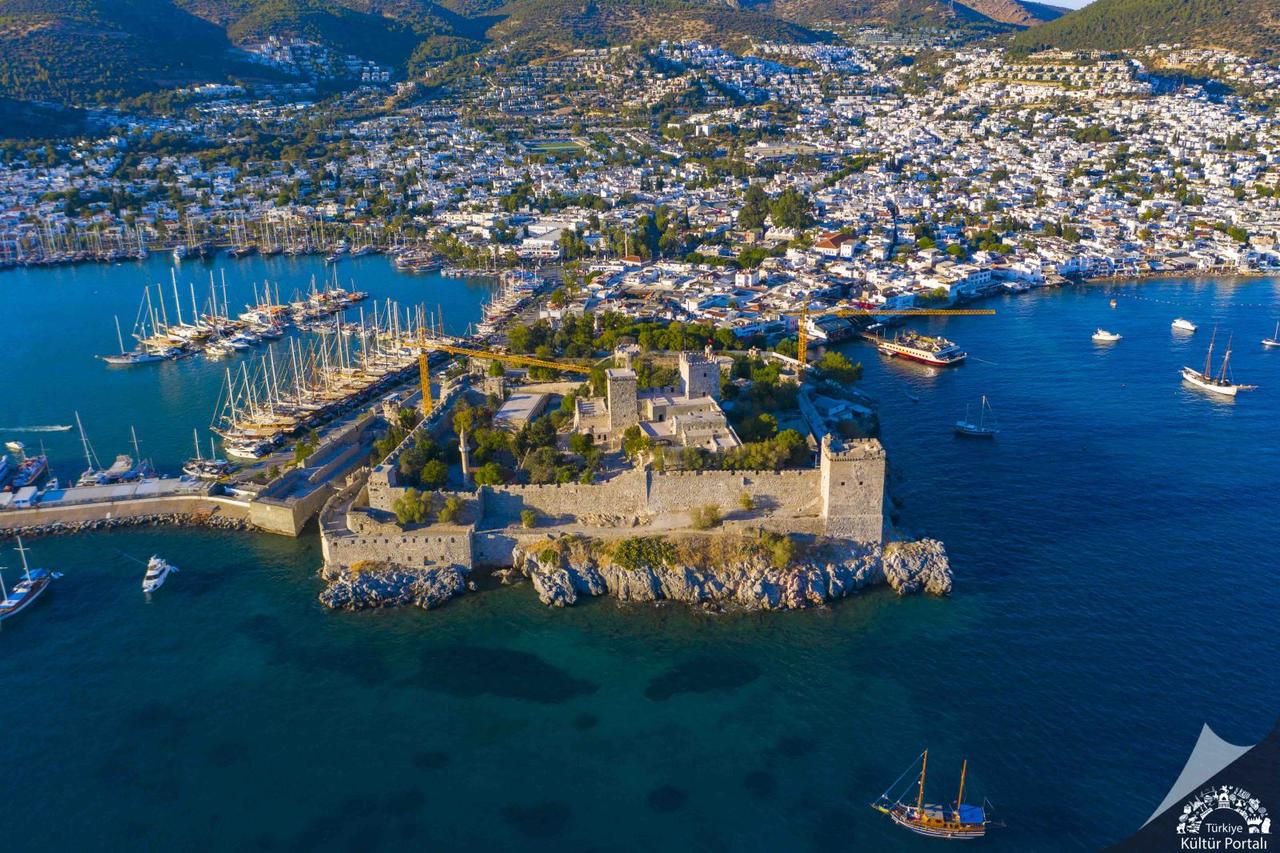
Bodrum Castle
Bodrum Castle is a medieval fortress built in 1406 by the Knights of Saint John on a strategic peninsula in the Bodrum district of Muğla. Located between Bodrum Harbor and İçkale Harbor and surrounded on three sides by the Aegean Sea the castle has served various military religious and cultural functions throughout history. Originally known as Sanctus Petrus the castle incorporates stones sourced from the ancient Mausoleum of Halicarnassus leaving traces of different historical periods. Today th
EN
Enes Kalmaz
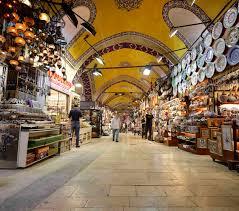
Grand Bazaar
The Grand Bazaar is located at the intersection of the Beyazıt, Nuruosmaniye and Mercan neighborhoods in İstanbul and is one of the largest and oldest covered markets in the world. Established during the Ottoman Empire, this trade center has played a defining role in the city’s economic and cultural life for centuries, both through its architecture and its social function. Today, with more than 60 streets and nearly 4,000 shops, the bazaar welcomes an average of 250,000 to 400,000 visitors daily
EN
Ahsen Güneş
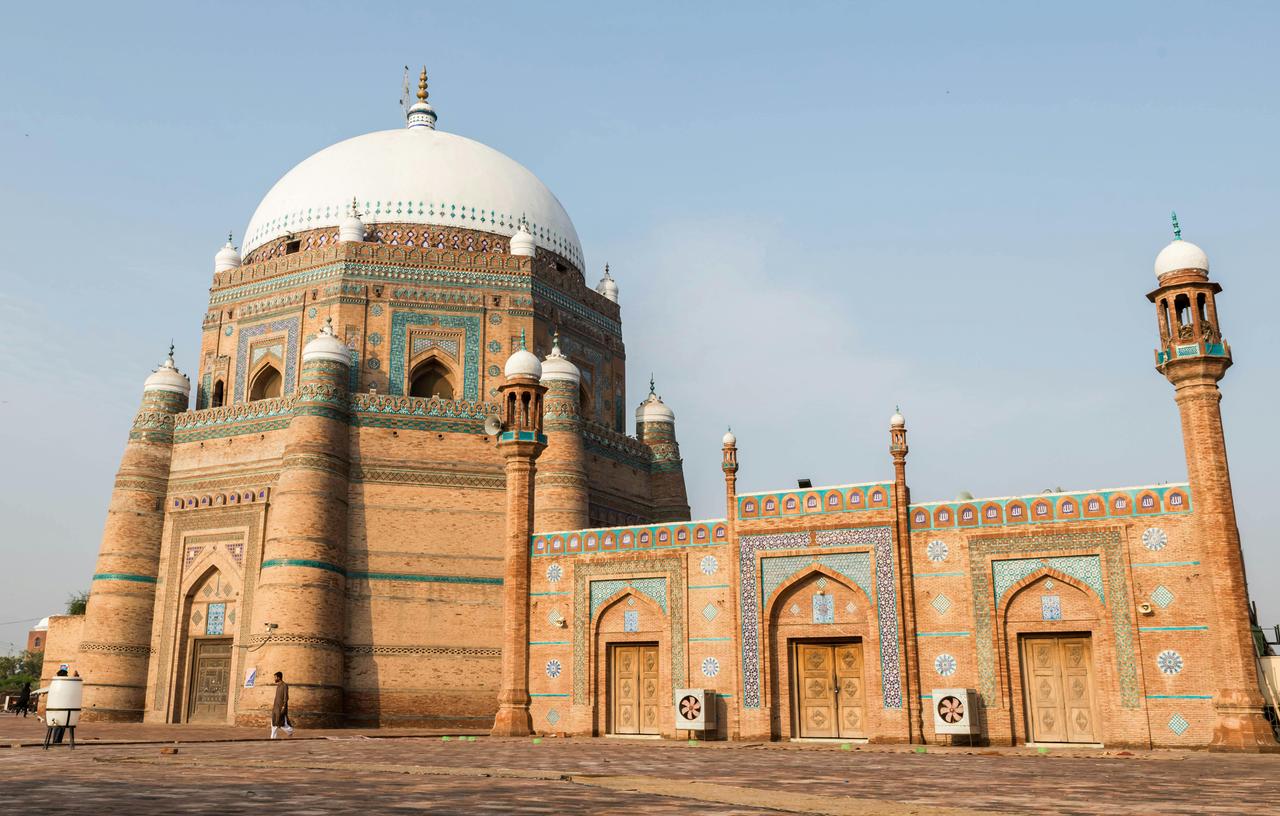
Tomb of Shah Rukn-i Alam
Shah Rukn-i Alam Turbe is a historical structure located in the city of Multan, in the Punjab province of Pakistan, constructed in 1324. Built during the Delhi Sultanate period, the turbe was dedicated to the family of Rukn al-Din Abu al-Fath (Shah Rukn-i Alam), a member of the Suhrawardiyya Sufi order. Among the earliest examples of Tughluq architecture, the structure stands out for its monumental dome, architectural ornamentation, and original use of materials. It was awarded the Aga Khan Awar
EN
Nazlı Kemerkaya
 Or
OrOrtamahalle Houses (Akçaabat)
Ortamahalle Houses, Trabzon Province’s Akçaabat district, are traditional residential structures that form the historical and architectural fabric of the Ortamahalle settlement. These houses were shaped according to the region’s topographical features, climatic conditions, and social structure, and have survived to the present day as tangible examples of the settlement patterns that developed since the Ottoman period. Due to its distinctive residential fabric, Ortamahalle has been designated as
EN
İremsu Ümit
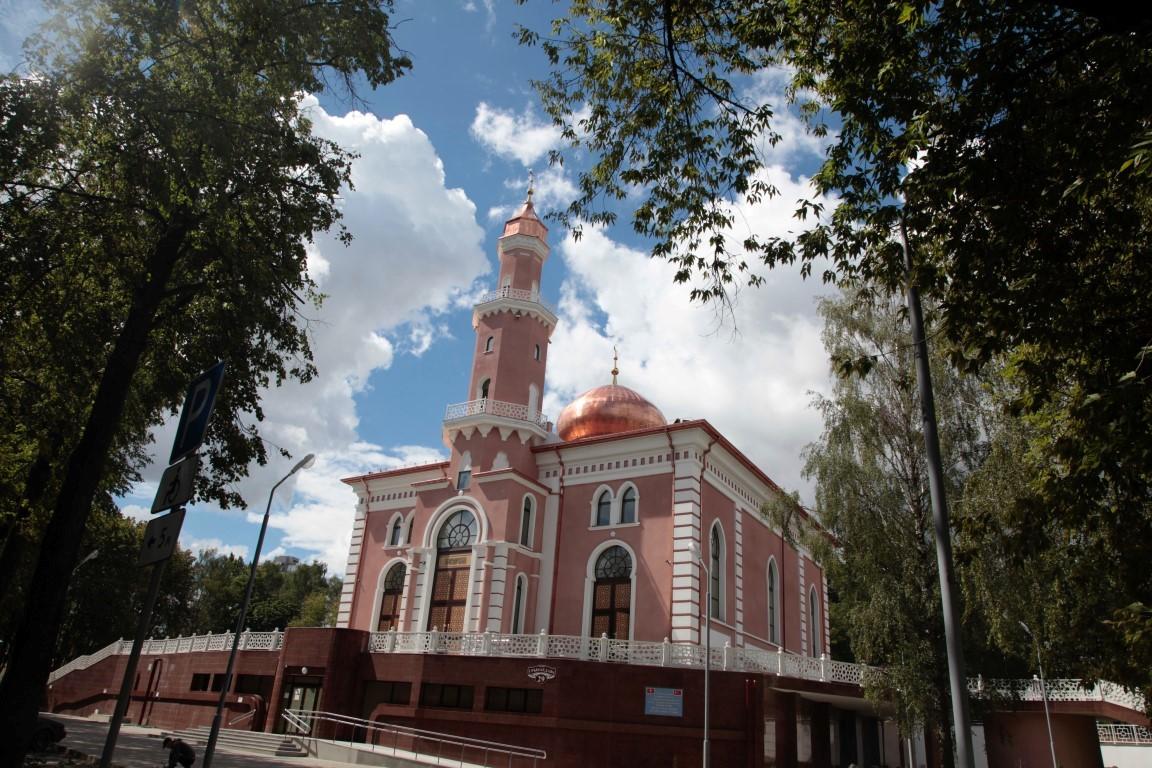
Minsk Mosque
Minsk Mosque is a mosque located in Minsk, the capital of Belarus, with a historical origin dating back to the 15th century. The structure was initially built of wood and later reconstructed in 1890 using stone and brick materials, becoming one of the city’s prominent landmarks. During the Soviet Union era, it was demolished in 1962. Reconstruction efforts initiated by the Turkish Diyanet Foundation began in 2014 and were completed in 2016, after which the mosque was opened for worship. History
EN
Nurten Yalçın
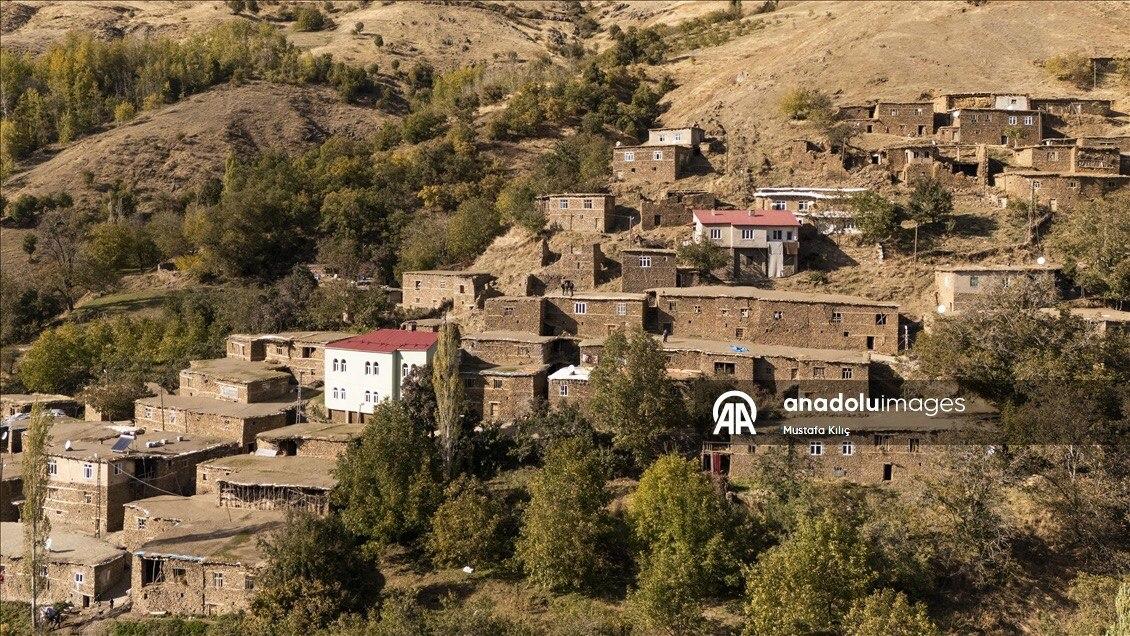
Bitlis Stone Houses
Bitlis Taş Evleri are stone-built houses located in the rural areas of Hizan district, within Türkiye’s Bitlis province, particularly in villages such as Koçlu and Uzuntaş. These structures, constructed over a historical process, consist of residential buildings made from stone and wood using traditional materials and techniques, and have remained standing for centuries while preserving their architectural characteristics. Although their history is estimated to span approximately 300 years, the
ENFatmanur Mavibaş