

`urbanmemory` Related Article Results
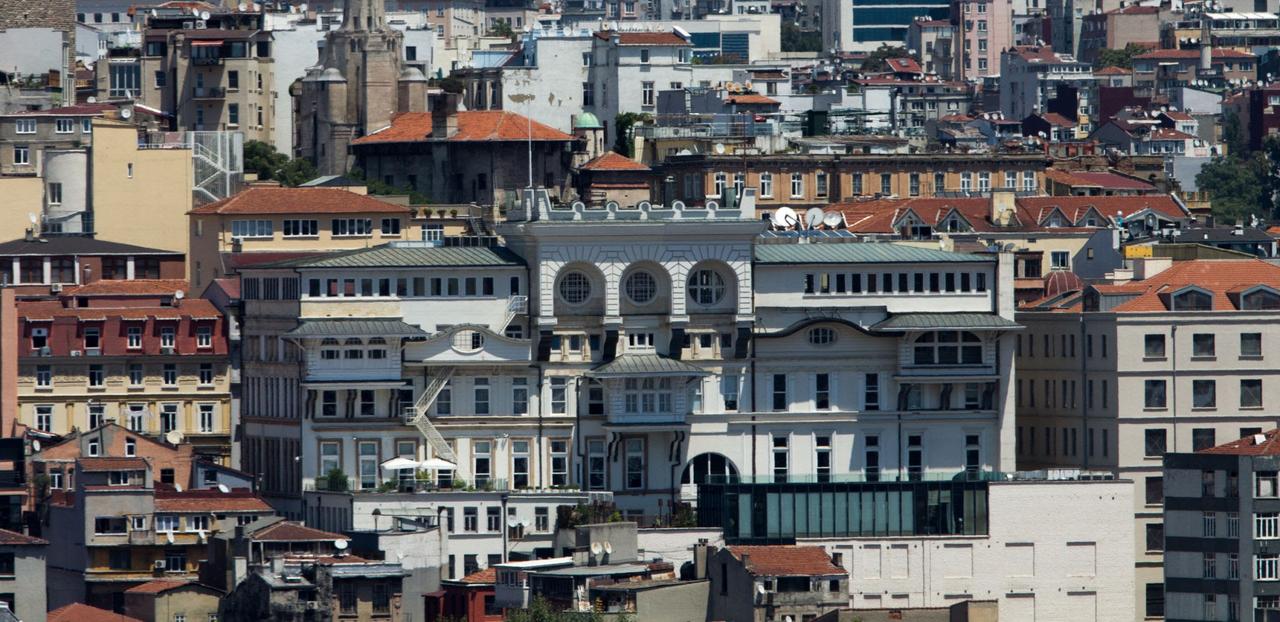
Urban Palimpsest
Urban palimpsest is a socio-spatial and architectural concept that refers to a city’s physical, spatial, and cultural fabric accumulating layers of traces from different historical periods, social practices, needs, and ideologies.【1】 The term derives from the Greek words palin, meaning "again," and psestos, meaning "scraped," combining to form palimpsēstos.【2】 In antiquity, due to the rarity and cost of parchment and papyrus, manuscripts with erased or scraped-off older texts rewritten on top we
EN
Kadriye Beyza Kirenci
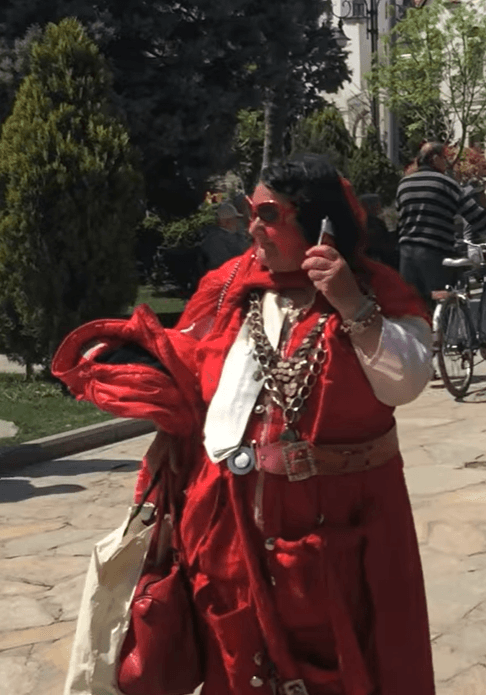
I wore a dress of blood; I would never have wanted them to change it.
The title of our article is taken from a poem written by Sezai Karakoç in February 1959. However, in this piece we will address a different subject than a poetic analysis: wearing a dress stained with blood and never wanting to change it… The poem begins with these lines: “You added something of yourself You made death beautiful”【1】 Today I learned of the death of Sultan Özcan, known on social media as “the red-clad woman.” Who was this red-clad woman and why were they calling her that? I first
EN
Nurten Yalçın
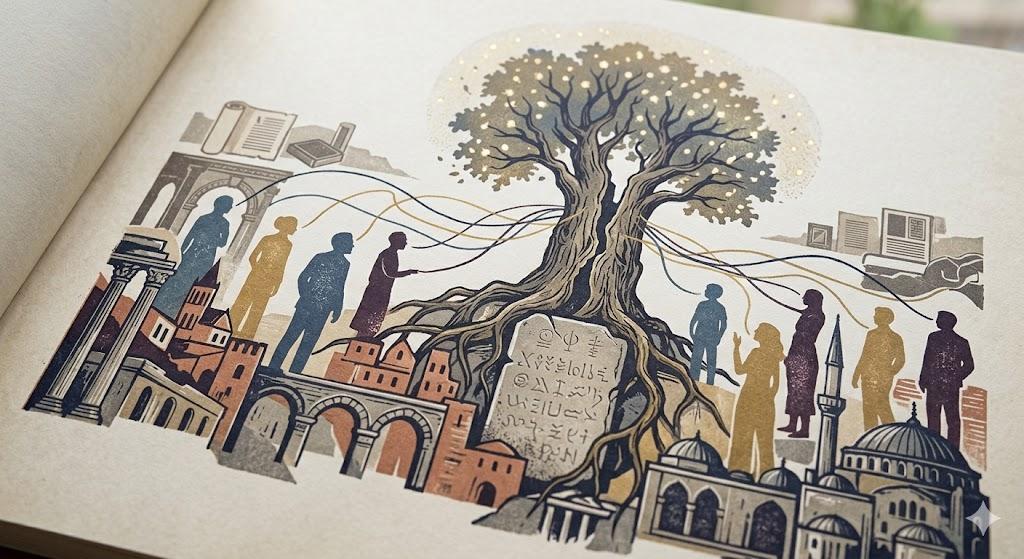
Collective Memory
Collective memory: is a concept that argues the processes of remembering and forgetting by individuals who constitute a society are shaped within a social framework, that memory is constructed through social relations and continuously reproduced.【1】 This approach asserts that memory is not merely a biological function of the individual brain, but that the act of remembering occurs through social cues, materials, and contexts.【2】 First developed in the 1920s by French sociologist Maurice Halbwach
EN
Büşra Tuğa
Urban Anthropology
Urban Anthropology is a subfield of socio-cultural anthropology that examines cultural systems in cities and their interactions at local, regional, and global scales.【1】 Unlike traditional anthropology, which focused on non-modern, primitive, or rural communities, this field centers on complex and industrialized urban structures. Urban anthropology views the city not merely as a physical settlement but as a dynamic habitat where social processes, spatial forms, and ideological representations ar
ENBüşra Tuğa
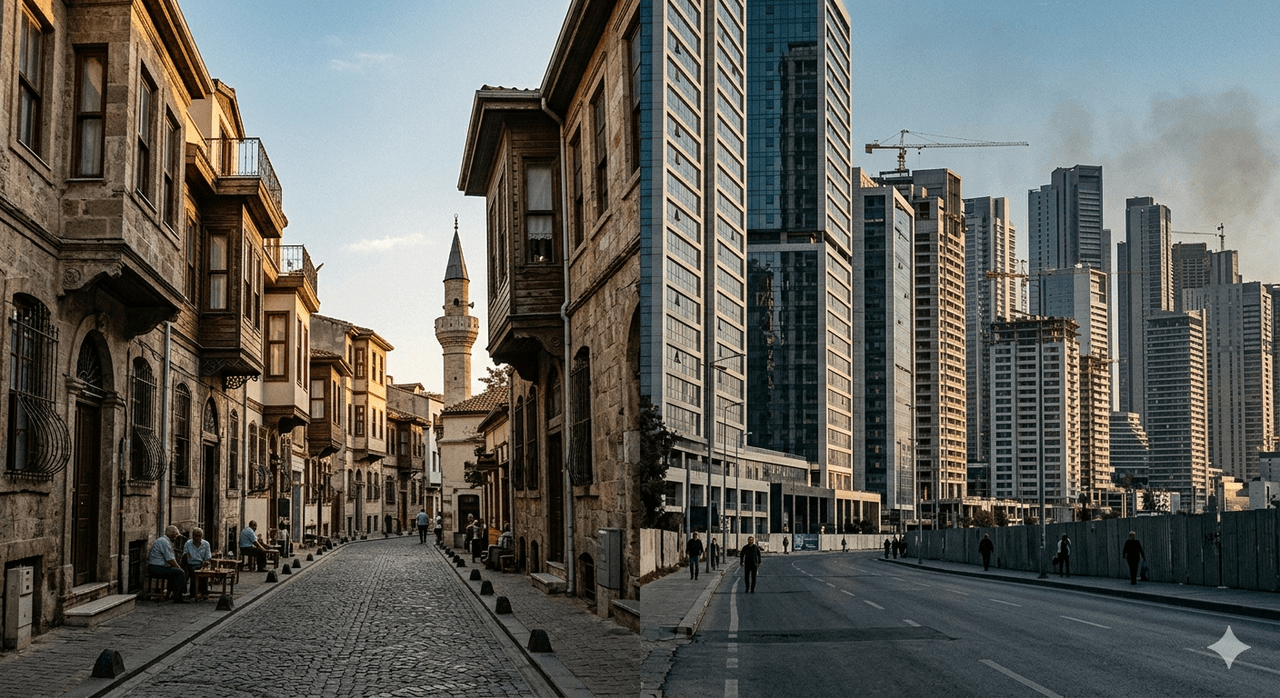
Why Do Cities Lose Their Spirit?
The spirit of cities is defined not only by physical structures and architectural elements, but by the connection it forges with the place’s history, collective memory, and the totality of meanings attributed to the space. The “genius loci” represents the unique identity that distinguishes one city from another and the sense of belonging felt by individuals living in that space. Losing a city’s spirit is the process of severing its physical space from these deep layers of meaning and disrupting
EN
Almina Ecenur Ergünay
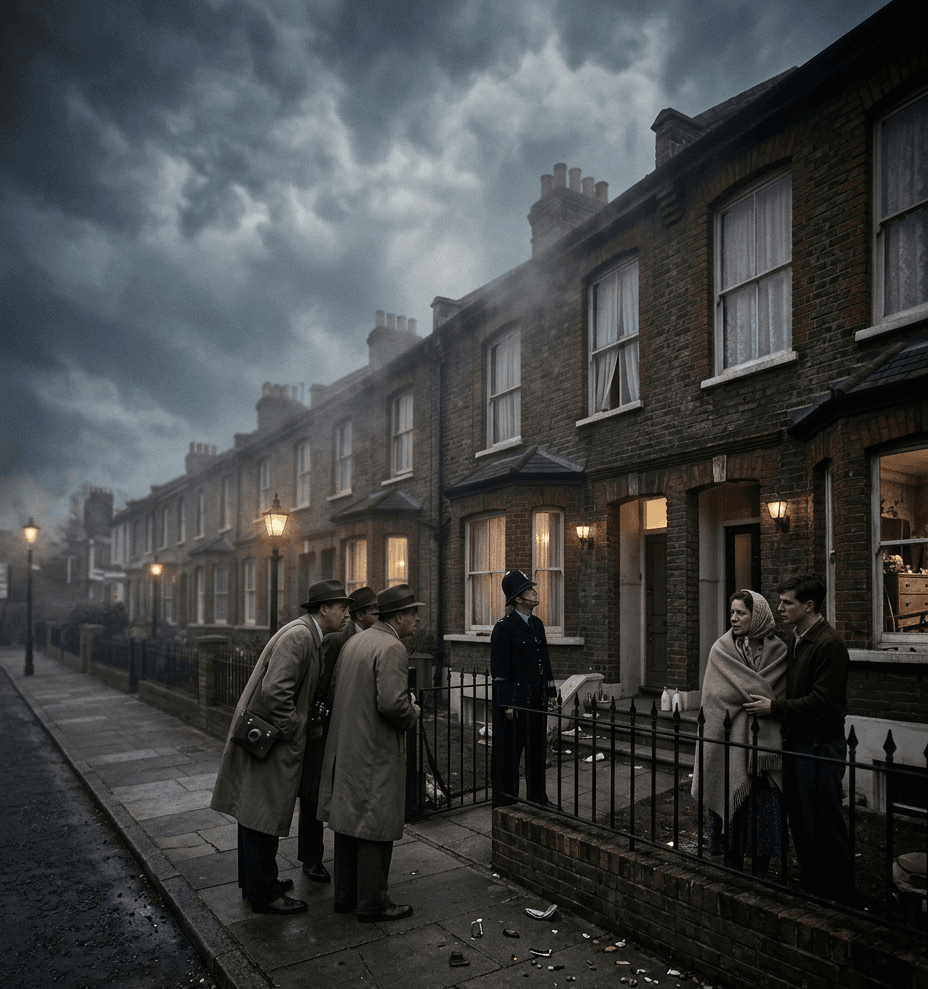
Battersea Poltergeist Case
The Battersea Poltergeist Case, refers to a series of poltergeist phenomena reportedly occurring between 1956 and 1968 at 63 Wycliffe Road in the Battersea district of London, England, in the home of the Hitchings family. The case became one of the most debated poltergeist incidents in the United Kingdom due to the mysterious appearance of Shirley Hitchings, numerous eyewitness accounts, extensive media coverage, and decades-long documentation by paranormal researcher Harold Chibbett. Records of
EN
Nursena Şahin
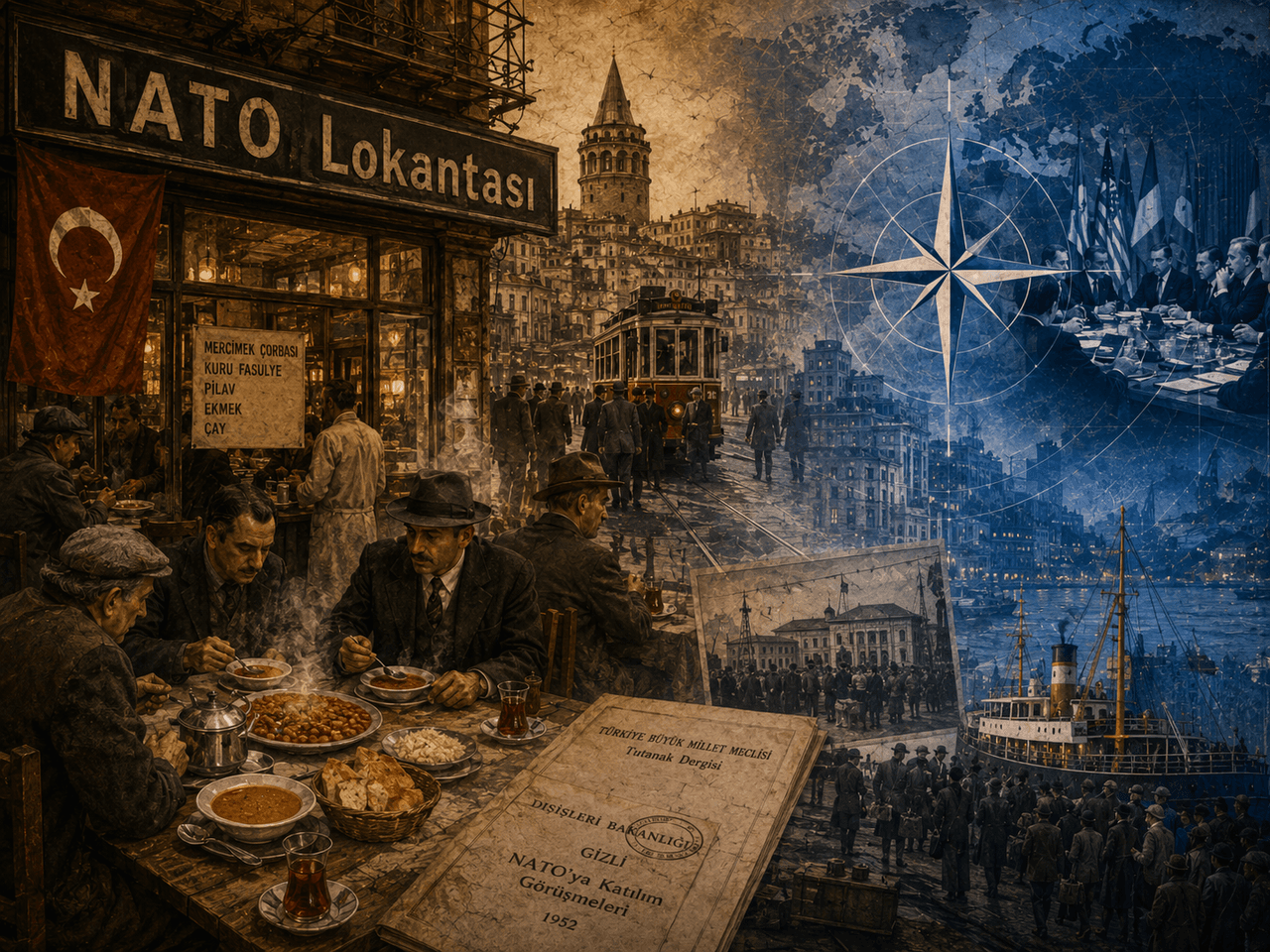
Türkiye's Transformation: "NATO Cafeteria"
A restaurant’s name can sometimes be more than just a commercial choice; it can be a small but meaningful sign reflecting the political and social atmosphere of its time. The NATO Restaurant, operating in Karaköy since 1952, can therefore be seen as something beyond an ordinary local eatery. A lunchtime venue bearing the name “NATO” illustrates how Turkey’s political, social and international transformations during the 1950s permeated everyday life. The year the restaurant opened, 1952, was the
EN
Mehmet Salih Çoban
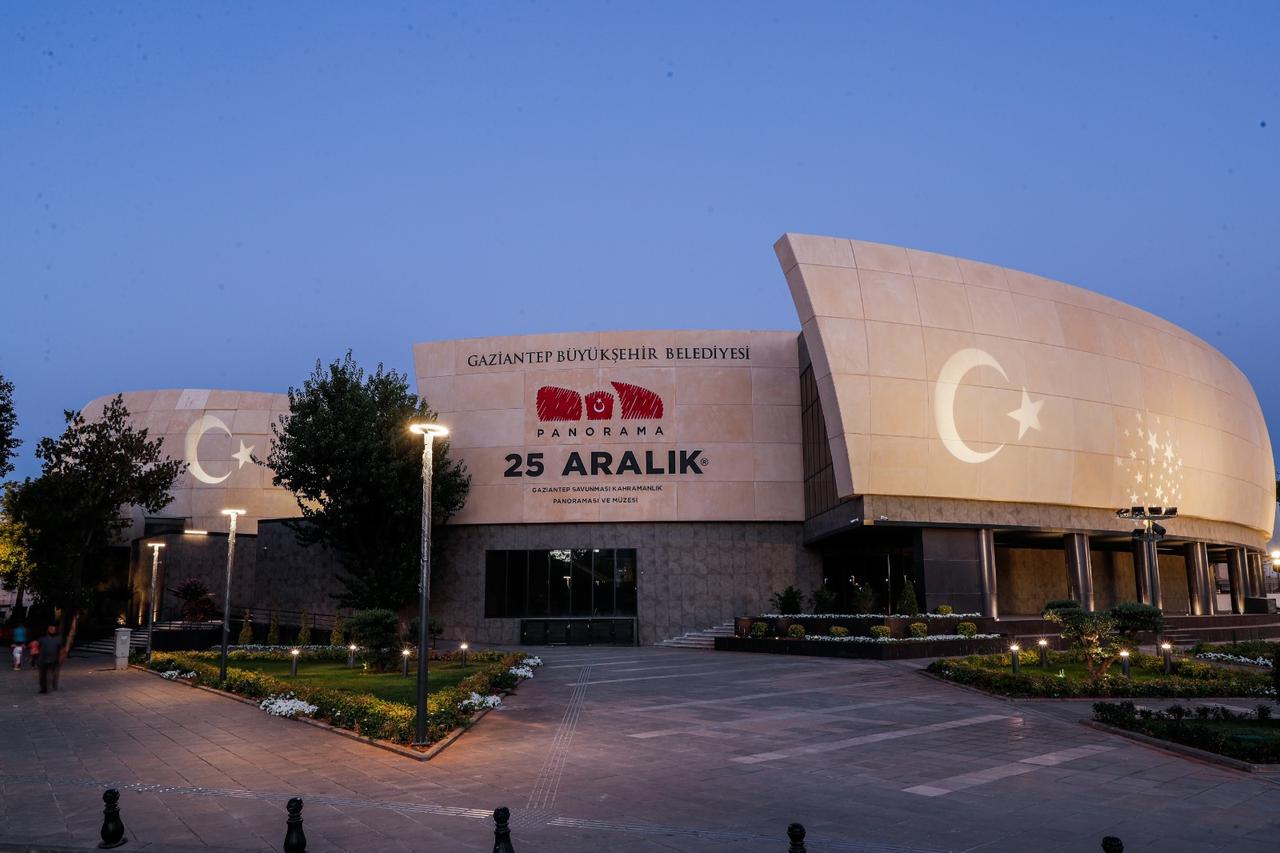
Panorama 25 December Museum
25 December Gaziantep Defense Heroism Panorama and Museum is a cultural and memory space that presents the Defense of Antep during the National Struggle period using panoramic, dioramic, and experiential exhibition techniques. The museum focuses on the process culminating in the withdrawal of French forces from the city on 25 December 1921 and the resistance of the people of Gaziantep. History The museum site is located along the Alleben Stream and was built on a historic structure that served a
EN
Berna Çamur
Berlin Jewish Museum
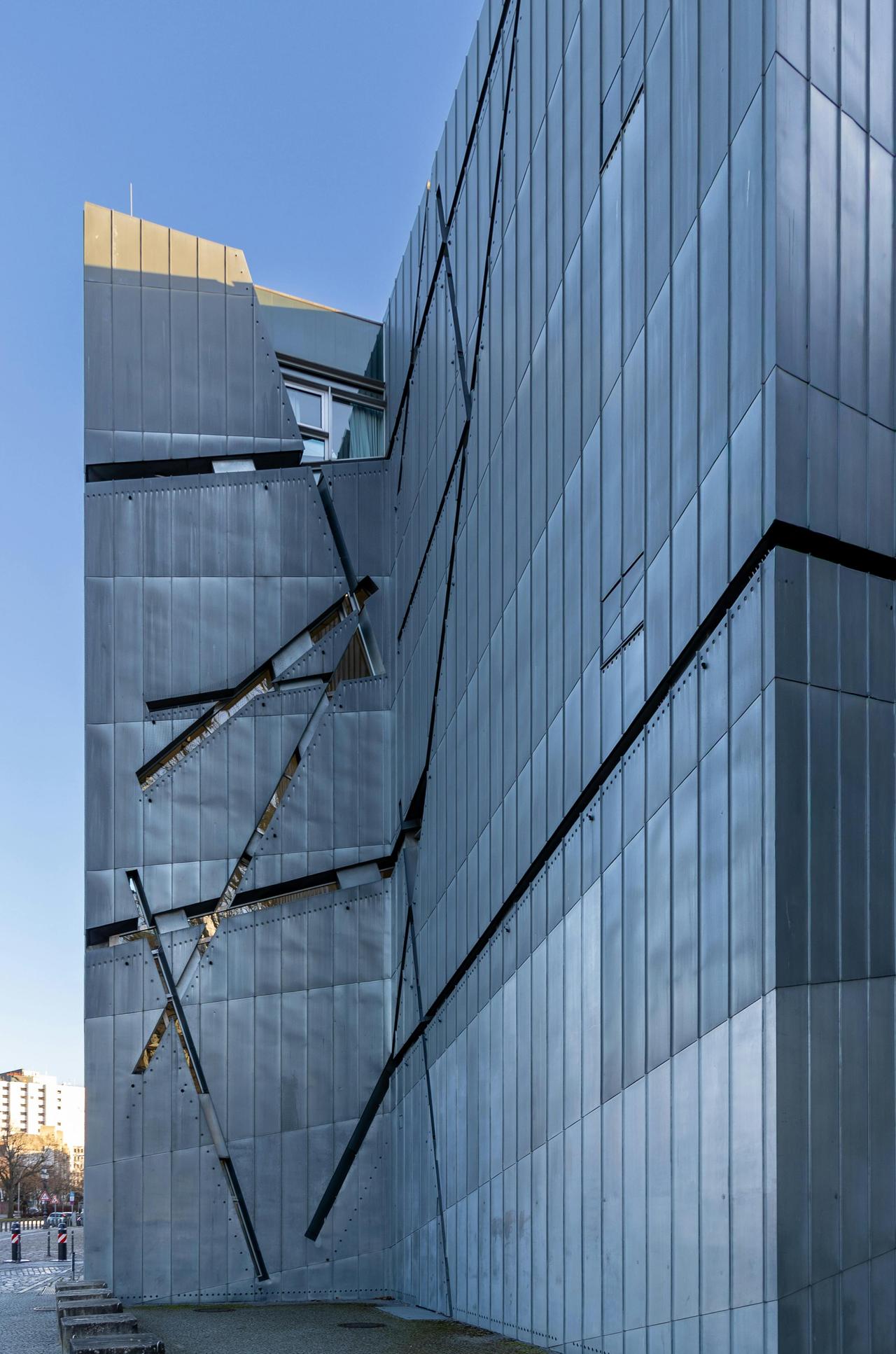
Berlin Jewish Museum is a museum structure designed by German architect Daniel Libeskind that explores Jewish history collective memory and German-Jewish relations through spatial narrative. The building was based on Libeskind’s winning proposal from an international architectural competition held in 1988 and opened to the public in 2001 after a construction process that began in 1992 and lasted nearly a decade.【1】 Key design elements in the museum include fragmented geometries voids linear form
EN
mesude zor