


This article was automatically translated from the original Turkish version.
Province | Rize | ||||||||
|---|---|---|---|---|---|---|---|---|---|
District | Güneysu | ||||||||
Elevation | Approximately 1800 m | ||||||||
Distance | Approximately 25 km from the Güneysu district center | ||||||||
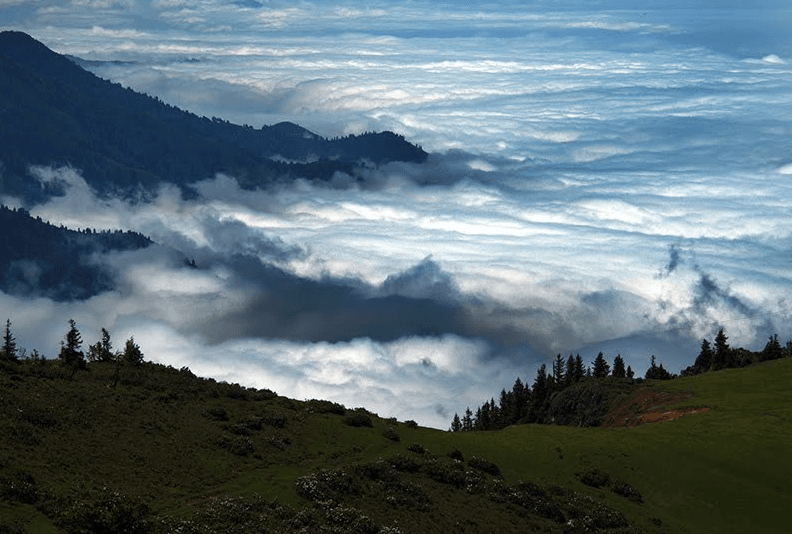
Handüzü Yaylası is located within the boundaries of Güneysu district in Rize province, in Türkiye’s Black Sea Region. This plateau lies approximately 25 kilometers from the district center, at an elevation of about 1800 meters above sea level in the highlands of the Eastern Black Sea Mountains. The settlement is situated southeast of Güneysu, adjacent to mountainous areas bordering Çayeli.
Handüzü Yaylası forms part of the high plateau system of the Güneysu valley. Surrounded by rich water sources, mountain streams, dense forest cover, and high-altitude meadows, Handüzü Yaylası is among the areas where traditional transhumance practices continue.
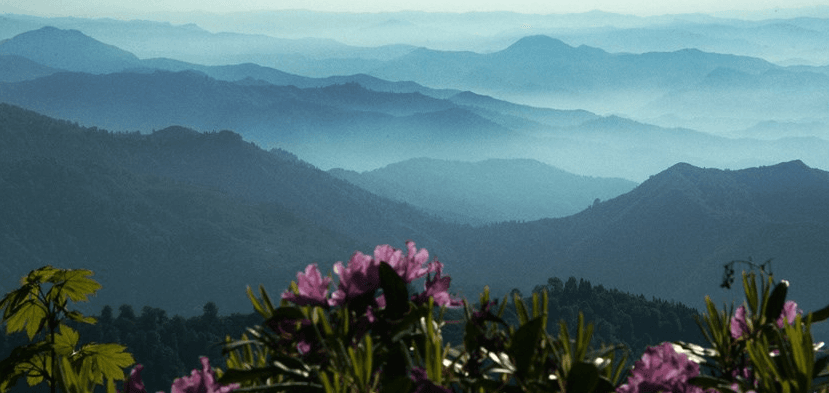
Photo of Handüzü Yaylası (Guneysu)
Handüzü Yaylası exhibits the cool and humid variant of the Black Sea climate at high elevations. Even during summer months, temperatures remain mild; daytime highs rarely exceed 20–25°C, while nighttime temperatures can drop below 10°C. Annual precipitation is high, and the plateau is frequently enveloped in dense fog. This meteorological characteristic is one of the main factors sustaining the region’s rich vegetation cover.
The surrounding meadows and pastures are well suited for seasonal livestock farming. Forested areas contain tree species such as fir, silver fir and beech. Spring and summer wildflowers add a vibrant natural color palette to the plateau. The region also boasts rich biodiversity, with various bird species and mammals including lynx, fox and bear inhabiting the surrounding areas.
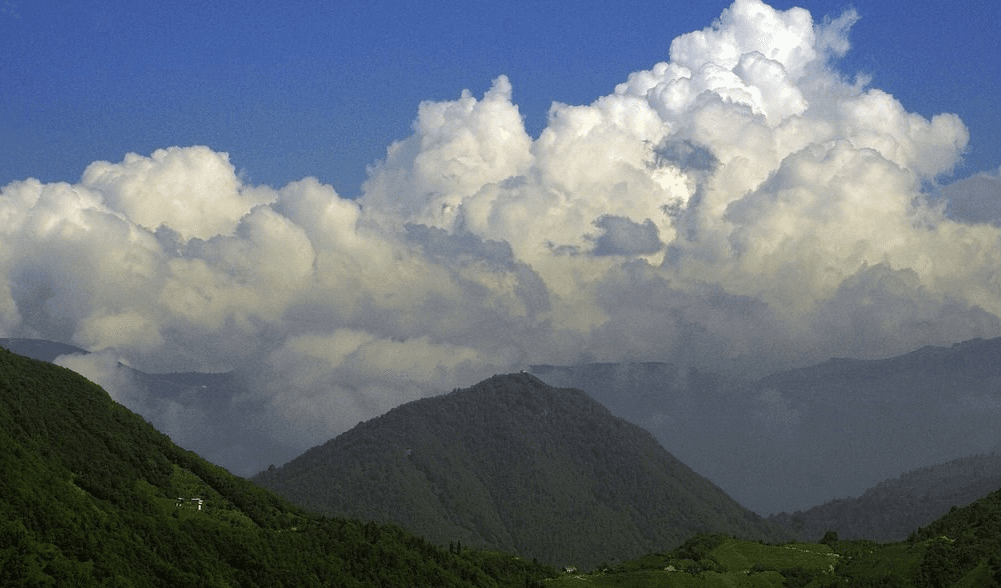
Photo of Handüzü Yaylası (Guneysu)
Handüzü Yaylası is one of the enduring sites of Rize’s traditional transhumance culture. Transhumance activities have been shaped by seasonal migrations dating back to the Ottoman period. The local population residing in Güneysu and nearby villages ascend to the plateau at the end of spring and beginning of summer to engage in livestock rearing and beekeeping.
The shepherd huts built on the plateau are typically wooden structures resting on stone foundations. This architectural tradition evolved in response to the region’s available materials and climatic conditions. Families spend the summer months in these dwellings, maintaining their traditional way of life.
Moreover, Handüzü Yaylası historically held an important position as a route connecting migration paths and seasonal settlements. Today, ancient shepherd trails still serve as natural routes linking Handüzü to neighboring plateaus such as Ambarlı, Başköy and Yukarı Durak.
Handüzü Yaylası, under the jurisdiction of Güneysu, is also known for the annual Handüzü Plateau Festivals held in July. Organized with contributions from the Rize Governorship, Güneysu Municipality and various local associations, the event serves as a cultural gathering for both regional residents and visitors from neighboring provinces.
The festival features horon dance performances, musical recitals accompanied by tulum and kemençe, local product stalls and traditional competitions. These activities also promote the region’s culinary culture, including dishes such as cabbage soup, mıhlama and corn bread. The Handüzü Festivals play a vital role in preserving regional cultural continuity and transmitting it to younger generations.
Access to the plateau is provided via private vehicles or off-road vehicles from Güneysu district center. The road has been improved in recent years to allow vehicle passage during summer months. However, during winter, natural events such as snowfall and landslides can occasionally disrupt access.
Handüzü Yaylası attracts nature lovers, campers and photographers as a destination for plateau tourism. Although there are no large-scale accommodation facilities in the area, shepherd huts and tent camping sites meet visitor needs. Electricity and limited mobile signal are available, but internet access remains largely restricted. This makes the plateau an appealing destination for those seeking digital disconnection and direct immersion in nature.
Handüzü Yaylası offers an ideal environment for ecotourism activities such as hiking and mountain biking. The ridge lines and valley interiors surrounding the plateau provide hiking trails of varying difficulty levels. The plateau is also particularly attractive to photographers during summer months, when fog creates dramatic visual atmospheres between the mountains.
In addition, its rich flora and fauna make it an important observation site for botany enthusiasts and birdwatchers. Small-scale sustainability initiatives have been launched in the region to ensure the conservation of natural resources while promoting compatible tourism practices.
The plateau’s growing popularity in recent years has brought increased tourism pressure. This situation has led to various environmental threats, including unplanned construction, waste accumulation and increased motor vehicle use. Especially during festivals, the plateau’s ecosystem is vulnerable to damage due to heavy human activity.
Local authorities and civil society organizations are conducting awareness campaigns to mitigate these threats. These include garbage collection initiatives, environmentally friendly infrastructure projects and efforts to preserve traditional architecture.
Güneysu Belediyesi. *Handüzü Yaylası.* Accessed April 20, 2025.https://www.guneysu.bel.tr/Sayfa/handuzu_yaylasi-106.html
Güneysu Kaymakamlığı. *Handüzü Yaylası.* Accessed April 20, 2025.http://guneysu.gov.tr/handuzu-yaylasi

Province | Rize | ||||||||
|---|---|---|---|---|---|---|---|---|---|
District | Güneysu | ||||||||
Elevation | Approximately 1800 m | ||||||||
Distance | Approximately 25 km from the Güneysu district center | ||||||||
Climate, Topography and Ecosystem
Historical and Cultural Context
Handüzü Plateau Festivals
Access and Tourism Infrastructure
Ecotourism and Nature Sports Potential
Conservation Efforts and Sustainability Challenges