

`iconography` Related Article Results
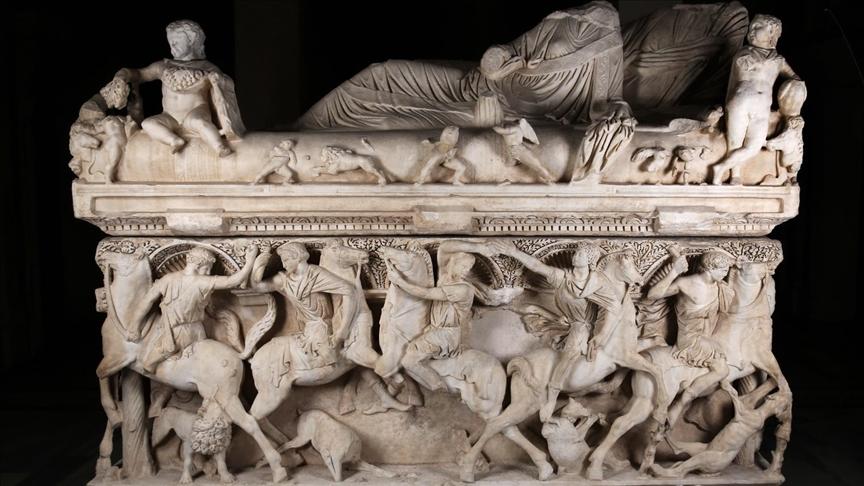
Sidamara Lahdi
Sidamara Sarcophagus is one of the largest marble sarcophagi from the Roman Imperial period in Anatolia. The artifact was discovered near Ambar Village in the Ayrancı district of Konya Province, in the ancient settlement known as Sidamara in historical sources. Its discovery dates to the last quarter of the 19th century. Initial examinations of the site revealed the sarcophagus partially buried in soil and firmly set in place. Efforts by museum officials of the period initiated relocation work t
EN
Sümeyye Akkanat Terzioğlu
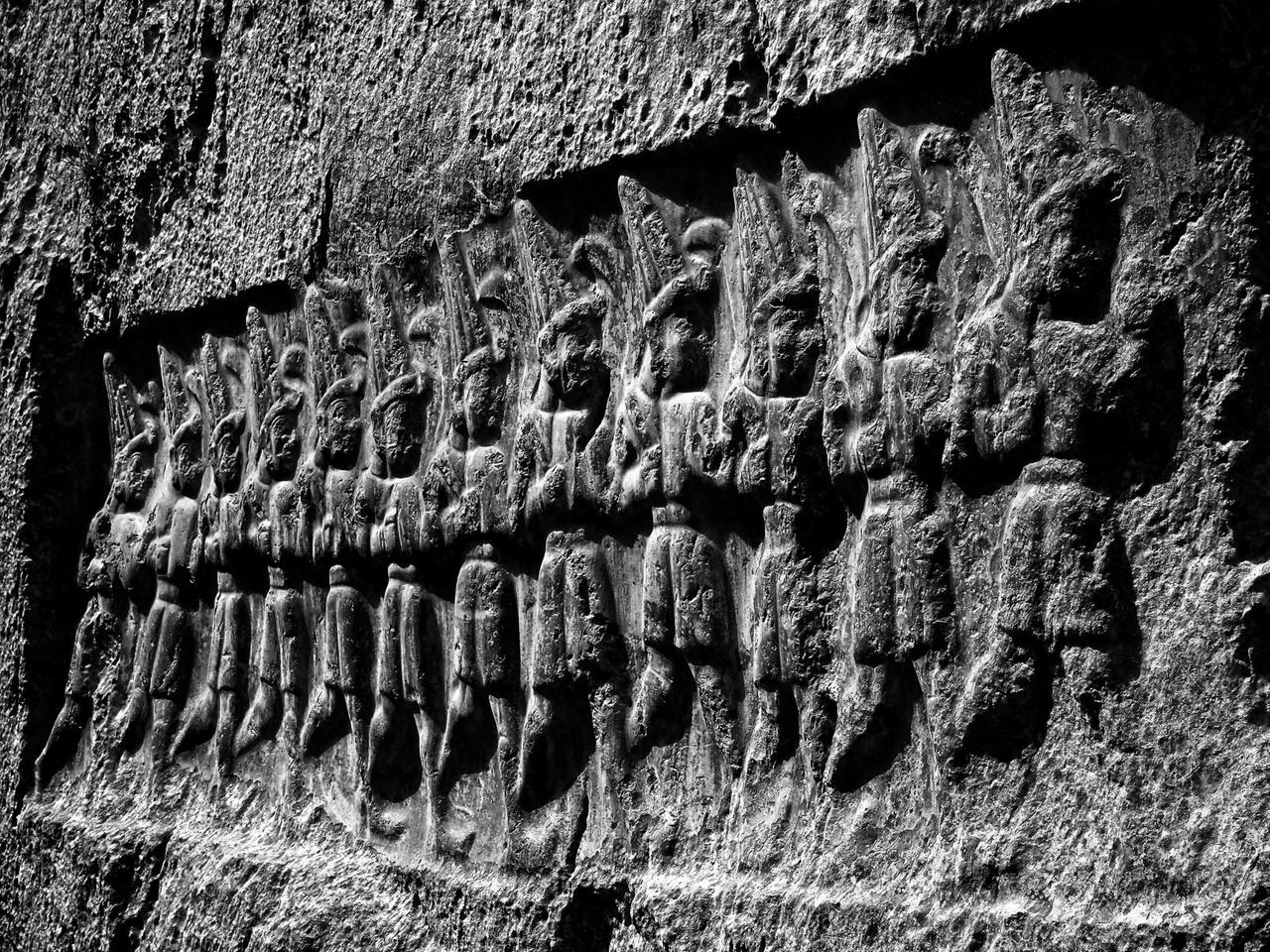
Hittite Art
Hittite art is one of the most powerful religiously grounded artistic traditions in Anatolia. For the Hittites, art was not merely an aesthetic expression; it was a means to make the presence of the gods visible, to solidify ritual practice, and to sanctify social order. Therefore, understanding Hittite art is equivalent to understanding their religion and mythological worldview. Artistic production was constructed entirely upon the foundations of worship, ritual, and divine representation. The
EN
Meryem Şentürk Çoban
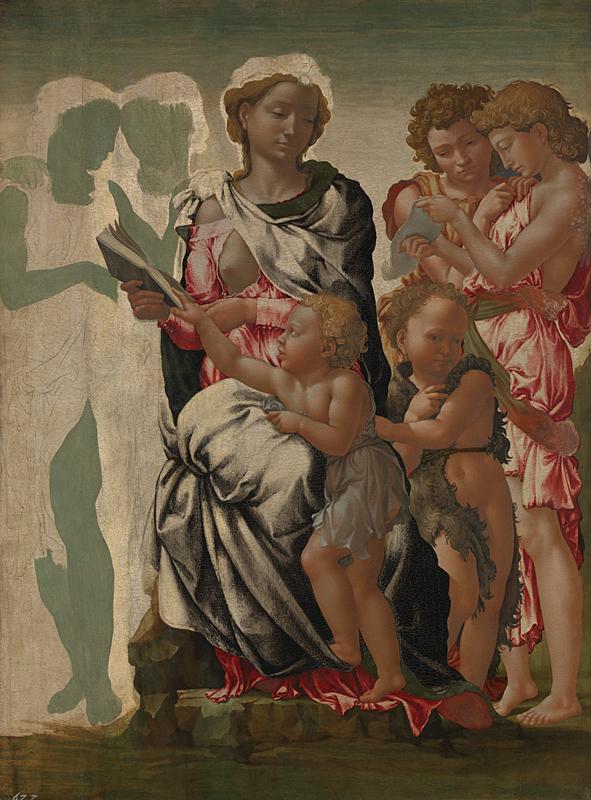
Madonna from Manchester (Painting)
The Manchester Madonna, attributed to the Italian Renaissance artist Michelangelo Buonarroti, is an unfinished panel painting executed in egg tempera on poplar wood. The work has been popularly known by this name since it was exhibited in 1857 at the Great Manchester Exhibition (Manchester Art Treasures Exhibition). Dating approximately to 1494–1497, it is considered one of the earliest surviving paintings by the artist.【1】 Historical Context Michelangelo received training in drawing and composi
EN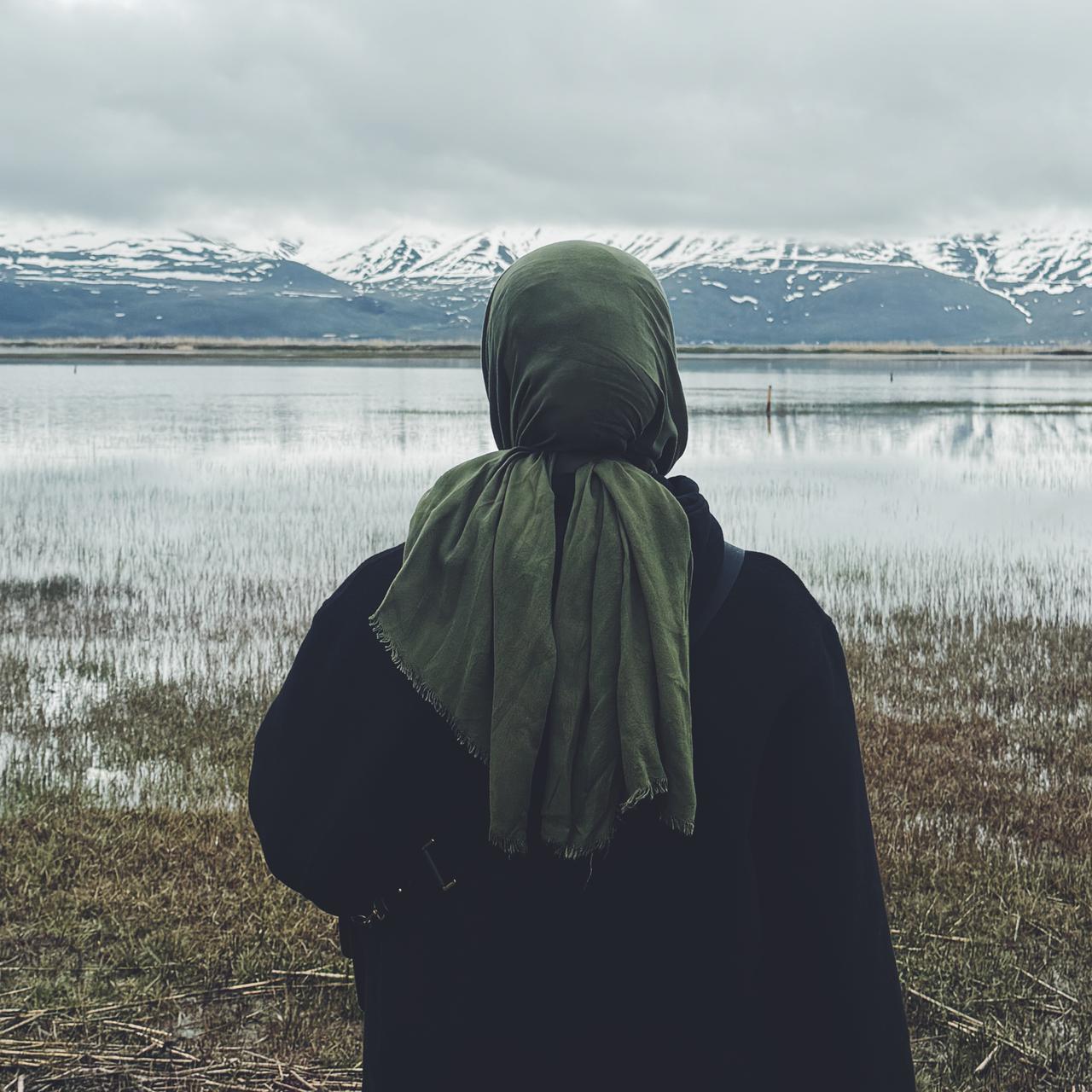
Cemile YAKAÇ
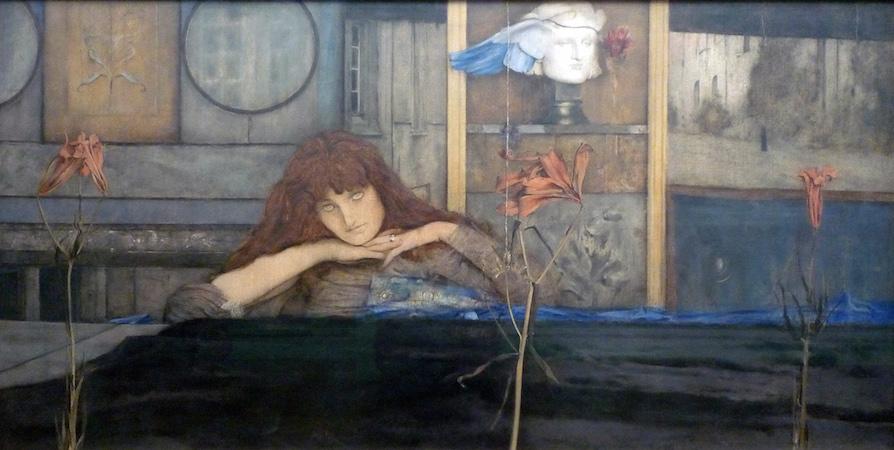
I Lock My Door Upon Myself (Painting)
I Lock My Door Upon Myself, a painting by Belgian artist Fernand Khnopff, was executed in 1891 using the oil technique on canvas. The work is analyzed within the context of the artist’s symbolist production and is regarded as one of the pieces in symbolist painting that moves away from figurative narrative and emphasizes symbolic structure.Beth Harris ve Steven Zucker, “Fernand Khnopff, I Lock My Door Upon Myself,” Smarthistory, Erişim Tarihi: 18 Ocak 2026, https://smarthistory.org/khnopff-i-loc
EN
Seren Yanık
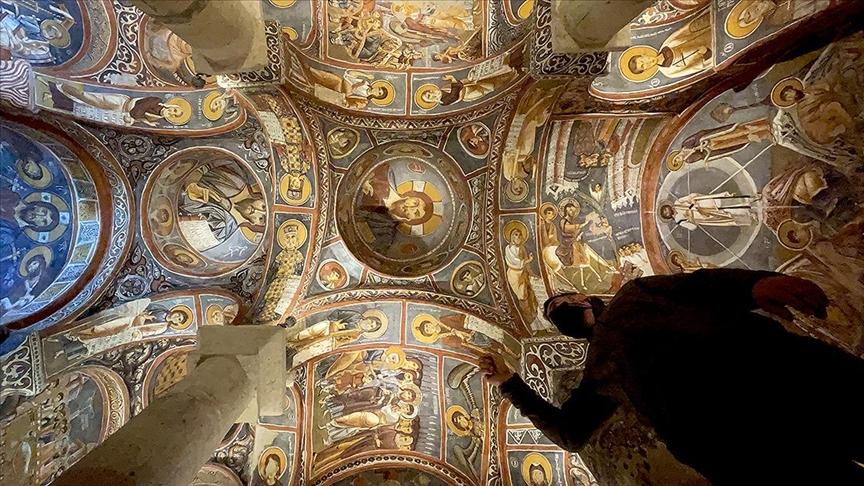
Göreme Open-Air Museum
Göreme Açık Hava Müzesi is a rock-cut settlement located 2 kilometres east of the town of Göreme in the province of Nevşehir, which served as a major center for monastic life from the 4th to the 13th century AD. T.C. Kültür ve Turizm Bakanlığı, “Göreme Açık Hava Müzesi-Nevşehir,” Türkiye Kültür Portalı, erişim tarihi 20 Ocak 2026, https://www.kulturportali.gov.tr/turkiye/nevsehir/gezilecekyer/goreme-acik-hava-muzes ">【1】 Carved into volcanic rock, this complex was a significant religious cent
EN
Yaren Karadeniz
 Th
ThThoth
One of the oldest and most complex figures in the Egyptian pantheon, Thoth (in Egyptian: Dhwtj) is a god associated with wisdom, writing, science, magic, art, and judgment. He typically served as the scribe and vizier of the gods. He also assumed various roles as a lunar deity, a creator god, and a warrior. Thoth endured across a vast chronological span from the earliest periods of Egyptian history through the Roman era and, during the Hellenistic period, transformed into the figure of Hermes Tr
ENYunus Emre Yüce
ChChurch of Çarıklı
Çarıklı Kilise is a part of the monastic complex located within the boundaries of the Göreme Open Air Museum, approximately 10 kilometers from the city center of Nevşehir, near the district of Ürgüp in the Göreme Valley, Türkiye. The church is carved into the natural rock on the southern slope of the museum area and is accessed via a later-added iron staircase leading to an entrance situated about five meters above the monastic courtyard. It is believed to have been built under the patronage of
EN
Melike Saraç
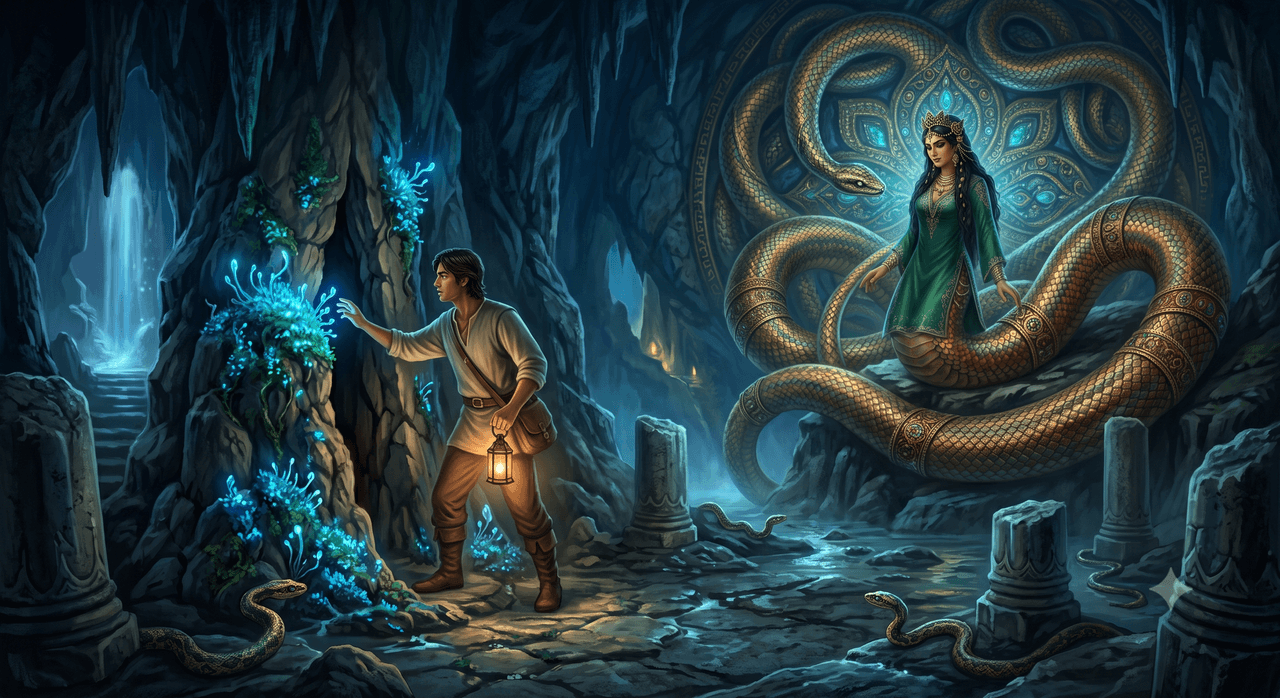
Shahmaran (Shahmeran) Legend
The Shahmaran Legend; a traditional narrative cherished and preserved through oral and written cultural traditions within Turkish storytelling, reaching the present day in various forms.【1】 The mythical creature known as Shahmaran or Shahmeran, described as having a human head—largely female—and a serpent’s body, derives from the Persian expression “Shah-i Mârân,” meaning “king of serpents.” In Semitic legends, this being is referred to as “Yamliha,” a name carrying the meanings “to rule” or “to
ENTalha Yıldırım
Good Shepherd (Fresco)
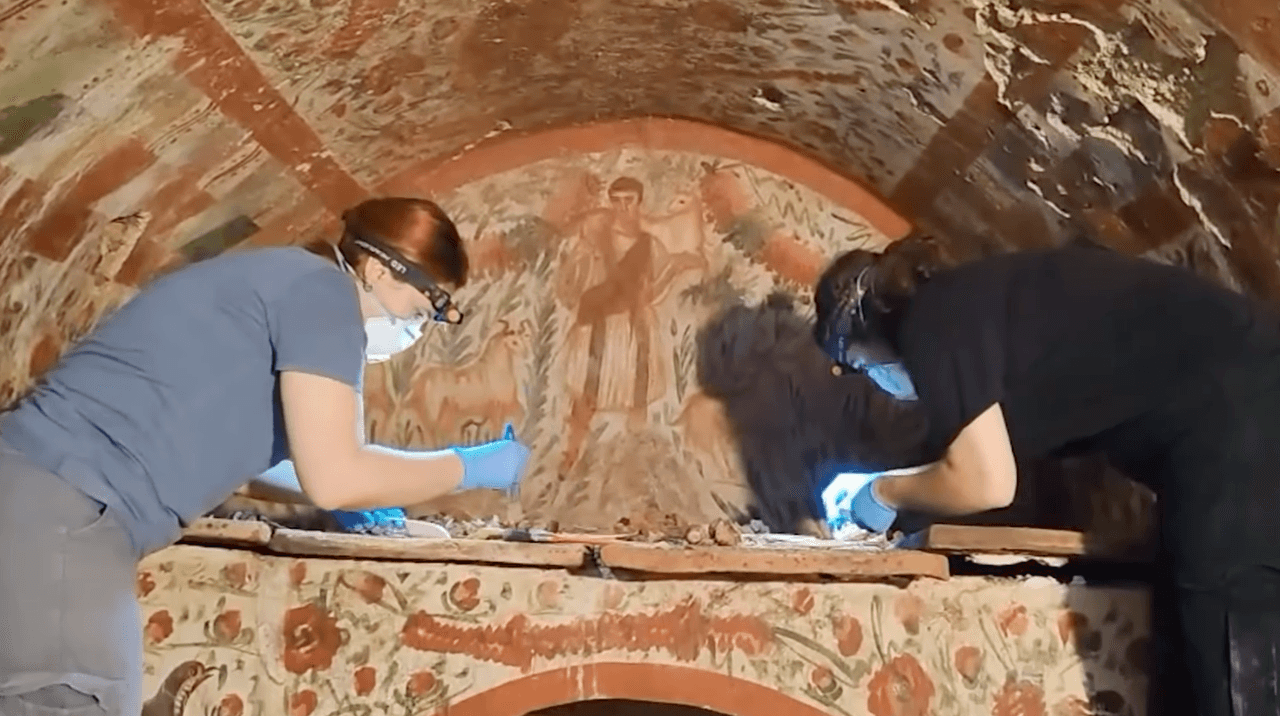
The Good Shepherd Fresco is a wall painting composition dating to the early Christian period, uncovered in 2025. The fresco, dated to the 3rd century, is located in a burial chamber whose north wall is richly decorated and depicts Jesus Christ as a young, beardless figure carrying a large horned ram on his shoulders. The Good Shepherd Fresco, Excavation Work (Panoramanews) " image-alternate="" image-element-format="right"> Archaeological Findings The Good Shepherd fresco was discovered in a b
EN
Nazlı Kemerkaya