

`historicalheritage` Related Article Results
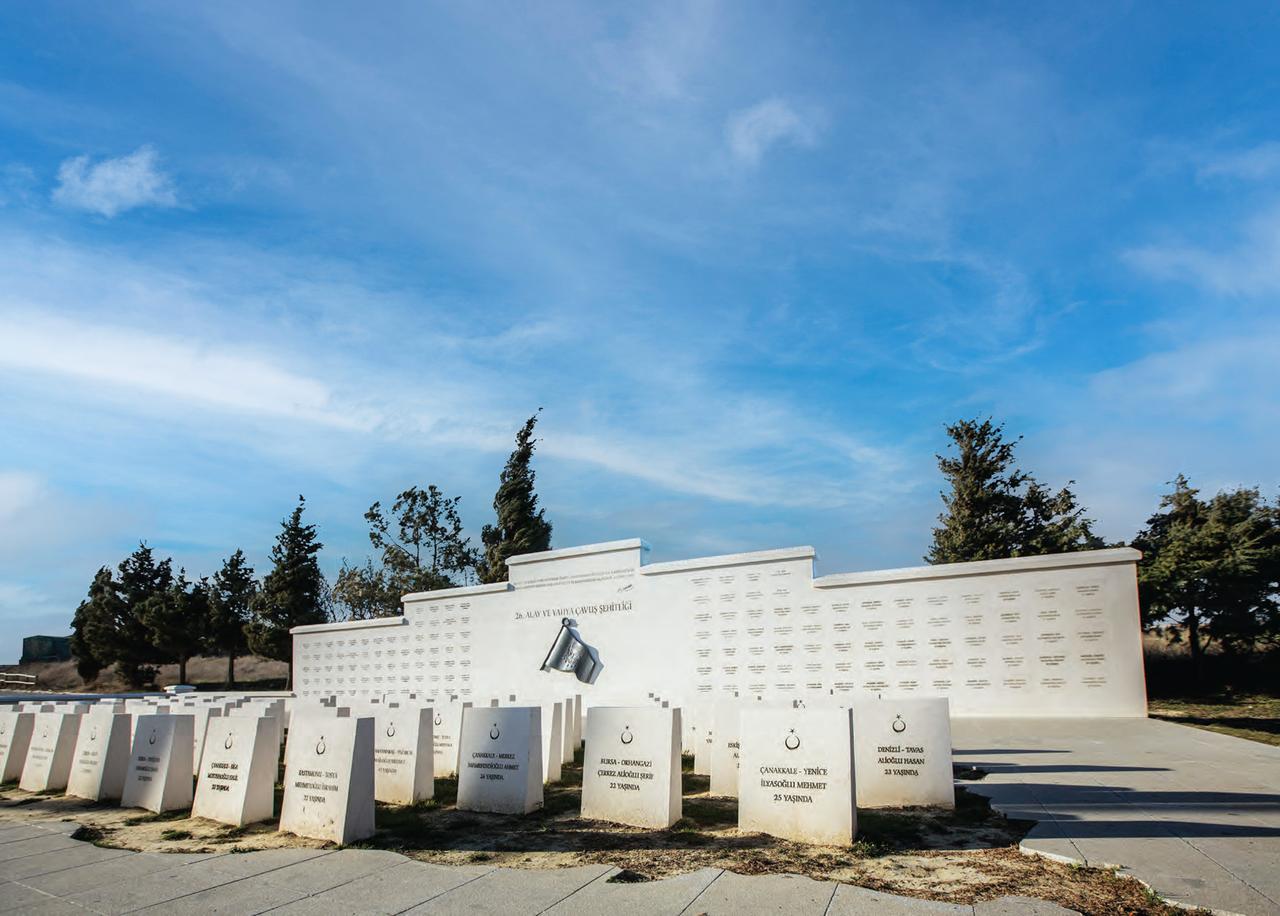
Yahya Çavuş Martyrdom
Yahya Çavuş Martyrdom Site is a memorial built in honor of the soldiers who lost their lives defending Ertuğrul Bay during the Gallipoli Campaign. The site is located directly opposite the Ertuğrul Battery. Constructed by the Ministry of Culture in 1992, this monument commemorates the Turkish soldiers of the 3rd Battalion of the 26th Regiment of the 9th Division who defended Ertuğrul Bay during the landing on 25 April 1915.【1】 Historical Background and Battle Process On 25 April 1915, as part of
EN
Gözde Cabadak
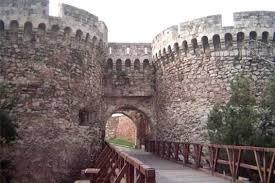
Kormas (İncekaya) Castle
Kormas Castle, also known as İncekaya Castle, is a historical fortress located in İncekaya (Kormas) Village, within the Şirvan district of Siirt province. yer This fortress, dated to the Byzantine period, represents an example of the archaeological and architectural heritage of Southeastern Anadolu Region. Situated on a hill commanding the surrounding landscape, approximately 10 kilometers from the Şirvan district center, the castle stands out as a structure designed for both defense and surveil
EN
Yunus Emre Sağlam
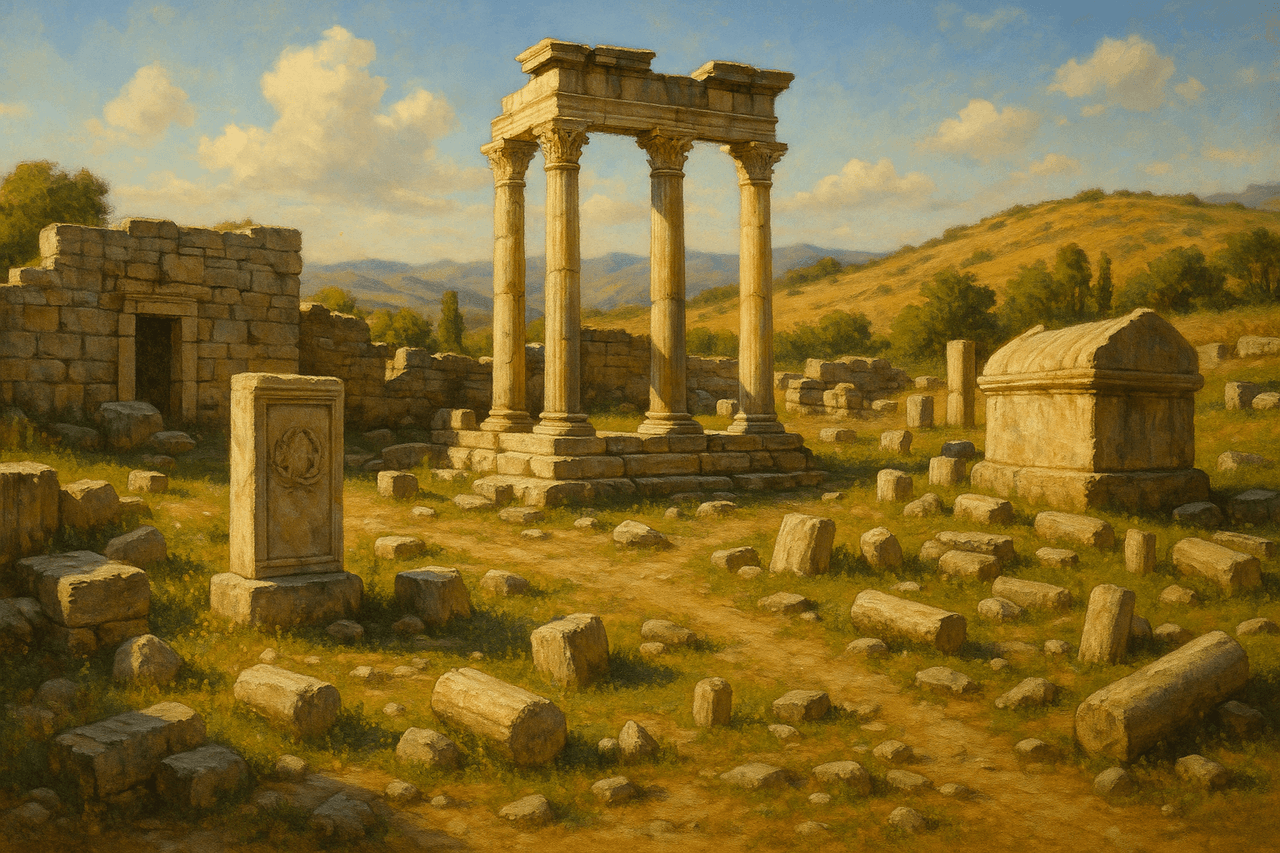
Ancient City of Akmonia
Akmonia Ancient City is a very ancient settlement located near Ahât Village in the Banaz district of Uşak Province. This city lies in the western part of the ancient region known as Phrygia. Akmonia was an important urban center inhabited during the Hellenistic Roman and Byzantine periods. Thanks to modern research in the area much information about the city has been uncovered. This site is officially protected as an archaeological area by the Ministry of Culture and Tourism of the Republic of T
EN
Yusuf İslam Tuğla
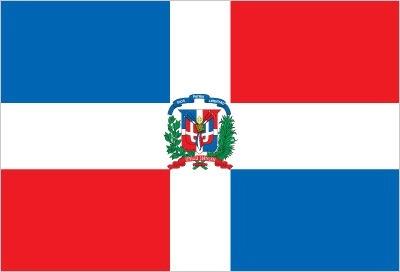
Dominican Republic
The Dominican Republic is a state shaped by centuries of colonialism, cultural mixing, and regional competition, occupying the eastern portion of the island of Hispaniola in the heart of the Caribbean. Its geographic position at the intersection of European, African, and Caribbean routes made it a strategic port and transit hub during the colonial era, and in the modern age it has become one of the Caribbean’s most dynamic centers through stable economic growth, tourism, and a robust services se
EN
Berk Büyükarslan
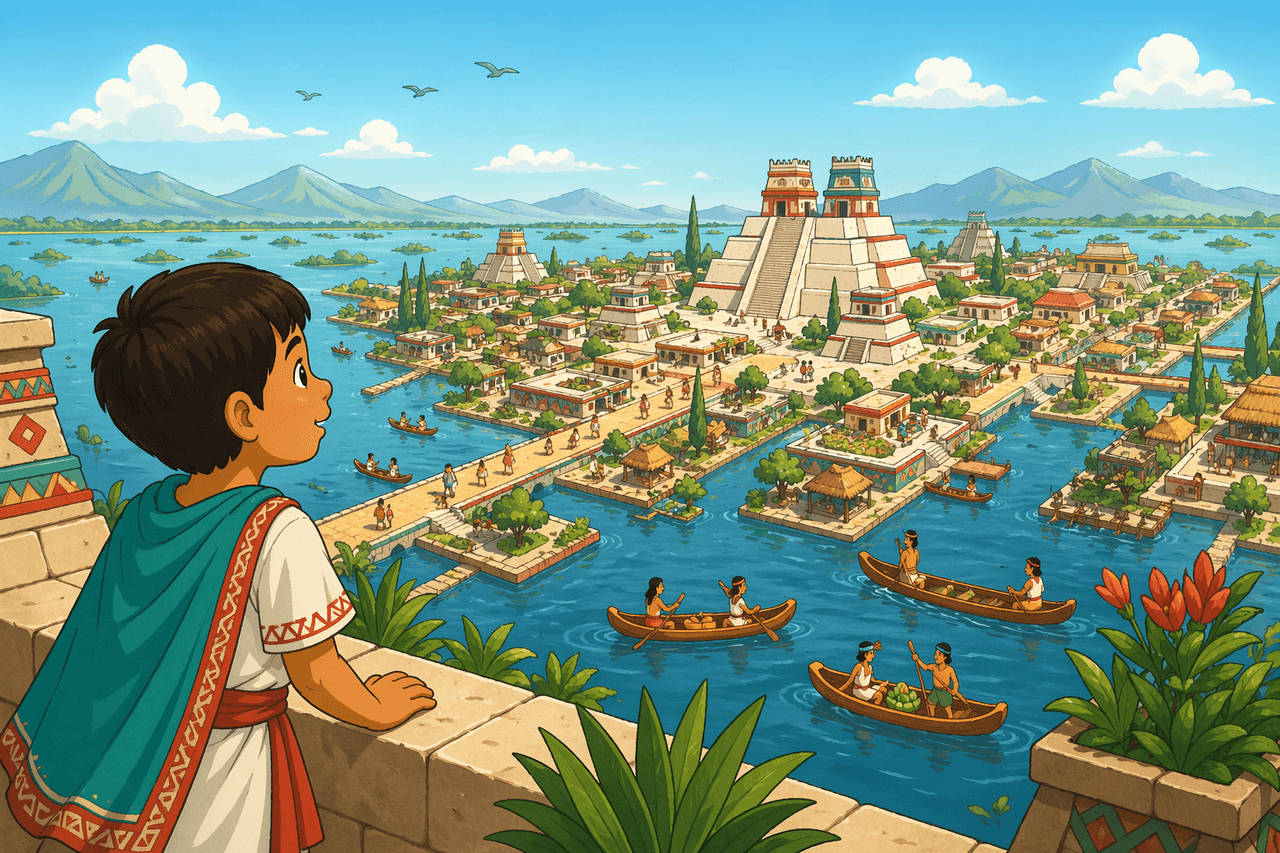
Aztecs: The Story of a Mysterious Civilization
The Aztecs were a powerful people who lived in central Mexico approximately 500 to 700 years ago. They were not only warriors but also highly skilled engineers, farmers, and artists. They are also the ones who introduced to the world many foods we eat today, such as chocolate and tomato. Who Were the Aztecs and Where Did They Live? The Aztecs were a nomadic group who called themselves "Mexica" (Meshika). According to legend, their gods told them to build a city where they saw an eagle devouring
EN
Ecren Parmaksızoğlu
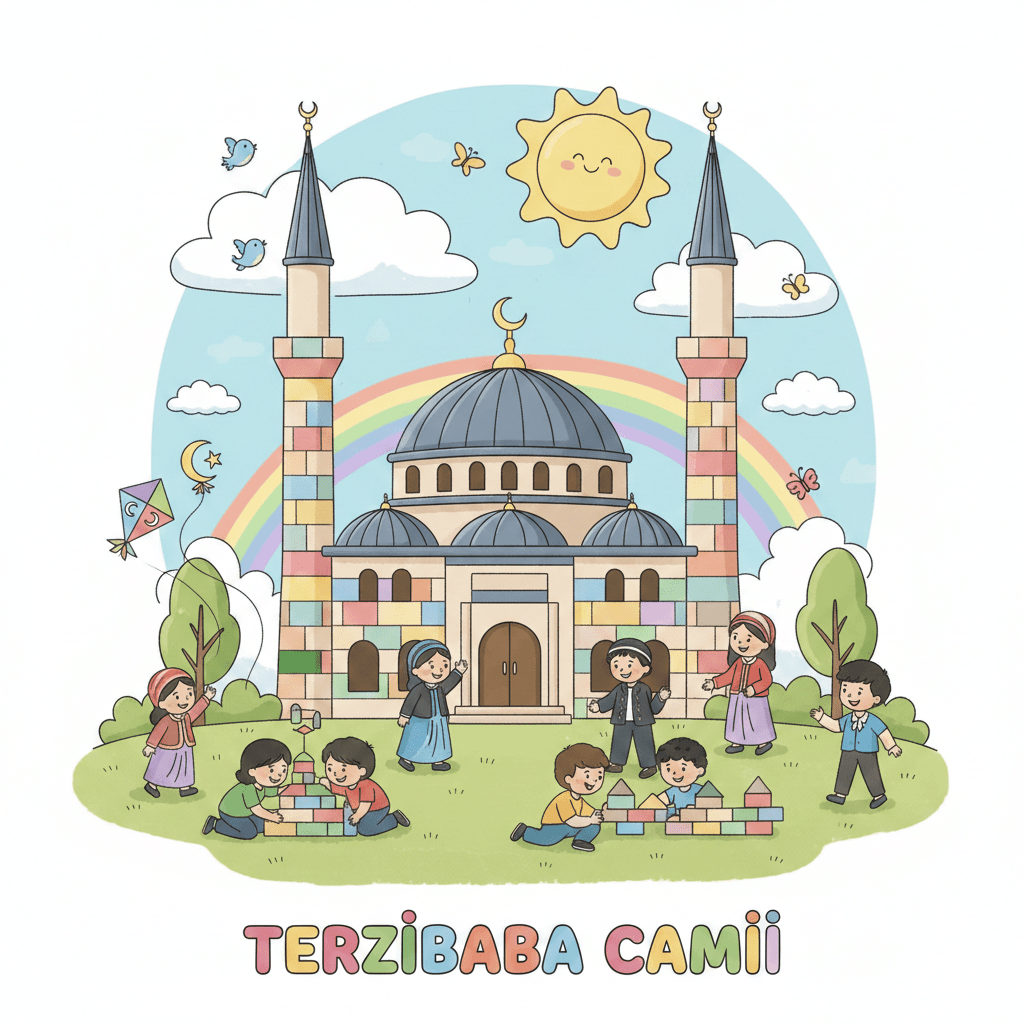
Terzi Baba
Have you ever heard of someone who sewed clothes while also diving into deep thoughts? Erzincan’s most beloved figures, Terzi Baba, was exactly such a person. His life was a warm story built on kindness and humility. Who Was Terzi Baba? Terzi Baba’s real name was Muhammad Vehbi, and he was a highly respected figure who lived in the 18th century. Are you curious why he was called “Terzi Baba”? The answer is quite simple: He earned his living by tailoring, stitching fabrics into beautiful garments
ENSude nur Akgüneş
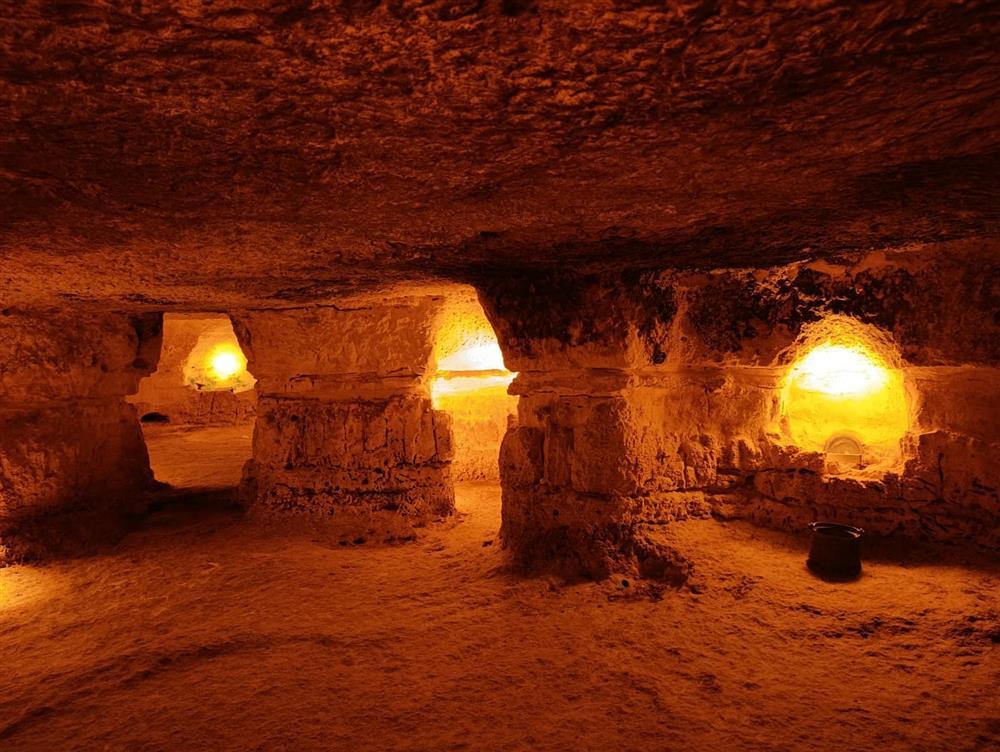
Midyat Caves
Mardin’s Midyat district hides a vast underground world directly beneath your feet. Do you know about this mysterious place? Its name is Matiate Underground City. This is an ancient subterranean world filled with corridors, tunnels, and hidden chambers, dating back thousands of years. What Does Matiate Mean and Where Is It? "Matiate" is the ancient name of Midyat from thousands of years ago. This massive city lies beneath the Ulu Cami neighborhood in the area known as Estel, within Midyat distri
EN
Amine Öztürk
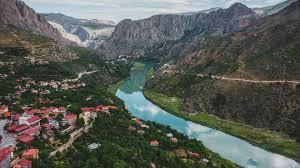
Kemaliye (District)
Kemaliye, formerly known as Eğin, is a district notable for its historical and cultural richness, located on the banks of the Karasu River in the southwest of Erzincan Province. East Anatolia Situated on the northwestern boundary of the region, place Kemaliye lies within the Karasu Valley to the west of the Munzur Mountains. History The history of Kemaliye extends back to the 4th century AD. As part of the Byzantine Empire, region it was subjected to raids by Muslim Arabs in the 7th century. Wit
EN
Ahsen Güneş
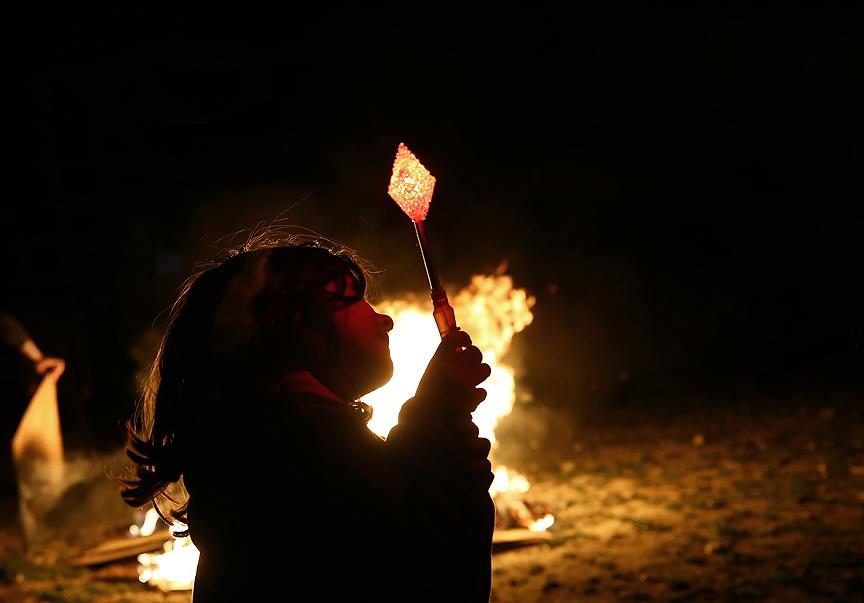
Fener Alayı
The lantern parade is a ceremonial and festive event conducted collectively on specific days and nights such as holidays and celebrations, in which participants walk through public spaces carrying light sources (lanterns, torches, etc.). It is defined as a nocturnal communal activity held to mark occasions related to celebration, commemoration, or the religious-cultural calendar. The lantern parade functions both as a ritual repeated annually at fixed times within local traditions and as an elem
EN
Meryem Şentürk Çoban
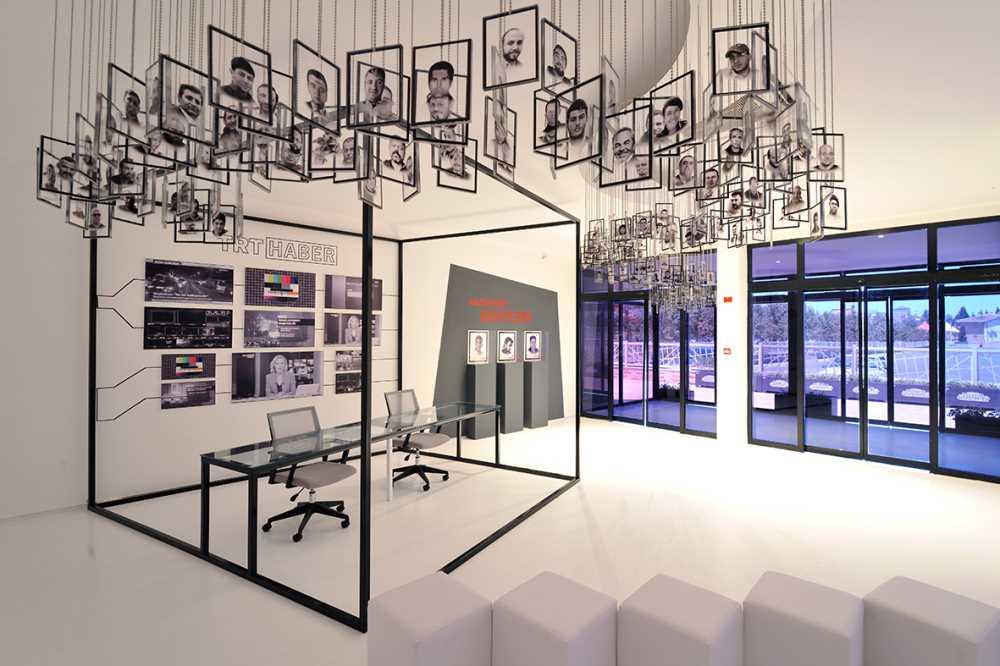
Gaziantep 15 July Democracy Museum
The Gaziantep 15 July Democracy Museum is a museum designed to convey to visitors the events of the July 15, 2016 coup attempt, the public’s resistance, and the subsequent developments through thematic sections, digital technologies, and audiovisual storytelling methods, with the aim of preserving collective memory and transmitting it to future generations. Establishment and Purpose The museum was established to document the events of the night of the July 15, 2016 coup attempt, sustain collecti
EN
Berna Çamur