Ancient City of Akmonia
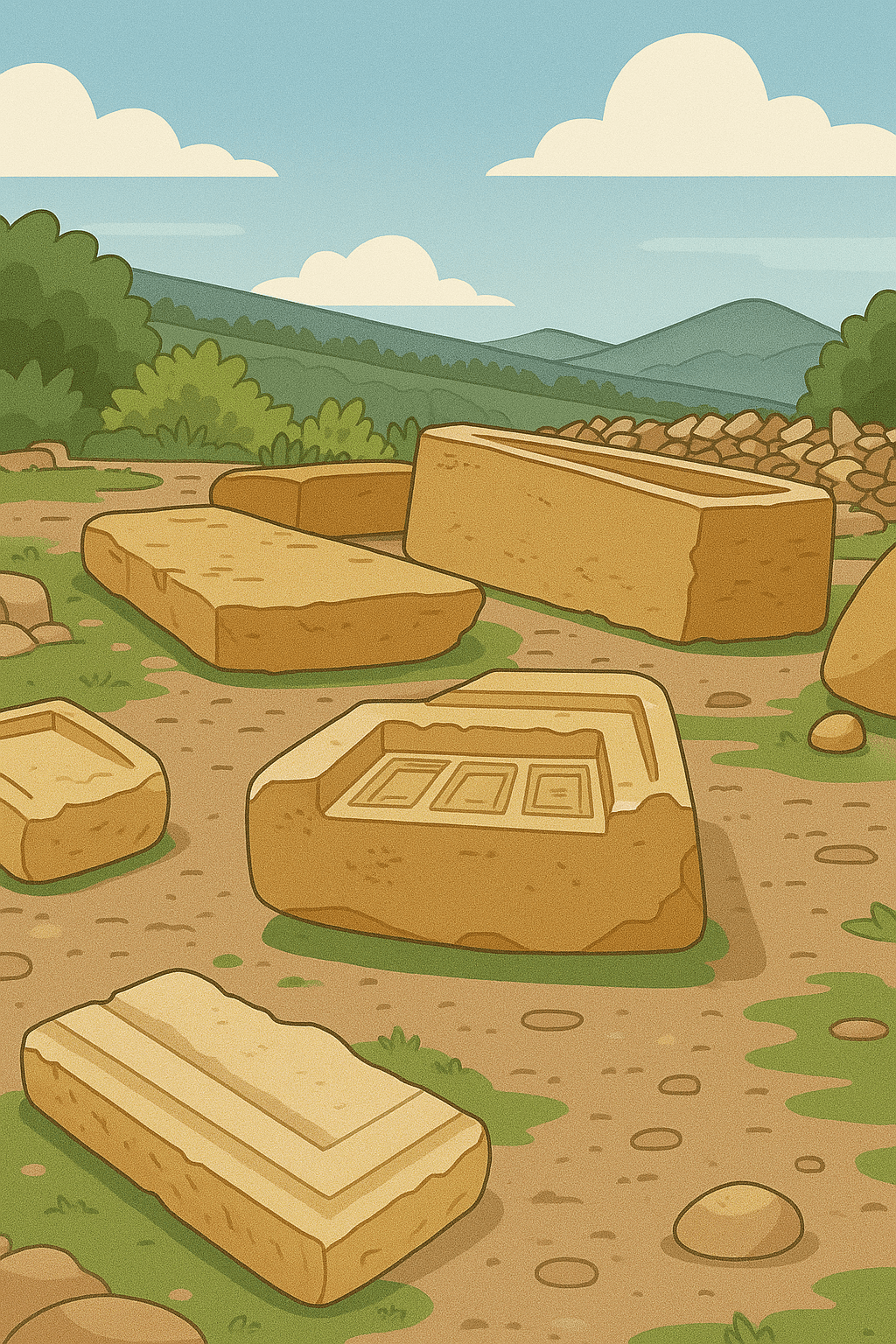
Akmonia Ancient City is a very ancient settlement located near Ahât Village in the Banaz district of Uşak Province. This city lies in the western part of the ancient region known as Phrygia. Akmonia was an important urban center inhabited during the Hellenistic Roman and Byzantine periods. Thanks to modern research in the area much information about the city has been uncovered. This site is officially protected as an archaeological area by the Ministry of Culture and Tourism of the Republic of Türkiye.
Where Is It Located?
Akmonia is situated in the southeast of the Banaz Plain near Ahât Village. In antiquity major east-west trade routes passed through this location enabling the city to become a vibrant center of commerce and culture. Ancient sources also refer to Akmonia by the names Akmoneia or Akmonion.
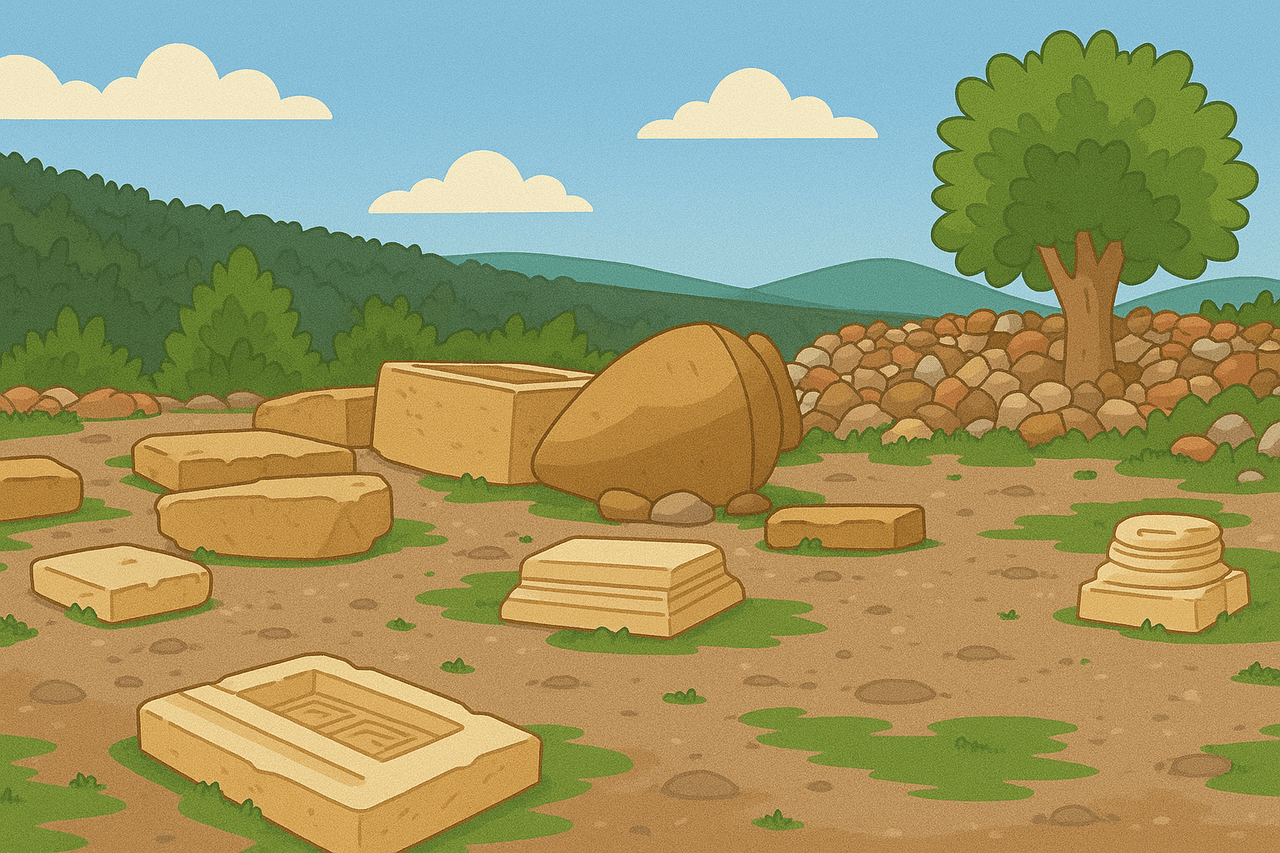
Kültür Portalı Inspired by Photograph and Generated by Artificial Intelligence.
History of the City
The foundations of Akmonia were laid during the Hellenistic Period. It later expanded and prospered during the Roman Empire. Temples monuments and public buildings constructed in the Roman era attest to the city’s significance at the time. These structures feature characteristic columns marble blocks and inscriptions typical of Roman architecture.
Archaeological Remains
Surface surveys in the city have identified public buildings sacred areas defensive walls and residential remains. Particularly in the area known as the Upper City a temple complex has been located. This temple was dedicated to the gods of the era and to Roman emperors. Additionally Latin and Greek inscriptions found in the region provide information about the officials and priests who lived there.
Tombs and Necropolis
To the northwest of Akmonia lies a necropolis or burial ground. Here archaeologists have uncovered sarcophagi stone coffins rock-cut tombs and inscribed grave stones. Some tombs contain decorative elements that offer insights into the art of the period. These burials help us understand the religious beliefs and traditions of the city’s inhabitants.
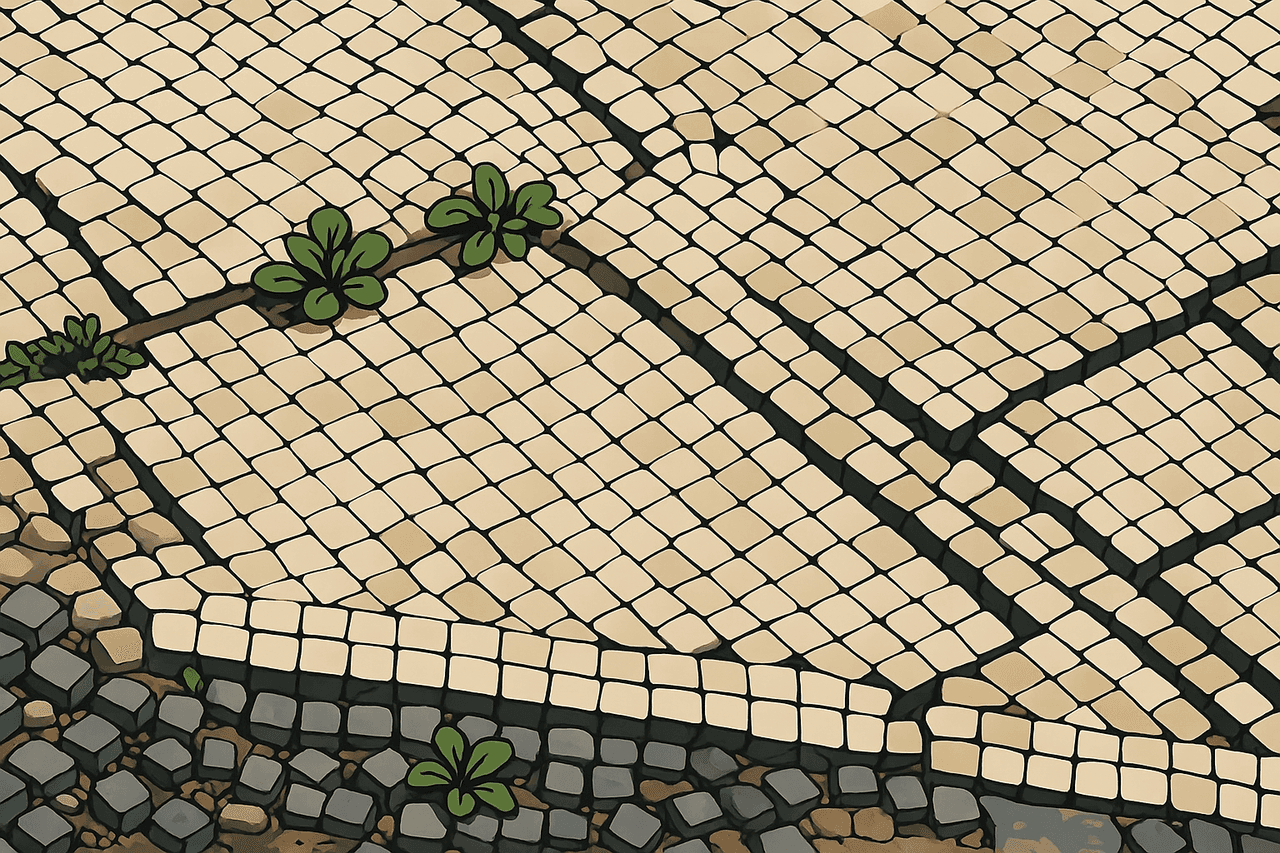
Kültür Portalı Inspired by Photograph and Generated by Artificial Intelligence.
Religious Life
The inhabitants of Akmonia worshipped gods and goddesses. During the Roman period temples were erected in honor of Emperor Augustus and other emperors. These temples contained altars and votive inscriptions. Thus the religious life of the city has been preserved through archaeological remains.
Protection and Current Status
Today Akmonia is protected as a first-degree archaeological site. Full-scale excavations have not yet begun but structures have been documented through surface surveys. The Uşak Governorship the Banaz District Governorship and the Ministry of Culture and Tourism are actively working to preserve and promote this historical site. Visitors traveling to Banaz can currently explore the area and view the ancient remains up close.