This article was automatically translated from the original Turkish version.
Official Name | Dominican Republic (República Dominicana) | ||||||||
|---|---|---|---|---|---|---|---|---|---|
Form of Government | Presidential Republic | ||||||||
Date of Independence | 27 Şubat 1844 | ||||||||
Capital | Santo Domingo | ||||||||
Head of State | Luis Rodolfo Abinader Corona | ||||||||
Official Language | Spanish | ||||||||
Common Languages | Spanish | ||||||||
National Day | February 27 (Independence Day) | ||||||||
Area | 48,670 km² | ||||||||
Total Population | ~10.79 Million | ||||||||
Climate | Tropical Marine Climate | ||||||||
GDP (Nominal) | ~$121.44 Billion USD (2023) | ||||||||
GDP per Capita | ~$10,875.7 USD (2023) | ||||||||
Ethnic Groups | East Asian: %0.33 Mixed: %71.72 White: %18.70 Black: %7.45 Other: %1.80 | ||||||||
Religious Composition | Catholic: more than 50% Protestant: ~20%-30% No Religious Belief: %18 Other Groups: Jews Buddhists Baha'is | ||||||||
Telephone Code | +1 | ||||||||
Internet Domain Code | .do | ||||||||
The Dominican Republic is a state shaped by centuries of colonialism, cultural mixing, and regional competition, occupying the eastern portion of the island of Hispaniola in the heart of the Caribbean. Its geographic position at the intersection of European, African, and Caribbean routes made it a strategic port and transit hub during the colonial era, and in the modern age it has become one of the Caribbean’s most dynamic centers through stable economic growth, tourism, and a robust services sector. The capital, Santo Domingo, symbolizes historical continuity as one of the oldest continuous settlements in the Americas.
The capital Santo Domingo (World Factbook)
The historical trajectory of the Dominican Republic is inseparable from the broader history of Hispaniola. Before European arrival, the island was inhabited by Taíno peoples. These societies, based on agriculture, fishing, and intra-island trade, lived in a social organization unique to the Caribbean known as the yucayeque system.
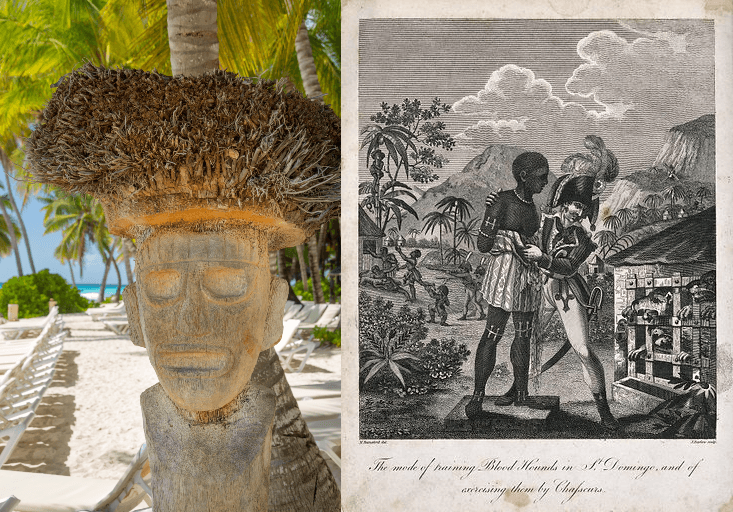
Statue of a Pre-Columbian Taíno Community (Public Domain Pictures) Enslaved Africans Brought to the Island During the Colonial Period (Look and Learn)
The foundation of Spanish colonial rule was laid in 1492 with Christopher Columbus’s arrival on the island, and Santo Domingo became the first permanent colonial center in the New World. Throughout the 16th century, the island served as one of the administrative centers of Spanish rule. The Taíno population declined rapidly due to epidemics, forced labor, and conflict. As labor demands increased, the transatlantic slave trade from Africa began, creating a lasting transformation in the country’s ethnic composition.
During the 17th and 18th centuries, French influence strengthened in the western portion of the island, and in 1697 the Treaty of Ryswick formally ceded the western region to France. This area would later become the independent state of Haiti. The eastern portion remained under Spanish administration; its economy was based on livestock raising, small-scale agriculture, and port trade.
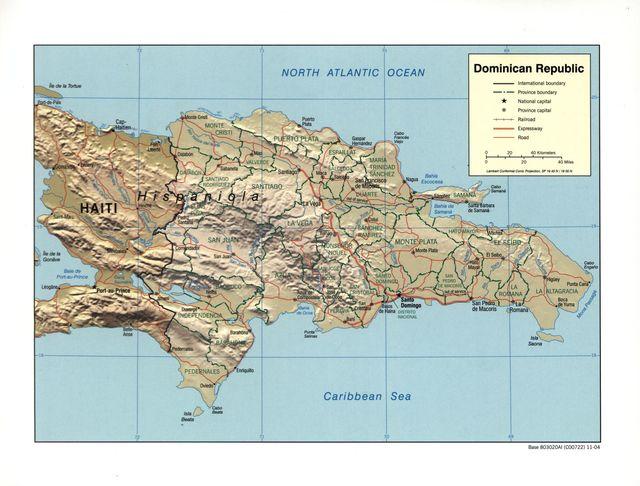
Separation of Haiti and the Dominican Republic After the Treaty (Library of Congress)
The 19th century marked a turning point in shaping the modern political identity of the Dominican nation. In 1822, Haiti took control of the entire island, initiating a period of unified rule that lasted approximately twenty-two years. During this time, the Dominican national movement developed, and in 1844 independence was declared under the leadership of Juan Pablo Duarte, Matías Ramón Mella, and Francisco del Rosario Sánchez.
Shortly after its founding, the young Dominican state, due to security concerns, once again came under Spanish protection in 1861; however, this arrangement lasted only three years. The War of Restoration, which began in 1865, secured the country’s independence for the second time.
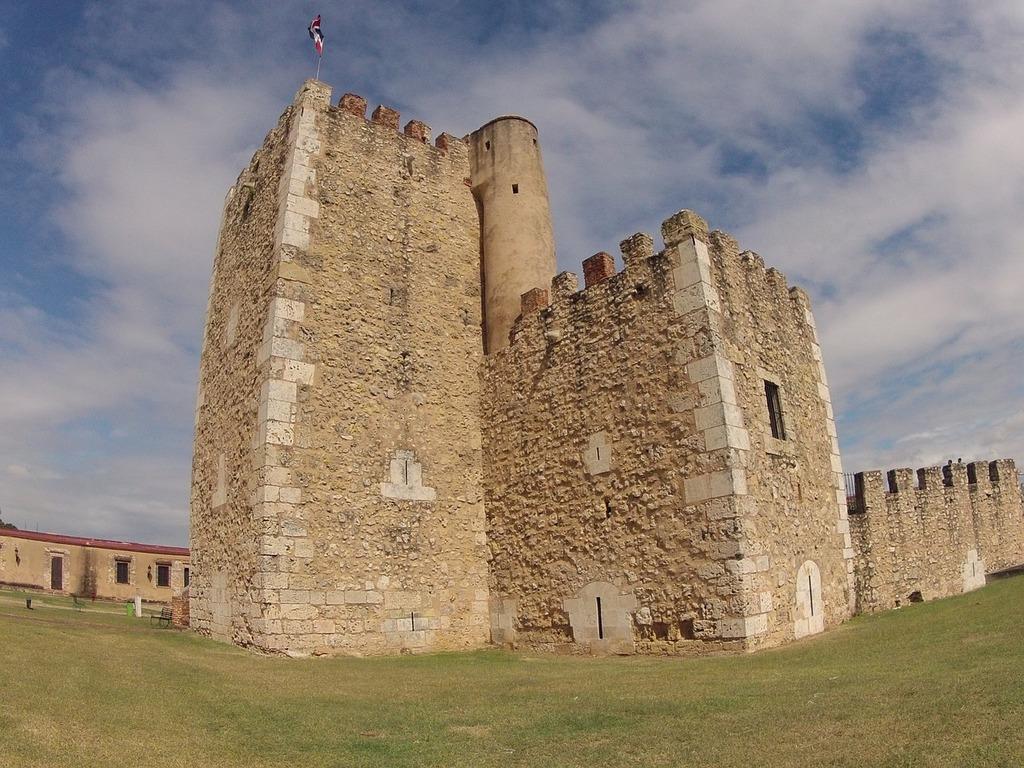
Fortresses from the Spanish Colonial Period (Picryl)
The first half of the 20th century was characterized by instability, foreign interventions, and authoritarian rule. Between 1916 and 1924, the U.S. occupation directly reshaped the island’s political and economic structures. Following this period, the rise to power of Rafael Trujillo in 1930 ushered in a harsh dictatorship. The Trujillo regime operated through intense repression, centralized control, and a cult of personality; his assassination in 1961 plunged the country back into political uncertainty.
The mid-1960s represented a critical turning point in Dominican politics. Juan Bosch’s brief democratic government was overthrown in 1963; subsequent internal conflicts and U.S. intervention plunged the country into a prolonged process of restructuring. From 1966 onward, Joaquín Balaguer’s conservative and developmentalist administration shaped the political system; infrastructure investment increased during this period, but democratic standards remained limited.
Since the 1990s, the Dominican Republic has settled into a more stable democratic framework. Economic policy reforms, foreign investment, free trade zones, and the growth of the tourism sector have transformed the country into one of the Caribbean’s fastest-growing economies. The rise to power of Luis Abinader in 2020 signaled a new era of governance following years of political competition.
Today, the Dominican Republic presents itself as a state marked by historical mestizaje, colonial legacy, and modern economic dynamism, continuing its pursuit of political stability and occupying a significant position in the region.
“Himno Nacional de la República Dominicana”: The lyrics were written by Emilio Prud'Homme and the music composed by José Reyes. The anthem highlights the political memory of the independence struggle, emphasizing an anti-colonial consciousness and the theme of national resistance that were decisive in shaping national identity. It gained official status in 1934. The text centers on freedom, transformation, and national honor, paying tribute to the independence fighters.
National Anthem of the Dominican Republic (Youtube)
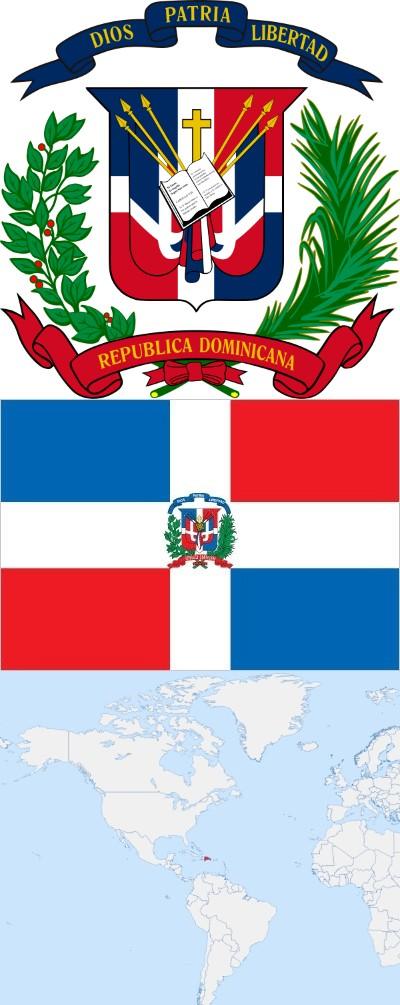
The flag of the Dominican Republic and its design are direct political symbols of the nation’s struggle for independence. The flag is divided into four sections by a central white cross. This cross represents both the Christian heritage and the founding ideal of “moral unity.” At the center of the cross is the country’s national coat of arms. In this regard, the Dominican flag is among the few national flags to bear a state coat of arms.
The four primary colors are arranged as follows:
– Dark blue occupies the upper left and lower right sections. Blue symbolizes the ideal of freedom and national independence.
– Red occupies the upper right and lower left sections. Red represents the struggle for independence and the blood shed in that cause.
– The central white cross symbolizes the nation’s desire for peace, unity, and foundational values.
The open Bible in the national coat of arms reflects the decisive role of the Catholic tradition in the historical foundations of Dominican identity. The verse displayed (John 8:32: “And you shall know the truth, and the truth shall set you free”) has become the motto of the independence movement. The laurel and palm branches beneath the coat of arms symbolize victory and honor.
Juan Pablo Duarte is recognized as the architect of the flag’s design. The independence movement led by Duarte established both the symbolic framework of the color selection and the arrangement of the cross. The flag gained official status with the declaration of independence in 1844 and, despite changes in regime over the following century, has retained its meaning centered on “freedom-independence-national unity.”
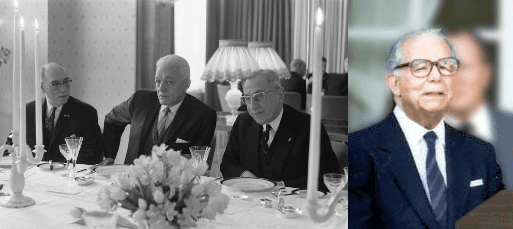
The Dominican Republic lies between the Caribbean Sea and the Atlantic Ocean, occupying the eastern portion of the island of Hispaniola. It shares a land border with Haiti to the west; this boundary is one of the most prominent geopolitical lines in the Caribbean. The Atlantic Ocean borders the north, the Caribbean Sea the south, and the Mona Passage and the waters off Puerto Rico form its eastern natural boundaries. Its geographic position grants it strategic importance for trade routes and maritime traffic in the region.
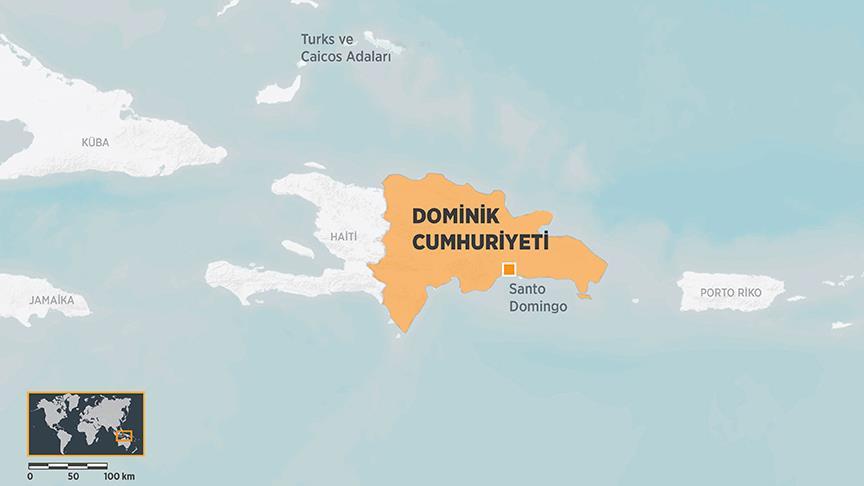
Dominican Republic and Neighbors (Anadolu Ajansı)
The country’s topography is dominated by medium and high mountain ranges. The most significant elevation line is the Cordillera Central, which contains Pico Duarte (approximately 3,100 meters), the highest point in the Caribbean. This mountain range has a decisive influence on the country’s climate distribution, agricultural zones, and settlement patterns. In addition, the Cordillera Septentrional runs along the northern coast, while lower elevations in the east contrast with coastal plains.
One of the most fertile regions is the Cibao Valley, stretching from the northeast to the southwest. The region is a key production area for the national economy, particularly for tobacco and high-yield agriculture. Additionally, the San Juan and Enriquillo rift valleys, which cut across the south, are important for both settlement and agriculture.
The longest river in the Dominican Republic is the Yaque del Norte, a critical source for agricultural irrigation. The Yuna, Yaque del Sur, and Ozama rivers also play major roles in the internal water system and the development of port cities.
Located in the southwest, Lake Enriquillo is one of the country’s most unique geomorphological features due to its location below sea level and its high salinity.
The country is predominantly characterized by a tropical climate; however, significant microclimatic variations occur due to the mountainous terrain. Coastal areas are hot and humid, while inland regions experience more temperate conditions. Tropical storms and occasional hurricanes are among the region’s climatic risk factors. Vegetation varies from mangroves along the coasts, dense tropical forests in inland areas, and pine species in higher elevations.
The Dominican Republic’s principal natural resources include nickel, gold, silver, and bauxite. Mining has become increasingly visible in the economy over the past twenty years. Additionally, extensive agricultural lands provide a strategic advantage for producing high-value crops such as sugarcane, tobacco, coffee, and cocoa.
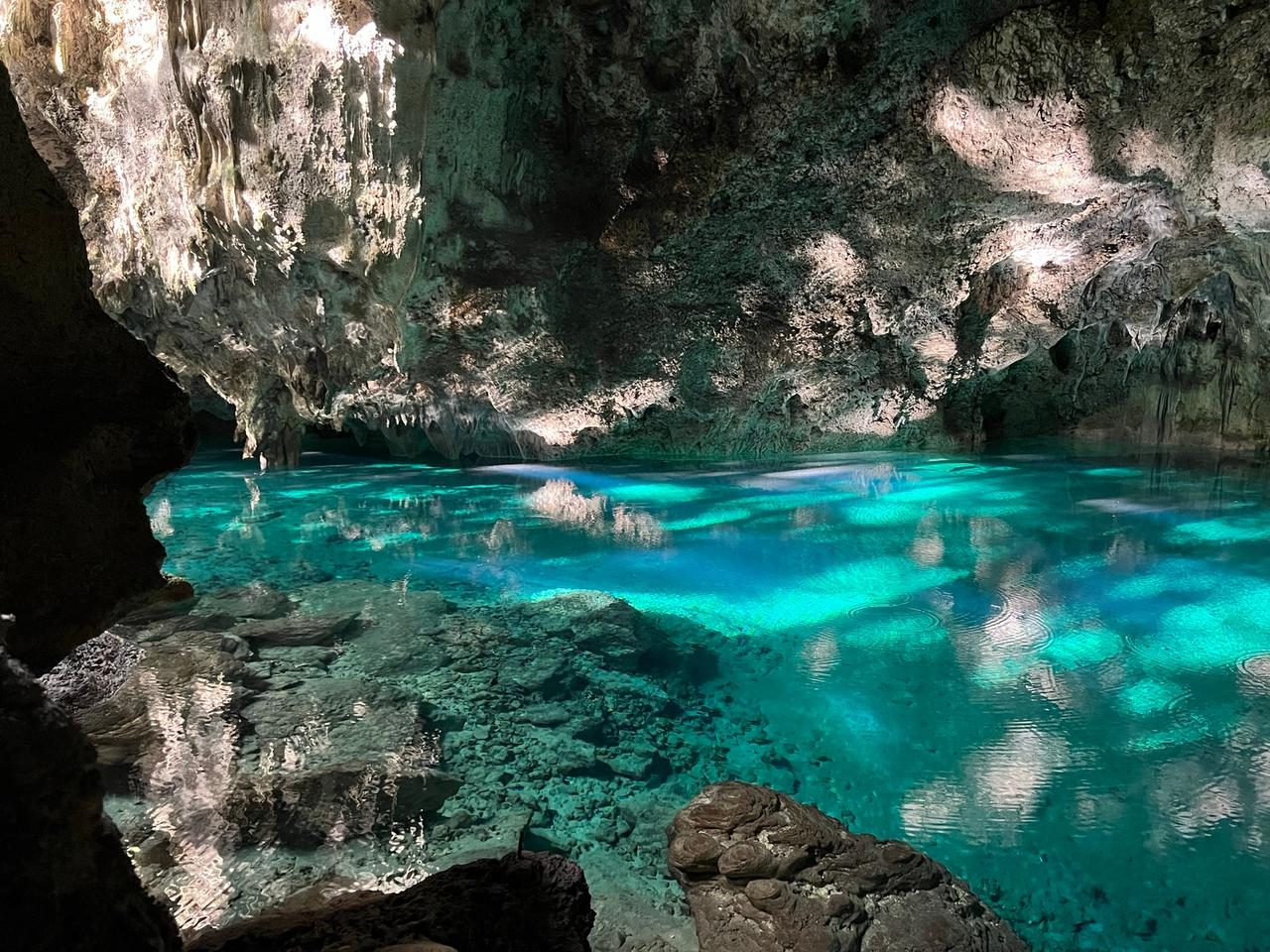
Los Tres Ojos National Park (World Factbook)
Energy production remains largely dependent on fossil fuels, particularly imported petroleum. Investment in renewable energy, particularly hydropower and wind, is increasing. The transportation network has developed along the coast and through mountain passes, reflecting the linear nature of settlement patterns. Road connections centered on Santo Domingo and Santiago ensure the country’s economic and social mobility. Ports, especially Haina and Caucedo, serve as the main gateways for trade.
The Dominican Republic’s economy is one of the fastest-growing in the Caribbean. Although long dominated by a monoculture model based on sugarcane, the country has diversified its economic structure over the past twenty years toward tourism, services, manufacturing, and mining. As of 2023, it has maintained a steady growth trend, with tourism and services accounting for a significant share of GDP. Unemployment rates are close to regional averages, but the informal economy remains a persistent structural challenge.
Economic indicators show that the country belongs to the middle-income group, yet it exhibits a growth performance above the Latin American average, thanks to its advanced tourism infrastructure.
The agricultural sector today primarily serves as a source of employment. Sugarcane, tobacco, cocoa, coffee, and tropical fruits are vital for both domestic supply and specific export markets. Bananas, pineapples, and mangoes are important for both domestic consumption and exports. Livestock farming primarily targets the domestic market; fishing along the coasts operates on a local scale. Although agriculture employs a large share of the population, its contribution to GDP is low, reflecting problems such as low productivity and insufficient mechanization. The overall economic weight of agriculture is limited; services and industrial production in major cities are dominant.
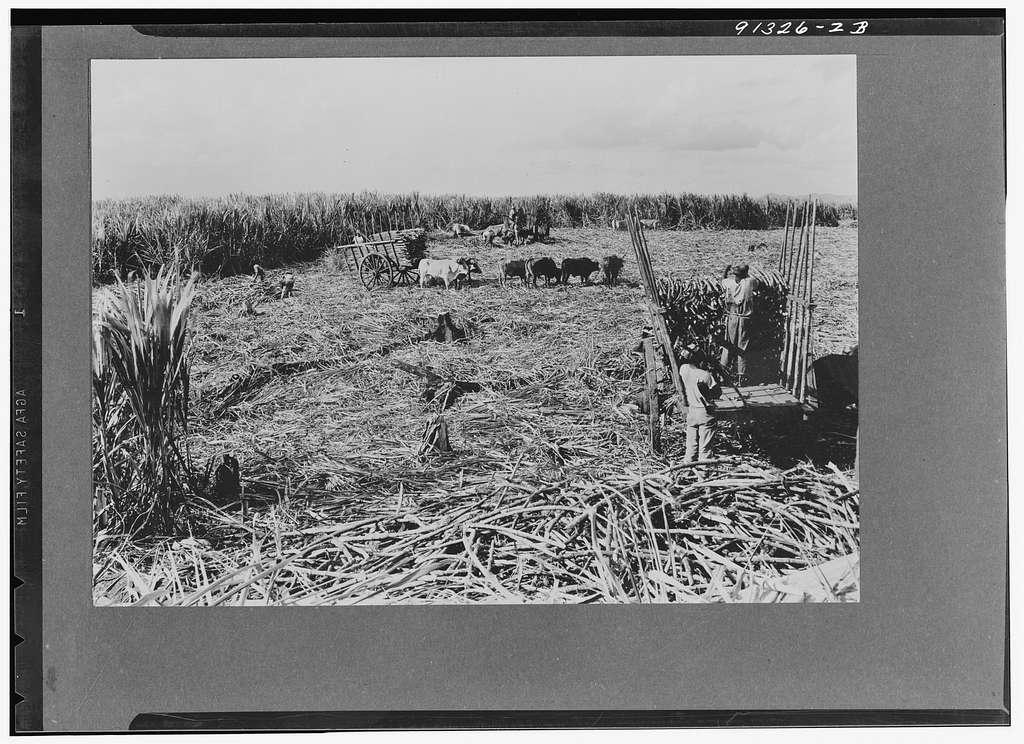
Sugarcane Farming, Crucial to Dominican Agriculture (Picryl)
The industrial sector is more developed than in most Caribbean countries. Traditional industries include food processing, tobacco products, textiles, and apparel. However, the growth of free trade zones has introduced new economic dimensions through electronics assembly, medical device manufacturing, and specialized component production. Mining, particularly gold and nickel, is a critical sector that strengthens the country’s foreign exchange flows. These production areas increase export diversification and enhance the economy’s resilience to external shocks.
The services sector is at the heart of the economy. Tourism forms the backbone of the Dominican Republic’s foreign earnings; coastal destinations such as Punta Cana, Puerto Plata, and Samaná have made the country one of the most visited regions in the Caribbean. Tourism not only generates foreign exchange but also directly stimulates other sectors such as construction, real estate, logistics, and transportation. The financial system offers a strong regional structure; banking regulations and foreign investment legislation, supported by tourism revenues, reinforce macroeconomic stability.
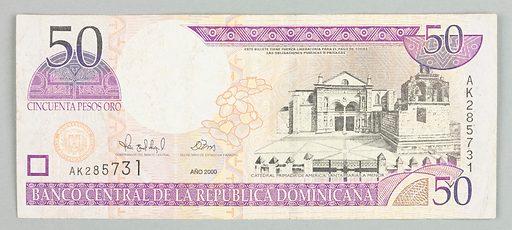
Dominican Peso (Look and Learn)
The structure of foreign trade is dependent on energy imports; petroleum and its derivatives are the largest import items. In exports, tobacco products, gold, medical devices, textiles, and electronic components stand out. The United States is by far the country’s largest trading partner and exerts decisive influence over its economic rhythms and consumption trends. This dependency is advantageous in maintaining stable export channels but also creates vulnerability to fluctuations in the U.S. economy.
In terms of foreign investment, the country is seen as one of the most attractive centers in the Caribbean. Free trade zones, with their low tax burden and export-oriented production incentives, are areas where international firms concentrate. Tourism investments continue to grow through large-scale coastal projects. Investment in gold and nickel mining is also increasing. However, bureaucratic inefficiencies and the effectiveness of the judicial system are sometimes criticized; overall, political stability and macroeconomic discipline position the country as a reliable destination for investment.
Free trade zones provide an attractive infrastructure for foreign investors. Tourism-focused investments are concentrated along the coast. Investment in gold and nickel mining continues to grow.
The population of the Dominican Republic presents a dynamic, youthful, and rapidly urbanizing profile. The country stands out as one of the most densely populated in the Caribbean. Economic diversification and tourism-driven growth have increased internal migration, creating new settlement zones concentrated in coastal cities. Population distribution is rooted in a mixed social identity formed by the convergence of African, European, and indigenous Taíno origins. This mestizaje directly influences cultural practices, linguistic diversity, and religious patterns.
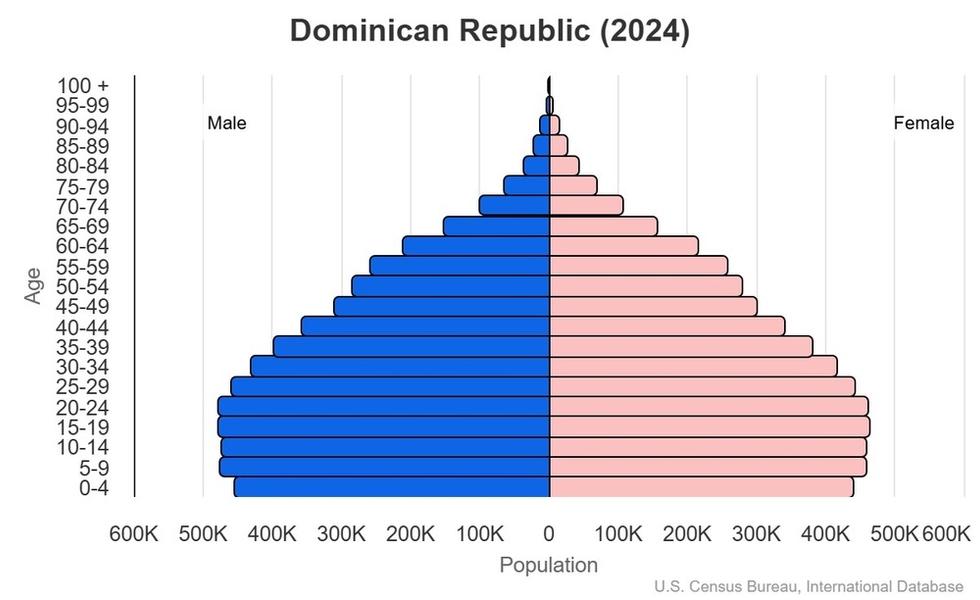
Population Distribution of the Dominican Republic (World Factbook)
The Santo Domingo metropolitan area alone houses a significant portion of the country’s population, followed by growing economic hubs such as Santiago and La Romana. Urbanization levels are high; although subsistence agriculture persists in rural areas, the majority of the young population has migrated to major cities seeking employment in services and free trade zones. Population mobility extends beyond national borders; long-term migration to the United States and Spain is an integral part of Dominican social fabric. Remittances from migrants play a prominent role in household budgets.
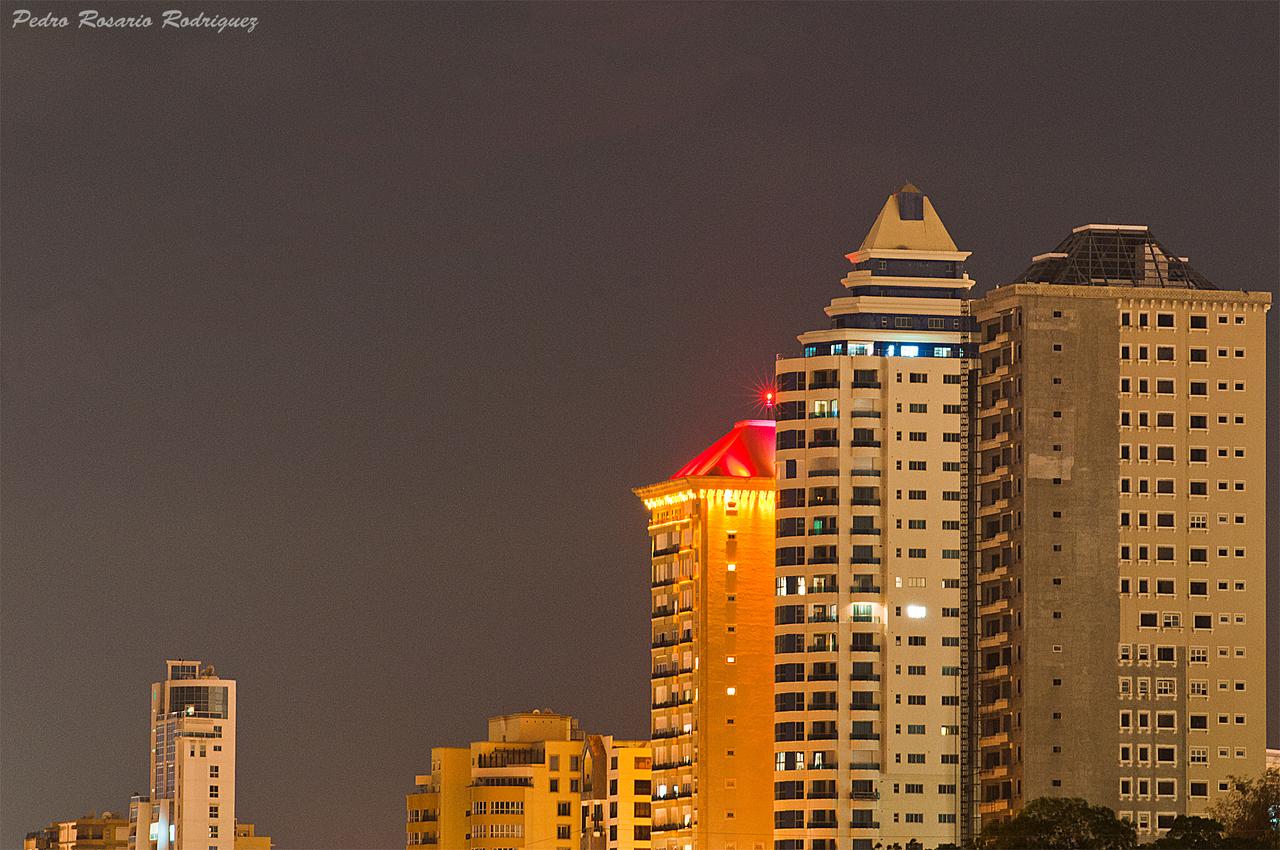
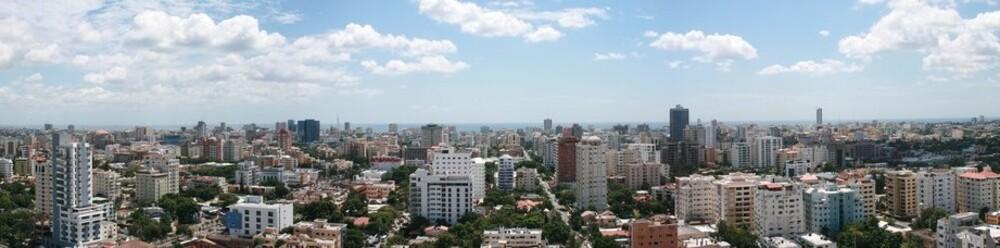
Santo Domingo City Center (Santo Domingo)
The ethnic composition is predominantly mixed; African-derived elements leave prominent cultural traces, while the European-descended population represents the legacy of the colonial era. Small communities of indigenous Taíno descent continue to hold cultural memory.
Religious affiliation is predominantly Catholic; however, Protestant and Evangelical movements have grown due to urbanization and external influences. Approximately 60% of the population identifies as Catholic, followed by Protestants at 20–30%. Around 18% of the population reports no religious affiliation.
The Dominican Republic’s education system has undergone comprehensive reforms over the past twenty years. Expansion of compulsory education, increased classroom capacity, and renewed teacher training programs have improved the system’s overall quality. Literacy rates in urban areas are high; however, access challenges in rural regions remain unresolved.
The literacy rate exceeds the Caribbean average and is approaching near-universal levels among the youth. Alongside public universities, the proliferation of private higher education institutions is part of long-term development strategies aimed at enhancing workforce quality. In parallel with economic growth, vocational training programs in tourism management, engineering, information technology, and healthcare have gained prominence. The system’s main challenge lies in regional disparities and uneven distribution of qualified teachers; however, increased government budget allocations are playing a decisive role in closing this gap.
The Dominican Republic reflects a social fabric marked by pronounced cultural mestizaje. The Taíno heritage, cultural elements brought by African slavery, and the Spanish colonial experience form the core components of national identity. This layered structure is evident in music, dance, cuisine, daily life, and religious rituals. Merengue and bachata are recognized as national music genres; their rhythmic structures reflect African influences, while melodic patterns embody the shared aesthetics of the Caribbean. In culinary culture, rice, beans, seafood, roasted plantains, and local spices are fundamental elements.
Social life is organized around strong family ties, neighborhood solidarity, and vibrant street culture. Festivals and religious celebrations (especially Semana Santa) reinforce cultural continuity. As cities have grown, cultural production has diversified, with new platforms emerging in cinema, theater, and contemporary art.
The Dominican Republic possesses one of the most enduring colonial legacies in the Caribbean. The colonial zone of Santo Domingo, home to the Americas’ first cathedral, the first permanent European settlement, and early administrative structures, is listed as a UNESCO World Heritage Site. This area preserves original examples of Spanish colonial architecture and traces of the foundational urban planning of the New World.
Historical structures and archaeological sites are rich with remnants documenting the island’s Taíno past. Museums are open to visitors across a broad thematic range including colonial history, tobacco culture, Caribbean music, and contemporary art. While cultural preservation policies have become more visible in recent years alongside tourism investment, urban pressure and coastal development projects have generated debates over the balance between conservation and development.
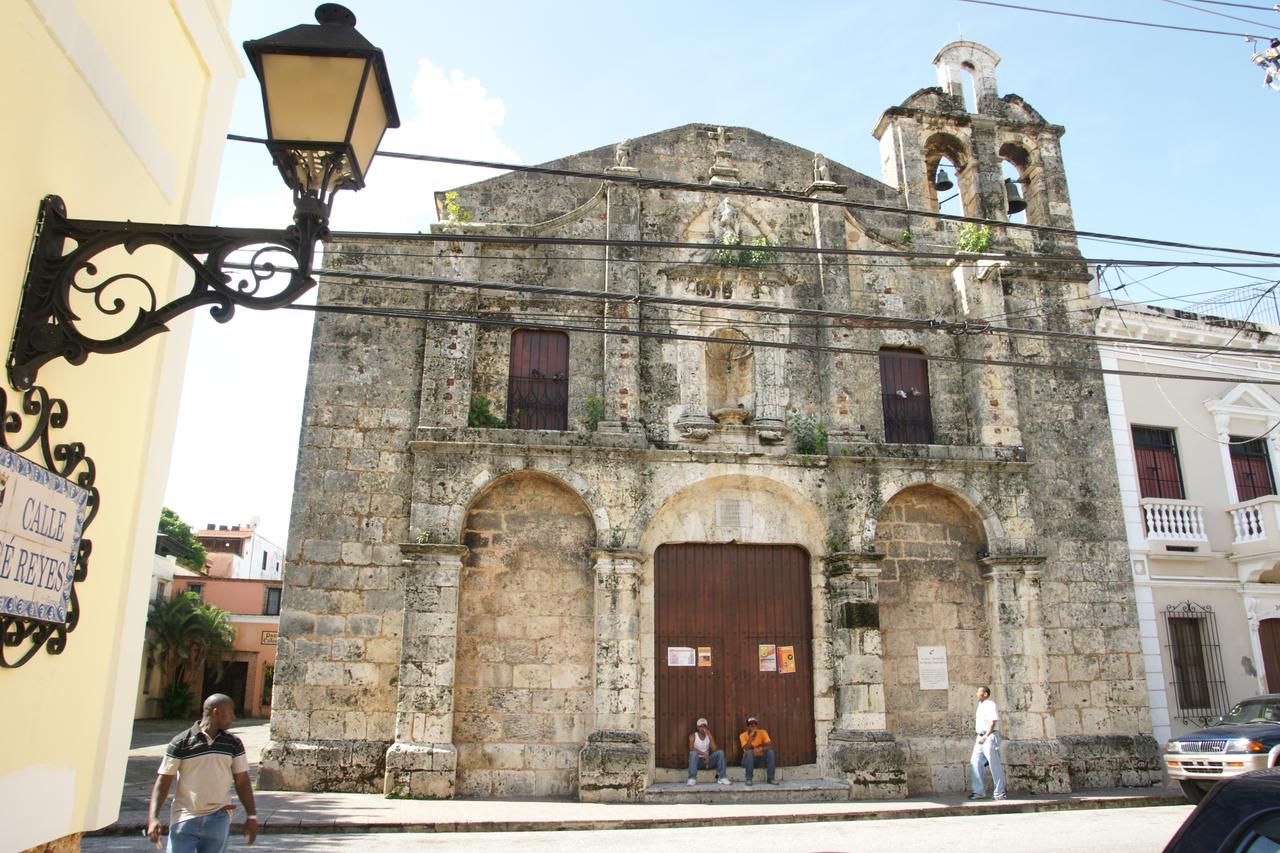
Colonial Zone in Santo Domingo (Flickr)
Tourism is the cornerstone of the Dominican Republic’s economy. Coastal resorts concentrated in areas such as Punta Cana, La Romana, Bávaro, and Puerto Plata are among the largest tourist attractions in the Caribbean. The profile of tourists visiting the country is predominantly from the United States, Canada, and Europe; in recent years, there has also been an increase in visitors from Latin America.
Tourism contributes significantly to GDP, both directly and indirectly. Accommodation, food services, transportation, construction, and entertainment industries are deeply intertwined with tourism. The government implements comprehensive policies in tourism zones regarding security, infrastructure, and environmental sustainability.【2】
Major tourist cities include Santo Domingo, Punta Cana, Santiago, Puerto Plata, and La Romana. Natural attractions include Samaná Bay, El Limón Waterfall, Pico Duarte, Lake Enriquillo, and extensive coastal stretches. The country’s tourist regions offer diversity across beach tourism, ecotourism, cultural heritage tourism, and adventure tourism.
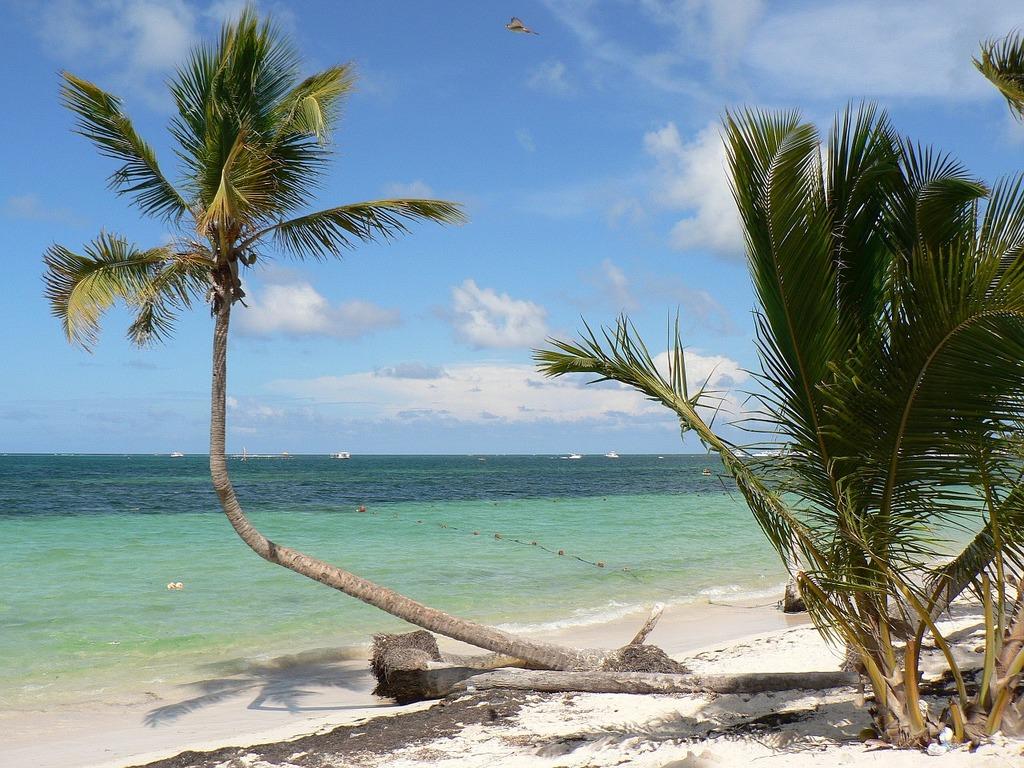
Beaches of Punta Cana (Picryl)
The Dominican Republic’s foreign policy has historically been shaped by regional security, economic dependency, and the balancing of relations with major powers. Throughout the 19th century, border disputes with Haiti, the defense of independence, and internal instability were central diplomatic concerns. Until the mid-20th century, the country’s foreign relations were directly tied to U.S. policy in the Caribbean; particularly, the U.S. occupation from 1916 to 1924 left a deep imprint on the national political memory.
During the Cold War, the Dominican Republic became part of the U.S. security architecture in Latin America. The U.S. intervention during the 1965 civil war demonstrated the country’s inability to distance itself from Washington’s geopolitical axis. However, from the 1990s onward, the transition to democracy and economic liberalization shifted foreign policy toward a greater emphasis on trade, investment, and regional cooperation.
Today, the country pursues a “pragmatic” foreign policy that aligns with major powers while maintaining independent economic choices. Active participation in Caribbean integration processes (CARICOM, SICA), tourism and trade diplomacy, security cooperation, and migration management are key diplomatic priorities.
The United States is the most important pillar of Dominican foreign policy. Trade, migration, security, tourism, and investment flows are overwhelmingly channeled through the U.S. Bilateral security cooperation focuses on issues such as drug trafficking, human trafficking, and money laundering. The large Dominican diaspora in the United States strengthens this relationship both economically (through remittances) and culturally.
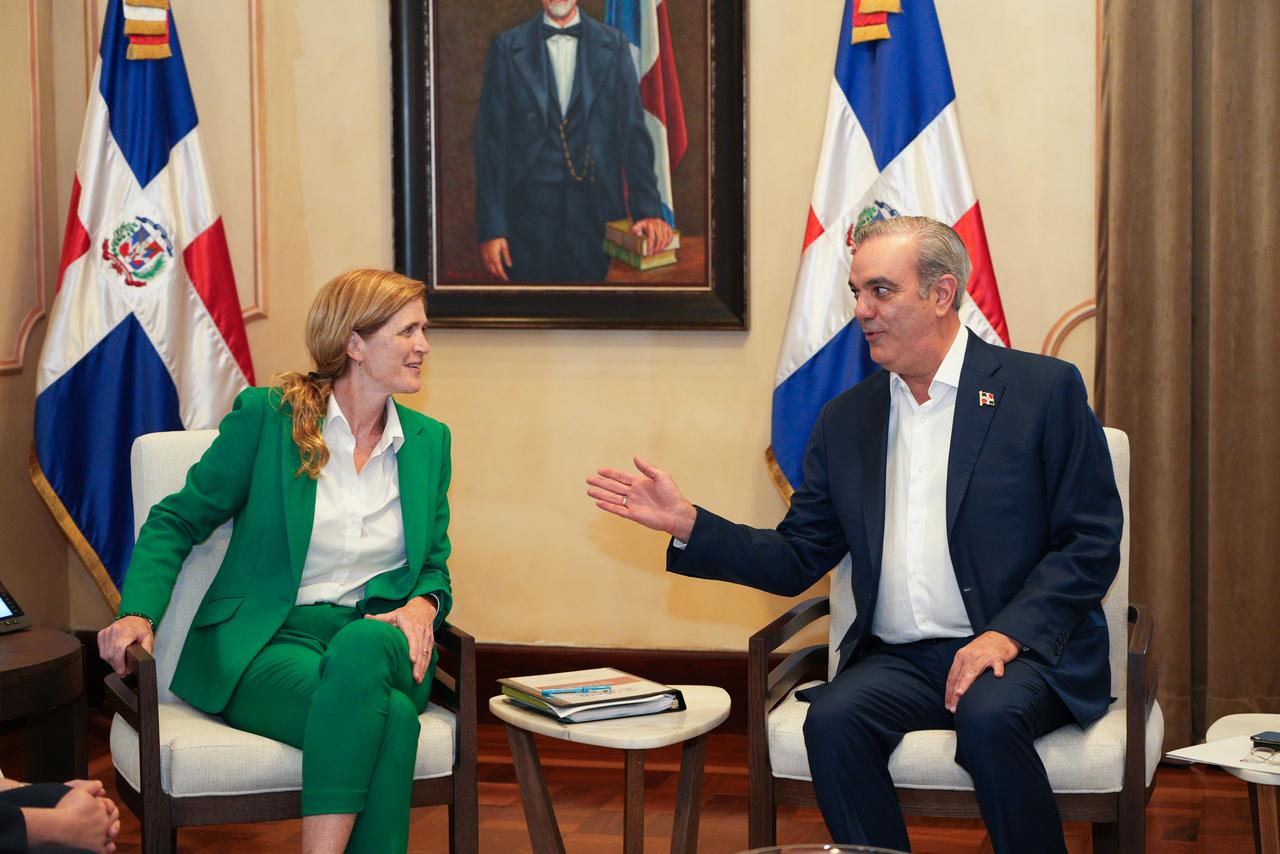
USAID Administrator Samantha Power and Dominican President Luis Abinader (Flickr)
In 2018, the Dominican Republic severed ties with Taiwan and established diplomatic relations with the People’s Republic of China. This move was followed by significant increases in infrastructure investment, port projects, and trade flows. China has now become the country’s second-largest import source.
Spain is the Dominican Republic’s primary partner in Europe. Historical ties, the tourism sector, and cultural connections reinforce this relationship. Relations with the European Union progress through trade, development funds, and environmental protection programs.
Significant progress has been made in recent years. Although trade volume remains modest, it is on an upward trend. Diplomatic engagement is supported by cooperation talks in aviation, tourism, and security.
Turkey’s Embassy in Santo Domingo opened in 2013, and since then agreements on visa exemptions, air connectivity, and economic cooperation have been signed. Trade volume has steadily grown, reaching approximately $256.5 million by the end of 2021, with Turkish investors seeing opportunities particularly in tourism, construction, energy, and technology. Cultural cooperation is also increasing; classical Turkish music concerts have been organized to mark the 75th anniversary of diplomatic relations.
In media and culture, Acun Medya plays a significant role. Turkey’s leading production company, Acun Medya, films several seasons of its “Survivor Turkey” program in the Dominican Republic, thereby introducing Dominican tourism to a broad audience in Turkey.
The Dominican Republic is a member of a broad network of international organizations.
Foreign policy generally follows a multilateral, economically oriented, and regionally security-focused structure.
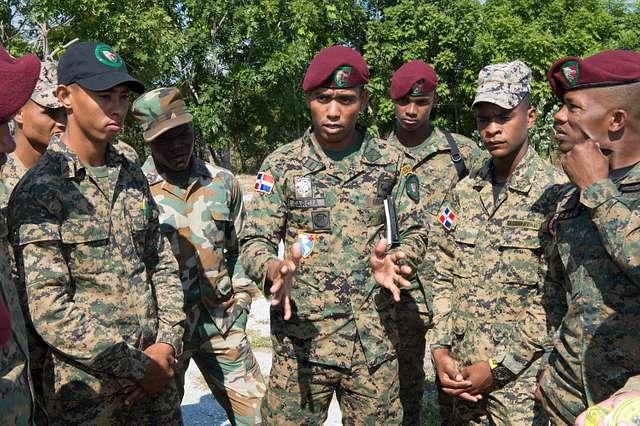
Dominican Armed Forces Soldiers (Defense Visual Information Distribution Service)
The Dominican Armed Forces (Fuerzas Armadas Dominicanas) possess a medium-sized military capacity in the Caribbean. The army focuses on internal security and border control; its structure consists of light infantry, motorized units, and special operations battalions.
The air force operates with surveillance, patrol, and rapid response capabilities; its inventory primarily includes light aircraft, patrol helicopters, and trainer jets. Airspace control plays a critical role in combating smuggling routes.
The navy is responsible for safeguarding an extensive coastline along the Caribbean Sea and the Atlantic Ocean. Coastal security is its primary role; combating drug trafficking and illegal migration are its main operational areas. Patrol vessels, fast-response boats, and maritime surveillance radar systems form the core components of the naval force.
The Dominican Republic has a limited domestic defense industry; equipment is largely sourced from the United States and Europe. Inventory consists primarily of platforms designed for practical use and ease of maintenance rather than advanced systems.
Active personnel numbers are at regional average levels; the military is frequently deployed not only for internal security but also for disaster management and civil defense. Logistics infrastructure is stronger along the coast; mobility in inland areas is partially constrained by topography.
The Dominican military is defined more by internal security operations than external conflicts. Throughout the 20th century, internal uprisings, border disputes, and tensions with Haiti shaped its operational practices. Today, its activities are largely based on joint operations against drug trafficking, organized crime, and illegal migration routes. The military also plays an active role in national disaster management, providing critical emergency response capacity following hurricanes and tropical storms.
Anadolu Ajansı. “Dominik Cumhuriyeti.” Accessed November 25, 2025.https://www.aa.com.tr/tr/ulke-profilleri/dominik-cumhuriyeti/925392.
BlueMarbleNations. "Dominican National Anthem - "Quisqueyanos Valientes" (ES/EN)." YouTube video, 01:45. September 1, 2011. Accessed November 25, 2025.https://www.youtube.com/watch?v=4ULeDsRcWyk
CUNY Dominican Studies Institute. "Church of Regina Angelorum, Colonial Zone, Dominican Republic." September 26, 2011. Photograph. Flickr. Accessed November 25, 2025.https://www.flickr.com/photos/cunydsi/6185661213/
Central Intelligence Agency. "2024 population pyramid-Fotoğraf." The World Factbook. Accessed November 25, 2025.https://www.cia.gov/the-world-factbook/static/e1cf236a4553865fd3467bab2aa59ebe/dr_popgraph2024.jpeg.
Central Intelligence Agency. "Dominican Republic." The World Factbook. Accessed November 25, 2025.https://www.cia.gov/the-world-factbook/countries/dominican-republic/.
Central Intelligence Agency. "Eye Park, Santo Domingo, Dominican Republic-Fotoğraf." The World Factbook. Accessed November 25, 2025.https://www.cia.gov/the-world-factbook/static/334ddce3a01c707d8b990fe12999502d/2022_10_29_3_Eye_Park_Santo_Domingo_DR__1_.JPEG.
Central Intelligence Agency. "Santo Domingo Panoramic View-Fotoğraf." The World Factbook. Accessed November 25, 2025.https://www.cia.gov/the-world-factbook/static/3af3f24f7a1ecc2cad5c4858f57d764b/Santo_Domingo_Panorama__2_.jpg.
Central Intelligence Agency. “Dominican Republic — Flag description.” The World Factbook. Accessed November 25, 2025.https://www.cia.gov/the-world-factbook/countries/dominican-republic/flag/.
Chicago Public Library. “Dominican Republic Timeline.” chipublib. Accessed November 25, 2025.https://www.chipublib.org/dominican-republic-timeline/.
Justia República Dominicana. “Constitución de la República Dominicana – Capítulo VII, Artículo 32 (Escudo Nacional).” republica-dominicana.justia. Accessed November 25, 2025.https://republica-dominicana.justia.com/nacionales/constitucion-de-la-republica-dominicana/titulo-i/capitulo-vii/#articulo-32.
Library of Congress. "Central Romana, Dominican Republic. Harvesting Sugarcane." January 1, 1929. Photograph. Picryl. Accessed November 25, 2025.https://picryl.com/media/central-romana-dominican-republic-harvesting-sugarcane-d967b0.
Library of Congress. "Dominican Republic, Historic Map." January 1, 2004. Photograph. Picryl. Accessed November 25, 2025.https://picryl.com/media/dominican-republic-3
LookAndLearn. "Banknot na 50 pesos oro, Central Bank of the Dominican Republic, Dominikana, 2000 r." 2000. Photograph. LookAndLearn. Accessed November 25, 2025.https://www.lookandlearn.com/history-images/YNK1074296/Banknot-na-50-pesos-oro-Central-Bank-of-the-Dominican-Republic-Dominikana-2000-r.
LookAndLearn. "French sailors feeding manacled black slaves in San Domingo to ravenous blood-hounds." July 1, 1805. Photograph. LookAndLearn. Accessed November 25, 2025.https://www.lookandlearn.com/history-images/YW041429V/French-sailors-feeding-manacled-black-slaves-in-San-Domingo-to-ravenous-blood-hounds.
MapChart. "World Map: Simple." mapchart. Accessed November 25, 2025.https://www.mapchart.net/world.html.
Ministerio de Defensa de la República Dominicana. “Quiénes Somos.” mide.gob.do. Accessed November 25, 2025.https://mide.gob.do/quienes-somos/.
Ministry of Foreign Affairs of the Republic of Turkey. "Dominican Republic Country Profile." mfa.gov. Accessed November 25, 2025.https://www.mfa.gov.tr/dominik-kunyesi.tr.mfa.
Nationaal Archief. "De regering bood de president van Dominicaanse Republiek lunch aan in Hotel de Witte Brug te Den Haag." 14 February 1963. Photograph. Nationaal Archief. Accessed November 25, 2025.https://www.nationaalarchief.nl/onderzoeken/fotocollectie/aa29b4b0-d0b4-102d-bcf8-003048976d84.
National Archives (NARA). "Dominik Cumhuriyeti Ordusu – 1st Lt. Yason Garcia." March 11, 2014. Photograph. NARA. Accessed November 25, 2025.https://nara.getarchive.net/media/dominican-republic-army-1st-lt-yason-garcia-center-f032fa.
Our World in Data. "GDP per Capita (World Bank) – Dominican Republic." ourworldindata.org. Accessed November 25, 2025.https://ourworldindata.org/grapher/gdp-per-capita-worldbank?country=~DOM&mapSelect=~DOM.
Picryl. "A palm tree leaning over a beach next to the ocean. Dominician republic punta cana beach." 2016. Photograph. Picryl. Accessed November 25, 2025.
Picryl. "Dominican Republic, Historic Map." January 1, 2004. Photograph. Picryl. Accessed November 25, 2025.https://picryl.com/media/dominican-republic-3.
Picryl. "Strong Ozaleza, Santo Domingo, Dominican Republic." 2016. Photograph. Picryl. Accessed November 25, 2025.https://picryl.com/media/strong-ozaleza-santo-domingo-dominican-republic-architecture-buildings-040163.
Poole, Robert M. “Who Were the Taíno, the Original Inhabitants of Columbus’s Island?” Smithsonian Magazine. Accessed November 25, 2025.https://www.smithsonianmag.com/history/who-were-taino-original-inhabitants-columbus-island-73824867/.
PublicDomainPictures. "Saona Island Statue." Photograph. PublicDomainPictures. Accessed November 25, 2025.https://www.publicdomainpictures.net/en/view-image.php?image=249820&picture=saona-island-statue.
Rodriguez, Pedro Rosario. "Torres Avenida Anacaona. Santo Domingo." May 31, 2014. Photograph. Flickr. Accessed November 25, 2025.https://www.flickr.com/photos/53260307@N02/14330210373.
SIPRI (Stockholm International Peace Research Institute). *SIPRI Military Expenditure Database - Dominican Republic*. SIPRI. Accessed December 1, 2025.https://milex.sipri.org/sipri
SNL (Store norske leksikon). "Joaquín Balaguer." 1988. Photograph. SNL. Accessed November 25, 2025.https://snl.no/Joaqu%C3%ADn_Balaguer.
U.S. Agency for International Development. "USAID Administrator Samantha Power and Dominican Republic President Luis Abinader have a meeting. They are sitting in parallel chairs and behind them there are Dominican Republic flags." August 7, 2024. Photograph. Flickr. Accessed November 25, 2025.https://www.flickr.com/photos/usaid_images/53910269978
UN Tourism / UNWTO. "Tourism Doing Business Investing in Dominican Republic." untourism.int. Accessed November 25, 2025.https://www.untourism.int/investment/tourism-doing-business-investing-in-dominican-republic.
United States Department of State. “2023 Report on International Religious Freedom: Dominican Republic.” Accessed November 25, 2025.https://do.usembassy.gov/wp-content/uploads/sites/117/2024/06/547499-DOMINICAN-REPUBLIC-2023-INTERNATIONAL-RELIGIOUS-FREEDOM-REPORT.pdf.
VectorPortal. “Dominican Republic coat of arms.eps.” May 31, 2008. Photograph. VectorPortal. Accessed November 25, 2025.https://vectorportal.com/vector/dominican-republic-coat-of-arms.eps/3950
World Bank Group. “Dominican Republic Economy Profile.” data360.worldbank.org. Accessed November 25, 2025.https://data360.worldbank.org/en/economy/DOM.
[1]
World Bank Group. “Dominican Republic Economy Profile.” Erişim Tarihi 25 Kasım 2025. https://data360.worldbank.org/en/economy/DOM.
[2]
UN Tourism / UNWTO. “Tourism Doing Business Investing in Dominican Republic.” Erişim Tarihi 25 Kasım 2025. https://www.untourism.int/investment/tourism-doing-business-investing-in-dominican-republic.
[3]
T.C. Dışişleri Bakanlığı. "Dominik Cumhuriyeti Ülke Künyesi." Erişim Tarihi 25 Kasım 2025. https://www.mfa.gov.tr/dominik-kunyesi.tr.mfa.
[4]
SIPRI (Stockholm International Peace Research Institute). SIPRI Military Expenditure Database - Dominican Republic. SIPRI. Erişim Tarihi 1 Aralık 2025. https://milex.sipri.org/sipri.

Official Name | Dominican Republic (República Dominicana) | ||||||||
|---|---|---|---|---|---|---|---|---|---|
Form of Government | Presidential Republic | ||||||||
Date of Independence | 27 Şubat 1844 | ||||||||
Capital | Santo Domingo | ||||||||
Head of State | Luis Rodolfo Abinader Corona | ||||||||
Official Language | Spanish | ||||||||
Common Languages | Spanish | ||||||||
National Day | February 27 (Independence Day) | ||||||||
Area | 48,670 km² | ||||||||
Total Population | ~10.79 Million | ||||||||
Climate | Tropical Marine Climate | ||||||||
GDP (Nominal) | ~$121.44 Billion USD (2023) | ||||||||
GDP per Capita | ~$10,875.7 USD (2023) | ||||||||
Ethnic Groups | East Asian: %0.33 Mixed: %71.72 White: %18.70 Black: %7.45 Other: %1.80 | ||||||||
Religious Composition | Catholic: more than 50% Protestant: ~20%-30% No Religious Belief: %18 Other Groups: Jews Buddhists Baha'is | ||||||||
Telephone Code | +1 | ||||||||
Internet Domain Code | .do | ||||||||
History
Pre-Colonial Period
Colonial Period
Division of the Island and French Control
First and Second Independence Periods
Early Period and Political Instability
Modern Era
National Anthem
Flag
Geography
Location
Topography
Mountains
Plains and Valleys
Rivers and Lakes
Climate and Vegetation
Natural Resources
Energy and Transportation Infrastructure
Economy
Key Economic Indicators (2023)【1】
Sectoral Distribution
Agriculture and Livestock
Industry
Services, Tourism, and Financial System
Foreign Trade
Foreign Investment and Business Environment
Demographics and Education
Demographics (2024)
Population Distribution and Urbanization
Ethnic Composition
Education
Culture and Tourism
Cultural Structure
Cultural Heritage and Preservation
Tourism Sector
Tourist Regions and Diversity
Foreign Policy and Security
Foreign Policy Framework from Foundation to Present
Bilateral Relations
Relations with the United States
Relations with China
Relations with European Countries
Relations with Türkiye
International Organization Memberships【3】
Military and Defense Capacity【4】
Land, Air, and Naval Components
Defense Industry, Personnel, and Logistics
Operational History