

`unescoworldheritage` Related Article Results
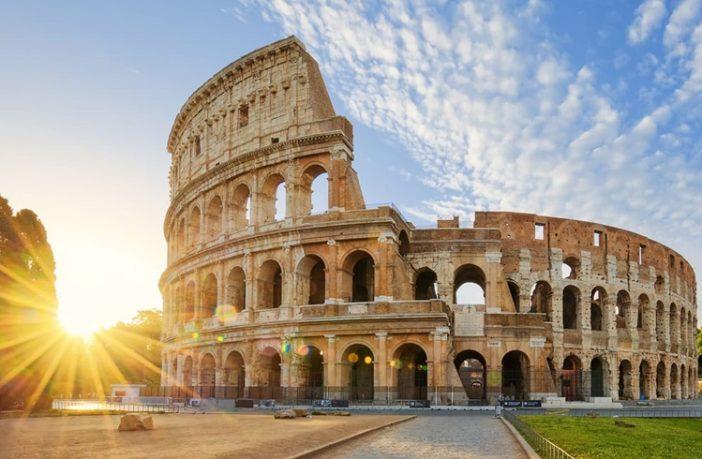
Colosseum
Colosseum is a structure built during the Roman Empire period and is regarded as one of the largest ancient amphitheaters in the world. Originally named "Amphitheatrum Flavium", the Colosseum is located east of the Palatine Hill in Rome. Construction began in the 1st century AD and was completed rapidly. The Colosseum became the center of public entertainment in Roman society and also transformed into an architectural symbol representing imperial power. History Construction of the Colosseum bega
EN
Ahsen Güneş
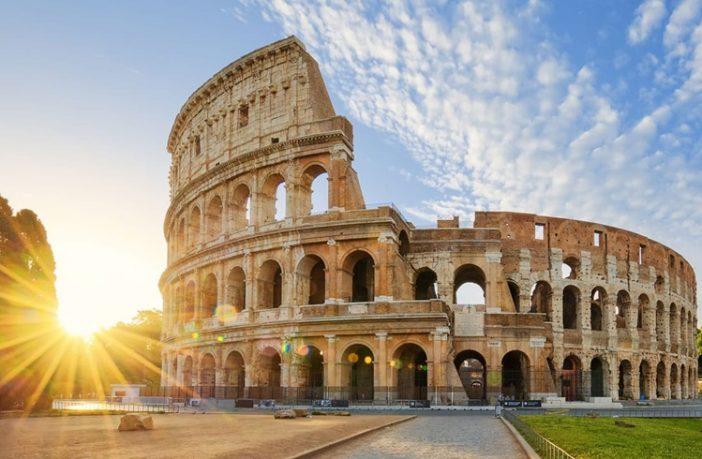
Colosseum
The Colosseum is a structure built during the Roman Empire and regarded as one of the largest ancient amphitheaters in the world. Originally named "Amphitheatrum Flavium," the Colosseum is located east of the Palatine Hill in Rome. Construction began in the 1st century CE and was completed rapidly. The Colosseum became the center of public entertainment in Roman society and evolved into an architectural symbol of imperial power. The Colosseum (Pexels) " image-alternate="" image-element-format="r
EN
Ahsen Güneş
Giant's Causeway
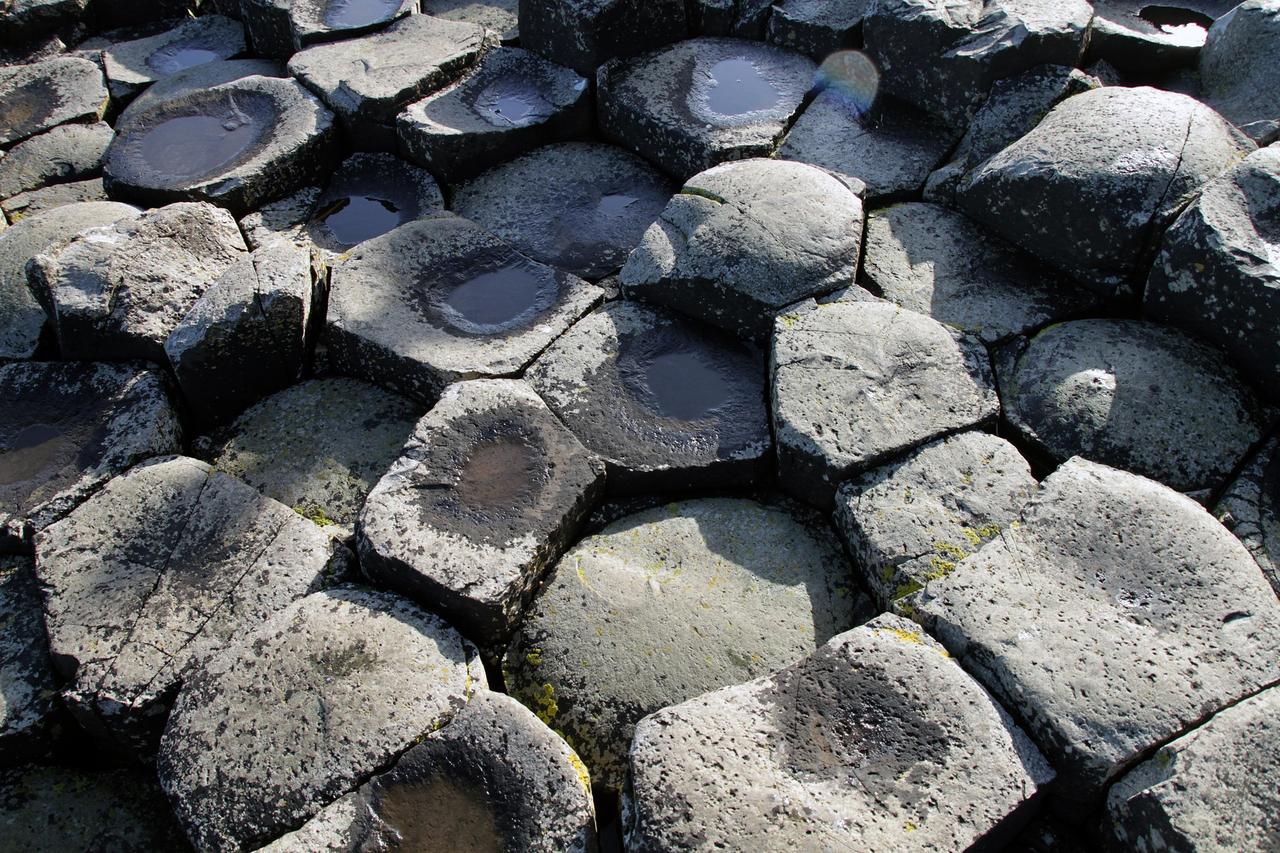
Giant’s Causeway (Giant’s Causeway), located on the Antrim coast of Northern Ireland, is a coastal geomorphological area defined by columnar rock structures formed by the cooling of Paleogene basaltic lava flows. The region contains a regular assembly of basalt columns, predominantly with hexagonal cross-sections and vertical orientations. These structures are linked to the solidification dynamics of lava that occurred approximately 60 million years ago during volcanic activity.【1】 The site hold
EN
Fatmanur Mavibaş
 Ar
ArArslantepe Mound
Arslantepe Mound, one of the largest mounds in Turkiye, is a multi-layered site located east of Malatya near the Euphrates River, rising to a height of about 30 meters. The earliest traces of settlement date back to 5000 BC, and the area was continuously inhabited from the Chalcolithic Age through the Byzantine period. Notably, during the 4th millennium BC, the mound served as a center of advanced administrative and social organization. The mudbrick palace complex from this era contains evidence
EN
Nazlı Kemerkaya
Casa Batlló
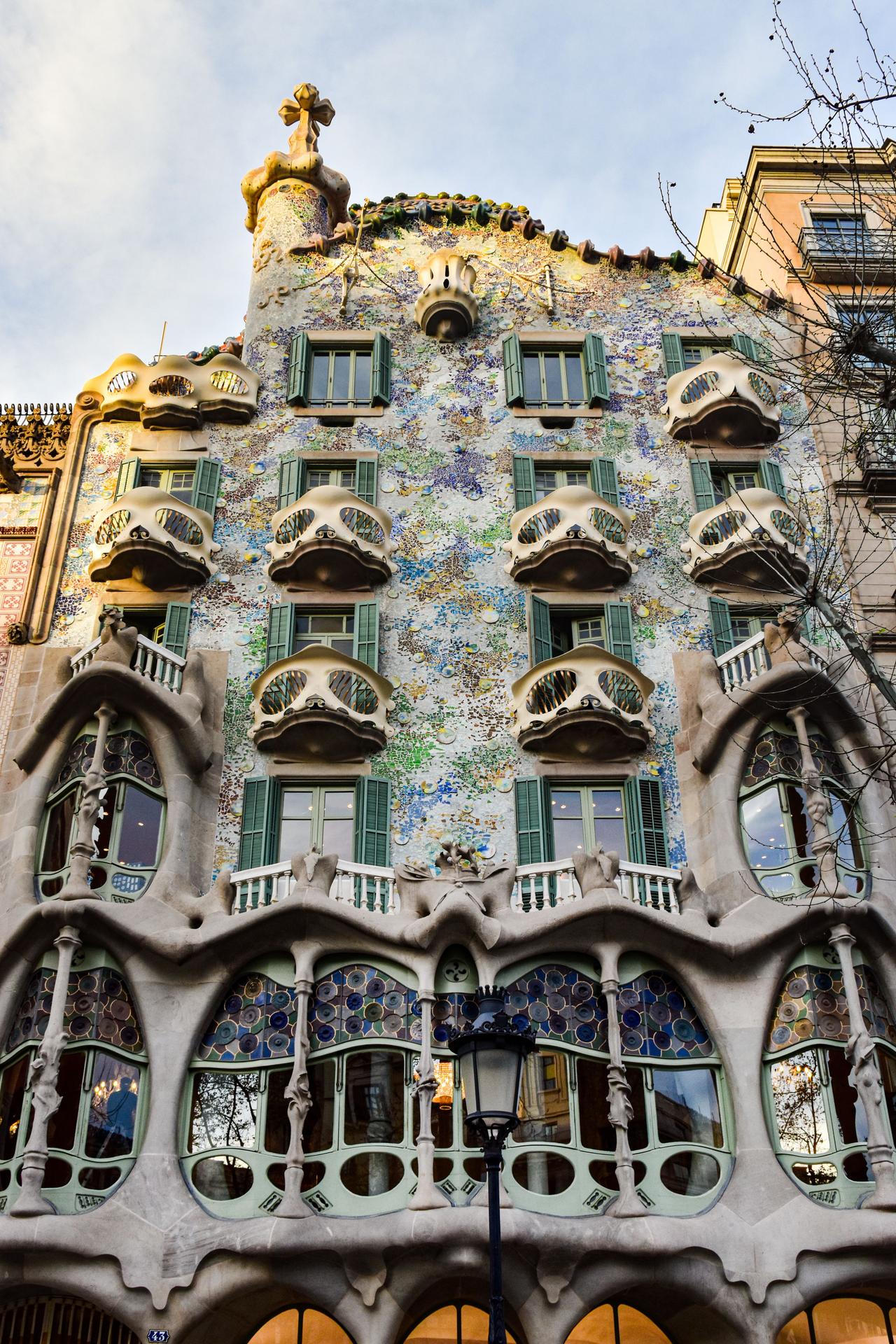
Casa Batlló is a modernist residential building located on Passeig de Gràcia in the city of Barcelona, Spain. It was extensively redesigned by Antoni Gaudí between 1904 and 1906. Originally constructed in 1877 by Emili Sala Cortés, the building was later acquired by industrialist Josep Batlló i Casanovas, who commissioned Gaudí to completely renovate it. Today it is listed on UNESCO’s World Heritage List and stands as one of the exemplary works of Gaudí’s architectural output and Catalan Moderni
EN
mesude zor
SuSultan Bayezid II Külliyesi Health Museum
The Sultan II. Bayezid Külliyesi Health Museum is a museum established by converting the darüşşifa and medical madrasa sections of the Sultan II. Bayezid Külliyesi, a complex built during the Ottoman period on the banks of the Tunca River in Edirne. During the Ottoman era, the külliye functioned as a multifunctional structure integrating healthcare, education, worship and social assistance. These sections were restored by Trakya University and opened to the public in 1997 under the concept of a
EN
Melike Saraç
Göreme Archaeological Site
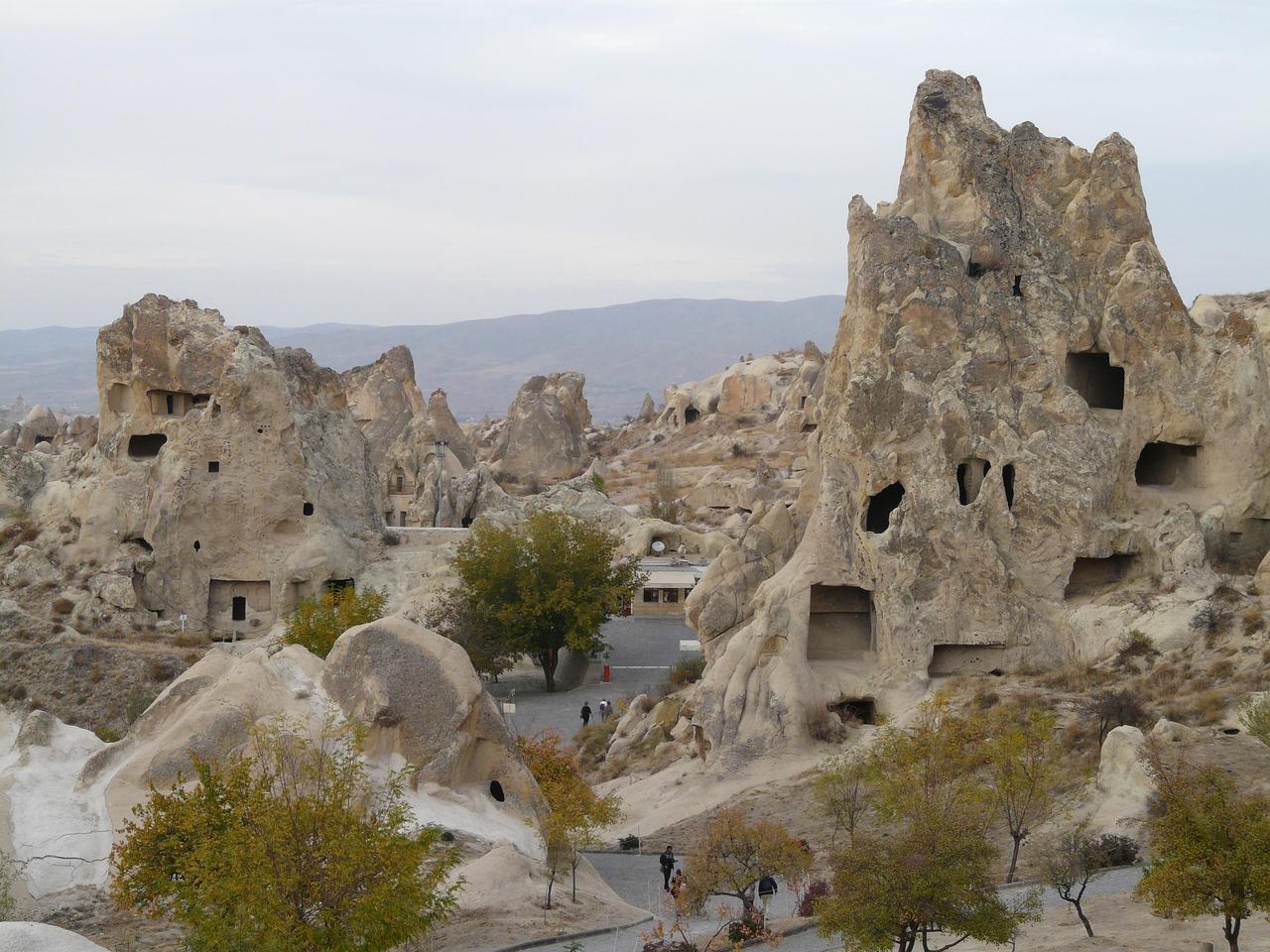
The Göreme Archaeological Site is a rock-cut settlement located approximately 13 kilometers from the center of Nevşehir province and about 2 kilometers from the town of Göreme. Situated in the Cappadocia region, where volcanic tuff layers have been eroded by wind and water, the area features a distinctive geomorphology that enables the coexistence of natural and cultural elements within its settlement fabric. Numerous structures carved into the rock formations indicate the site’s varied use thro
ENNazlı Kemerkaya
HaHattusha
Hattusha is one of Anatolia’s most important archaeological sites and served as the capital of the Hittite Empire. Located in the Boğazkale district of Çorum Province, this ancient city was the political, religious, and cultural center of the Hittites between 1650 and 1200 BC. The city reflects the architectural style of its time with its expansive walls, monumental gates, temples, and royal structures. Hattusha was inscribed on the UNESCO World Heritage List in 1986 and was included in the UNES
ENNazlı Kemerkaya
Nemrut Archaeological Site
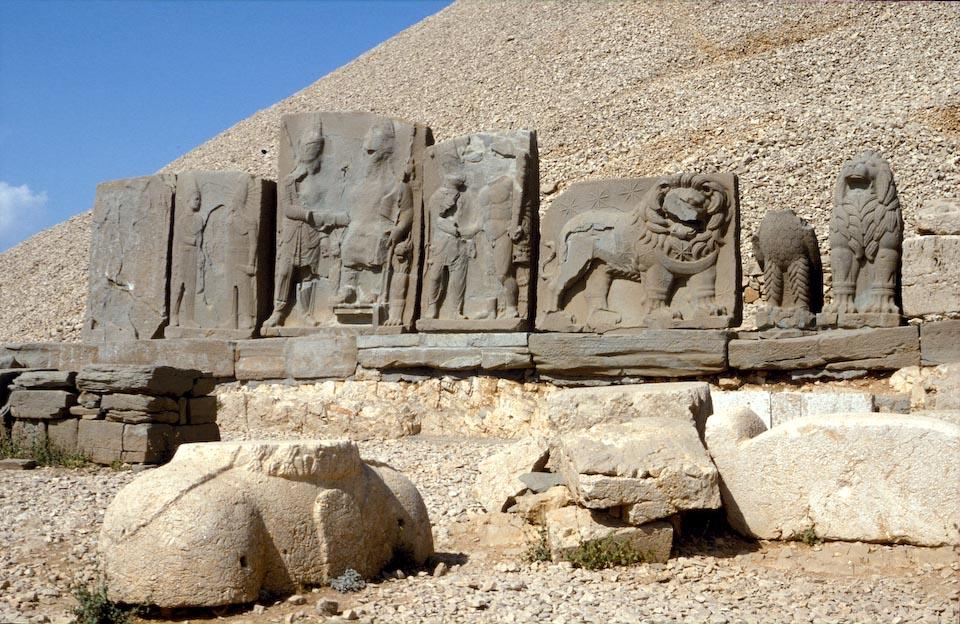
Nemrut Mountain is a historical archaeological site located in the Southeastern Anatolia Region of Turkey, in the Kahta district of Adıyaman province. Known for its monumental structures from the Kingdom of Commagene, the site is situated at an altitude of 2,150 meters above sea level and was included in the UNESCO World Heritage List in 1987. With its colossal statues, stone reliefs, and historical remains, Mount Nemrut is one of the most significant archaeological sites of the Hellenistic peri
ENNazlı Kemerkaya