

`edirne` Related Article Results
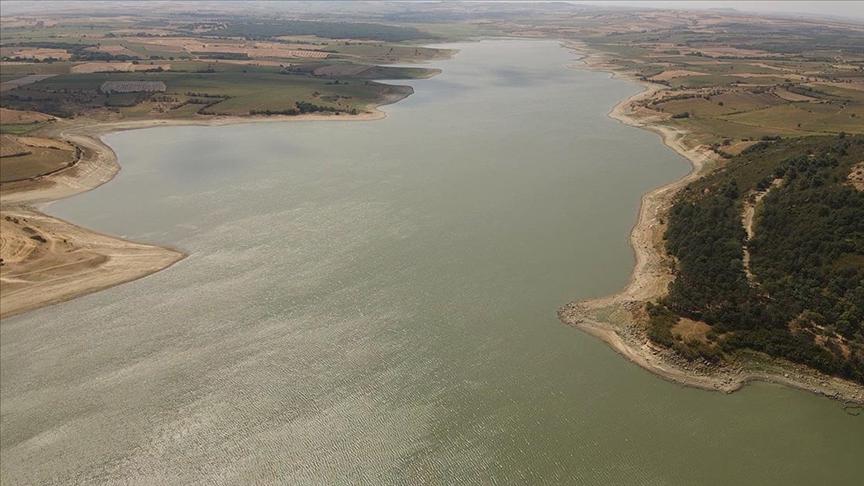
Altınyazı Dam
Altınyazı Dam is located approximately 1 km northeast of the village of Altınyazı in the Uzunköprü district within the boundaries of Edirne Province, Türkiye. Commissioned in 1970, dam also serves as a regional sweet water fishery resource. The dam has a maximum height of 22 metres; at normal water level, its storage capacity is 31 hm³ and its surface area is 4 km². A view of the Altınyazı Dam as of 2023 (AA) Uses The dam serves two primary functions: Agricultural Irrigation: It supports an irri
EN
Duygu Şahinler
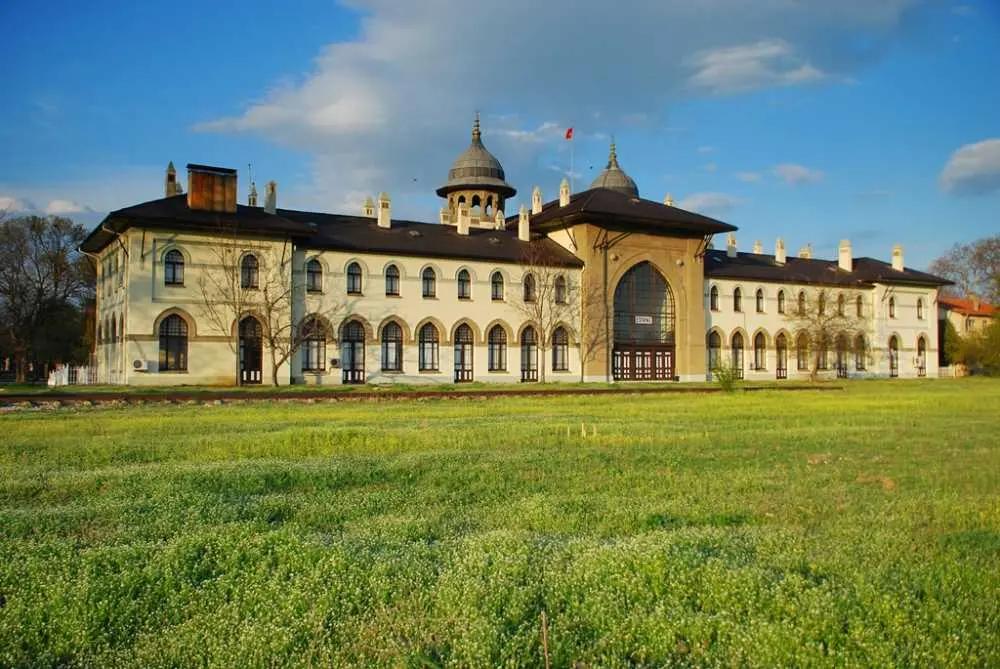
Karaagac Old Train Station
Karaağaç Old Train Station is a registered station building located in the Karaağaç Neighborhood of Edirne Province, Türkiye, built in the early 20th century and currently serving as the Faculty of Fine Arts of Trakya University. The building was designed as one of the important stops on the railway line connecting Istanbul to Europe and was important in terms of architecture, transportation and political history due to the period it was built. First Station Building (1872) The first station bui
EN
Ahsen Güneş
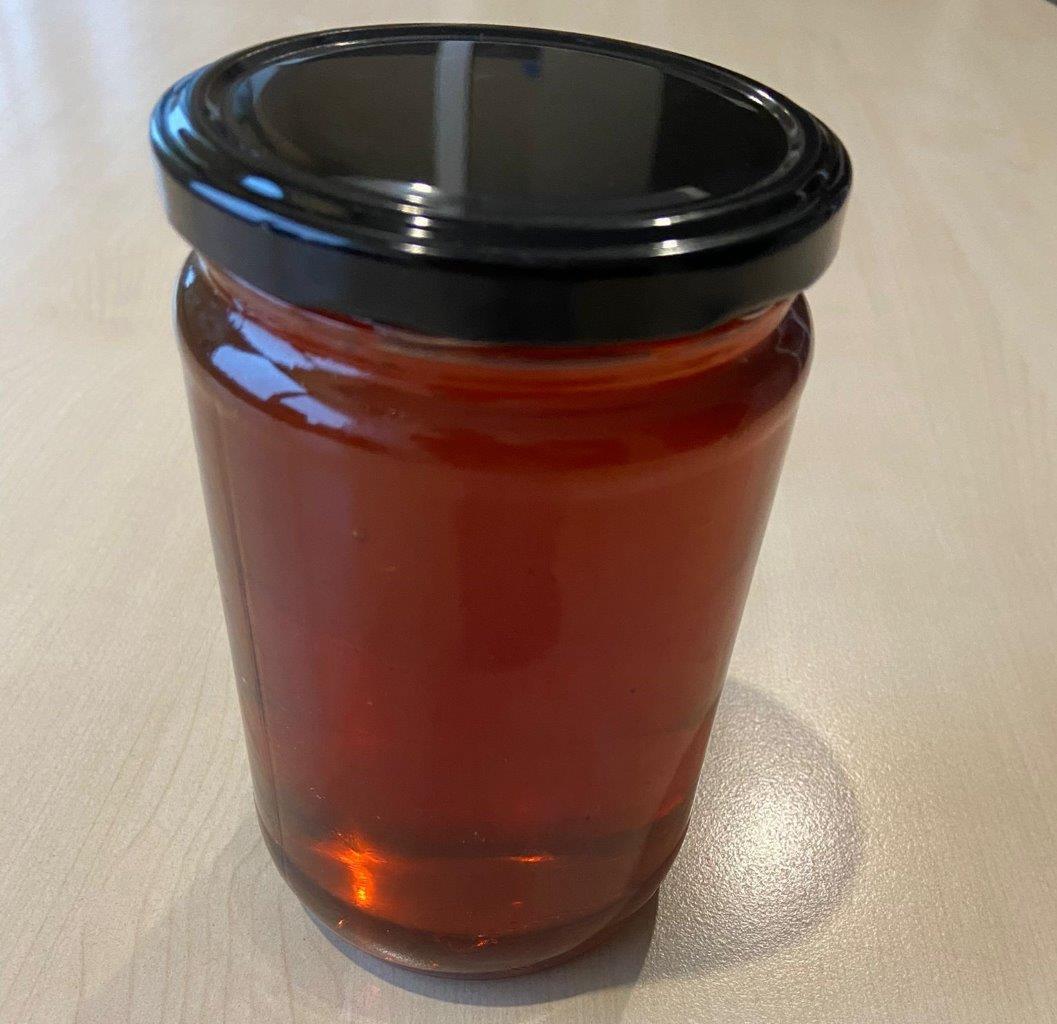
Keşan Korudağ Flower Honey
Keşan Korudağ Flower Honey is a multifloral raw honey produced using the fixed beekeeping method in the village areas surrounding the Keşan district of Edirne province, and it holds protected designation of origin. This honey exhibits characteristic aromas of lavender, thyme, and linden flowers, with color tones ranging from bright yellow to light hues and a mild, fruity, non-irritating taste. It has a high tendency to crystallize, with a pH value between 3.50 and 4.00. Its pollen composition is
EN
Sabiha Meyra Şahinler
 De
DeDeva-i Misk Helvası
Deva-i Misk Helvası is a traditional sweet originating from Edirne, with roots in the Ottoman Imperial Kitchen, distinguished by its rich blend of spices and the distinctive aroma of musk. Its history dates back to the periods when Edirne served as the capital of the Ottoman Empire. Due to its perceived health benefits and unique fragrance, it held a special place in Ottoman court cuisine and continues to be preserved today as an important product within Edirne’s culinary culture. Description an
EN
Şule Bozkurt
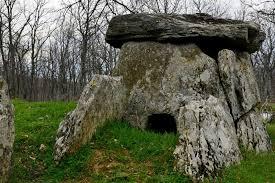
Lalapaşa Dolmens (Edirne)
The Lalapaşa Dolmens are massive stone structures dating back to very ancient times, located in the Lalapaşa district of Edirne. But what is a dolmen? Dolmen refers to prehistoric megalithic tombs constructed by erecting several large flat stones vertically and covering them with a single enormous horizontal capstone. These structures, resembling the door of a giant in a fairy tale, were essentially stone houses built by people who lived thousands of years ago for their important individuals. Th
EN
Nida Üstün
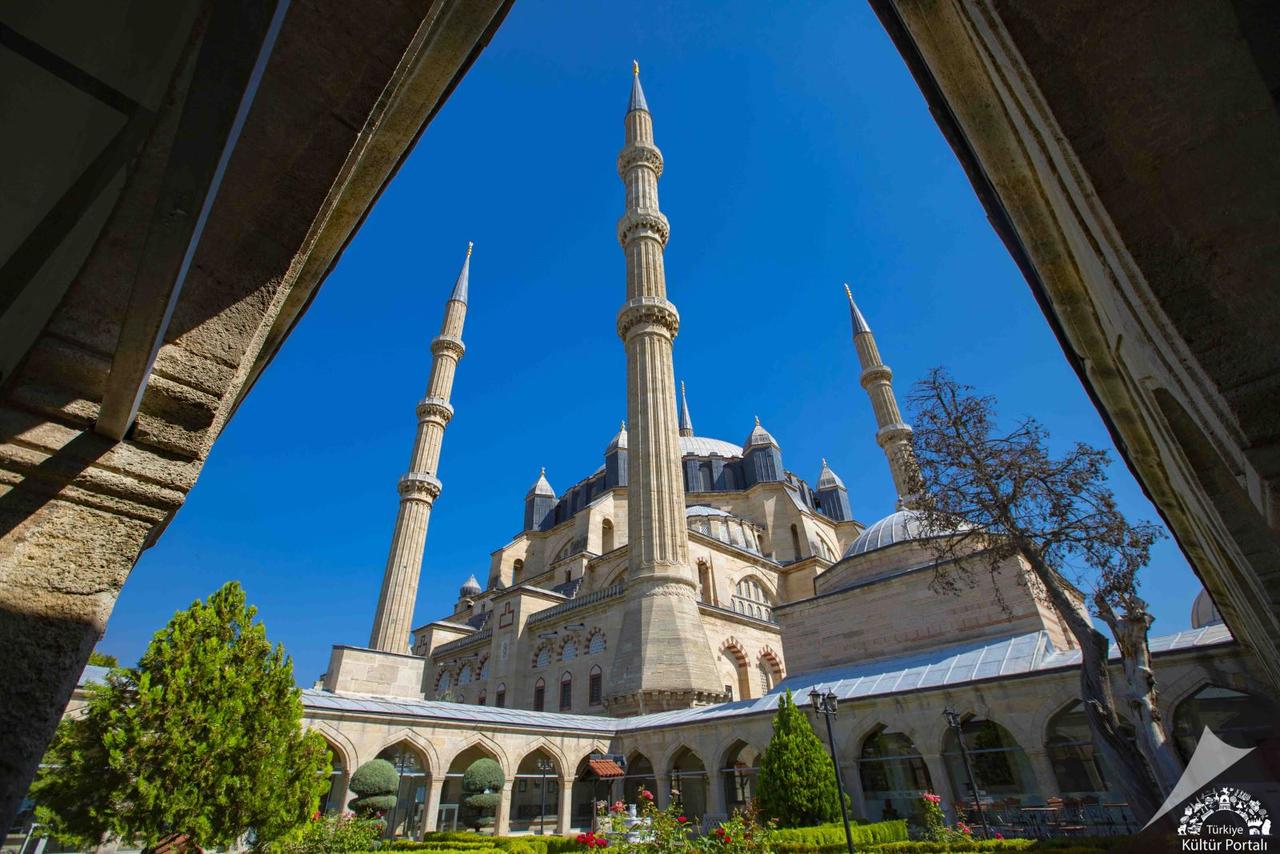
Selimiye Foundation Museum
The Selimiye Foundation Museum operates in the Darül Kurra Medrese building within the Selimiye Camii Külliyesi in Edirne. The museum was opened to the public in 2007 following the restoration of the medrese, which had served as a higher education institution during the Ottoman period. The majority of the collection consists of movable cultural assets originating from foundation buildings in Edirne, Kırklareli, and the surrounding areas. History and Architecture The Darül Kurra Medrese was const
EN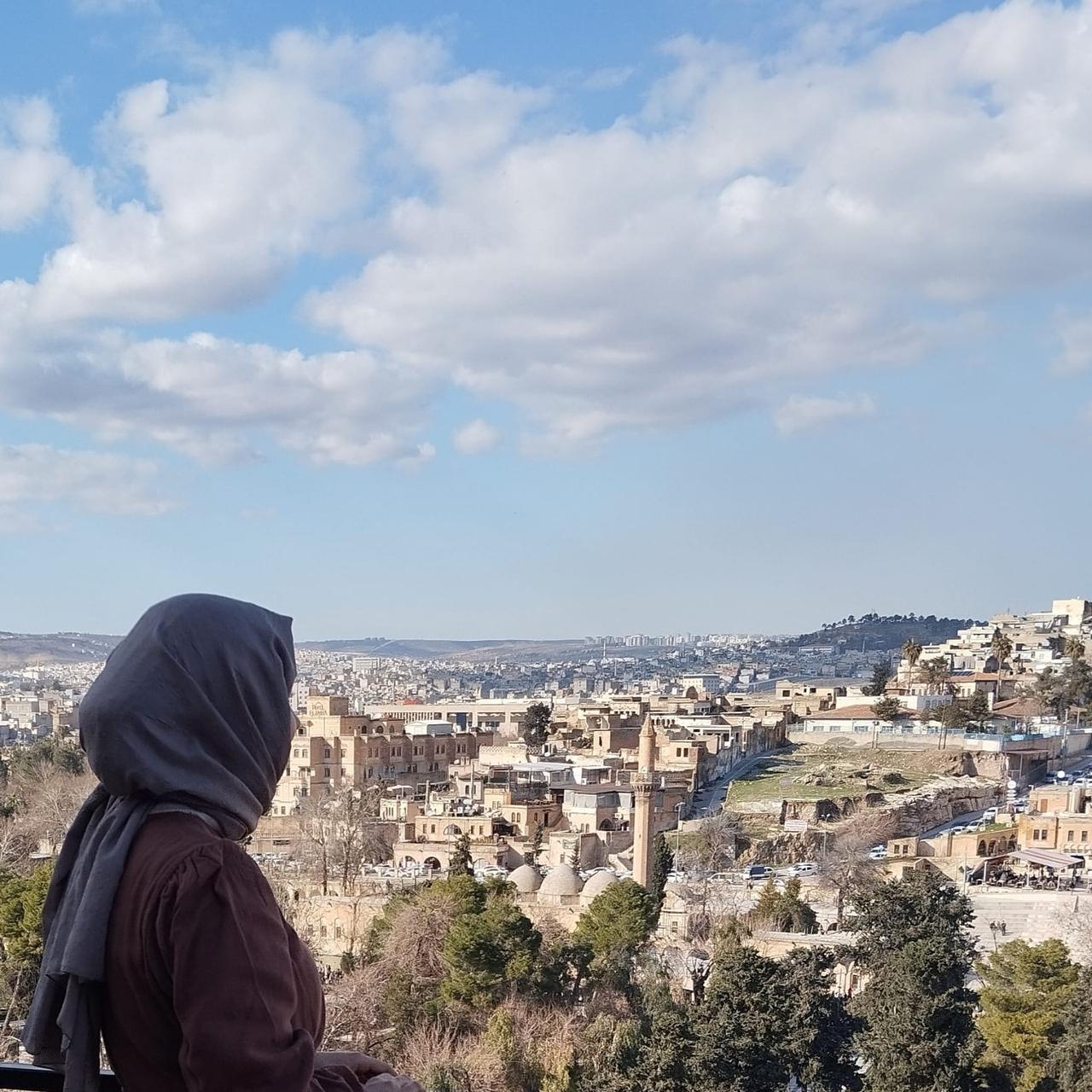
Sevgi Kıraç
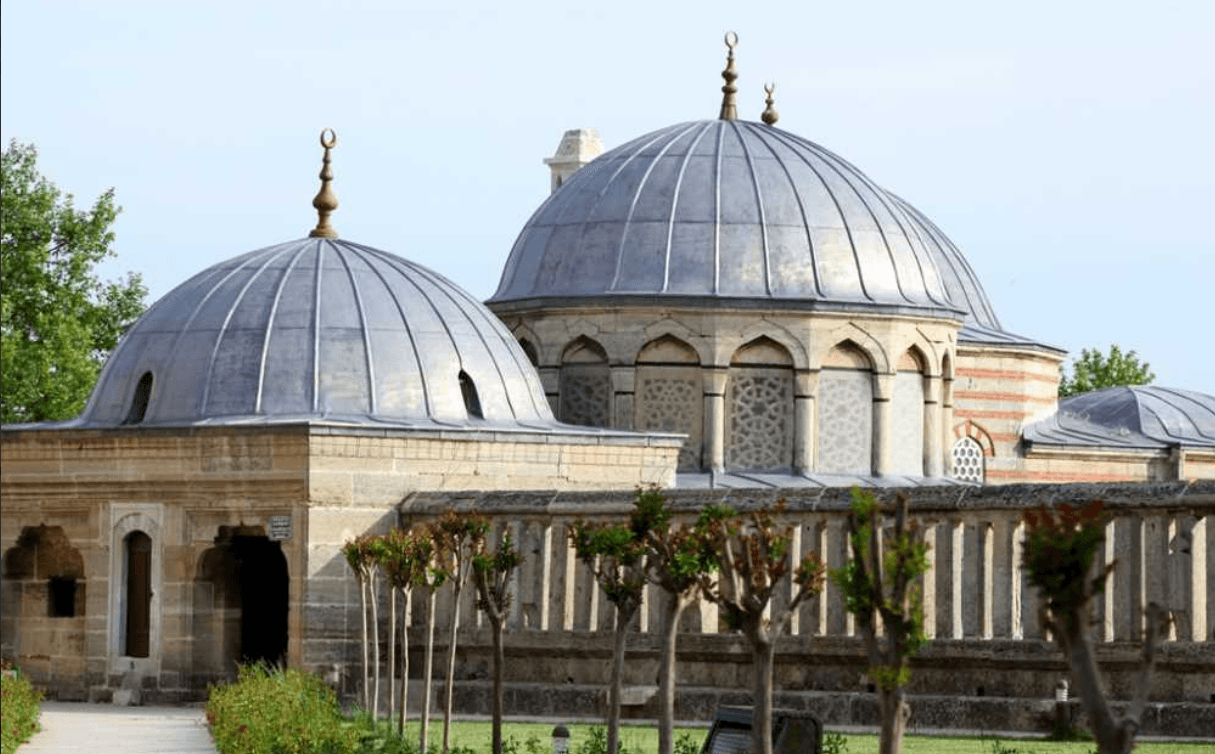
Selimiye Arastası
Selimiye Arastası, as one of the most important commercial centers of Ottoman-period Edirne, has left a deep mark on the city’s cultural and economic life. During the reign of Murad III, this bazaar was constructed to generate income for the Selimiye Camii and was built by Davut Ağa, a senior apprentice of Mimar Sinan. Completed in 1590, the construction of this historic structure represented a major step toward covering the maintenance and operational expenses of the Selimiye Camii. Architectur
EN
Irmak Fer
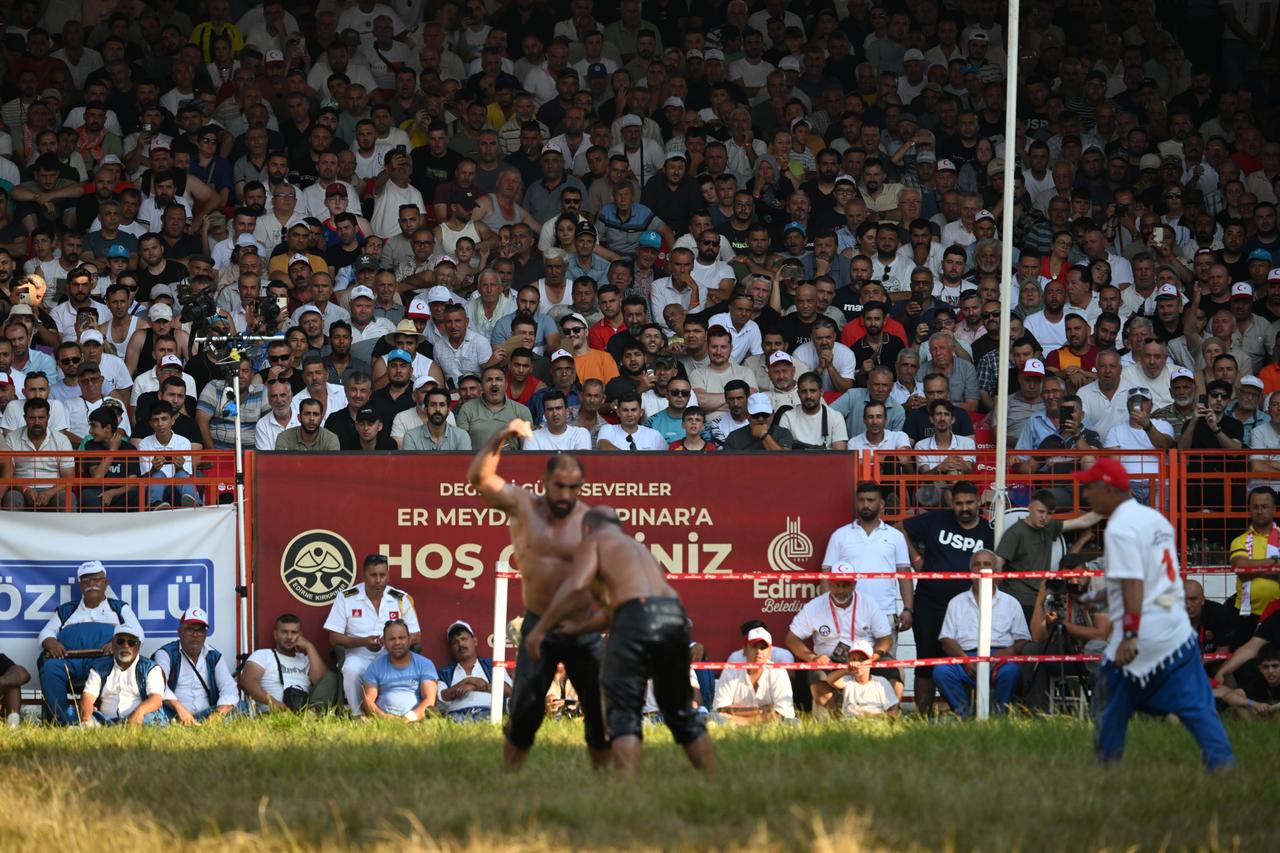
665. Kırkpınar Oil Wrestling (2026)
The 665th Kırkpınar Oil Wrestling Tournament is a historic and traditional sports event scheduled to take place between 3 and 5 July 2026 at the Sarayiçi Er Meydanı in Edirne, Türkiye. Recognized as the Olympic arena of Turkish oil wrestling and the site where the nation’s chief wrestler is crowned, the event is coordinated by the Edirne Municipality. The festival, which forms part of Edirne’s intangible cultural heritage—having served as the capital of numerous civilizations and the Ottoman Emp
EN
Burak Enes
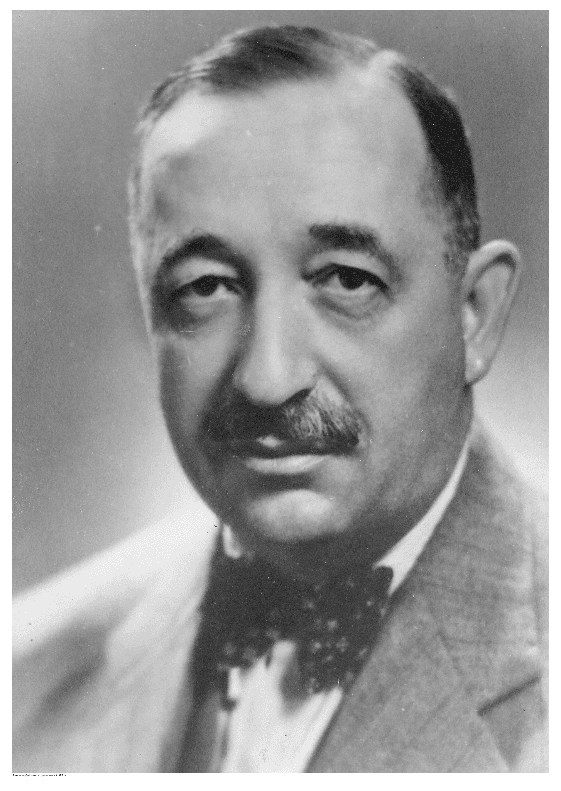
The Bulgarian Who Protected Selimiye: Bogdan Filov
The Balkans’s dusty pages sometimes reveal a figure whose legacy evokes both profound admiration and melancholic astonishment. Bogdan Filov stands as one of the most captivating and tragic examples of such a personality. On one hand, he demonstrated immense passion for art by rescuing a masterpiece like the Selimiye Camii from certain destruction; on the other, he vanished into the dark corridors of politics. In this article, we will undertake a chronological journey, guided by objective data fr
EN
Gözde Cabadak
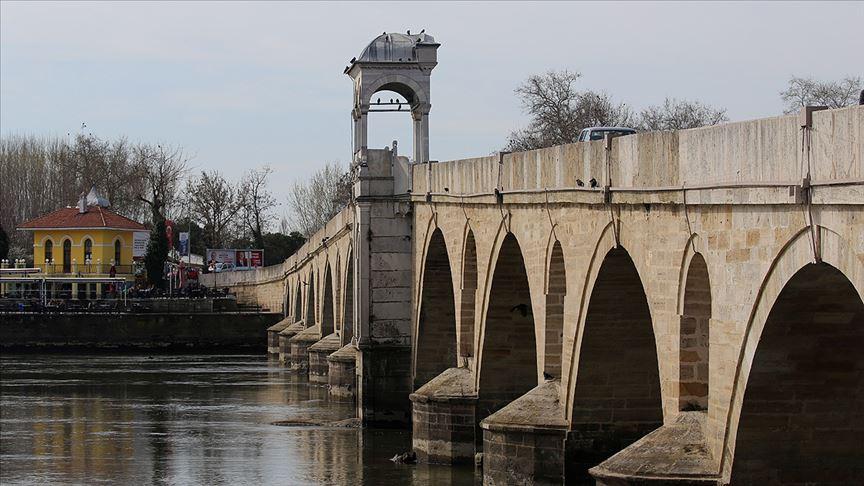
Mecidiye Bridge
Mecidiye Köprüsü is a stone bridge located over the Meriç River in the central district of Edirne, constructed between 1842 and 1847 during the reign of Sultan Abdülmecid. It is known that a wooden bridge previously stood at this location. The structure, built with cut stone, has 12 arches, is approximately 261 meters long and 7 meters wide. It lies along the transportation route connecting the center of Edirne with Karaağaç and has been known by various names in different periods, including “Me
EN
Fatmanur Mavibaş