

`ottomanhistory` Related Article Results
 Na
NaNahal Tree
Nahıl Ağacı is a three-dimensional monumental craft object, typically designed in the form of a cypress or date palm tree, adorned with beeswax, precious stones, mirrors, and various figurines. It was used during festivals, weddings, and circumcision processions in the Ottoman Empire period, symbolizing abundance, prosperity, power, and the continuity of life. The term derives from the Arabic word "nahl," meaning "date palm tree," and over time it was also referred to in folk usage as "nakıl"İsm
EN
Yunus Emre Yüce
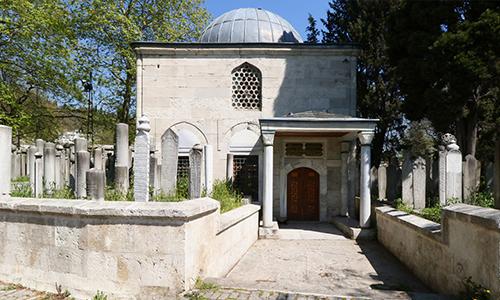
Feridun Paşa Türbesi
Feridun Ahmed Pasha Tomb, built in 1583 in the Eyüpsultan district of İstanbul, is a square-plan, single-dome funerary structure erected in honor of Feridun Ahmed Pasha, a 16th-century Ottoman bureaucrat, chancellor, poet, and writer.【1】 The Life and Literary Identity of Feridun Ahmed Pasha Feridun Ahmed Pasha was educated in the imperial court during the reign of Suleiman the Magnificent under the tutelage of Çivizade Abdullah Çelebi, the Grand Treasurer, and rose through the bureaucratic ranks
EN
Gözde Cabadak
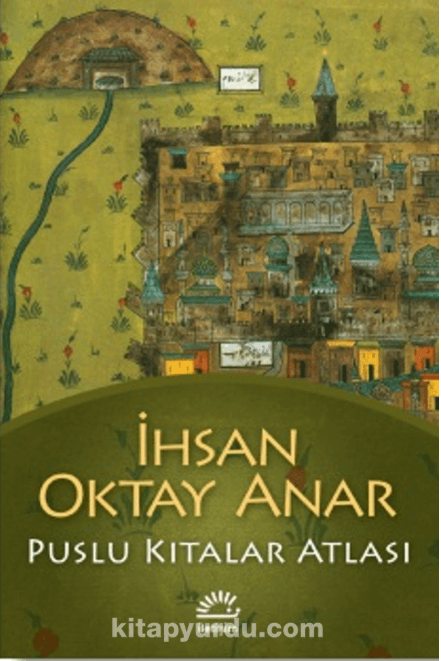
Atlas of Misty Continents (Book)
Puslu Kıtalar Atlası, İhsan Oktay Anar’ın karakteristik style, is recognized in Turkish literature as a work that unites imagination and reality. The novel transports its readers to 17th-century Istanbul under the Ottoman Empire, offering a world enriched with philosophical inquiries and fantastical elements. The author has crafted a multi-layered narrative that deeply examines the individual’s quest for truth and the complexity of human nature. Puslu Kıtalar Atlası " image-alternate="" image-el
EN
Ahsen Karakaş
YoYoung Osman Ballad
Genç Osman Türküsü is an epic folk ballad that recounts the heroism of a young warrior from Aksaray who fell martyr during the Baghdad Campaign conducted by the Ottoman Empire in the 17th century. The lyrics and story of the ballad have been preserved in various versions across different regions of Anatolia. The Story of Genç Osman Born in 1621 in the village of Dorikini in Aksaray, Osman lost his father at a young age and was raised by his mother. He excelled in wrestling, archery, and swordsma
EN
Eyüp Ecmel Acat
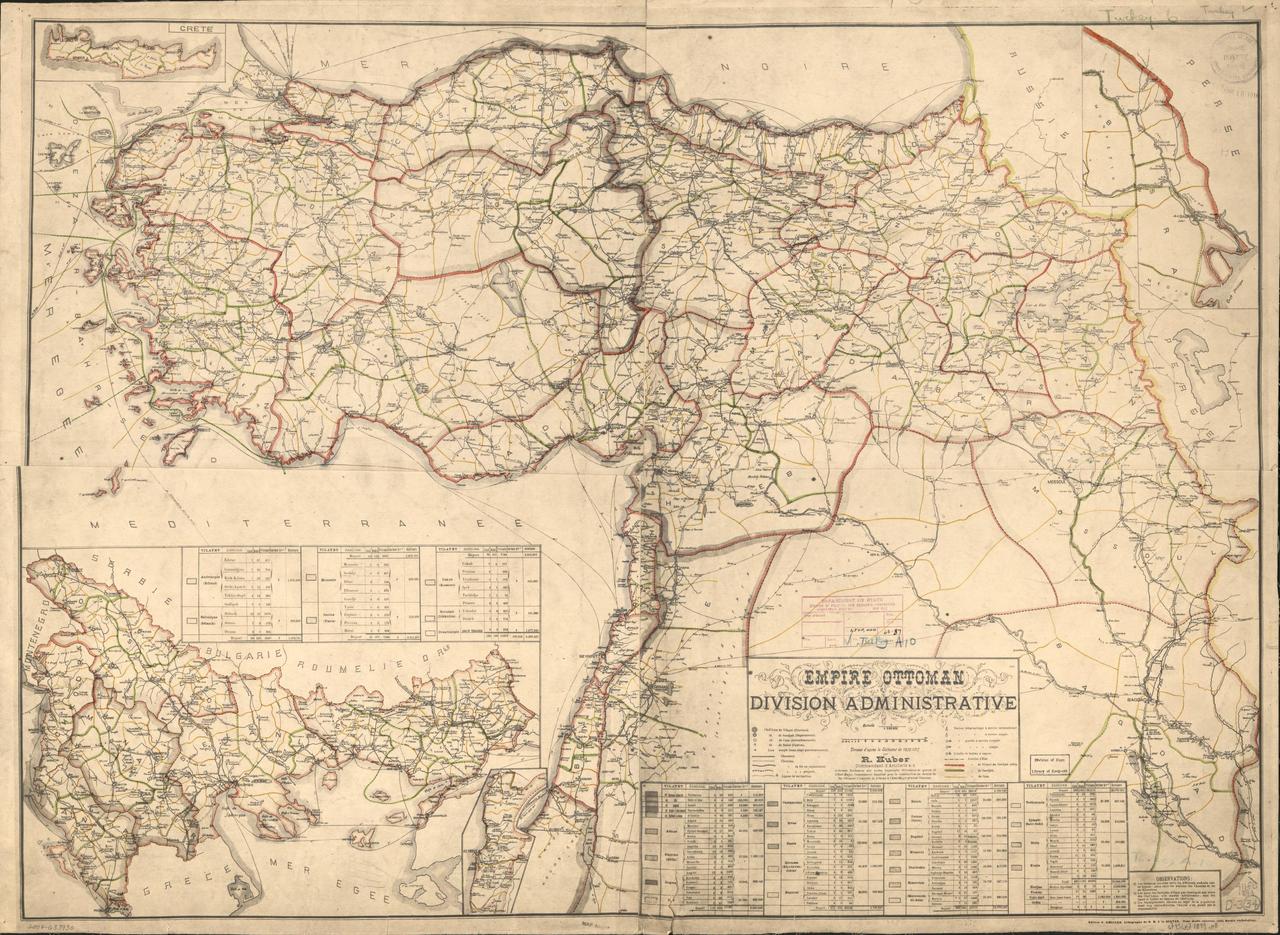
Vilayet
Vilayet (province) is the largest administrative unit, governed by a vali, and encompasses subordinate units such as sancak/liva, kaza, nahiye, and village, following the 1864 Vilayet Nizamnamesi. Mehmet Salih Çoban, "1864 Tuna Vilayet Nizamnamesi," KÜRE 19 July 2025, Access: 15 June 2026, https://kureansiklopedi.com/tr/detay/1864-tuna-vilayet-nizamnamesi-a010e. ">【1】 The everyday and dictionary meaning of the term is defined as "the largest administrative division under a vali, a province";
EN
Mehmet Salih Çoban
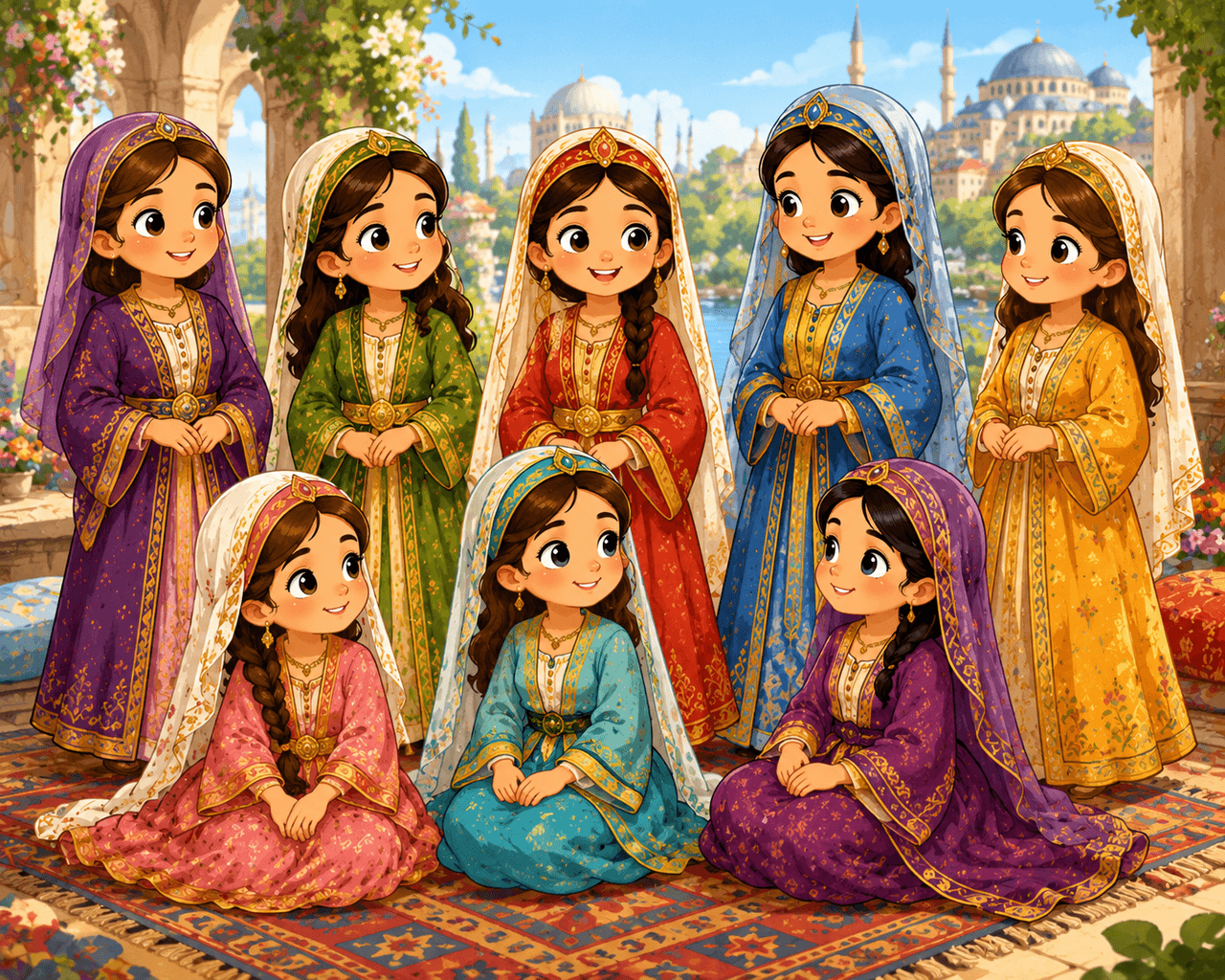
Women's Clothing in the Ottoman Empire
Ottoman women’s clothing was not merely a means of covering the body but also a way to express personal taste, wealth, and the social environment in which they lived. During this period, clothing was meticulously sewn like works of art, with each garment containing a unique story. The Ottoman woman’s wardrobe was filled with colorful fabrics and delicate embroidery. Literacy on Women’s Dress in the Ottoman Era (Generated with AI assistance) " image-element-format="right" image-height="1122" imag
EN
Saime Kılıç
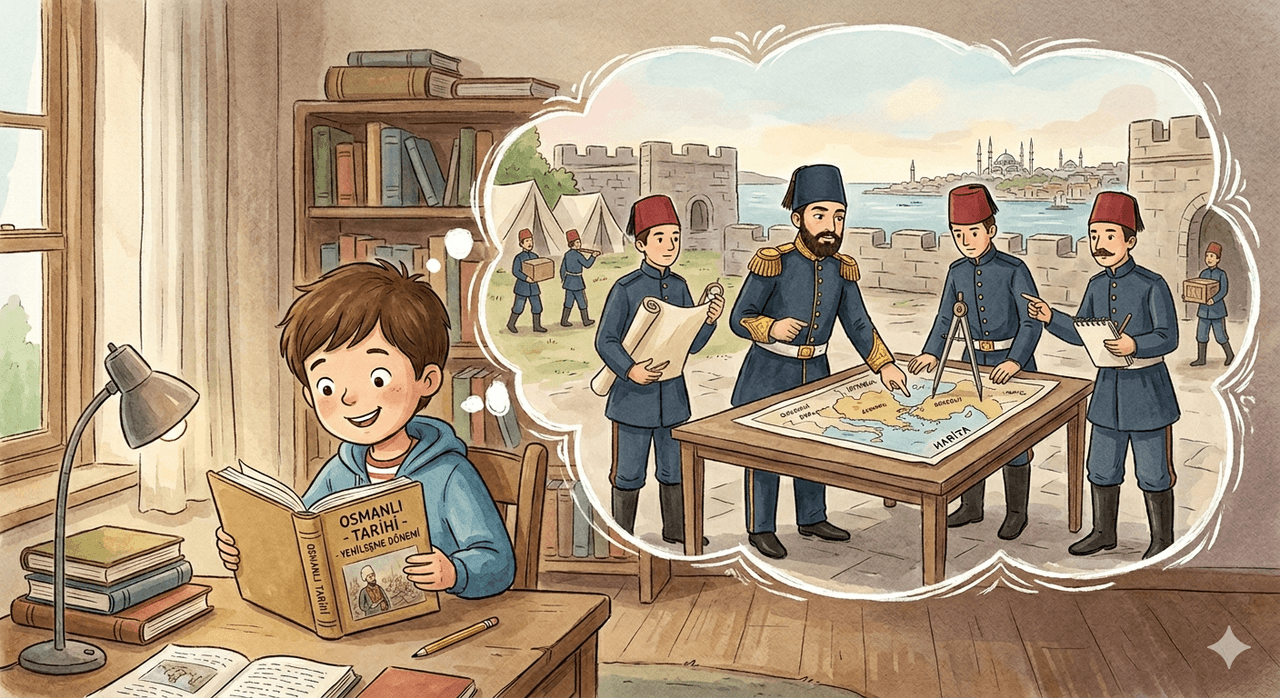
Vaka-i Hayriye
In the past, the Ottoman State had a very powerful and brave army: the Janissaries. For many years, the Janissaries ensured the victory of numerous wars. However, as time passed, these soldiers stopped undergoing training and began to disregard rules. When this situation made the functioning of the state difficult, a major change became necessary. This major transformation, namely the abolition of the Janissary Corps, is known as the "Vak'a-i Hayriye," or the "Auspicious Event." Why Did the Jani
ENTülin Yıldız
Jan Schmidt – A Bridge Between the Netherlands' East Indian Colonies and the Ottoman Empire
Jan Schmidt was born in 1951 in Arnhem, Netherlands. He studied at Leiden University in the Department of History, Middle Eastern Languages and Cultures from 1969 to 1985 and continued his academic work at the same institution. In 1992, he completed his doctorate at Leiden University with a new perspective on the work Künhü’l-Ahbar, written in 1590 by Gelibolulu Mustafa Âli, a figure of major importance in Turkish literature. While continuing his research in the Netherlands, he taught for a peri
ENMehmet Salih Çoban
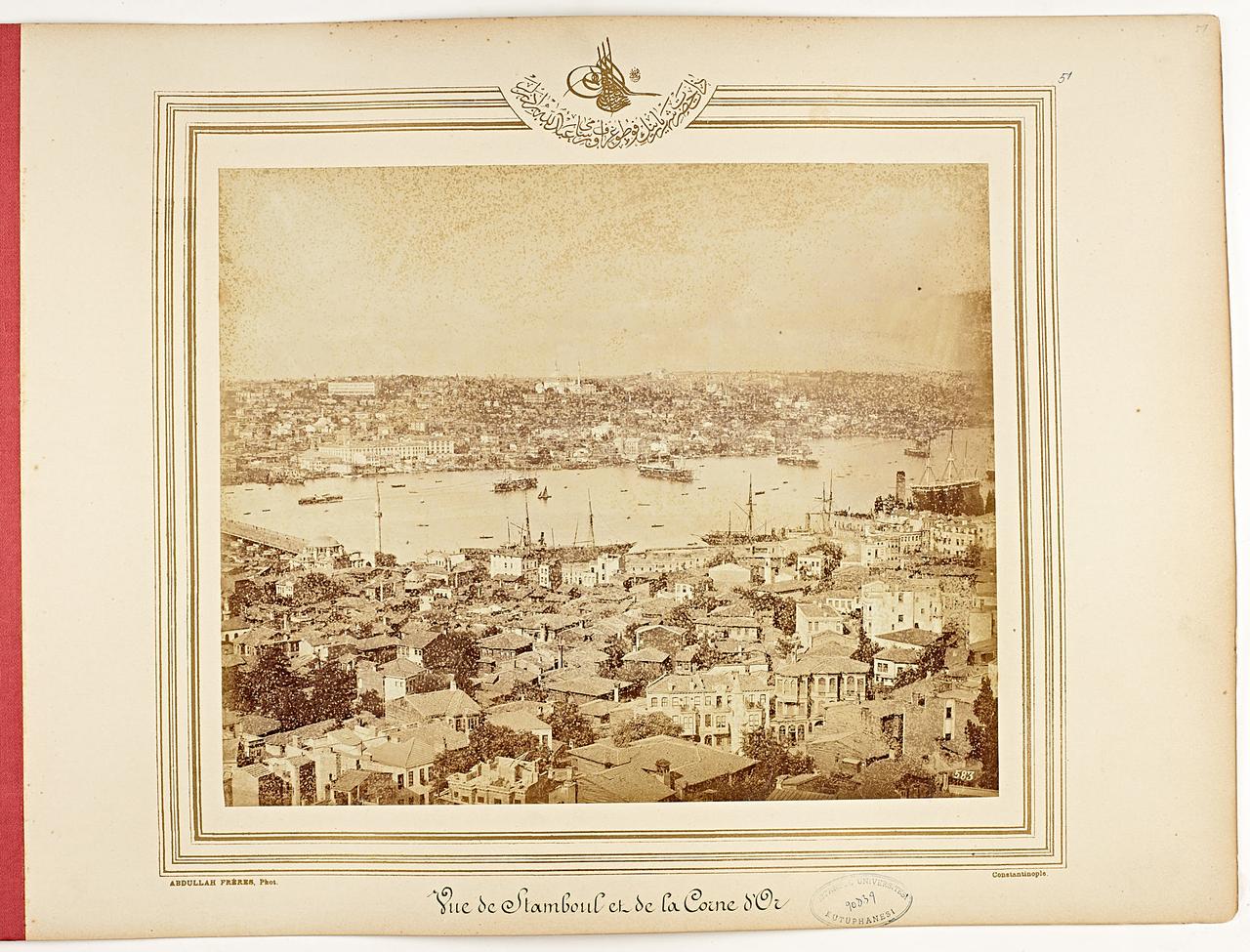
Yıldız Palace Photography Collection
Yıldız Sarayı Photograph Collection is one of the most extensive and comprehensive visual archives of the Ottoman Empire, established during the reign of Sultan Abdülhamid II (1876–1909). The collection emerged as photography began to be systematically employed in the late 19th century as a documentary, promotional, and propagandistic tool. Formation Process Photography, invented in 1839, quickly gained popularity within the Ottoman Empire. With the interest of Sultan Abdülhamid II, photography
EN
Burcu Sandıkçı
Kossuth House Museum
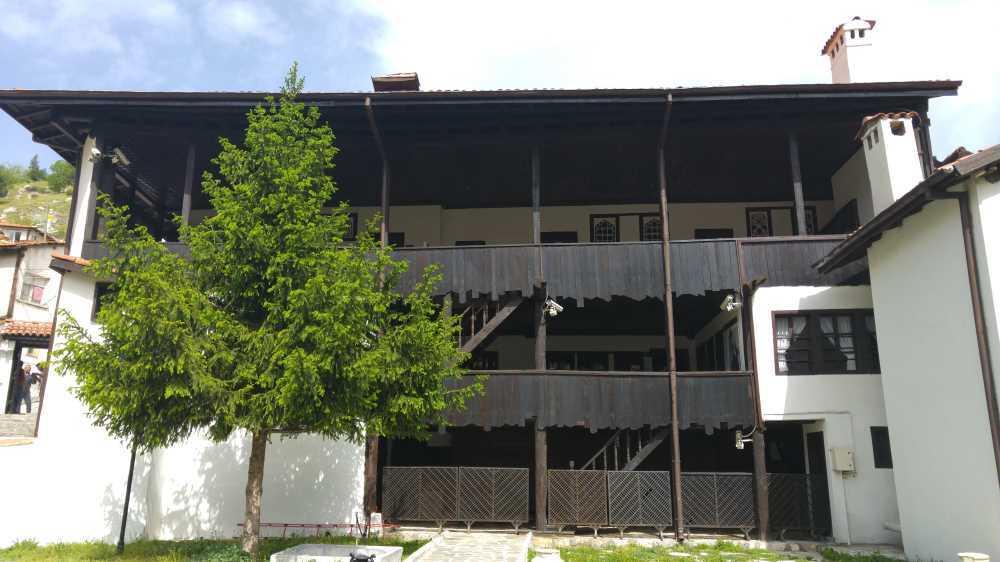
Kossuth House Museum is a historic house museum located in the Kütahya province of Türkiye, reflecting 18th-century civil architectural features. It served as the residence of Lajos Kossuth, the national hero of Hungary, during his period of exile and now functions as a symbol of Turkish-Hungarian friendship. Known locally as the "Hungarian House," the structure is recognized as one of the most significant cultural assets representing Kütahya’s history and its place in international diplomacy. H
EN
Yazgül Bulut