This article was automatically translated from the original Turkish version.
+1 More
Thrust Power | 39 meganewtons at liftoff | ||||||||
|---|---|---|---|---|---|---|---|---|---|
Speed | It can reach a speed of approximately 39,400 kilometres per hour when exiting Earth's atmosphere | ||||||||
Capacity | 4 astronauts | ||||||||
Vehicles | Space Launch System (SLS) rocket and Orion spacecraft | ||||||||
Weight | Approximately 2,600 tons | ||||||||
Height | 98 metres | ||||||||
NASA’s Artemis program is an international space exploration initiative aimed at returning humanity to the lunar surface for the first time since the 1970s Apollo missions and establishing a permanent presence there. The program plans to use the Moon as a stepping stone and testing ground for future crewed missions to Mars. To this end, it seeks to build a sustainable exploration infrastructure through modern launch systems, deep space vehicles, and a station in lunar orbit. The program’s core principle is to conduct scientific exploration on the Moon, advance technology, and prepare for Mars missions by learning how to live and work on another world.
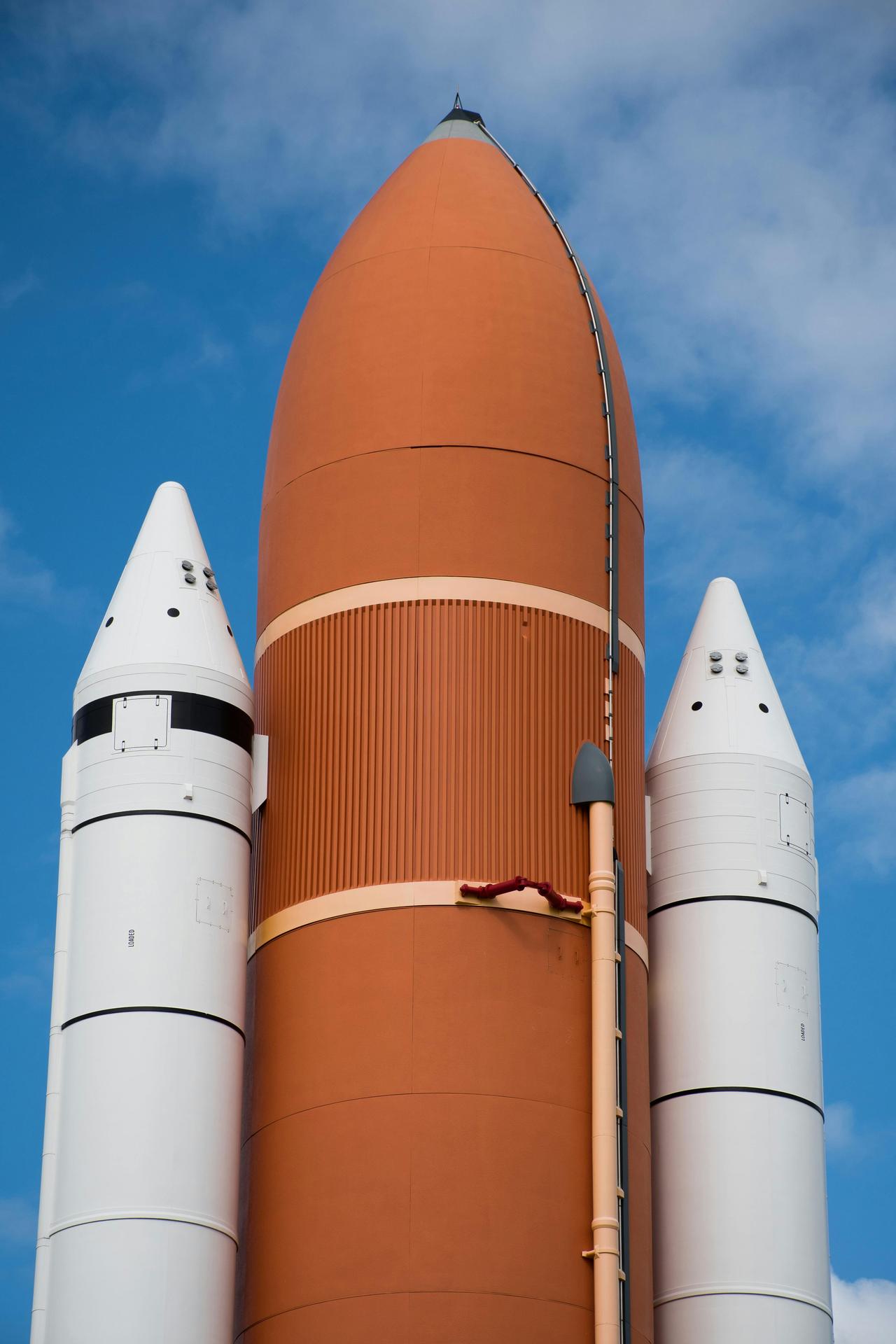
The technical backbone of the Artemis program consists of NASA’s Space Launch System (SLS) rocket and the Orion spacecraft designed to carry crew. The SLS is a massive rocket approximately 98 meters tall, transported to the launch pad using specialized carriers that move at a speed of 1.3 km/h. Orion is a capsule engineered to provide life support in deep space and ensure a safe return to Earth’s atmosphere. For the lunar landing phase, private companies such as SpaceX have contributed Human Landing Systems (HLS), including the Starship. NASA has paid SpaceX $2.8 billion to modify Starship for transporting astronauts to the lunar surface. Additionally, under the program, Northrop Grumman has taken responsibility for manufacturing critical components such as solid rocket boosters for the SLS and the Launch Abort System for Orion.
The program is built on a phased architecture. The first mission, Artemis I, sent the SLS rocket and an uncrewed Orion capsule into lunar orbit to test system resilience. The next phase, Artemis II, aims to conduct a crewed flight around the Moon to validate deep space operations. Scheduled for the first week of February 2026, this mission will carry a crew of four: Reid Wiseman as commander, along with Victor Glover, Christina Koch, and Jeremy Hansen. The approximately 10-day mission is designed to take humans farther into space than ever before. In preparation, the SLS rocket and Orion capsule were transported from the Vehicle Assembly Building (VAB) to the launch pad in a journey lasting about 12 hours.
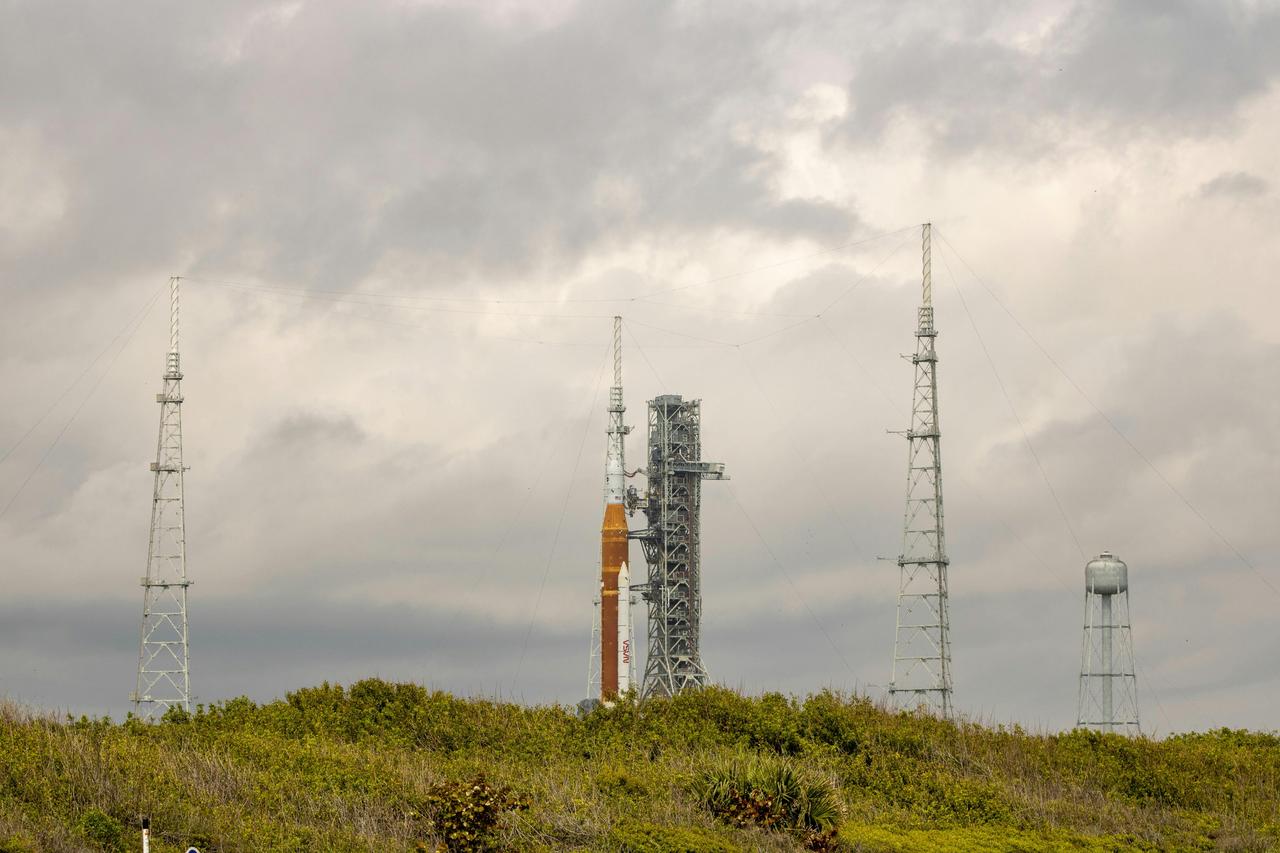
NASA’s SLS rocket on the launch pad (Pexels)
SpaceX Starship has become one of the most critical components of the program. This vehicle, approximately 122 meters long and powered by 33 engines generating 74 meganewtons of thrust, is designed to provide nearly twice the propulsion capacity of NASA’s SLS rocket. Starship is tasked with receiving astronauts from Orion in lunar orbit and landing them on the Moon’s surface. Its fully reusable design aims not only to support future Mars missions but also to reduce the costs of infrastructure development on the Moon and promote space tourism. The system successfully completed its fifth test flight on October 13, 2024, marking a significant step toward rapid reusability after its booster was captured mid-air by the launch tower.
As the Artemis program progresses, various technical challenges and safety concerns have emerged. In particular, prior to Artemis II, damage to Orion’s heat shield from the Artemis I test flight was identified. Although the heat shield is designed to protect astronauts from extreme temperatures during Earth reentry, some former NASA employees and experts deemed the damage a potential risk. Nevertheless, NASA continued its mission preparations with measures to minimize these risks. Additionally, the environmental impact of launch operations—including carbon dioxide emissions and sonic booms—is monitored by institutions such as the Federal Aviation Administration (FAA).
The Artemis program extends beyond landing on the Moon’s surface to include the construction of a space station in lunar orbit named “Gateway.” This station is designed to serve as a transfer point for vehicles heading to the lunar surface and as a laboratory for scientific research. A key objective of the program is to explore and utilize resources such as water ice at the Moon’s south pole. The data gathered and technologies developed will form a critical foundation for the accelerated Mars test missions expected from 2026 onward and for the establishment of sustainable colonies on the Red Planet. Through partnerships with commercial and international entities, the fundamental strategy is to establish a long-term presence on the Moon and transfer this accumulated knowledge to crewed Mars missions.
BBC News. “NASA’s Artemis II mission: What we know so far.” BBC News, Accessed January 25, 2026.https://www.bbc.com/news/articles/c0q4w3l0wdvo
BBC Türkçe. "Artemis Programı nedir, Ay’a dönüş neden önemli?" Accessed January 25, 2026.https://www.bbc.com/turkce/articles/c0r40zvpy55o
NASA. "Artemis." Accessed January 25, 2026.https://www.nasa.gov/humans-in-space/artemis/
Northrop Grumman. “Artemis Program.” Northrop Grumman, Accessed January 25, 2026.https://www.northropgrumman.com/what-we-do/space/missions/artemis/program

Thrust Power | 39 meganewtons at liftoff | ||||||||
|---|---|---|---|---|---|---|---|---|---|
Speed | It can reach a speed of approximately 39,400 kilometres per hour when exiting Earth's atmosphere | ||||||||
Capacity | 4 astronauts | ||||||||
Vehicles | Space Launch System (SLS) rocket and Orion spacecraft | ||||||||
Weight | Approximately 2,600 tons | ||||||||
Height | 98 metres | ||||||||
Core Components and Technical Infrastructure
Mission Phases and Progress
Integration and Technical Role of Starship
Technical Challenges and Safety Parameters
Long-Term Goals and the Gateway Station